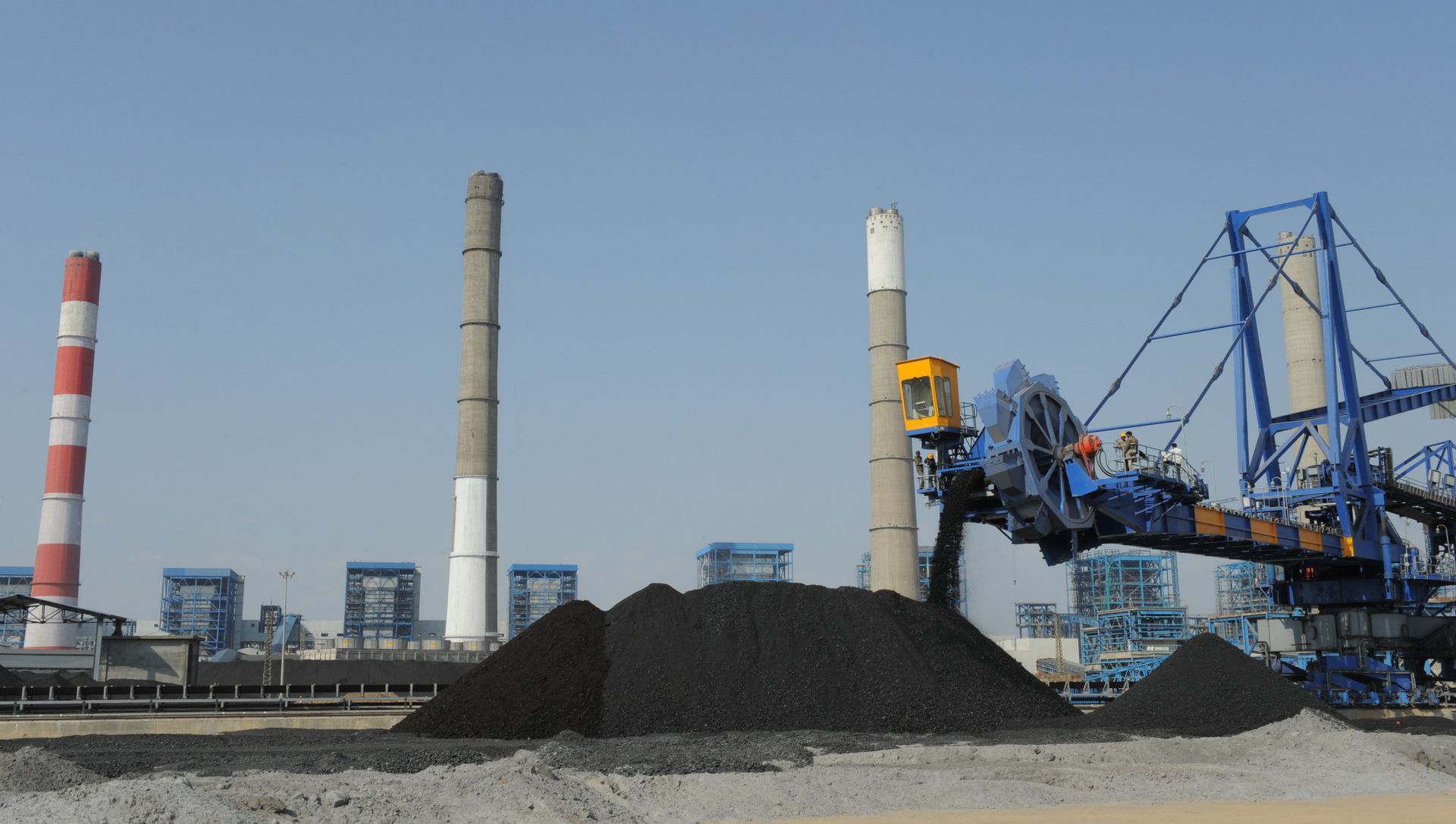
Power plant operators and distribution companies are balking at the cost required for implementing reforms required to cut emission levels to a threshold proposed a year ago by Prime Minister Narendra Modi.
Power generators say it is impractical on the part of the government to expect them to adopt the new norms requiring an additional burden of at least $ 35 billion by December 2017.
The Association of Power Producers had told the government earlier this year that they would be unable to meet the new emission thresholds within the government’s two year deadline. The Central Electricity Authority (CEA) has also raised the flag by pointing out that it will be difficult to simultaneously achieve the twin targets of cutting emissions and achieving rapid economic growth.
The CEA seems to indicate that the Government may be thinking of a new deadline to be implemented in a phased-wise manner. First, particulate matter emissions will be addressed. The next stages will be to achieve reductions in sulphur dioxide emissions followed by oxides of nitrogen.
Thermal power is the mainstay of electricity generation in India. But there has been a crying need to raise efficiency and energy output as also bring down emissions within acceptable limits. Natural gas and nuclear power have been mooted as solutions but both face significant barriers. The major barriers to expansion of nuclear power in India are domestic opposition/land acquisition issues and civil liability dispute with international suppliers.