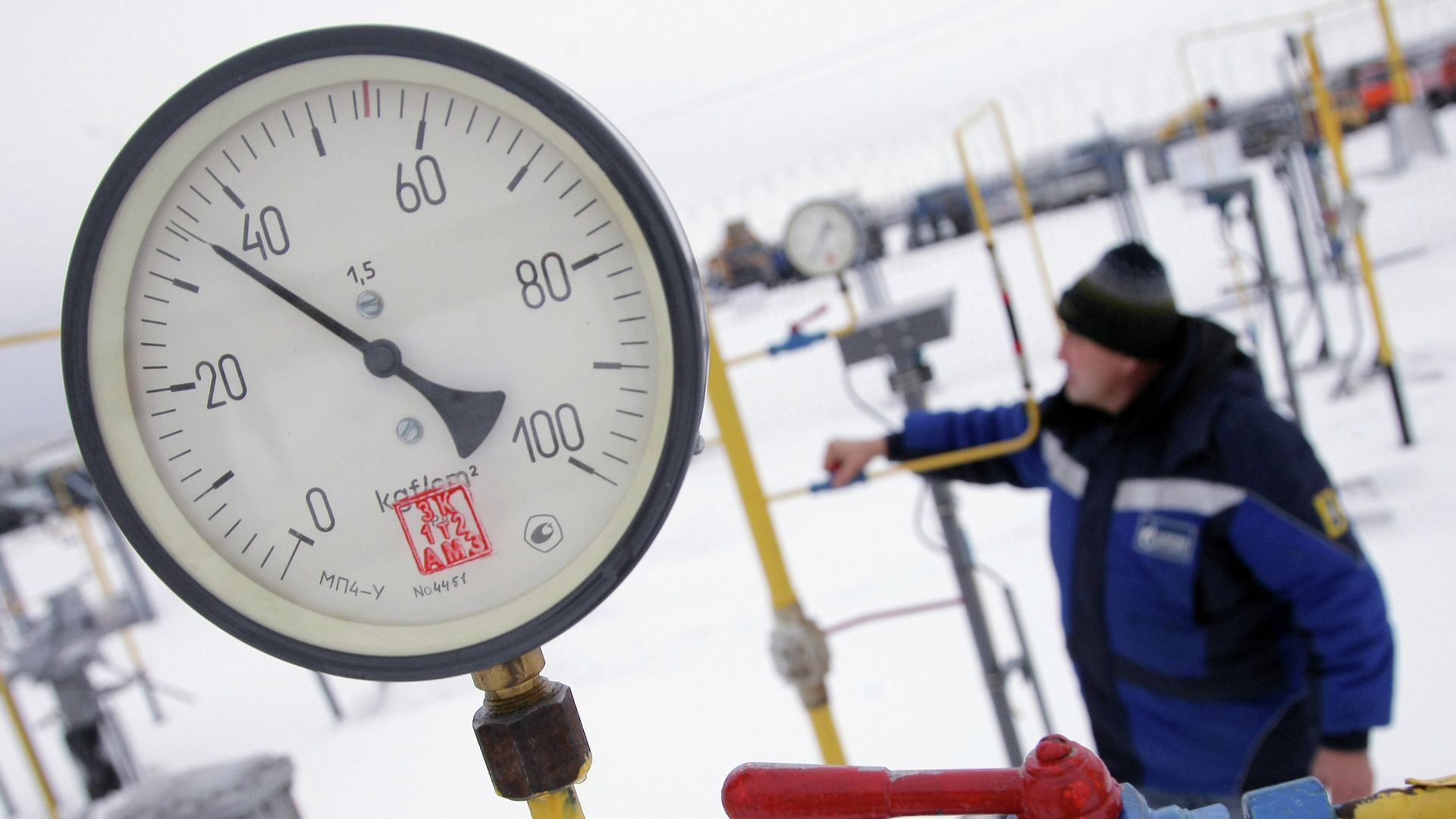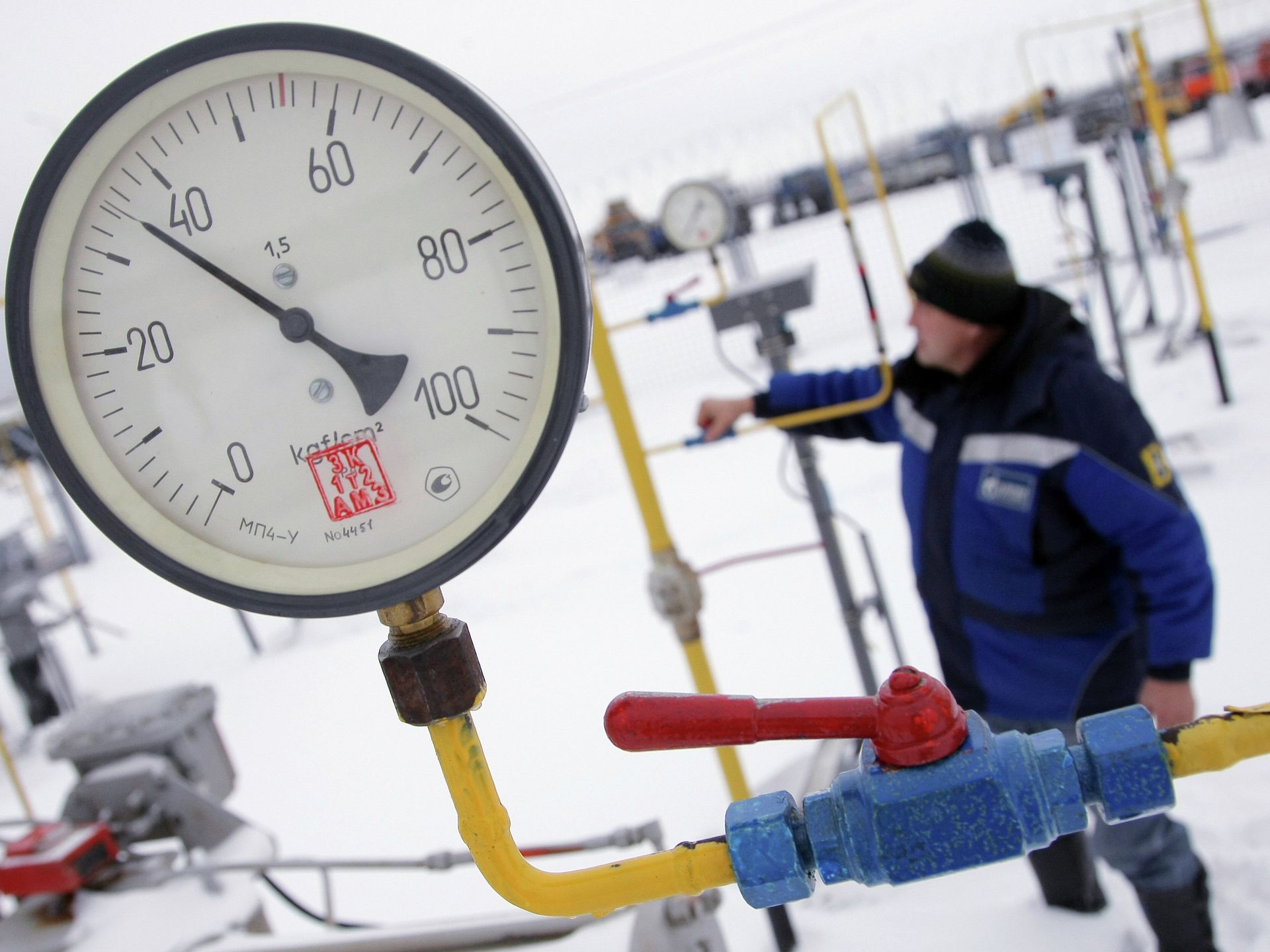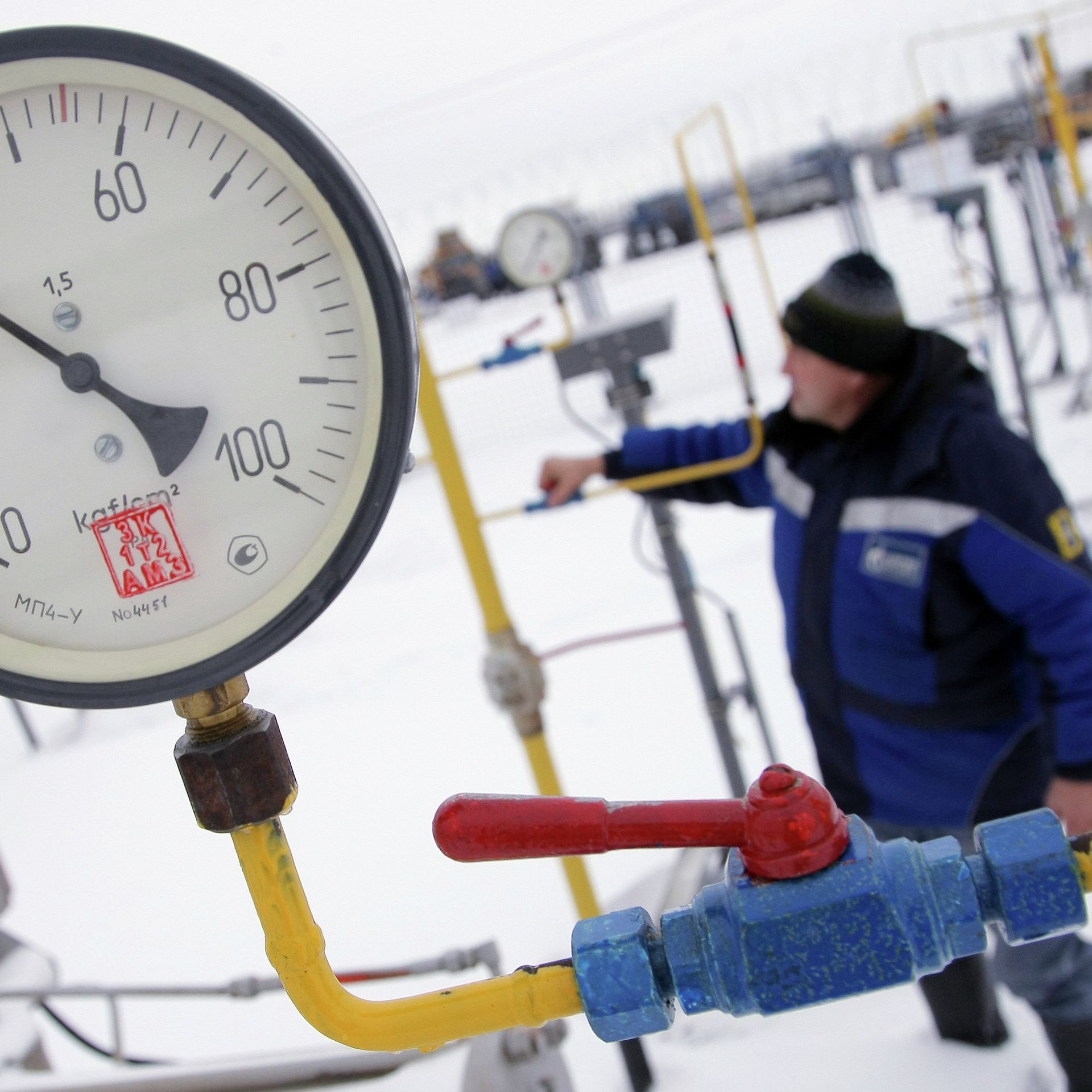
"On top of completing the coal-to-gas conversion projects from 2017, we do not plan to introduce new conversion projects in principle in 2018. When a new source of natural gas supply is secured, after the E’ancang pipeline is completed in 2019 and the natural gas pipeline between China and Russia becomes operational in 2020, we will consider new conversion projects again," the Hebei Development and Reform Commission said in a leaked directive last week, Beijing-based financial publication Caixin reported.
As a large number of Chinese cities have battled deadly air pollution in recent years, the country's authorities launched a pilot program last March, requiring 28 cities in North China to convert their heating systems powered by coal to natural gas.
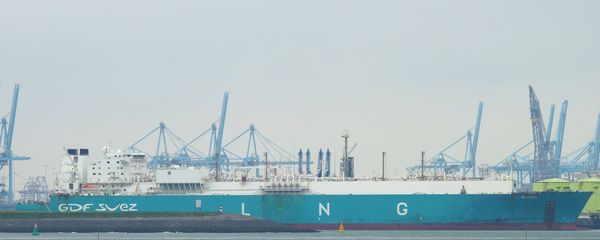
China reached a series of gas supply agreements with Russia in recent years, as Chinese authorities looked to secure additional natural gas supply to meet the nation’s growing demand.
READ MORE: Russian LNG is Likely to See Opportunity in China Amid Gas Shortage — Analysts
In 2014, Russian oil giant Gazprom signed a 30-year framework agreement with China National Petroleum Corporation (CNPC) for annual deliveries of 38 billion cubic meters of Russian gas through the eastern route pipeline, formally known as the Power of Siberia.
Gazprom and CNPC reached an agreement in July to start gas supply through the Power of Siberia on December 20, 2019.
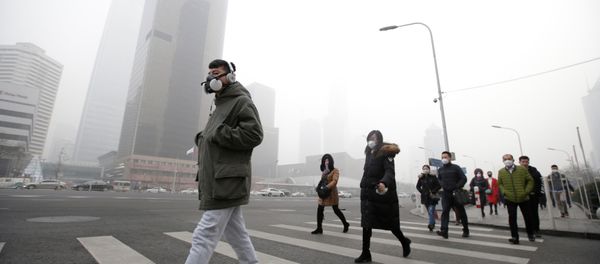
China’s ambitious plan to move away from its reliance on coal looks to have helped improve air quality in cities in Northern China this winter. Official figures from the Ministry of Environmental Protection showed that the average concentration of PM 2.5, a key pollutant that is deadly to humans, dropped by 34.3 percent in the 28 cities in North China in the last three months of 2017, compared to the same period in the previous year. Beijing, the nation’s capital, notorious for its toxic air during the winter, saw its average PM 2.5 levels drop by 53.8 percent from the previous year.