In fact, it is not an EU specific issue – any similar initiative would be "by its very nature doomed," he wrote for Texas-based intelligence firm Stratfor. "It would inevitably encounter insurmountable levels of nationalistic resistance, and eventually the project would stall. … The driving forces within Europe are national in nature, and countries will ultimately put their own interests first."
The "ghost" of the bloc's former self will survive through integration efforts of Germany, France, Belgium, the Netherlands and Luxembourg – five of the union's six original members. This time, however, Italy with its debt and immigration challenges will not be invited to join.
The mini-EU would not be immune to troubles plaguing the existing bloc. "The fateful fact here is that the Franco-German relationship has been one of the major fault lines in the current European Union, meaning that a smaller version of the bloc will be similarly flawed," the analyst warned.
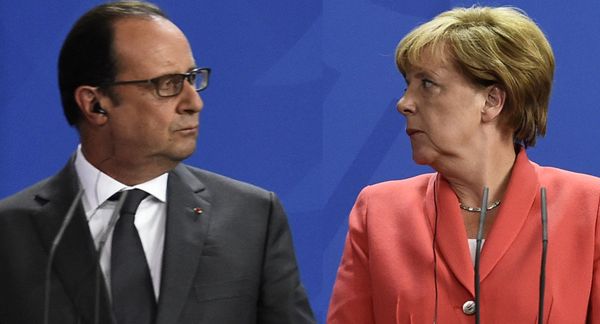
The analyst also noted that Germany's influence will likely decrease in the coming decades, but its trade ties will allow Berlin to play a leading role in a business alliance with its European partners to the east and southeast.
This will be a relationship in which "the free movement of goods and capital is encouraged, but the free movement of people is restricted," Fleming-Williams explained.