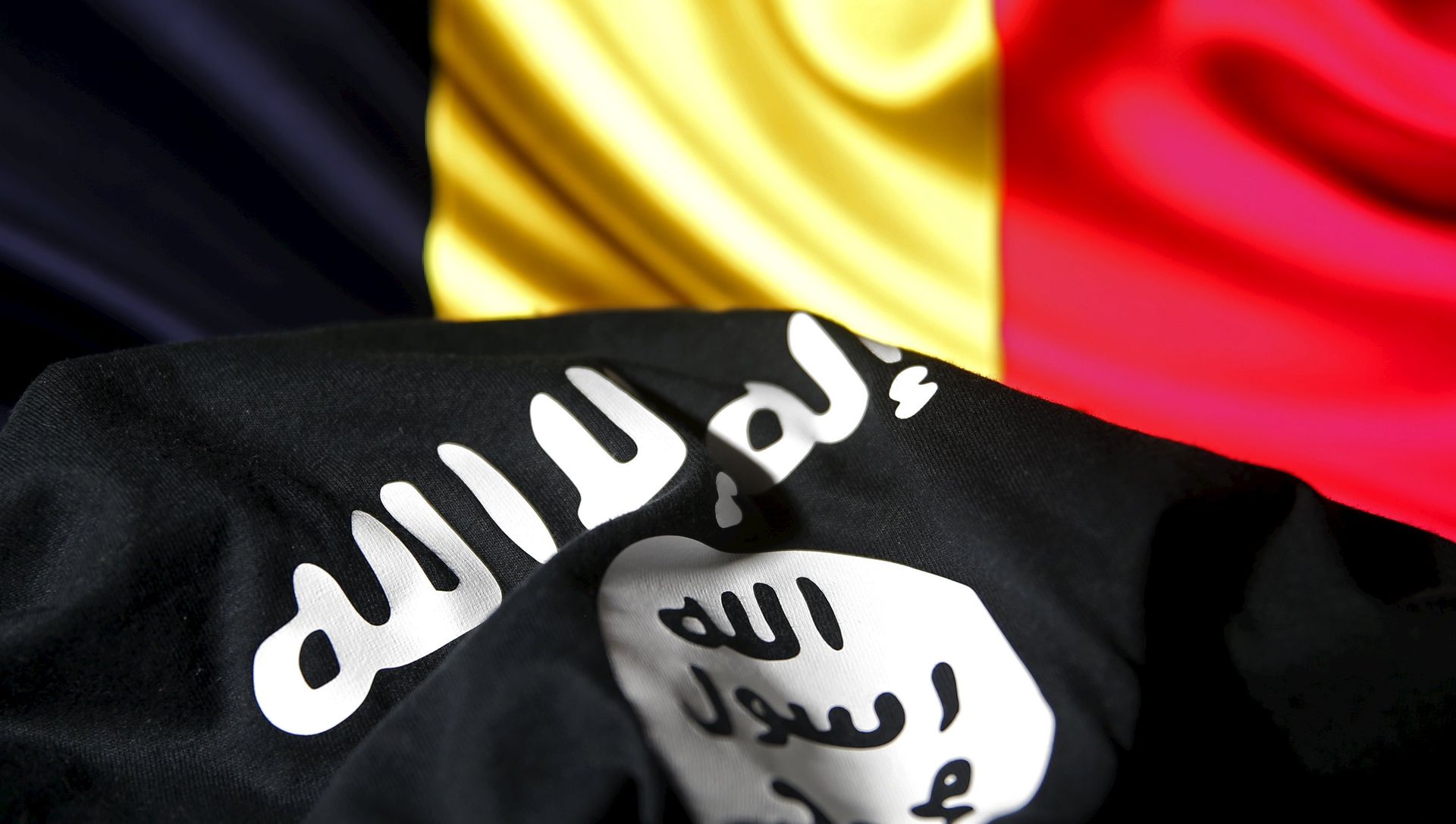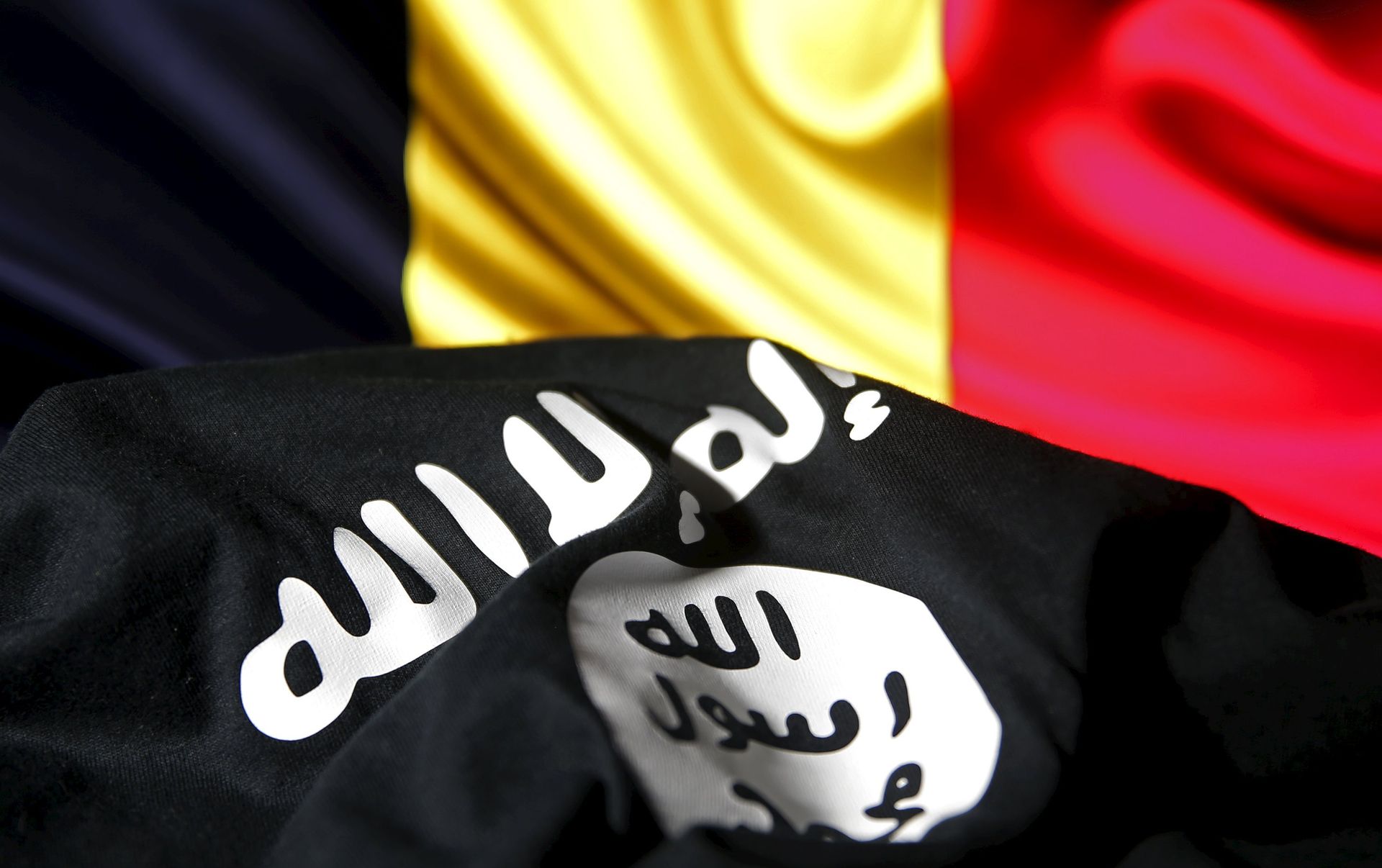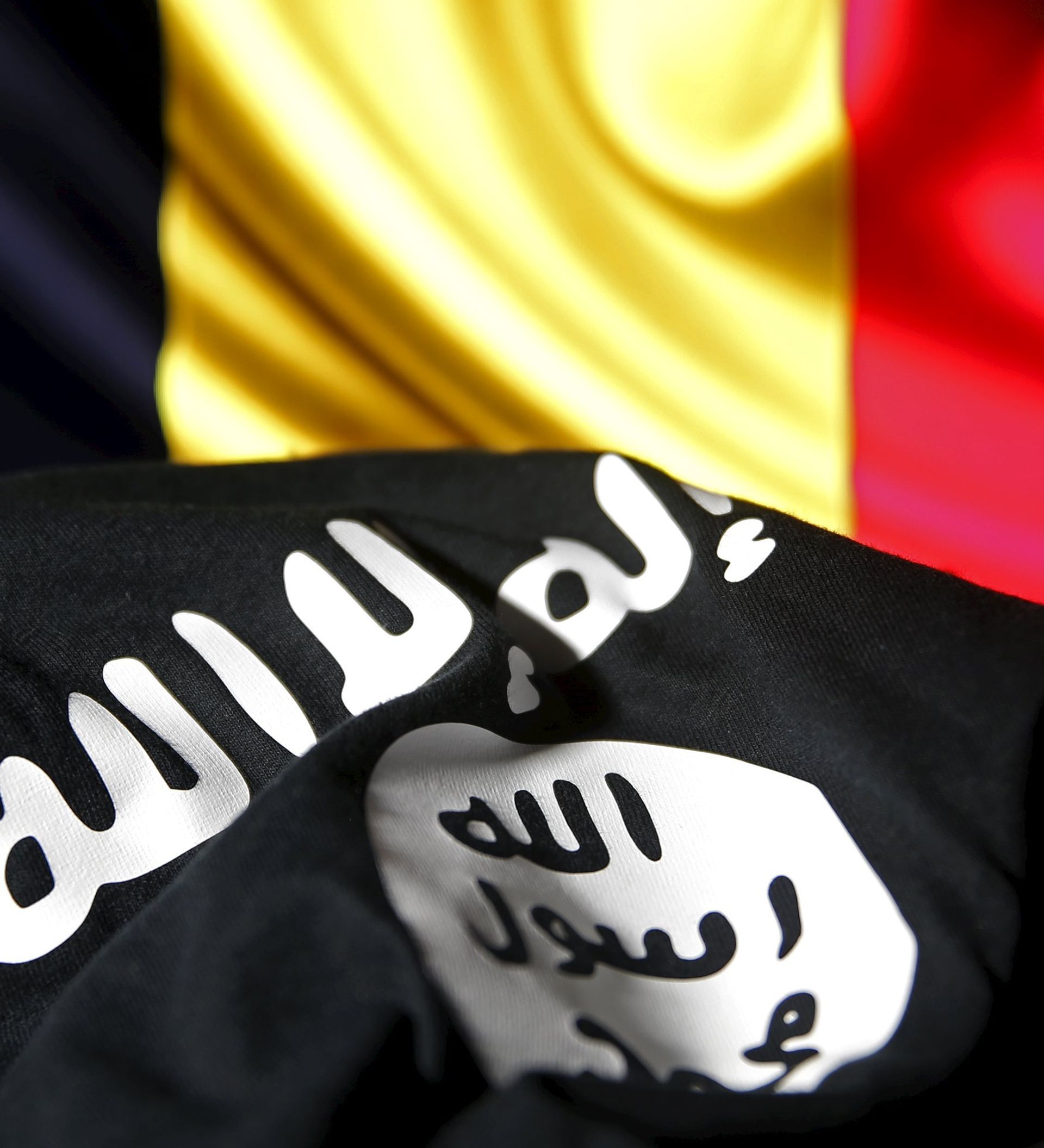
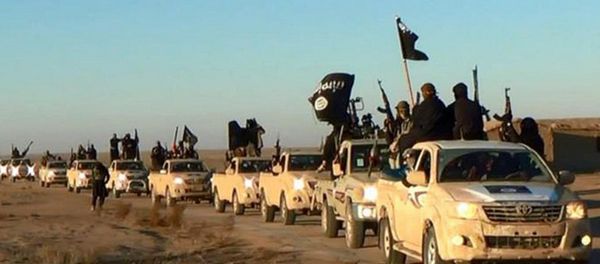
According to the Belgian Interior Ministry's Coordinating Unit for Threat Analysis's (OCAM) database, seen by the Knack newspaper, the list also includes 372 Belgians, as well as Moroccan, French, Algerian and other nationals.
Five of the 29 Russians on the list have dual nationality, also holding a Belgian passport. Eleven of the alleged Russian jihadists are thought to be in Syria or Iraq, while one was arrested on the way to the front line, 13 have returned from the war zone and four others are believed to be on the way to the conflict-torn region.
The majority of the Russians on the list are from the southern Chechnya region, others are from the nearby republics of Dagestan and Ingushetia in the North Caucasus region. All of the Russian citizens on the list are supporters of the Imarat Kavkaz international terror group, which is outlawed in Russia, the paper reported.
The list includes 266 people who are currently in Syria or Iraq, four fighters who are one the way to these countries and 114 people who have returned from combat zones. A little more that 70 people on the list have attempted to join the wars in the Middle East, while another 157 people plan to go to Syria or Iraq, presumably to join terrorist groups active there.
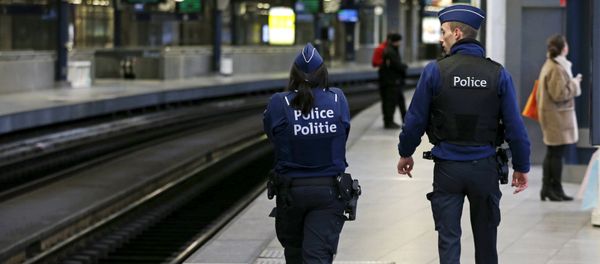
According to the newspaper, the first person on the list joined jihadist ranks in the Middle East in 2012, followed by 12 people per month, with the figures staying the same for 2013. In 2014, 11 people tried to go to Syria or Iraq every month, while in 2015 the numbers reduced to six per month. This year, none of the potential extremists left for the war zone from Belgium, the paper reported.
The paper cited OCAM head Paul Van Tigchelt as saying that about 20 suspects on the list have participated in the preparation of terrorist attacks, including seven who are thought to be linked with the attacks in Paris in November 2015 and in Brussels in March 2016.
The article also provided information on regions of the terror suspects’ residence on the Belgian territory. According to the paper, the largest number of potential jihadists closely watched by OCAD live in the Brussels capital region (56), the provinces of Antwerp province (27), Liege (17), Flemish Brabant (17) and Limburg (13).
The newspaper also noted that the majority of the jihadists in the database are young – in their teens or twenties. The list includes 48 teenagers and 372 people in their twenties.
According to the paper, the database is currently being tested and is not yet being used for operational purposes.
Belgium's terror alert level remains high since the bomb attacks on a Brussels airport and a metro station that killed 32 and injured over 300 people in March. The Daesh jihadist group, outlawed in many countries including Russia, claimed responsibility for the attacks.