On March 30, 1867, a total of 1,519,000 square kilometers was sold for 7.2 million dollars in gold, which was about 4.74 dollars per square kilometer. Interestingly, many Russians believed that Russia didn't transfer the ownership of the land to the US, but leased it on a long-term basis. A great deal of confusion existed about the cost of the deal as well, with many believing that the sum was far less.
1/14
© AP Photo / Becky Bohrer
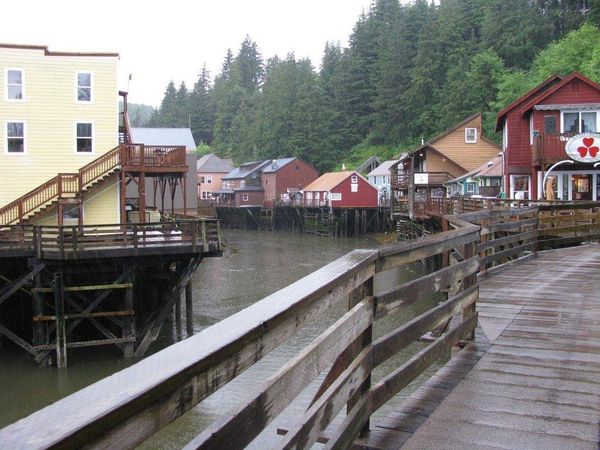
Alaska was discovered August 21, 1732, when the first European vessel that belonged to Russian military geodesist Mihail Gvozdev reached the territory.
2/14
© AP Photo / Dan Joling
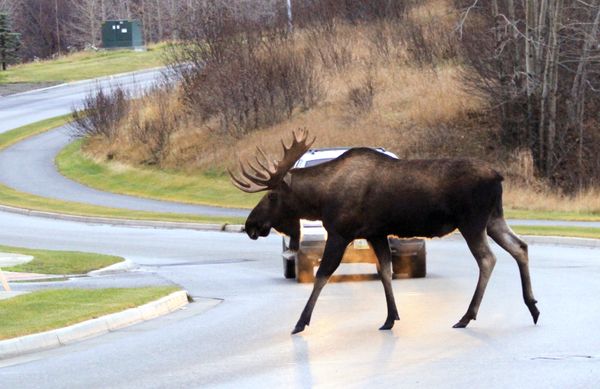
Some researchers believe that the first Russian settlement in Alaska was established in the 17th century.
3/14
© AP Photo / M. Scott Moon
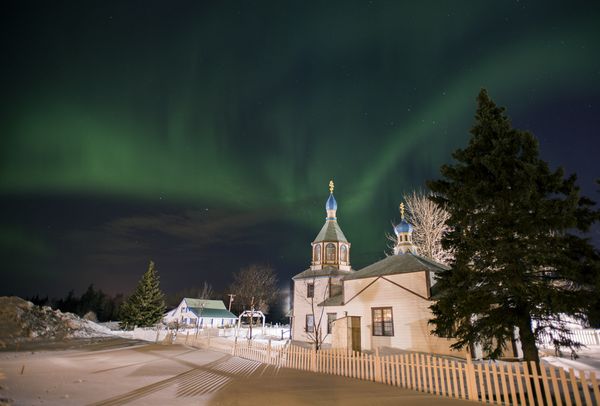
Russian monks came to the island and began to convert local Aleuts to Orthodox Christianity. Completed in 1896, the Holy Assumption of the Virgin Mary Russian Orthodox church in Kenai is one of the oldest-standing Russian Orthodox churches in Alaska and was a major center for the assimilation of the local Native population.
4/14
© AP Photo / Mark Thiessen
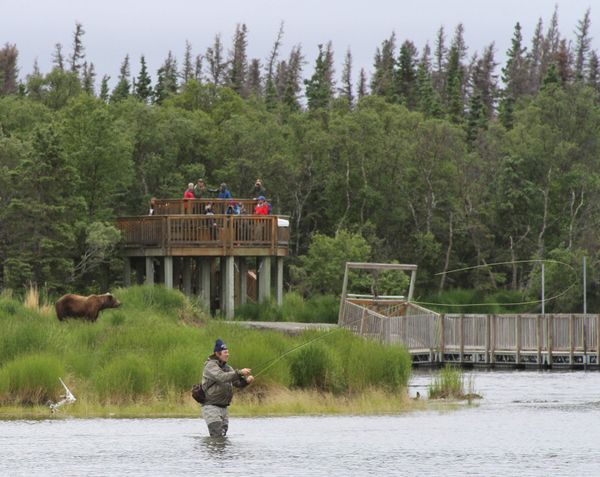
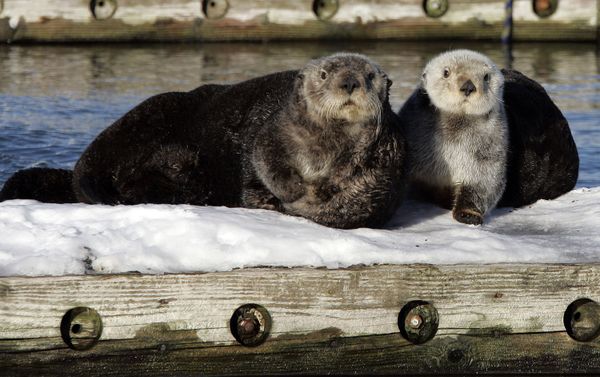
The name "Alaska" was introduced in the Russian colonial period when it was used to refer to the peninsula. It was derived from the Aleutian word Alakshak, which means “great land” or “peninsula.”
5/14
© AP Photo / Al Grillo
In 1799, the city of Novoarkhangelsk (or New Arkhangelsk), which was later renamed Sitka, was established. Soon after the settlement was founded, about 200 Russians and 1,000 Aleuts lived in the city, which was the capital of Russian America.
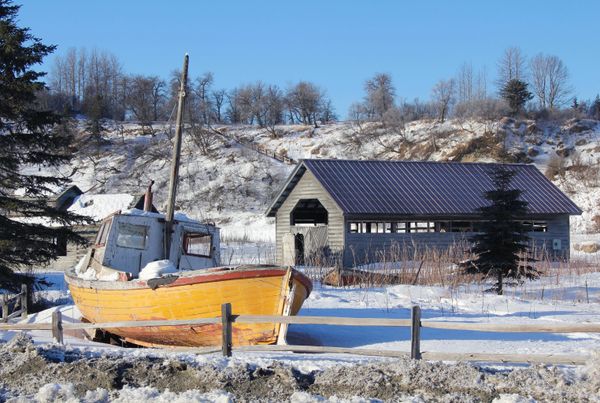
Ninilchik, a small settlement west of the Kenai Peninsula, is believed to hanve be founded in 1844 by Russian colonists. Locals spoke a Ninilchik dialect of Russian. Today, the dialect is almost forgotten and it is only studied by Russian and American linguists.
7/14
© AP Photo / Kathy Matheson
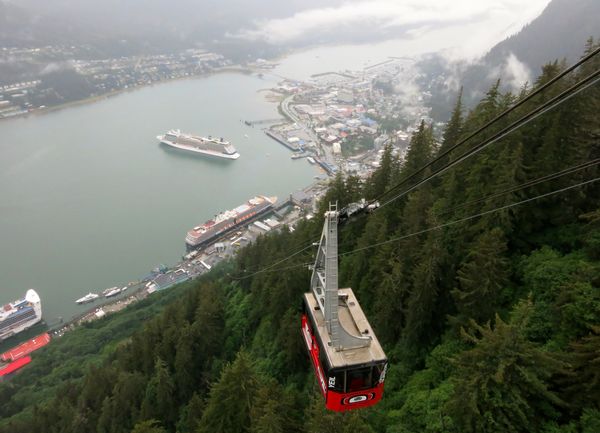
Juneau, the modern Alaskan capital, was founded in 1881, shortly after the discovery of gold mines in this area. The city received its name after the famous prospector Joseph Juneau.
8/14
© AP Photo / Becky Bohrer
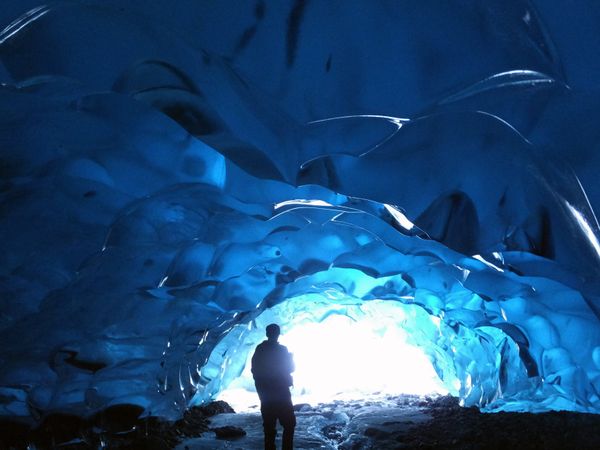
Now, Alaska is the largest by area and the least densely populated of all US states.
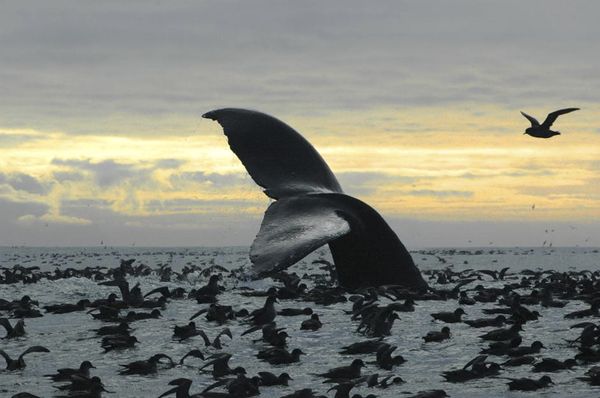
9/14
© AP Photo / Brenda Rone/National Oceanic and Atmospheric Administration
In July, there is a lot of herring and krill along the southeast coast of Alaska, which is why humpback whales migrate there to hunt.
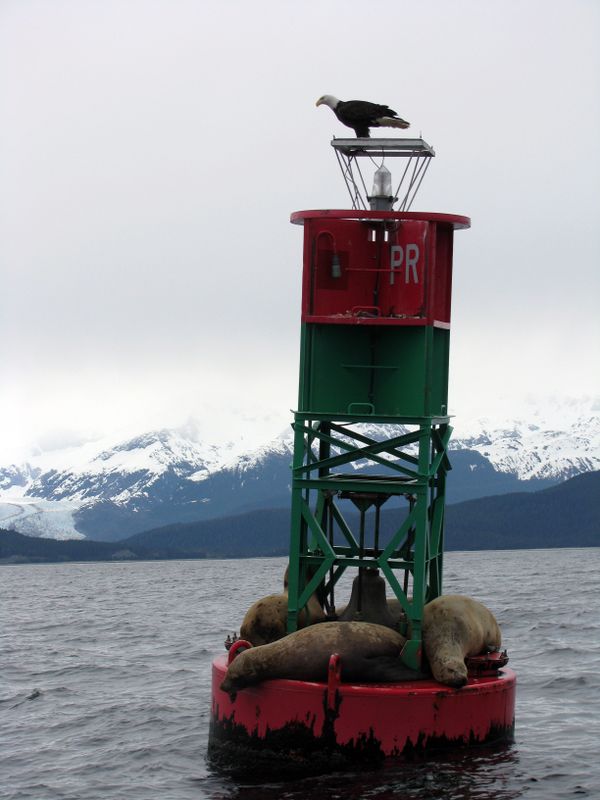
10/14
© AP Photo / Becky Bohrer
In addition to humpback whales, these areas have the majority of the world’s population of Steller sea lions. Recently, these sea lions were recognized as near threatened species.
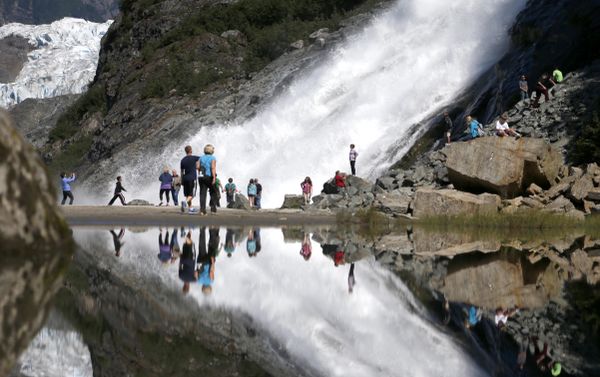
11/14
© AP Photo / Charles Rex Arbogast
The Tongass National Forest in southeastern Alaska is the largest forest in the United States. It contains numerous fjords, glaciers and peaks of the Coast Range and islands of the Alexander Archipelago.
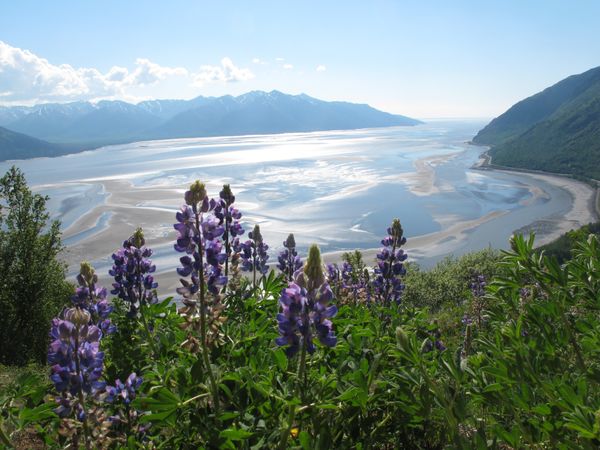
12/14
© AP Photo / Dan Joling
Chugach State Park contains approximately 495,000 acres of land and is one of the four largest state parks in the US. This is one of the most popular places among locals and tourists for outdoor activities.
13/14
© AP Photo / Klas Stolpe, FILE
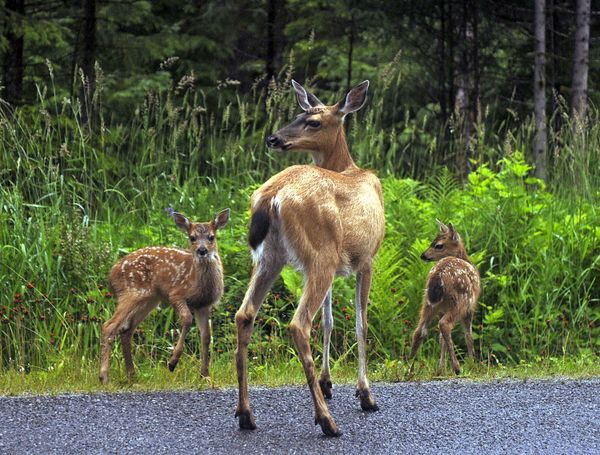
Mitkof Island is part of the Alexander Archipelago, named after Russian explorer Prokofy Mitkov. The island’s main town is the settlement of Petersburg. In the 19th century, Peter Buschmann, a Norwegian immigrant, settled here, building a cannery, sawmill, docks and early structures. The settlement was named Petersburg after him, and it flourished as a fishing port.
14/14
© AP Photo / Mark Thiessen
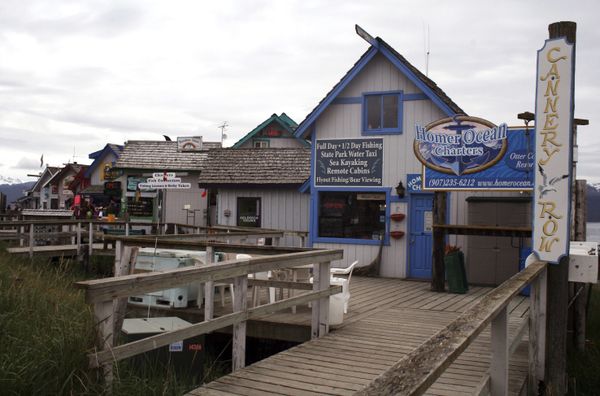
The Homer Spit is a geographical landmark located in Homer, a city located in Kenai Peninsula Borough in Alaska. The Spit features the longest road into ocean waters in the entire world, taking around 10–15 minutes to travel by car.