Russia’s First Aardvarks Arrive at Yekaterinburg Zoo
Russia’s First Aardvarks Arrive at Yekaterinburg Zoo
Sputnik International
Russia’s first aardvarks have arrived at Yekaterinburg Zoo. These rare animals have the body of an anteater, the ears of a rabbit, the snout of a pig and the... 15.05.2012, Sputnik International
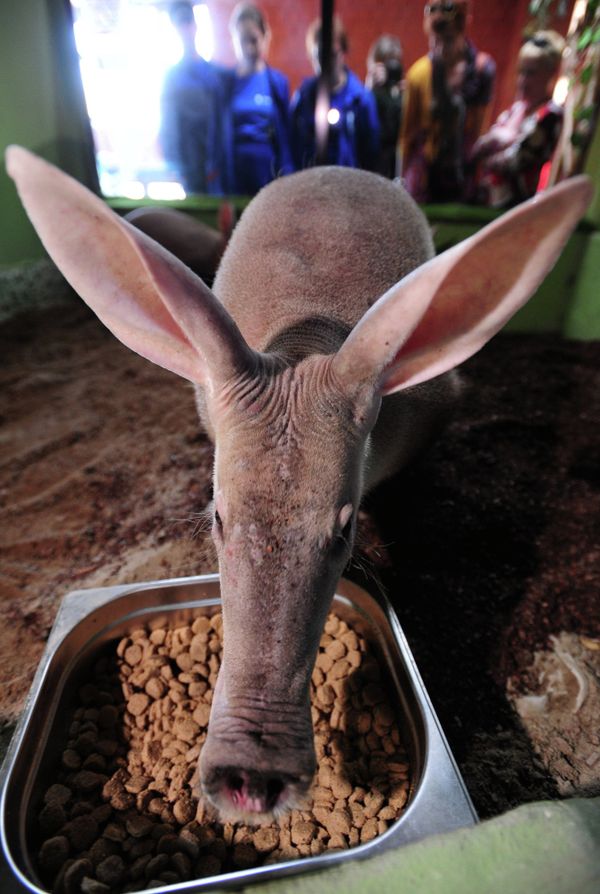
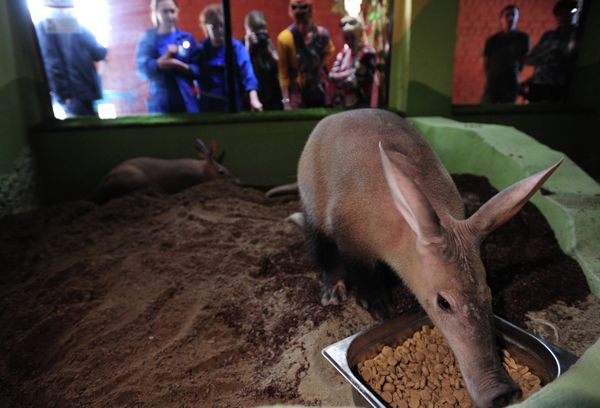
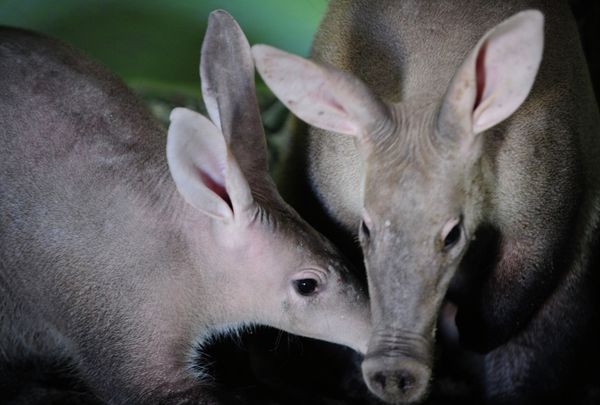
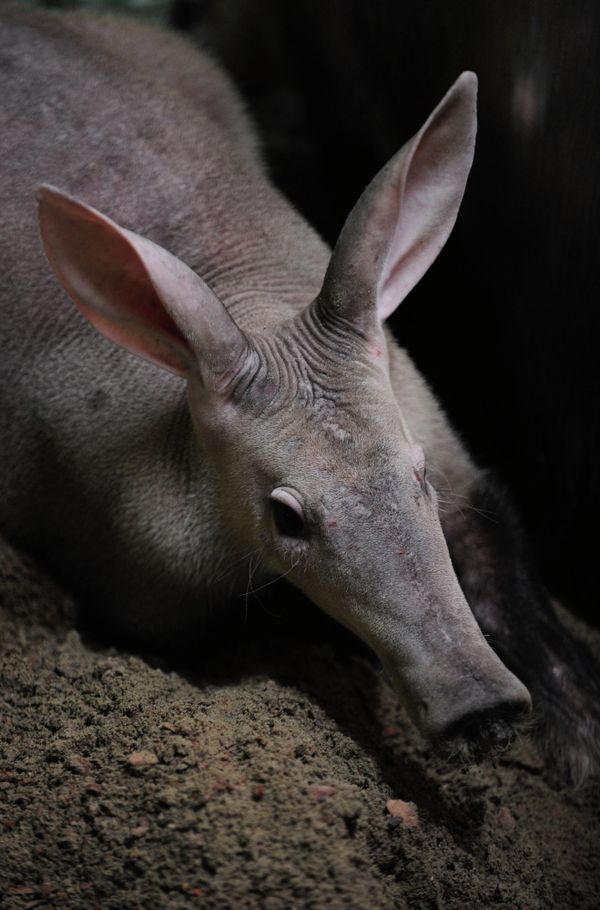
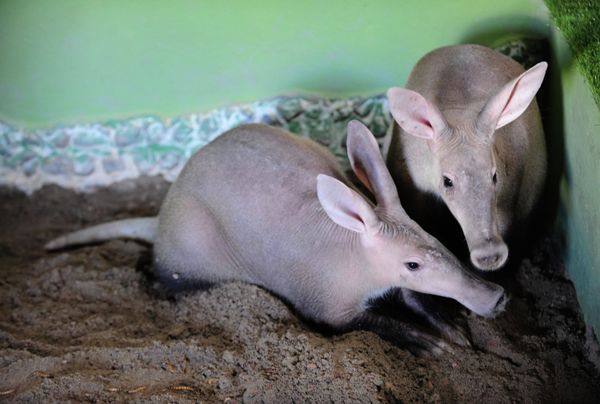
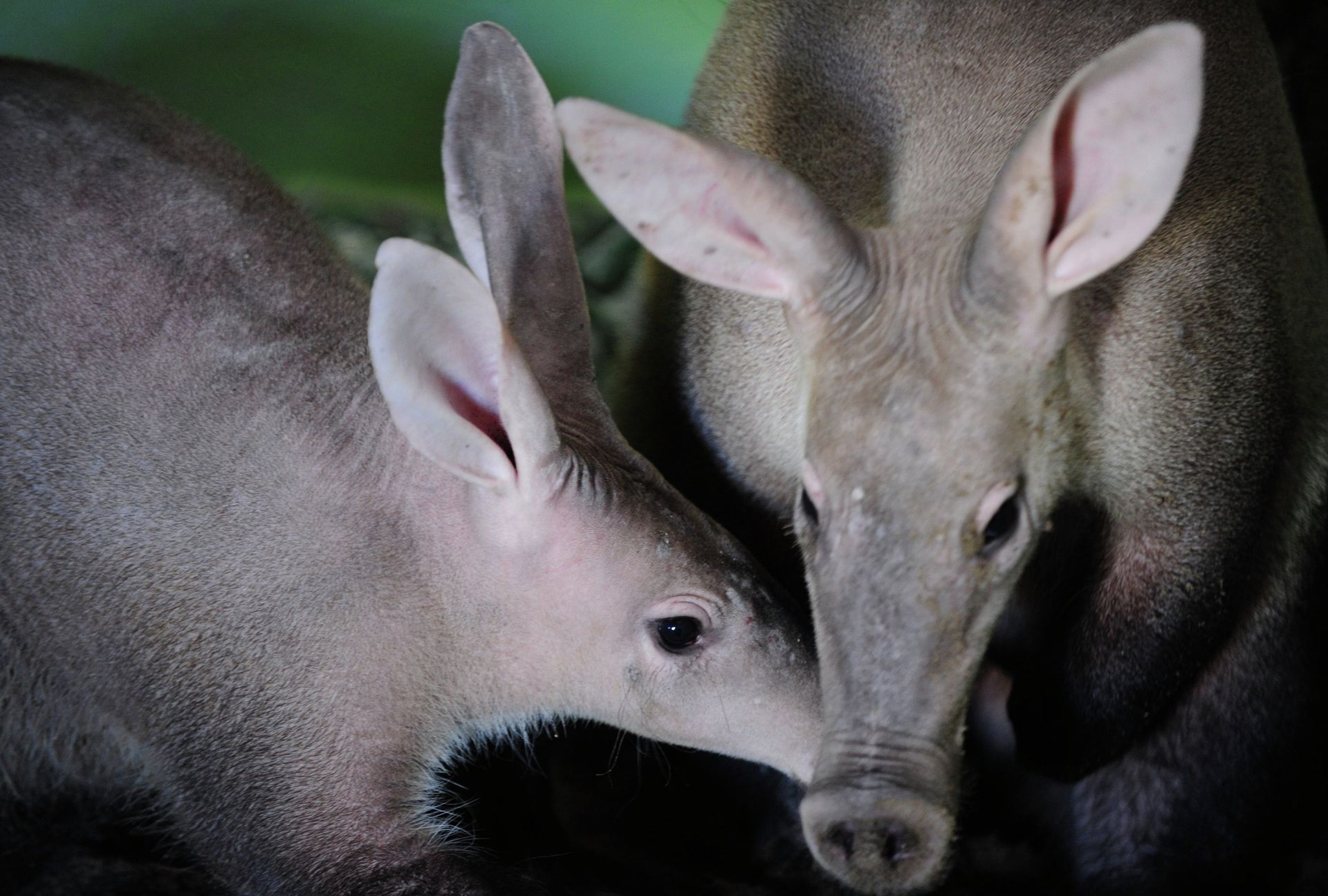
Russia’s first aardvarks have arrived at Yekaterinburg Zoo. These rare animals have the body of an anteater, the ears of a rabbit, the snout of a pig and the tail of a kangaroo. There are no aardvarks at other Russian zoos. In all, only about 90 aardvarks live in captivity worldwide.
Russia’s first aardvarks have arrived at Yekaterinburg Zoo. These rare animals have the body of an anteater, the ears of a rabbit, the snout of a pig and the tail of a kangaroo. There are no aardvarks at other Russian zoos. In all, only about 90 aardvarks live in captivity worldwide.
Russia’s first aardvarks have arrived at Yekaterinburg Zoo. These rare animals have the body of an anteater, the ears of a rabbit, the snout of a pig and the tail of a kangaroo. There are no aardvarks at other Russian zoos. In all, only about 90 aardvarks live in captivity worldwide.
The little-studied aardvark is the only representative of the order Tubulidentata. The aardvark owes its name to a unique tooth structure. In fact, its teeth are clusters of vasodentin tubes without enamel or roots. Such teeth grow during their entire life.
The aardvark owes its name to the fact that it is an excellent digger and to a neat-looking disk at the end of its elongated snout. It takes an aardvark five minutes to dig a hole one meter deep.
Aardvarks are quite large. Their bodies are 100 to 150 centimeters long. They stand up to 65 centimeters tall at the shoulder and weigh up to 80 kilograms. The aardvark’s front paws have four fingers each with large claws. And its rear paws have five fingers each. Zoo attendants hope to breed more aardvarks and to deliver them to other zoos nationwide.
Newsfeed
0
Access to the chat has been blocked for violating the rules .
You will be able to participate again through:∞.
If you do not agree with the blocking, please use the feedback form
The discussion is closed. You can participate in the discussion within 24 hours after the publication of the article.