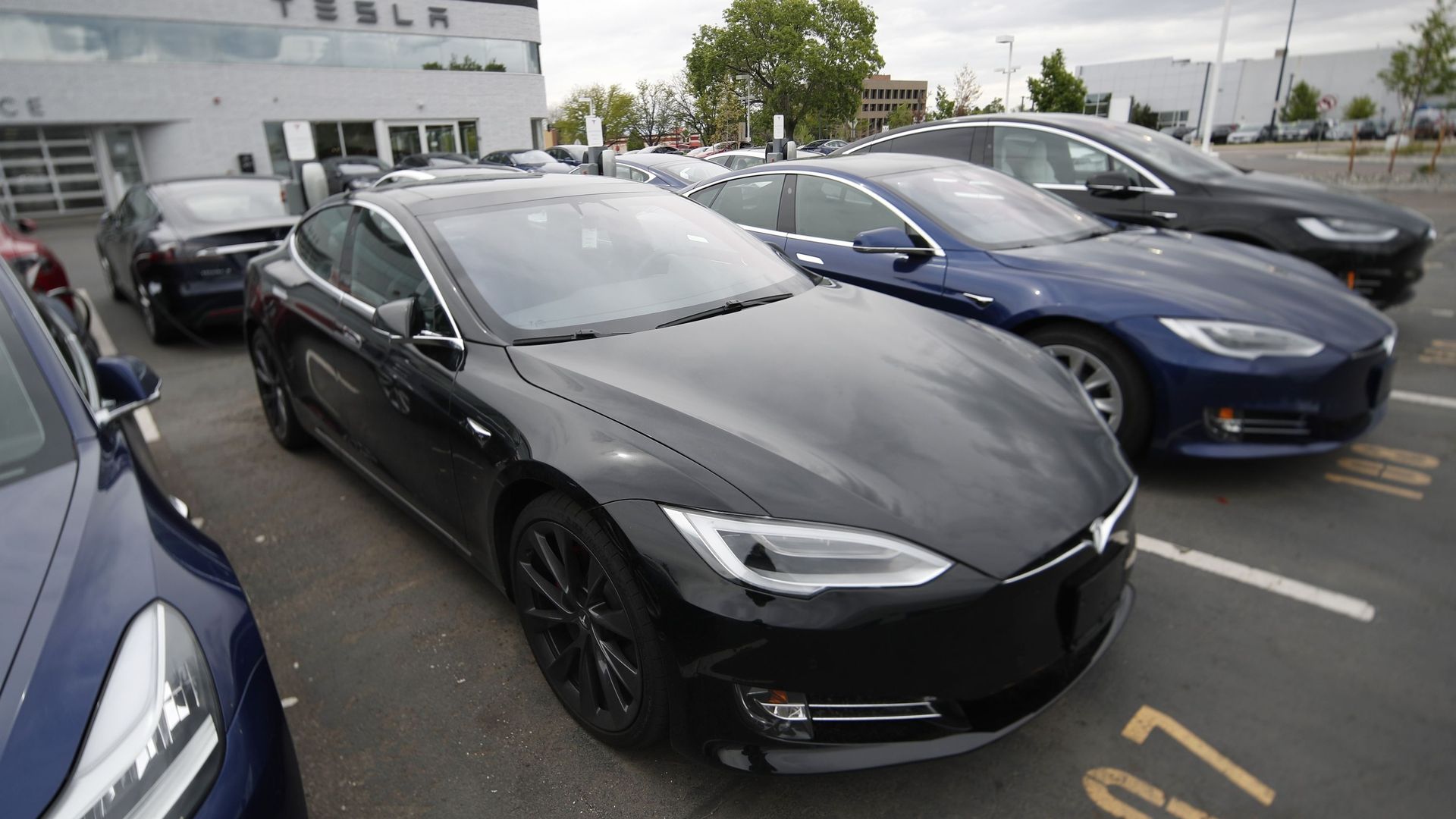
The petition covers Tesla Model S 2012 through 2019, 2016 through 2019 Tesla Model X, and 2018 through 2019 Tesla Model 3 vehicles, citing “127 consumer complaints to NHTSA involving 123 unique vehicles,” according to the agency. The reports include 110 crashes and 52 injuries, which listed more than 100 complaints included in the petition.
The redacted version, released by NHTSA, said that “Tesla vehicles experience unintended acceleration at rates far exceeding other cars on the roads” and urged NHTSA “to recall all Model S, Model X and Model 3 vehicles produced from 2013 to the present.”
The company said in a blog post on Monday that Teslas only accelerate when you want them to, adding that “this petition is completely false and was brought by a Tesla short-seller.”
The company added that it had previously discussed the majority of the cases with the NHTSA and in every case the car was responding to driver inputs, either intentional or not, and not accelerating on its own. Tesla cars and SUVs have numerous sensors that can detect and record the data while driving, and in many cases when drivers alleged that the car had accelerated on its own, the driver was actually pressing on the accelerator pedal and not the brake.
"While accidents caused by a mistaken press of the accelerator pedal have been alleged for nearly every make/model of vehicle on the road, the accelerator pedals in Model S, X and 3 vehicles have two independent position sensors, and if there is any error, the system defaults to cut off motor torque In other words, the car accelerates if, and only if, the driver told it to do so," the company said in its blog post, "and it slows or stops when the driver applies the brake."
NHTSA's office, which investigates such complaints, said Friday that it is looking into the allegations. It has not yet said if it is going to initiate a formal defect investigation.