International forces in Afghanistan have failed to tackle drug trafficking during their nine-year military presence, Russia's chief anti-narcotics official said on Wednesday, reflecting Moscow's concern.
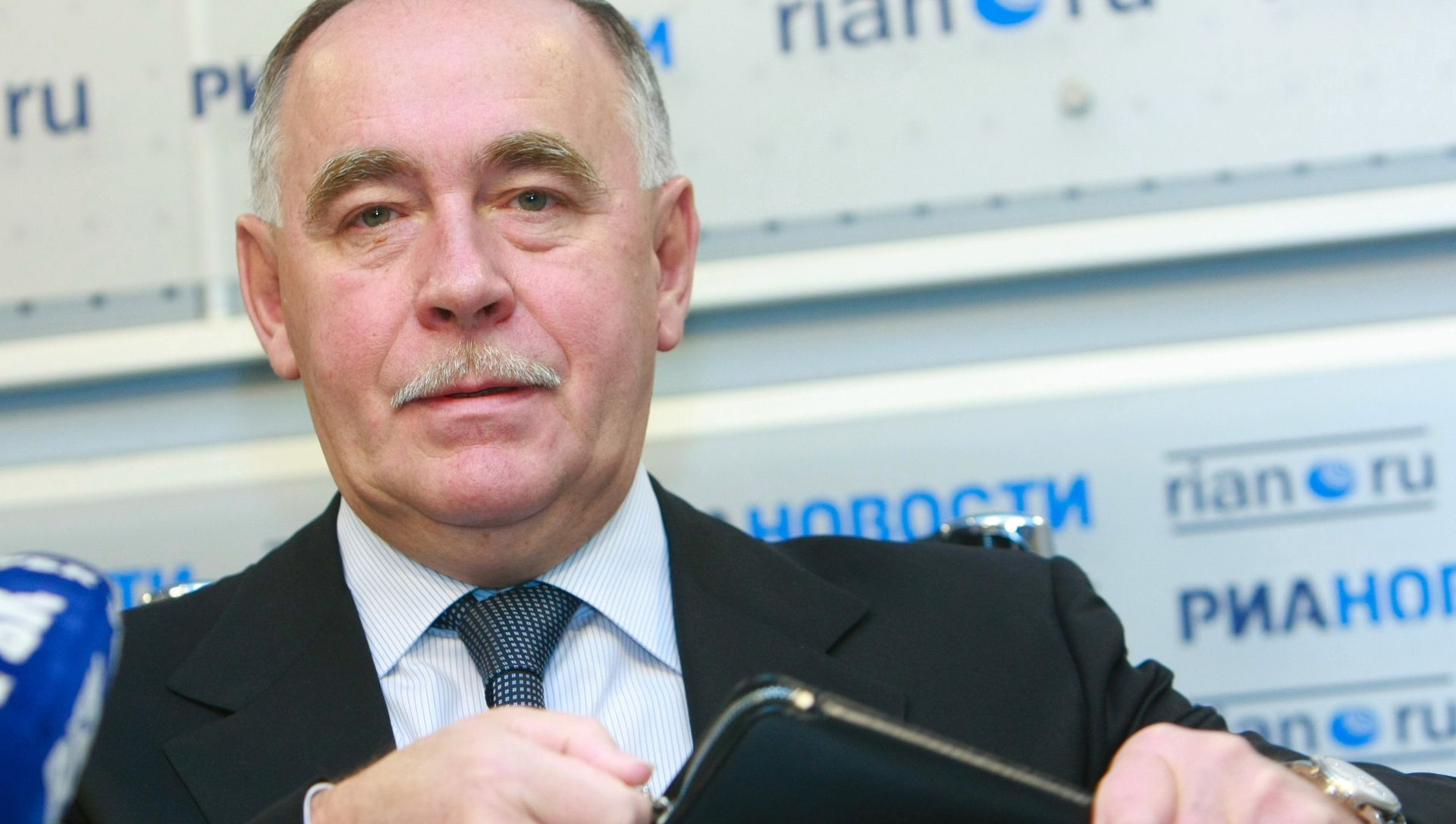
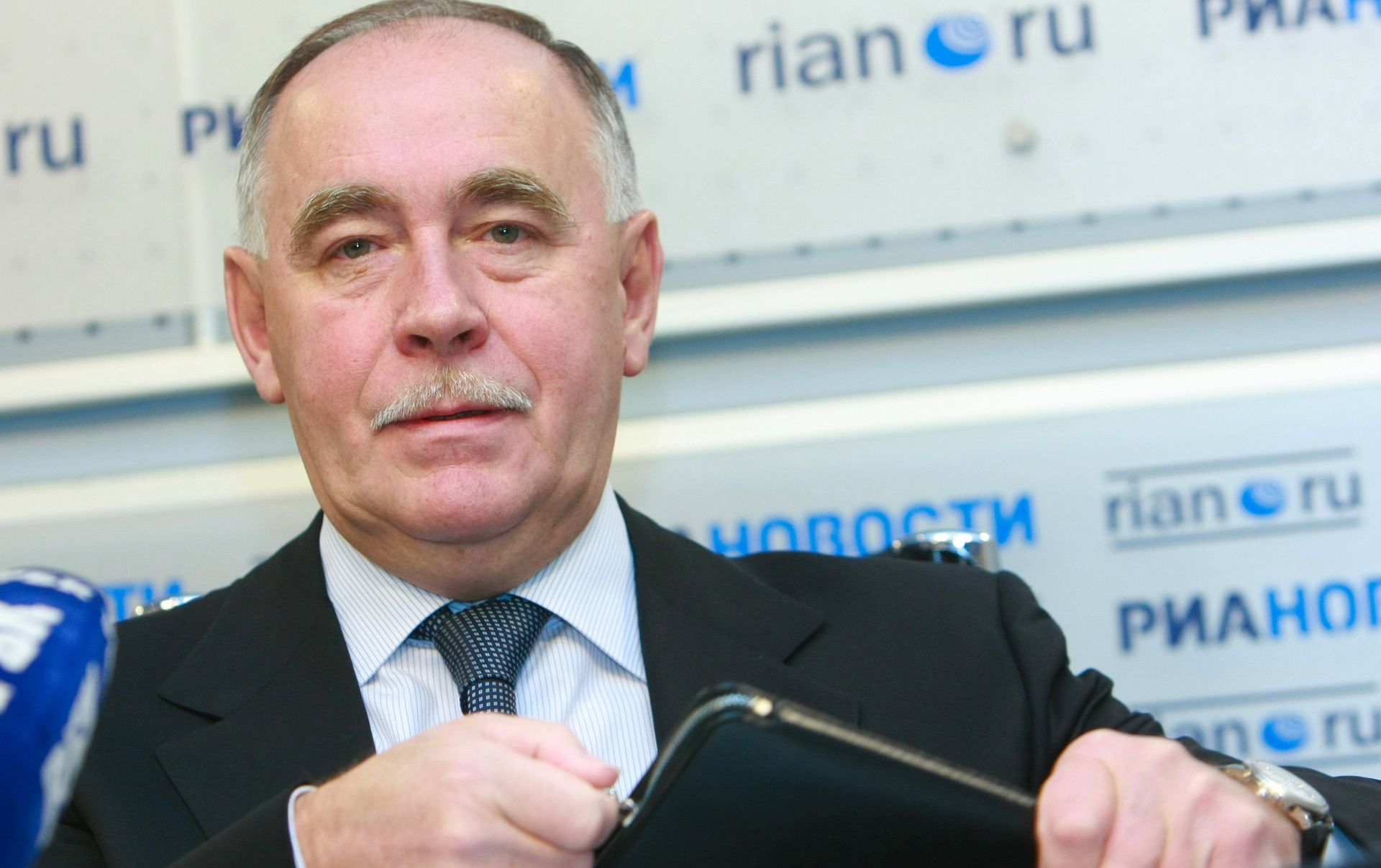
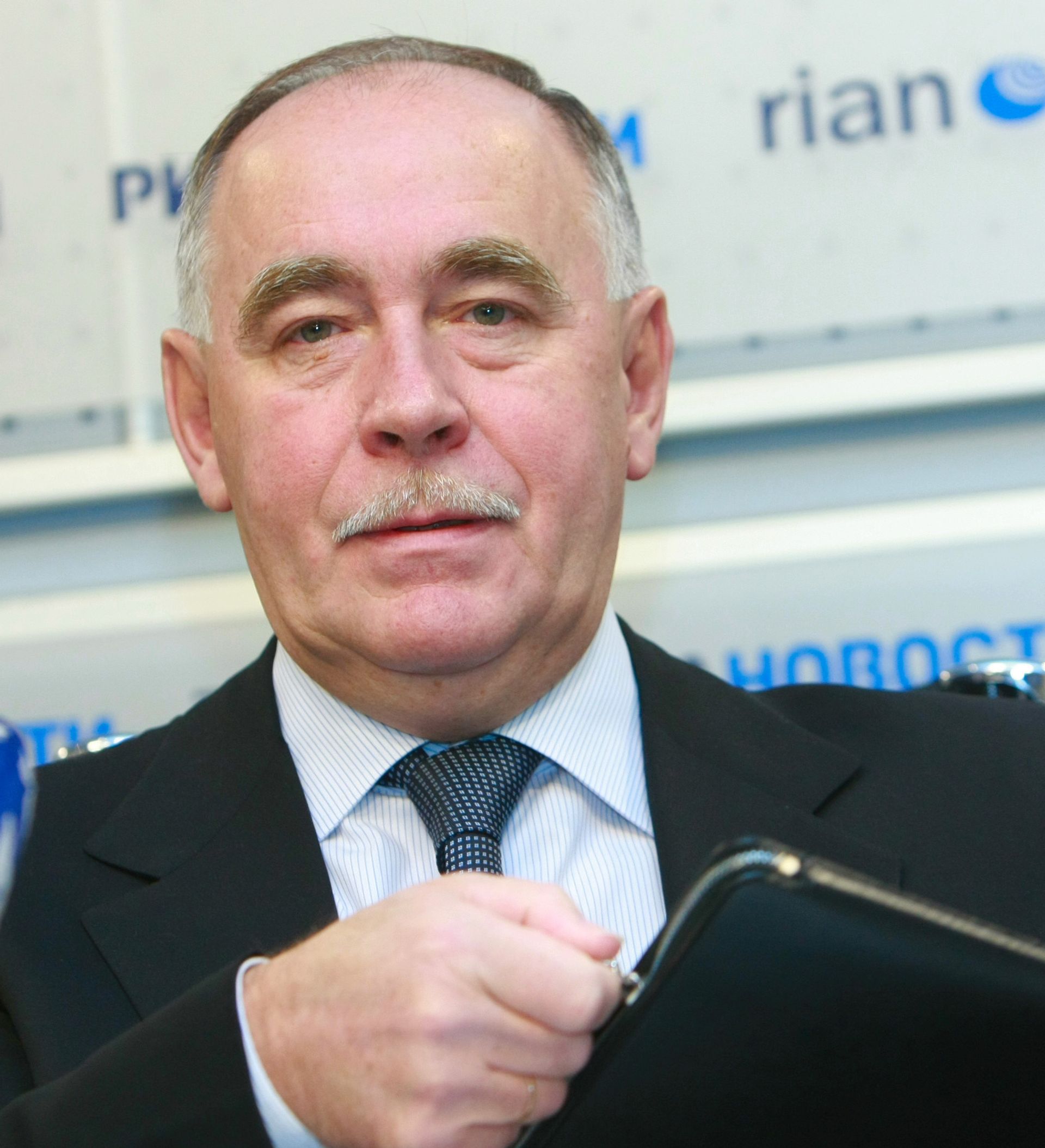
"Whereas drug production in Afghanistan has increased 40 times during the last 10 years in the presence of international troops, the previous year saw only a dramatic decline in the volume of confiscated drugs," said Viktor Ivanov, the director of the Federal Drug Control Service.
"The number of arrests of drug dealers has likewise dwindled 13 times, and the number of drug laboratories 10 times in the last three years," he went on, adding that the policy may have serious ramifications for the West's peace efforts in Afghanistan.
Earlier, Ivanov expressed deep concern over the alarming rise in the flow of drugs from Afghanistan into Dagestan in Russia's volatile North Caucasus region, leading to increases in crime and terrorist activity.
He noted that over the past years the United Nations had shirked its responsibilities in implementing an anti-drug program in Afghanistan, leaving it to NATO, which in turn had passed the issue on to local authorities.
"The main emphasis should therefore be laid on improving mechanisms of international cooperation, because without cooperation it will be virtually impossible to effectively tackle... the drug situation within the country," Ivanov said.
Afghanistan produces more than 90% of the world's opium, the main raw material for heroin and a major source of revenue for the Taliban-led insurgency in the country.
Afghan opium production increased dramatically after the U.S.-led invasion that toppled the Taliban in 2001, and Russia has been one of the most affected countries, with heroin consumption rising steeply.
Russia's envoy to NATO, Dmitry Rogozin, described "heroin aggression" as "the main threat to Russia," and last month Moscow urged NATO to prioritize the fight against drug trafficking in Afghanistan.
MOSCOW, March 3 (RIA Novosti)