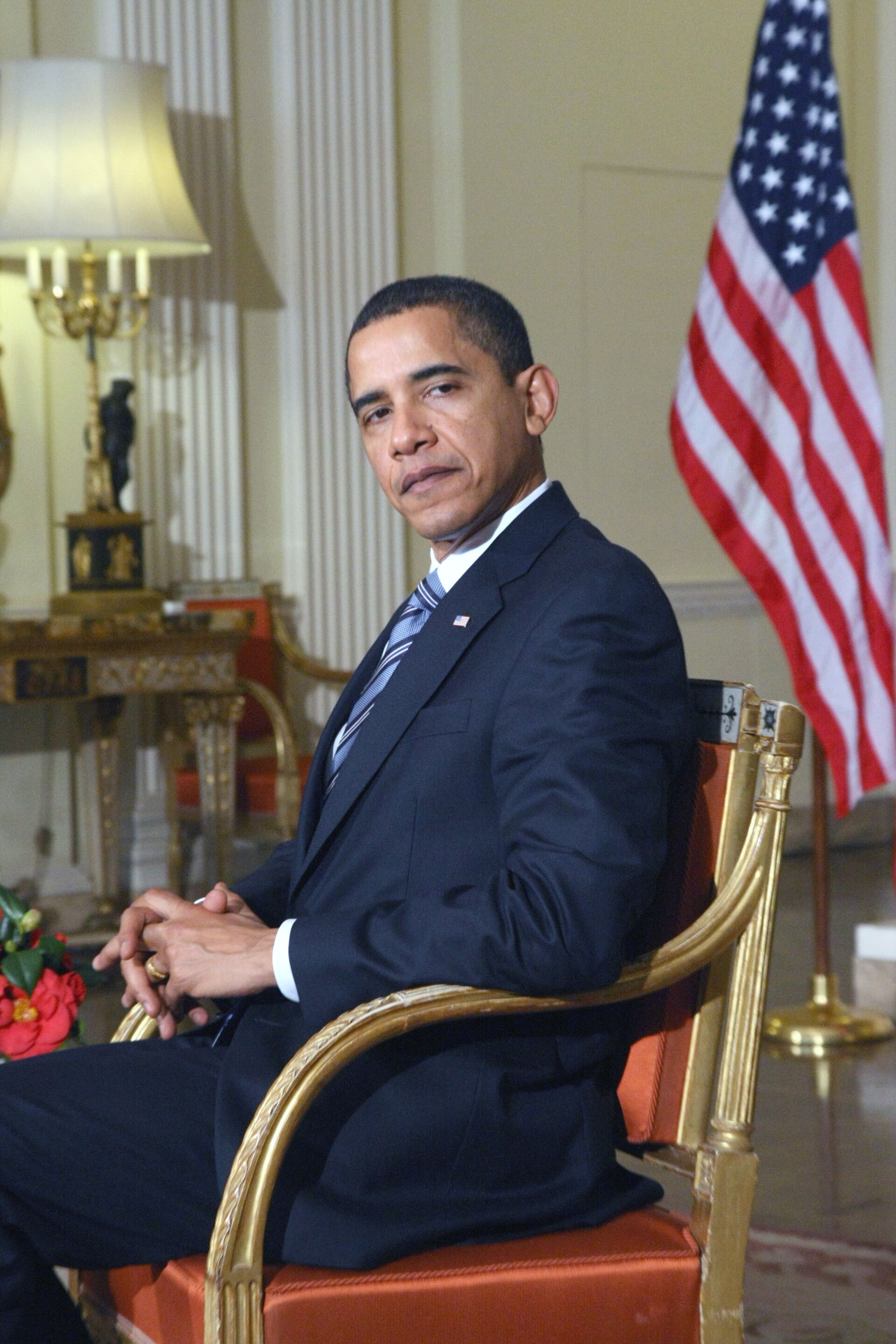
MOSCOW, May 26 (RIA Novosti) - U.S. President Barack Obama's efforts to mediate the Israeli-Palestinian conflict have encountered opposition from both Israel's new leadership and Palestinian hardliners, a leading Russian analyst said.
"The center of gravity in both camps, in Israel and the Palestinian Authority, appears to have shifted to those forces that oppose reaching a settlement," Georgy Mirsky, a senior researcher at the Institute of World Economy and International Relations, said.
Obama is due to meet with Palestinian President Mahmoud Abbas in Washington on May 28 to discuss the resumption of peace talks with Israel and the cessation of settlement construction by Israel in the West Bank.
Obama has pushed for a "two-state solution" in the conflict, but Israeli Prime Minister Benjamin Netanyahu is calling for a tougher stance toward the Palestinians, in contrast to his predecessor Ehud Olmert's support for Palestinian statehood.
Obama met with Netanyahu earlier this month, their first meeting since each of them took office this year.
"Obama is very unlucky to have to deal with a government in Israel that is opposed to any realistic proposals that could lead to the creation of a Palestinian state.... and Hamas has grown stronger in recent years in the Palestinian Authority."
"Observers agree that [Hamas leader] Ismail Haniyeh could have replaced Abbas as Palestinian leader if a presidential election was held now," Mirsky said.
"With Hamas on one side and Netanyahu, and especially [his deputy Avigdor] Lieberman with his party on the other, we can only feel sorry for Obama," he said.
Peace talks between Israel and the Palestinian Authority were halted after the start of a 22-day Israeli offensive against Hamas based in the Gaza Strip that ended on Jan. 18.
Obama has taken steps to improve relations with Arab countries, reiterating his message that "the U.S. is not at war with Islam."
Netanyahu's White House visit came a week before Obama hosted Egyptian President Hosni Mubarak to discuss Middle East peace efforts. Jordan's King Abdullah II was in Washington in April to meet with the U.S. leader.