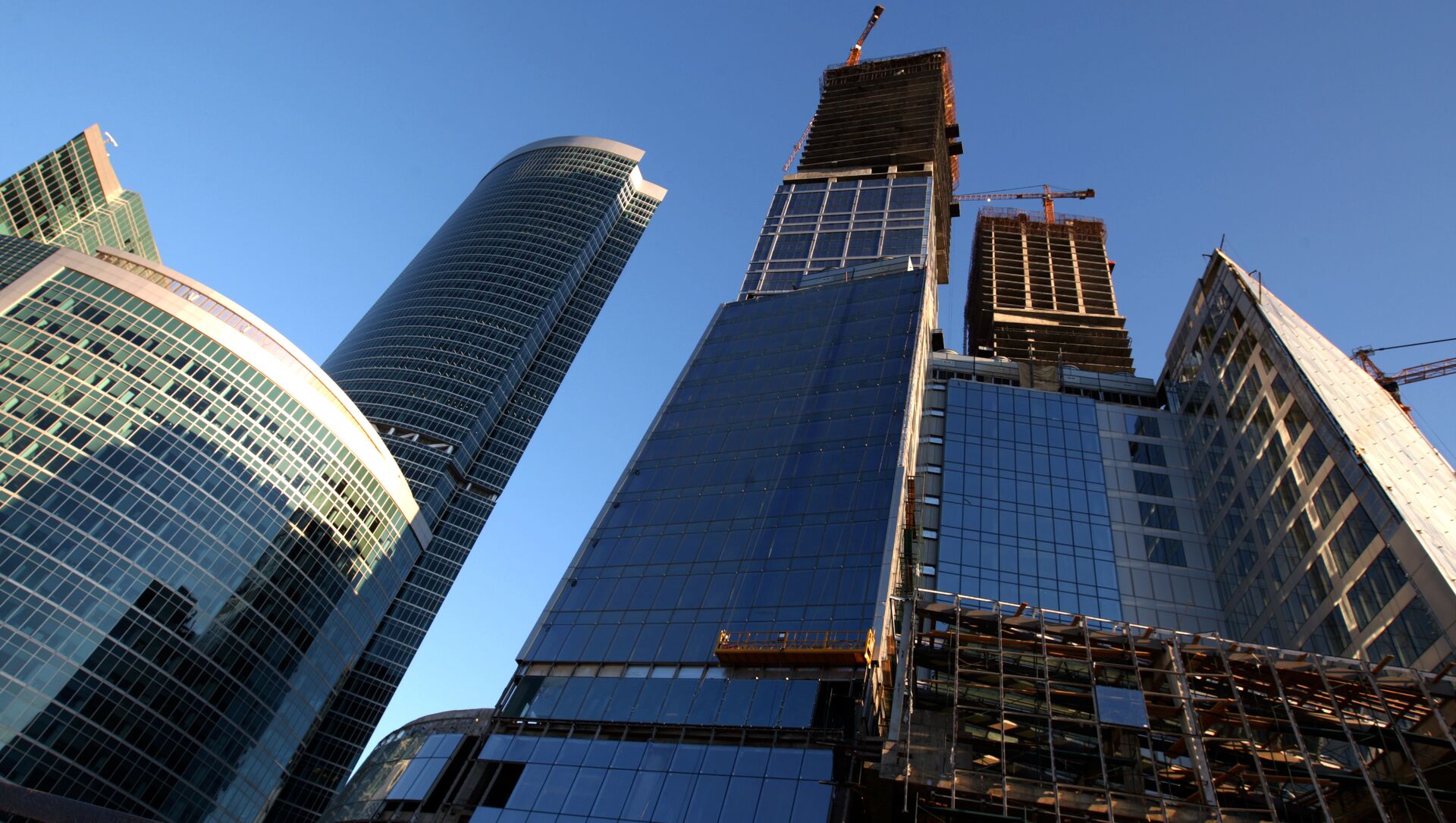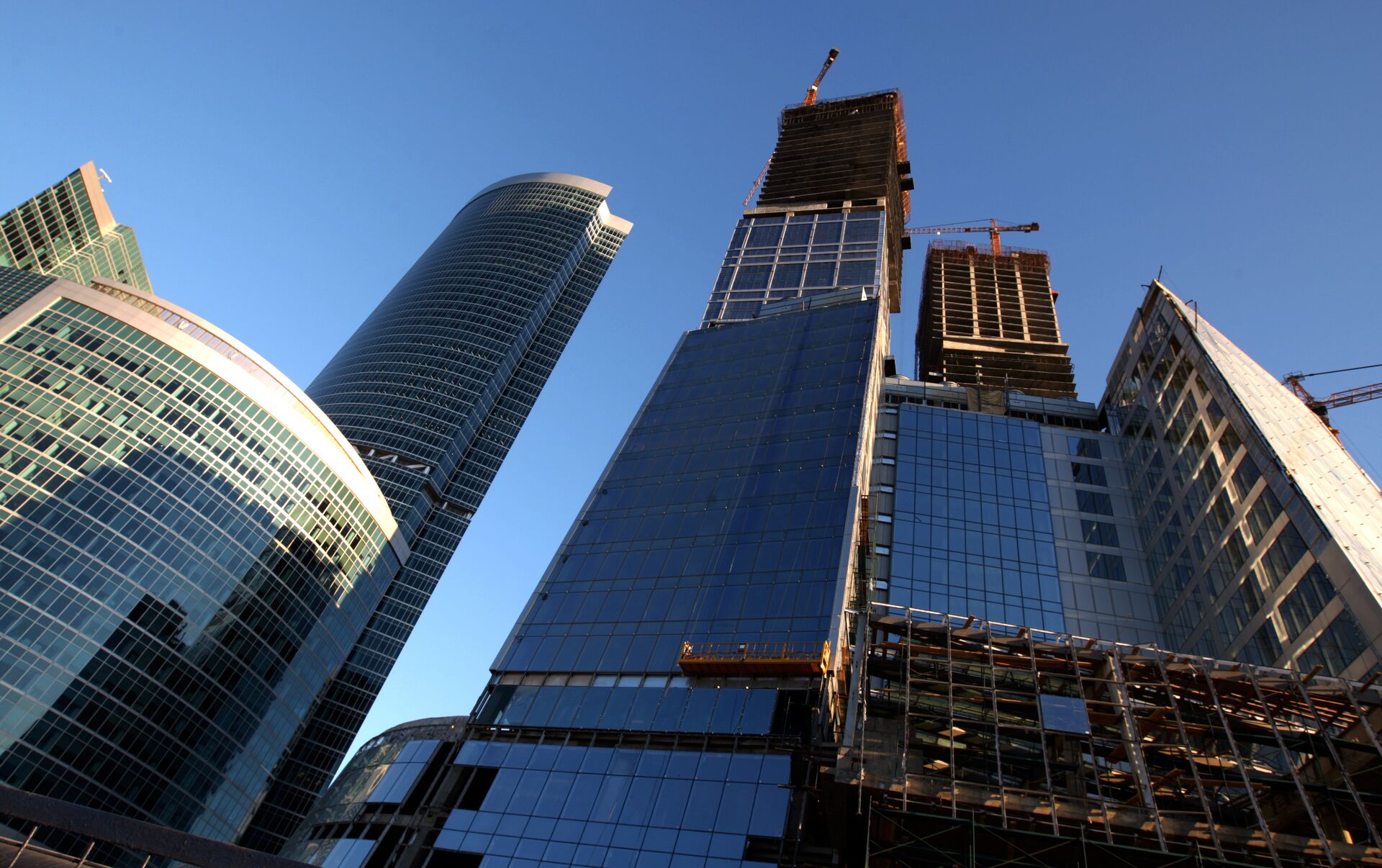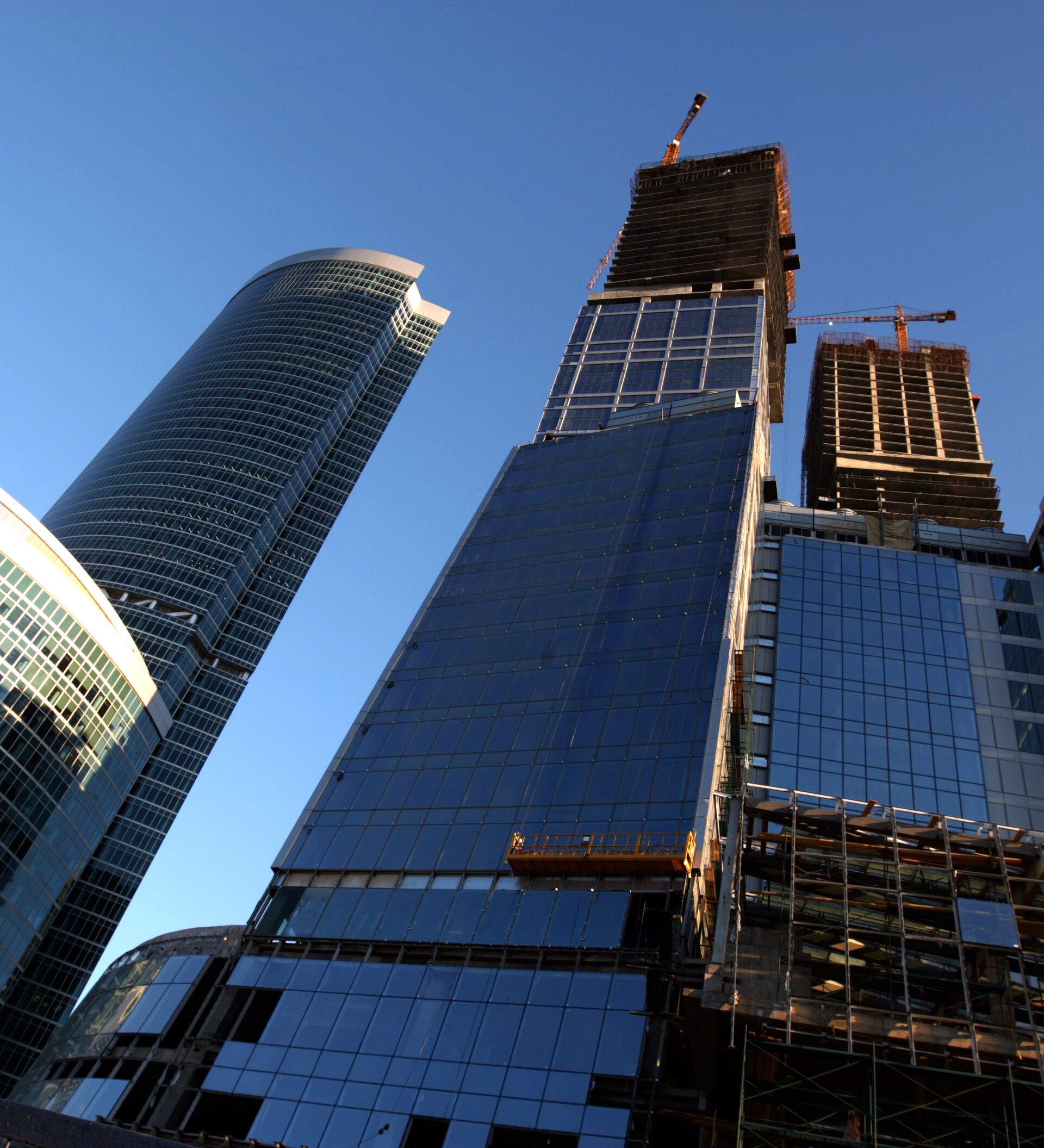
Moscow has every chance of competing with New York, London or Paris for the title of global capital, Forbes magazine said in its latest issue published Wednesday. In the picture: The Moscow International Business Center - Moscow City.
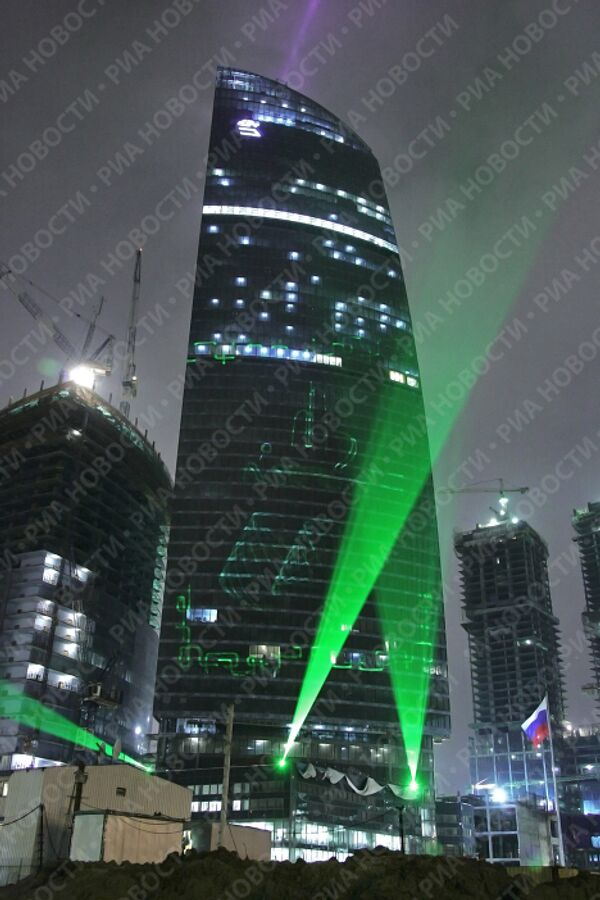
Forbes specialists are looking to the future, taking into consideration the rapidly changing forces driving the global economy, such as capital inflow, human resources, and the pace of infrastructure development. In the picture: Moscow City's Federation and Northern towers.
"Fifteen years ago, Moscow was in the midst of a particularly grungy interlude, filled with stolid people waiting in lines for shoddy consumer goods. Today, its hotel accommodation--cheap if dingy a quarter of a century ago - is among the world's most expensive," Forbes wrote.
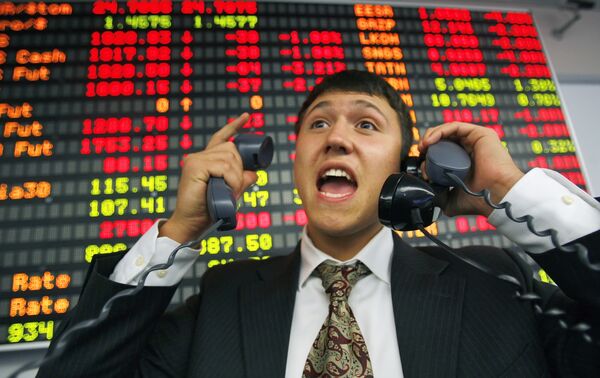
"Russia's huge energy industry, which dominate all of Europe, is the key factor driving the transformation," the magazine noted. In the picture: An employee at Troika Dialog, a leading independent investment company in Russia and the CIS.
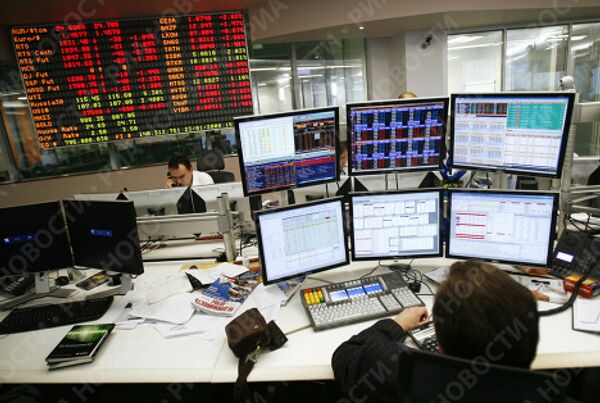
Troika Dialog employees.
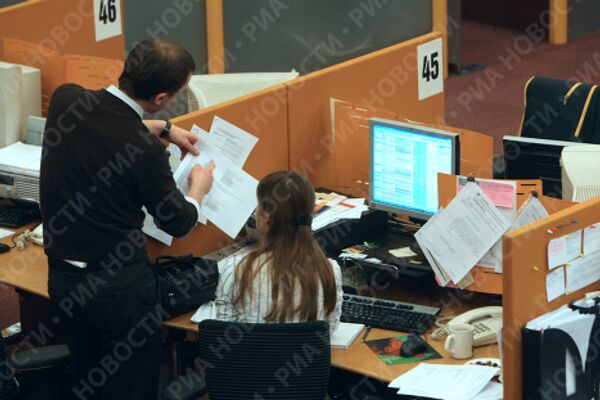
The Moscow Interbank Currency Exchange (MICEX)
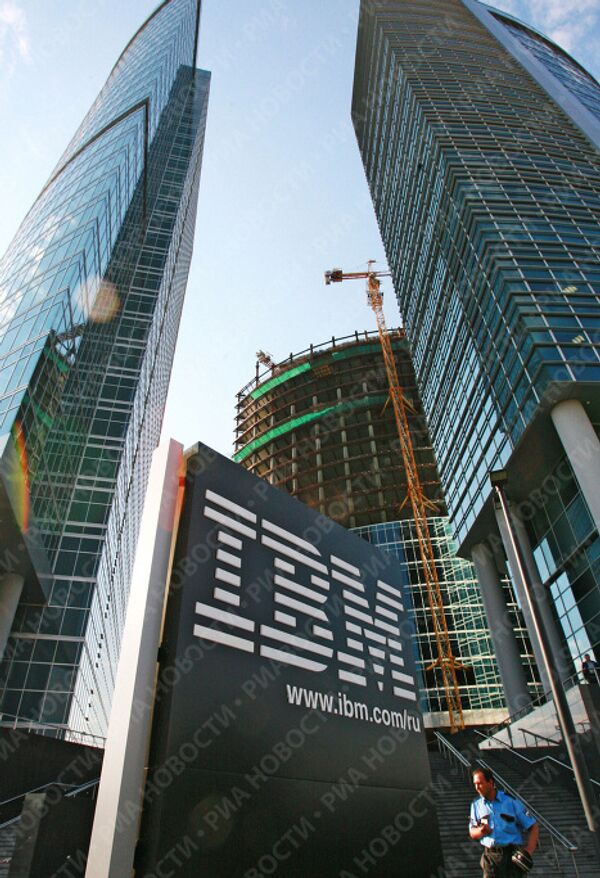
Forbes experts point out that Russia's capital has had a radical makeover since the collapse of the Soviet Union. In the picture: The opening ceremony of the Russian branch of the IBM Innovation Center at the Moscow City business center.
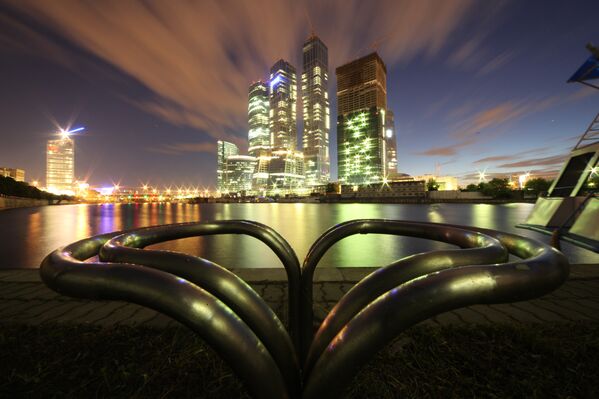
The Moscow City business center at Krasnopresnenskaya Naberezhnaya.
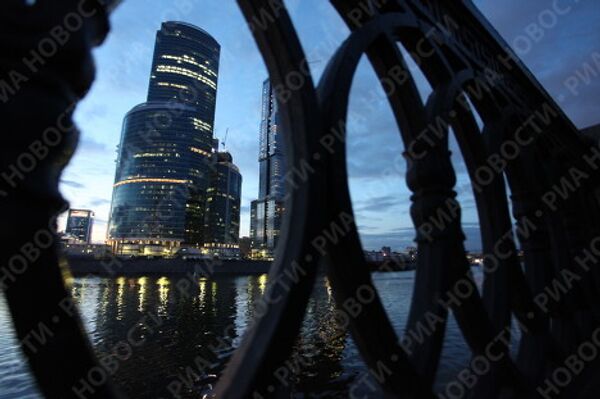
The Moscow International Business Center - Moscow City.
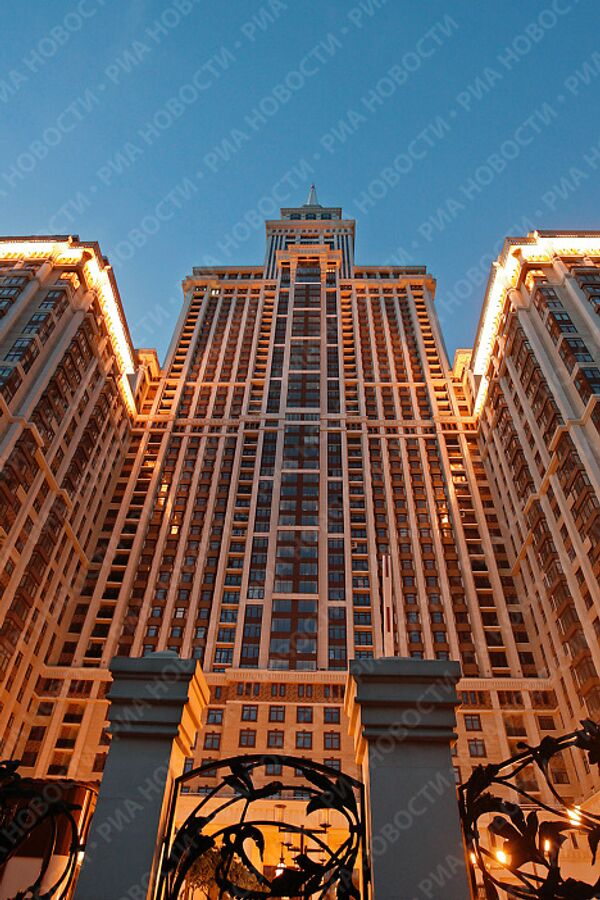
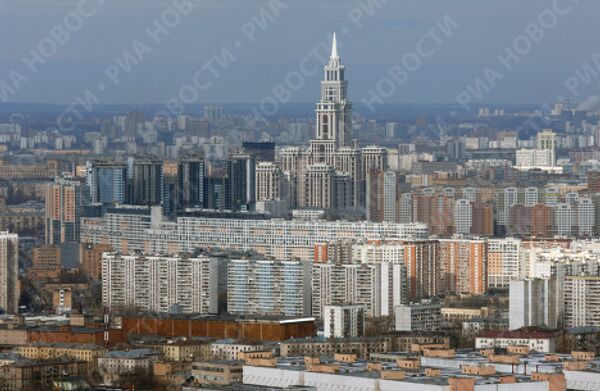
The city, where the Moscow State University building used to be the tallest at 240 meters (787 feet), now has a host of skyscrapers, including three of the highest buildings in Europe. In the picture: Triumph Palace, Europe's highest apartment building at 264 meters (866 ft) in height.
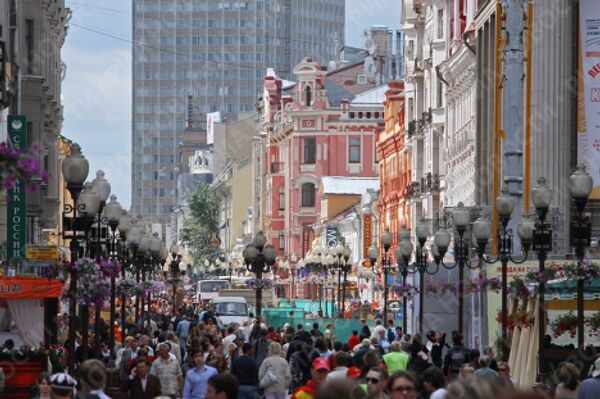
"With a population of 10 million, Moscow is already Europe's most populous city and could get even bigger, particularly if energy prices rise," Forbes magazine said.
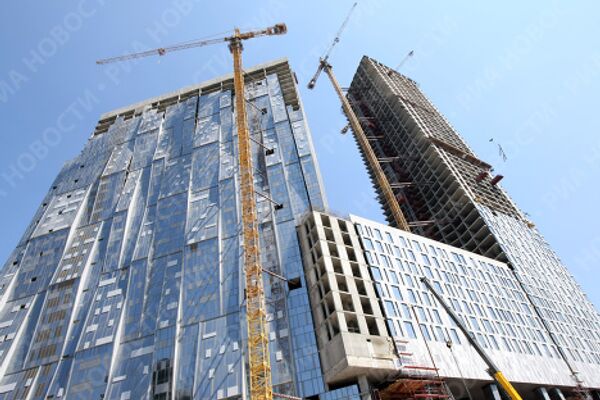
Construction of a 49-storied building on Mosfilmosvkaya street, southwest Moscow.