Joseph Beyrle: the only U.S. soldier to fight for the Red Army
Joseph Beyrle: the only U.S. soldier to fight for the Red Army
Sputnik International
"Jumpin' Joe Beyrle: A Hero for Two Nations," an exhibition devoted to the only soldier known to have fought for both the U.S. and Soviet armies in World War... 20.02.2010, Sputnik International
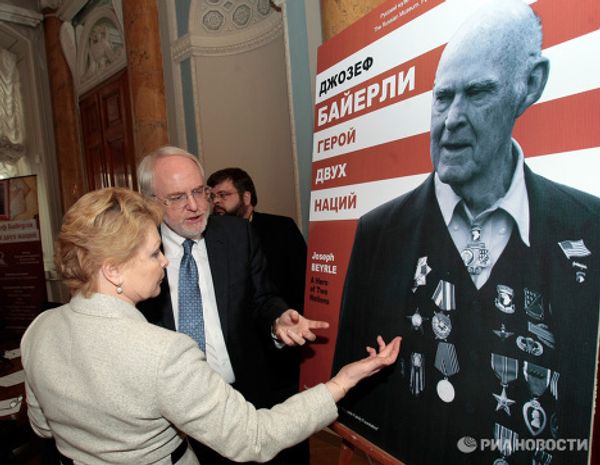
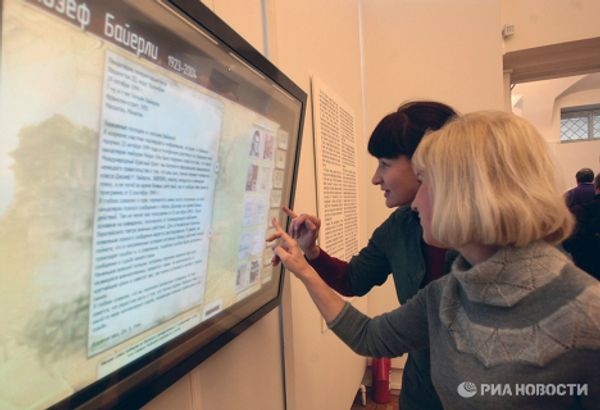
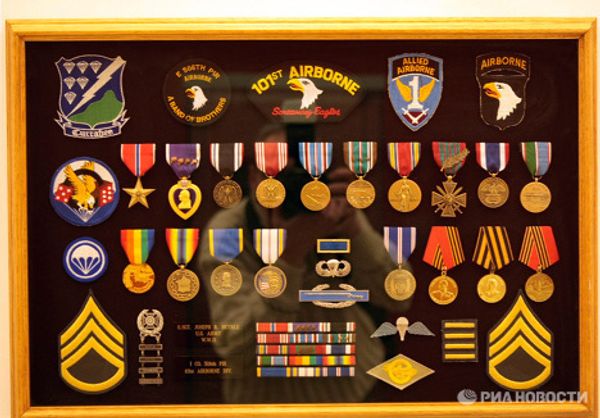
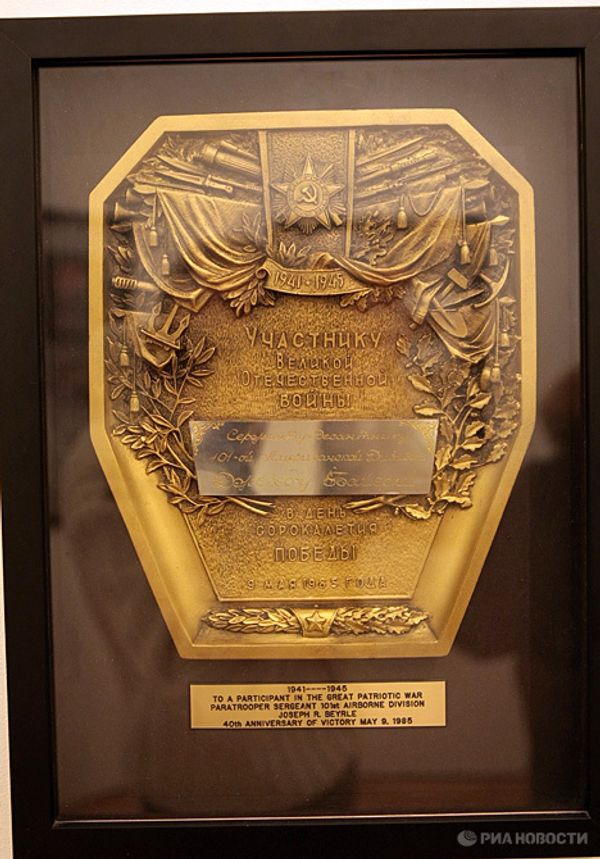
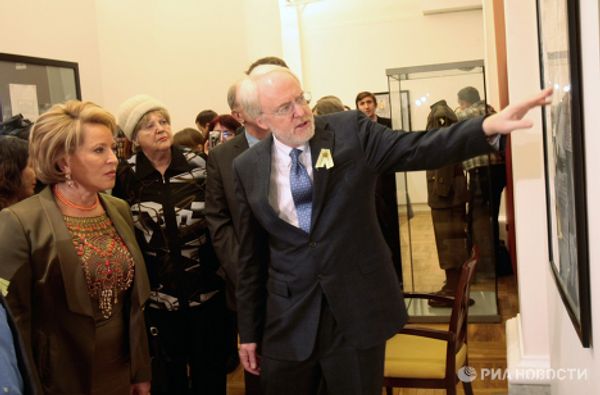
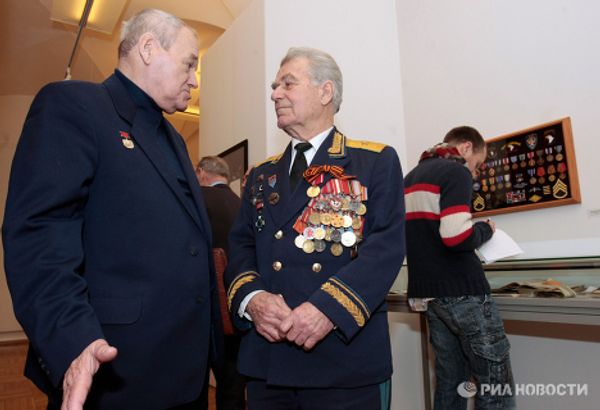
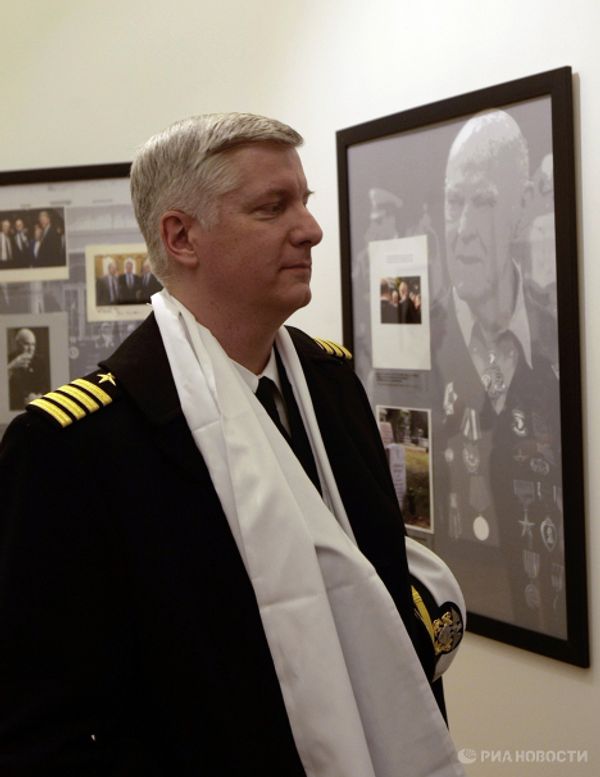
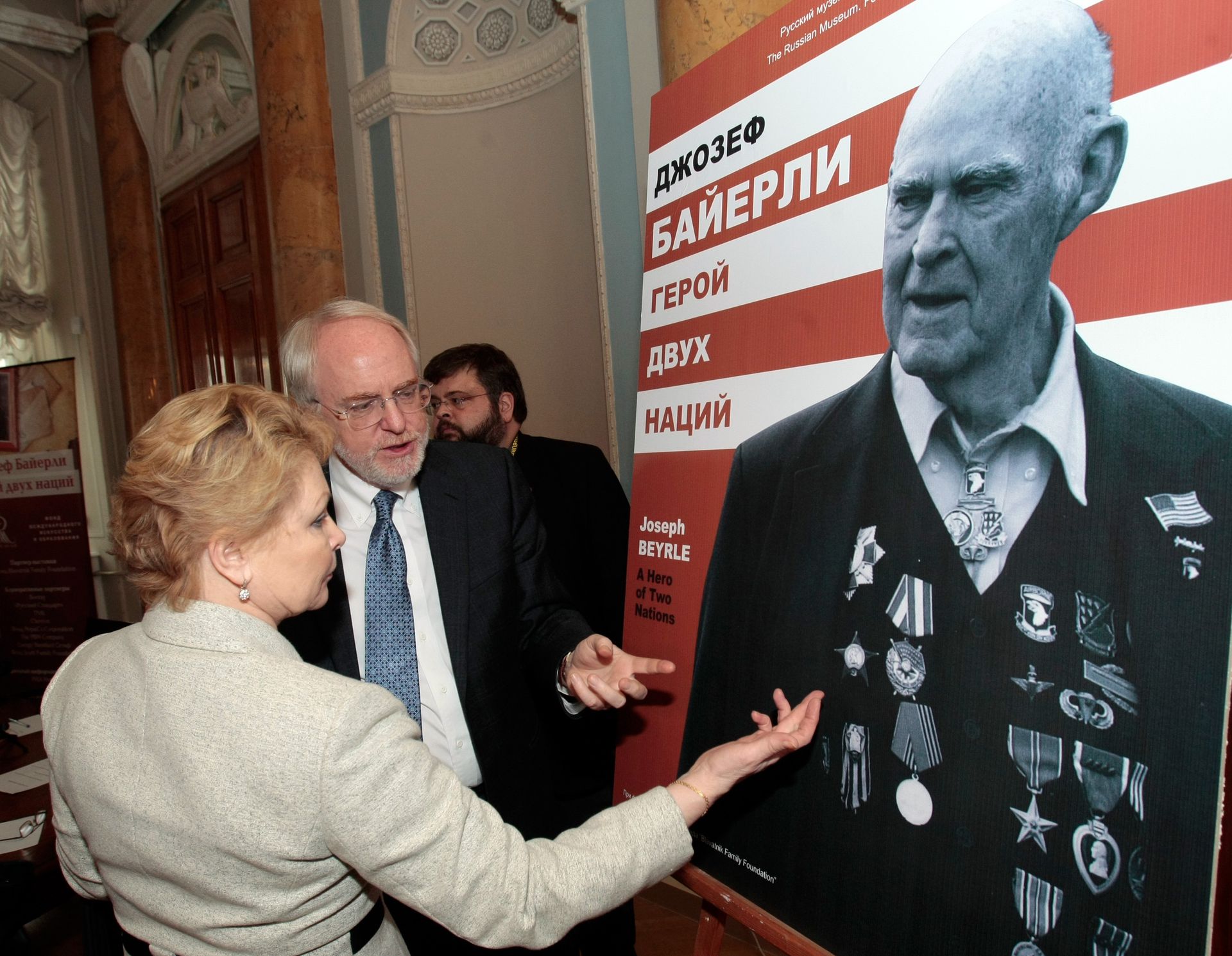
"Jumpin' Joe Beyrle: A Hero for Two Nations," an exhibition devoted to the only soldier known to have fought for both the U.S. and Soviet armies in World War II, opened in St. Petersburg’s Stroganov Palace
"Jumpin' Joe Beyrle: A Hero for Two Nations," an exhibition devoted to the only soldier known to have fought for both the U.S. and Soviet armies in World War II, opened in St. Petersburg’s Stroganov Palace
"Jumpin' Joe Beyrle: A Hero for Two Nations," an exhibition devoted to the only soldier known to have fought for both the U.S. and Soviet armies in World War II, opened in St. Petersburg’s Stroganov Palace
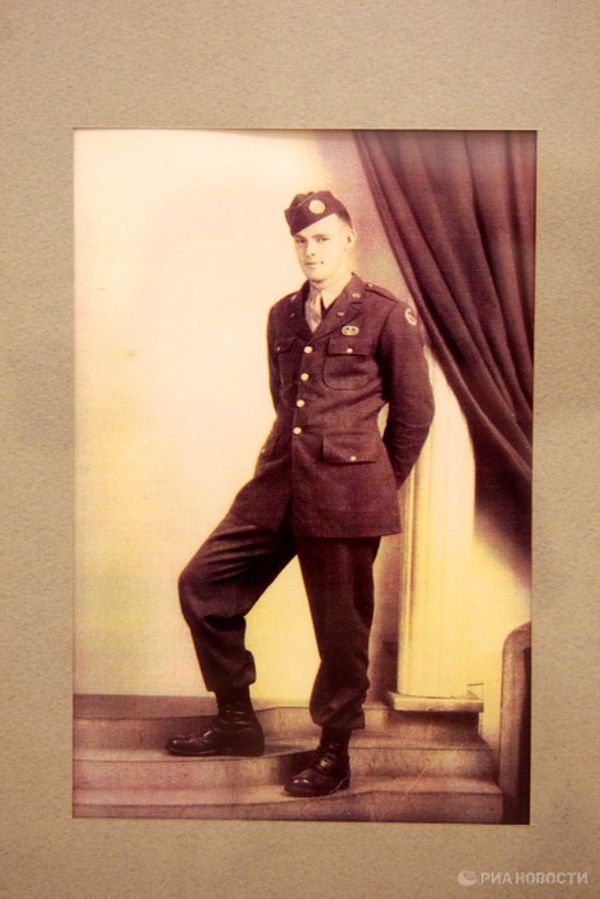
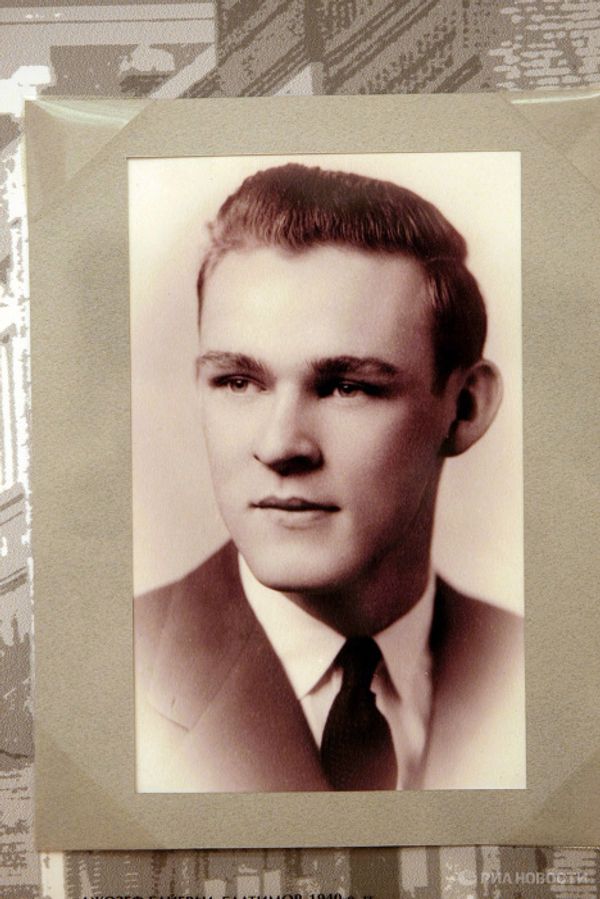
The 20-year-old Beyrle was captured after parachuting into France's Normandy in 1944. He spent 10 months in Nazi camps and successfully escaped in the spring of 1945, finding his way into a Russian tank unit.
Only two documents confirm that Beyrle fought for the Soviet troops - an entry in a Russian hospital register and a medical report. In both documents he is listed as “Dzhozef Vilyamovich Bairoli”
The U.S. paratrooper is remembered in both states for his determination to fight the Nazis, regardless of the fact that the United States and Soviet Union were bitter ideological rivals
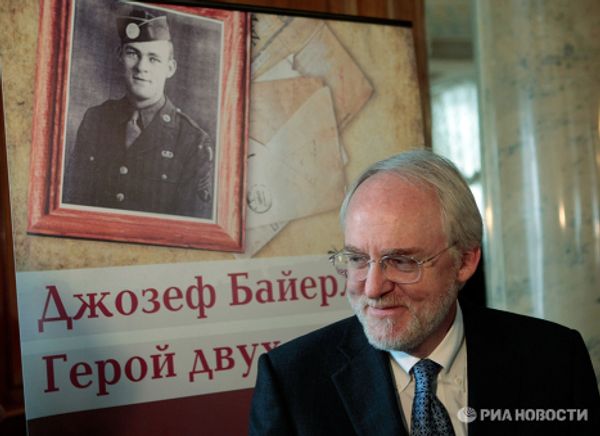
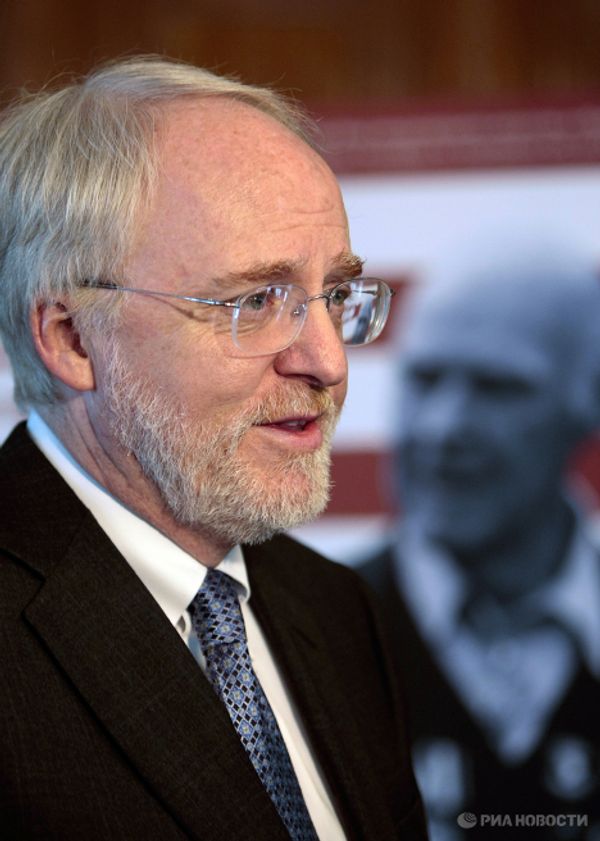
Visitors of the “Jumpin' Joe Beyrle: A Hero for Two Nations" exhibition in St. Petersburg’s Stroganov Palace, devoted to Joseph Beyrle, the father of the current U.S. ambassador to Russia, John Beyrle
The exhibition will open in Moscow’s Great Patriotic War museum on Poklonnaya Gora by May 9, Victory Day
Newsfeed
0
Access to the chat has been blocked for violating the rules .
You will be able to participate again through:∞.
If you do not agree with the blocking, please use the feedback form
The discussion is closed. You can participate in the discussion within 24 hours after the publication of the article.