International Bird Day is celebrated on April 1 because that is when birds start returning from their seasonal migration. Birds have their own champions and record-holders, for example, the fastest and the strongest, the most enduring and the most dexterous, the biggest and the smallest, and finally the most beautiful feathered creatures.
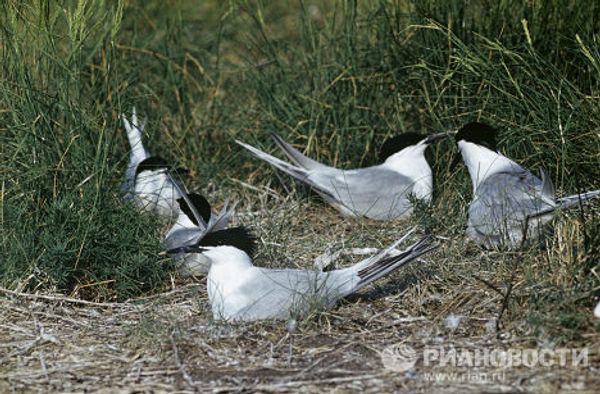
Terns cover the longest distances. A record-holding tern left its nest at a lake in Finland sometime about August 15, 1996, and was caught at the Gippsland Lakes in the Australian state of Victoria on January 24, 1997. The bird covered a distance of 25,750 kilometers.
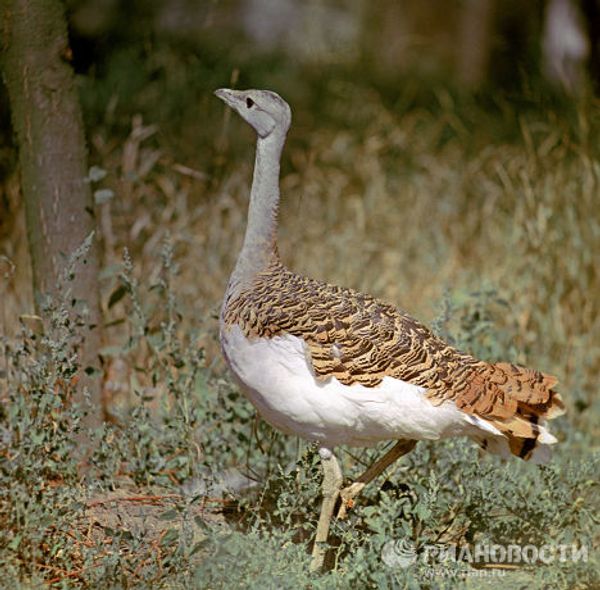
The heaviest flying birds are the Kori Bustard, which inhabits northeast and south Africa, and the Great Bustard, whose habitat is in Europe and Asia. Photo: the Kori Bustard.
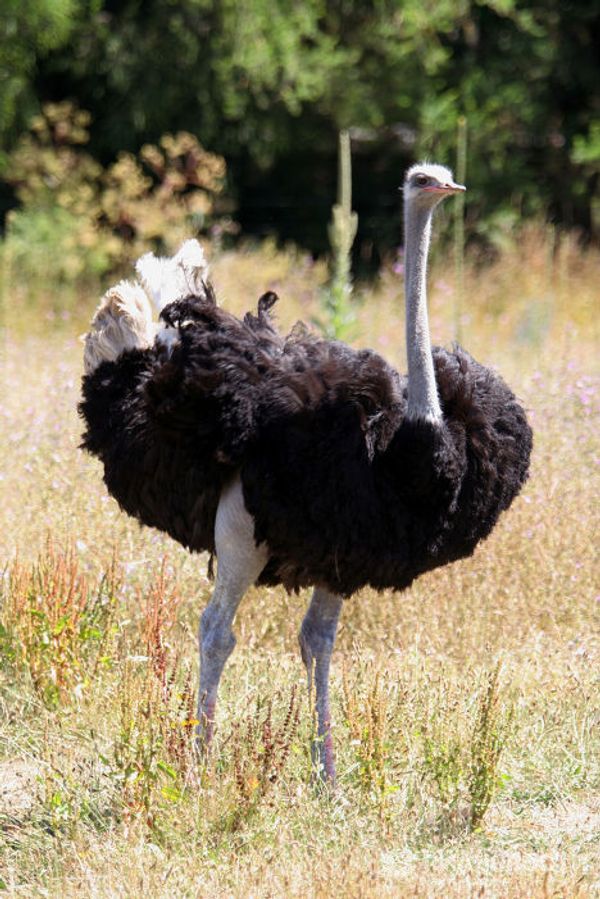
The fastest non-flying bird is the ostrich, which can run at a speed of 72 km per hour despite its heavy weight.
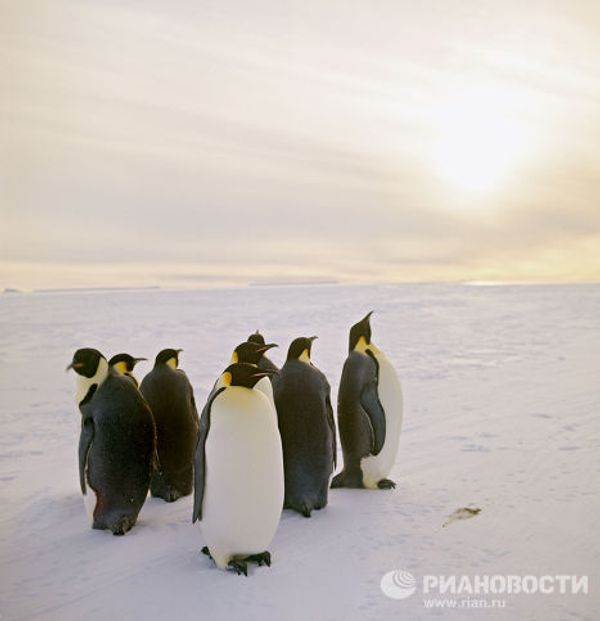
The deepest dive among birds was registered in Antarctica’s Ross Sea in 1990, when an Emperor penguin made a 483-meter dive.
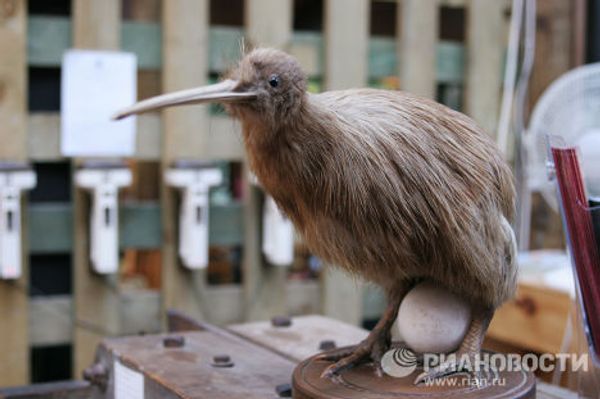
The kiwi lays the largest eggs in relation to its own size. The kiwi is a non-flying tailless bird with rudimentary wings. The bird has strong legs and sharp claws and can walk several kilometers in one night. The kiwi is a national symbol of New Zealand. It is depicted on the country’s national emblem and currency. However, you are unlikely to meet a kiwi in the wild. Despite being on the Red List of Threatened Species, the kiwi population has dropped from several million to several tens of thousands over the past 100 years.
6/10
© RIA Novosti . Alexandr Solovskiy
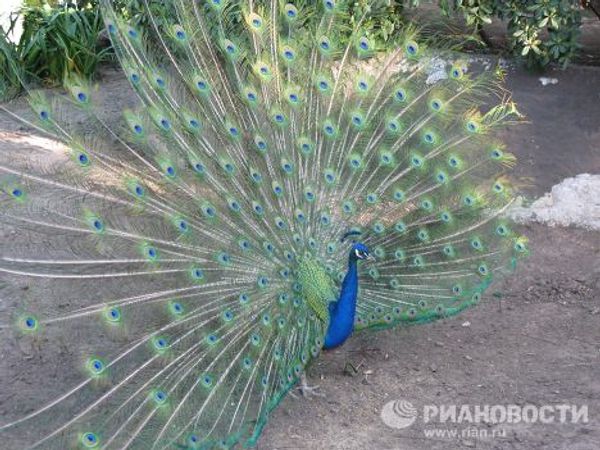
The peacock has the most beautiful plumage of all wildfowl and the most annoying voice. The Burmese green peafowl is a national symbol of Myanmar and the common peafowl has been adopted as a national symbol by India and Iran, though unofficially.
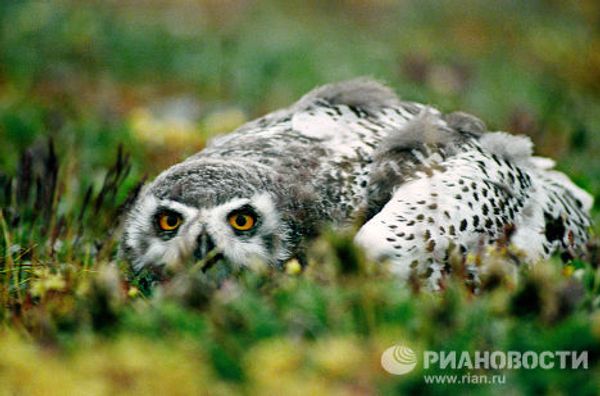
The snowy owl is the largest bird in the Arctic. Females are bigger than males. The birds measure 55 to 65 centimeters in length, have a wingspan of 150 to 160 centimeters, and weigh 1.5 to 2 kilograms. They are the only owls who can see the color blue.
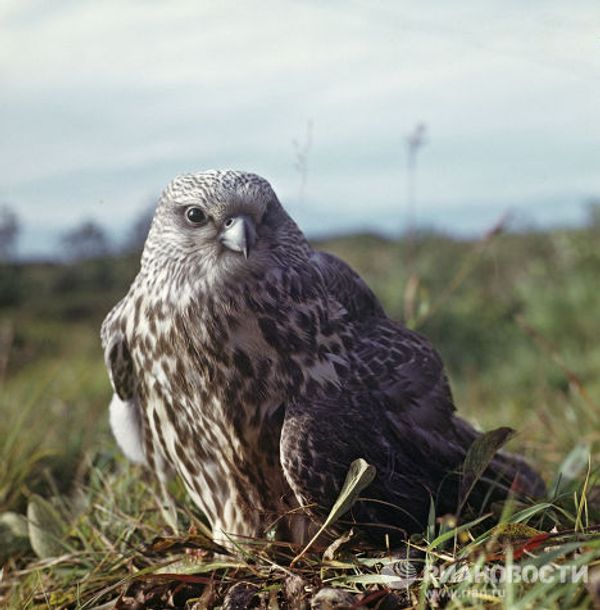
The peregrine falcon is the fastest bird. Observations confirm that a peregrine falcon can fly at 200 km/h when diving down to defend its habitat or hunting its prey.
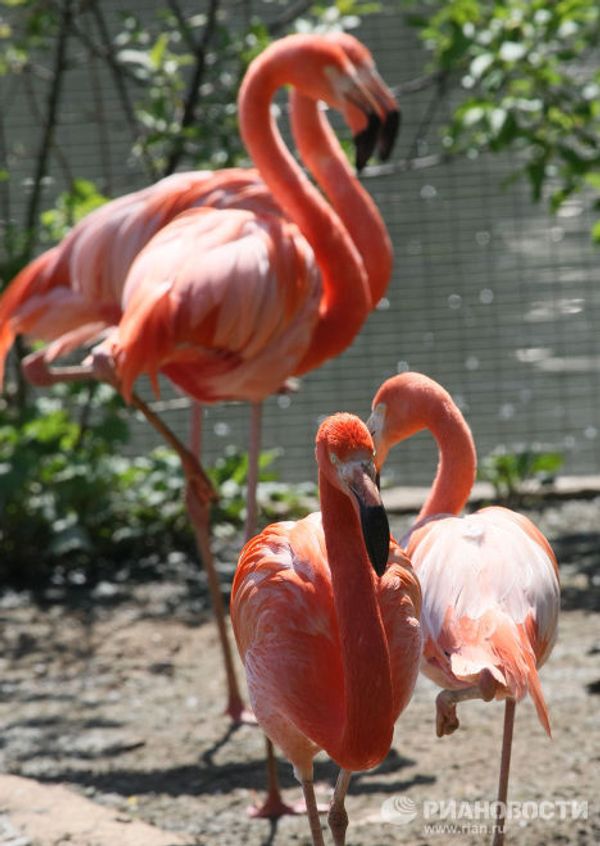
The flamingo has the longest legs in comparison to body size of all birds. It inhabits mostly the tropics and subtropics. However, it can be seen in Belarus, though only very rarely. The flamingo also nests on the Kazakh coast of the Caspian Sea.
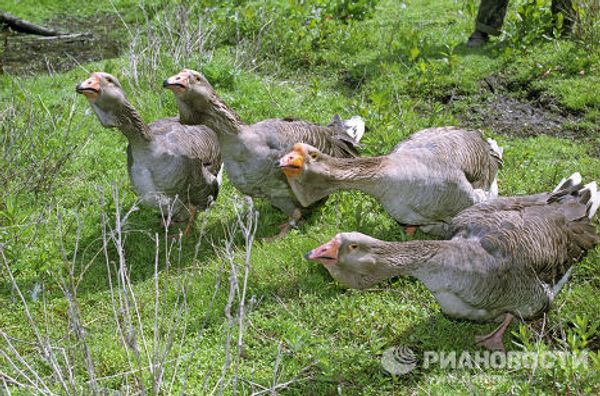
Ducks and geese can endure the coldest temperatures. Experiments have proven that they can survive temperatures of up to minus 110 ºC.