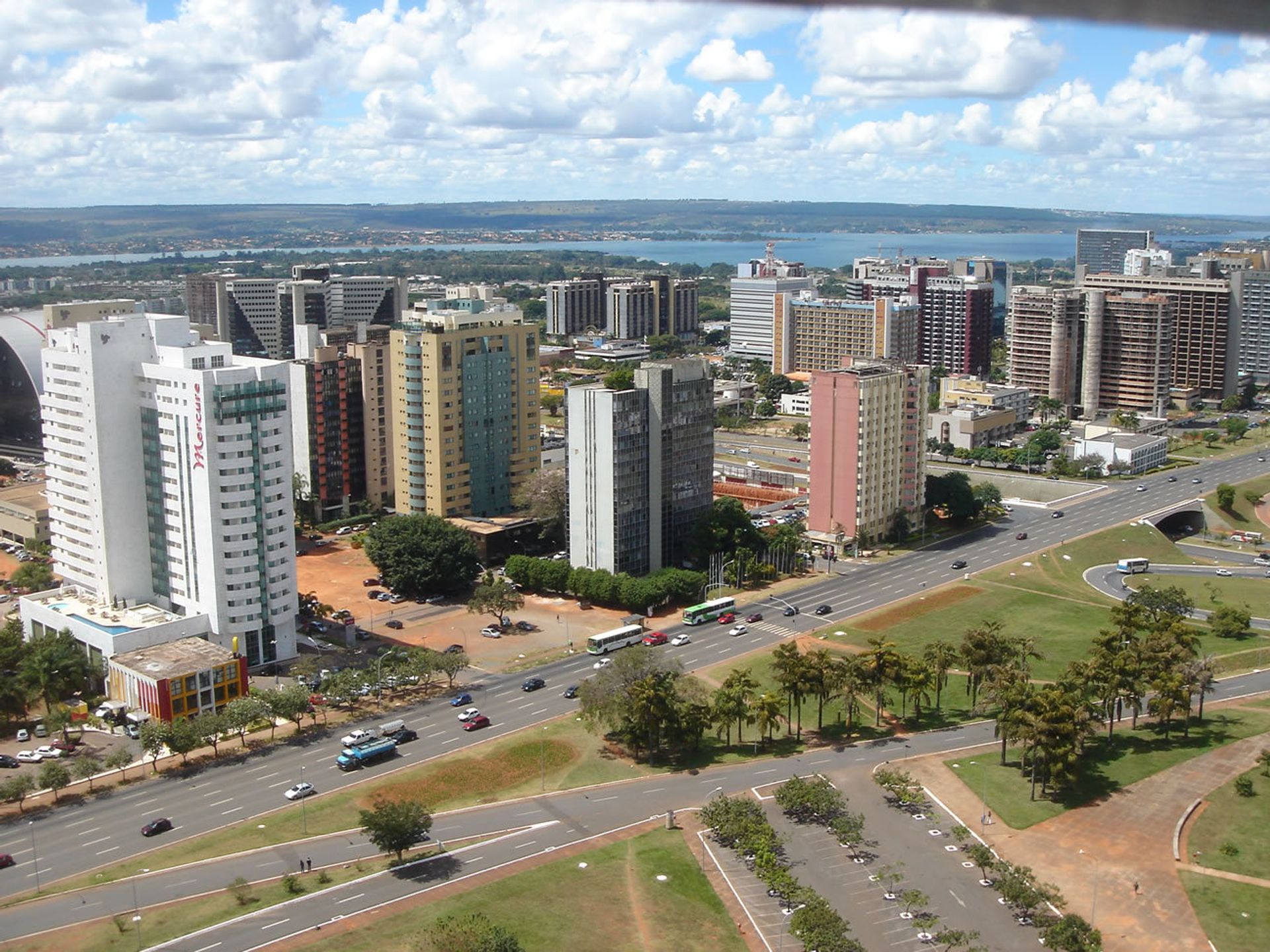
The capital of Brazil, Brasilia, was unveiled on April 21, 1960.
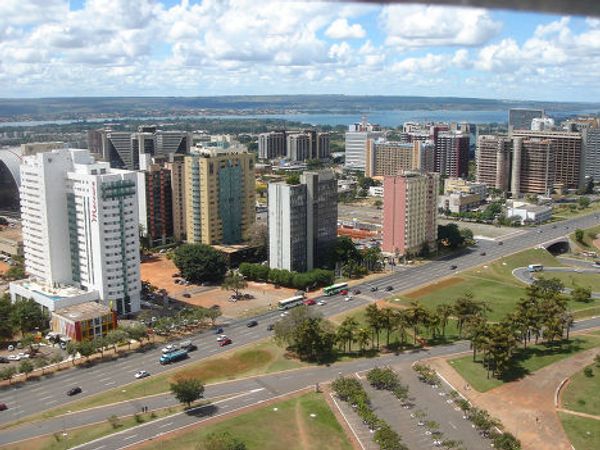
The capital of Brazil, Brasilia, was unveiled on April 21, 1960. Photographs of one of the world’s most unusual capitals taken by rian.ru readers.
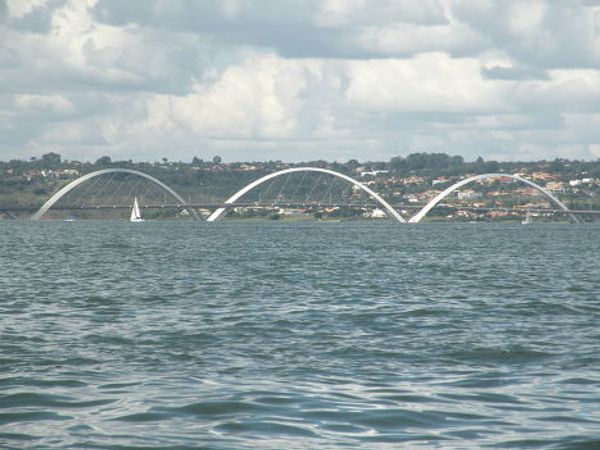
Built on an artificial reservoir, the construction of Brasilia was ordered by President Juscelino Kubitscheck as the new capital in the center of Brazil.
Photo: Juscelino Kubitscheck Bridge in Brasilia.
Photo: Juscelino Kubitscheck Bridge in Brasilia.
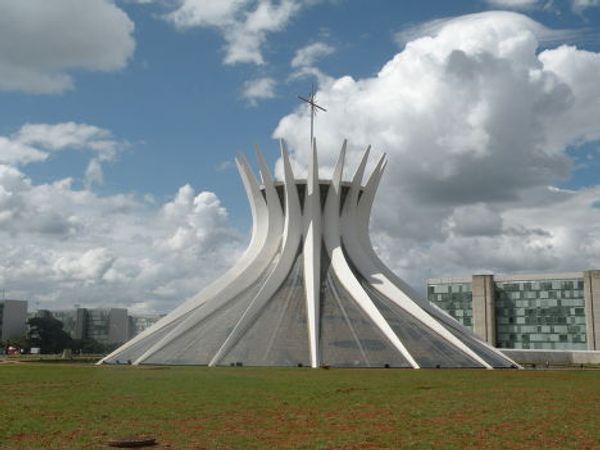
Oscar Niemeyer designed many of the administrative and public buildings in Brasilia, including the Cathedral of Brasilia. The cathedral itself is underground, with only the stained glass and concrete cupola visible above ground.
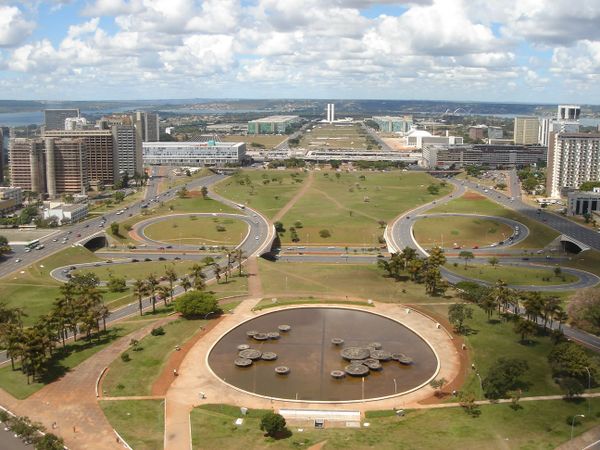
A bird’s eye view of Brasilia reveals its unusual layout. Its roads and adjacent neighborhoods resemble a plane flying southeast. But architect Lucio Costa said he designed the city with an enormous butterfly in mind.
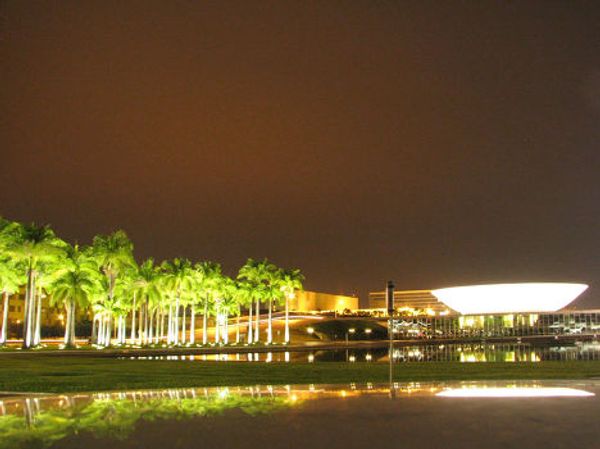
The city is surrounded by the artificial lake, Lago do Paranoá, which was created to act as a giant air conditioner, keeping hot air out of the city. Excess water drains into to the lake during the rainy season.
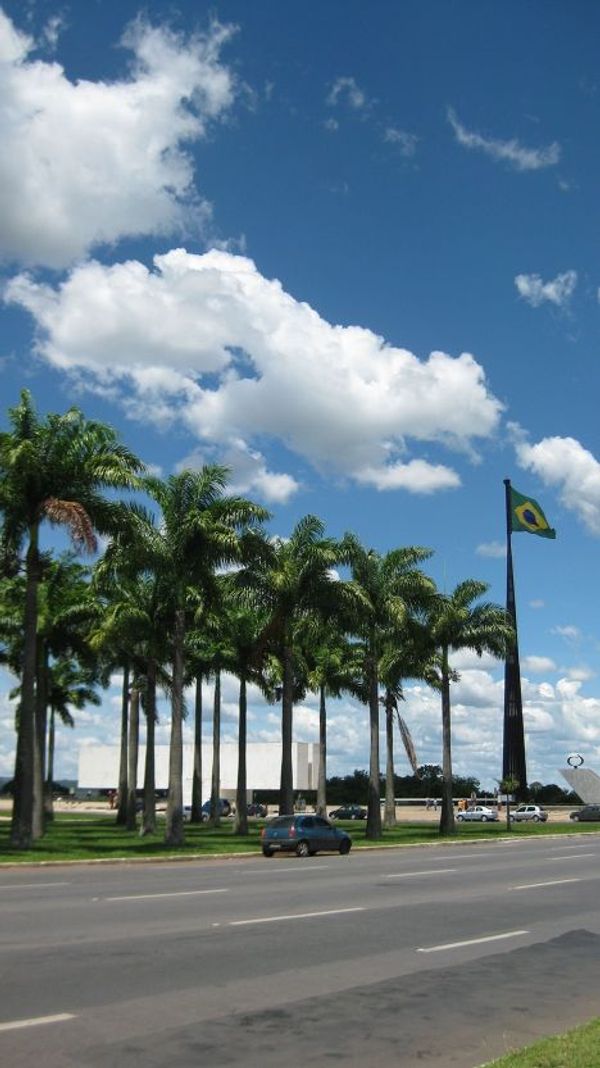
Brasilia has been built up along two intersecting avenues. Administrative and public buildings are located in Square of the Three Powers in the city center.
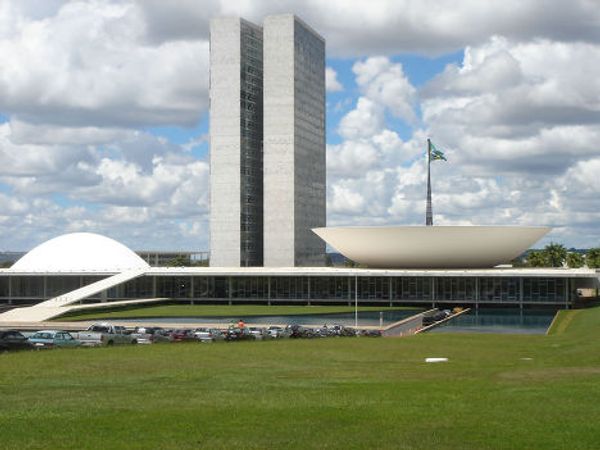
Running down the center of the city is Eixo Monumental (Monumental Axis) Avenue, home to the Congressional Palace, which consists of five parts: a flat-roofed building at the base and twin administrative towers flanked by a large, white concrete dome (the Senate) on one side, and an equally large concrete bowl (the Chamber of Deputies) on the other.
Photo: National Congress building
Photo: National Congress building
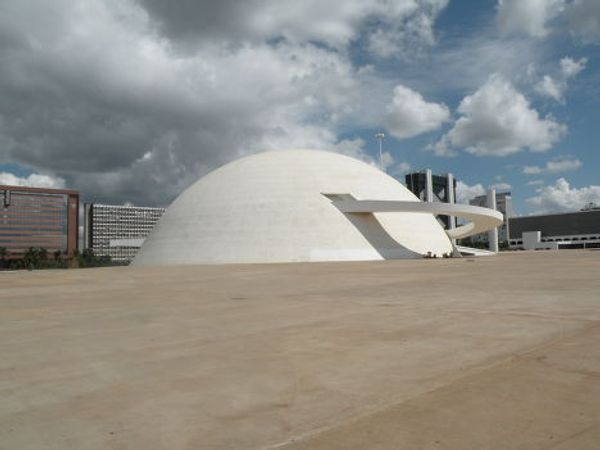
Brasilia, the cultural center of Brazil, is home to the National Theater, the National Museum of the Republic and the Institute of History and Geography.
Photo: National Museum.
Photo: National Museum.
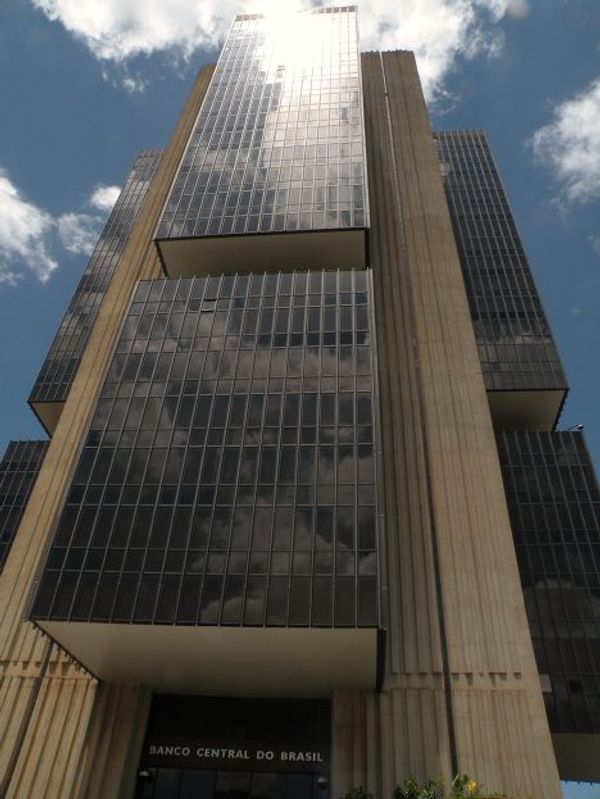
The Central Bank of Brazil.
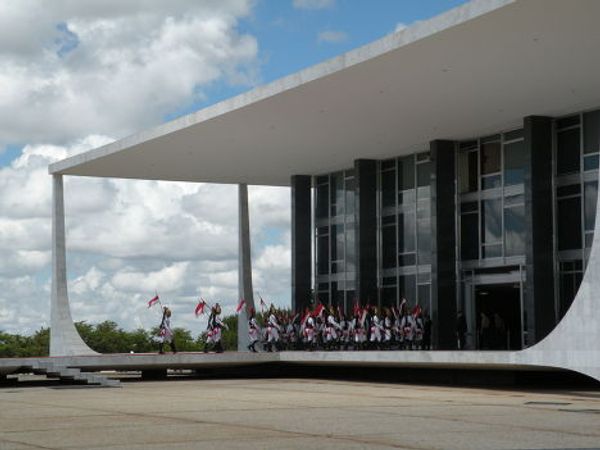
Changing of the guard at the Supreme Court.
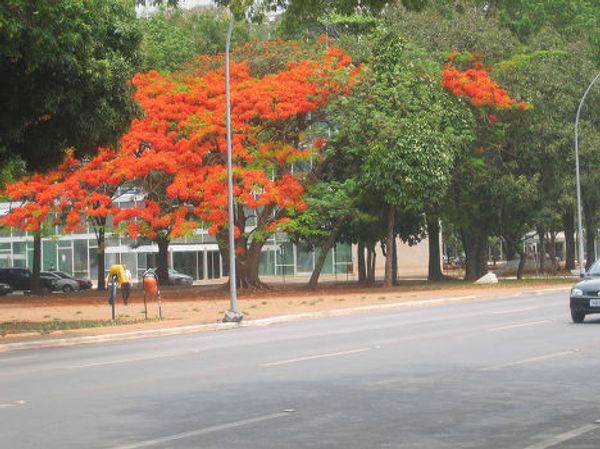
Brasilia is lush and green. There is no industry in the city.
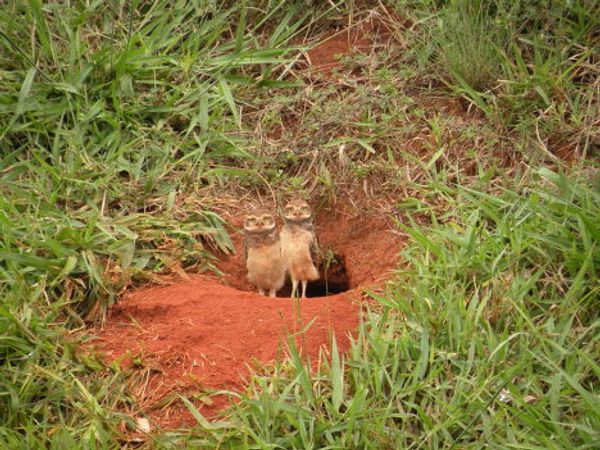
Brasilia’s zoo features rare animals from the Amazon rainforest. These owls live in the city.
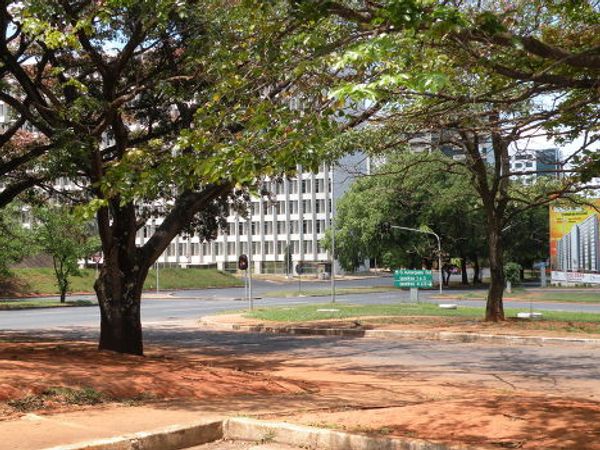
Residential neighborhoods in Brasilia consist of five- and ten-storey apartment buildings and private houses. The buildings are covered in a special glass that blocks the sun, which is extremely important in the hot climate. Each neighborhood has its own schools, playgrounds, playing fields and shops. And yet there is still plenty of space for trees and other plants.
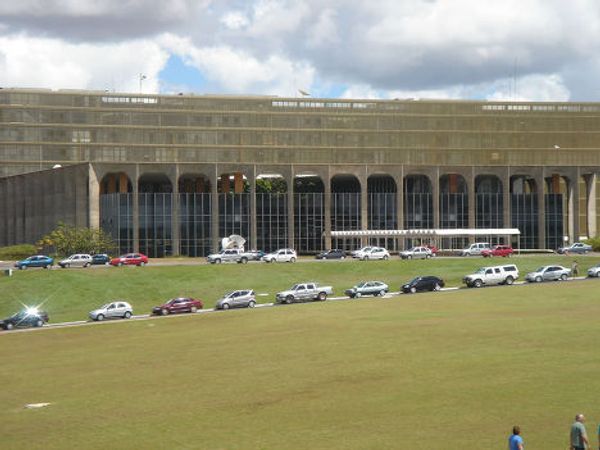
Brasilia is the first metropolis built from scratch in the 20th century and the first modern city included on UNESCO's World Heritage List (1986).