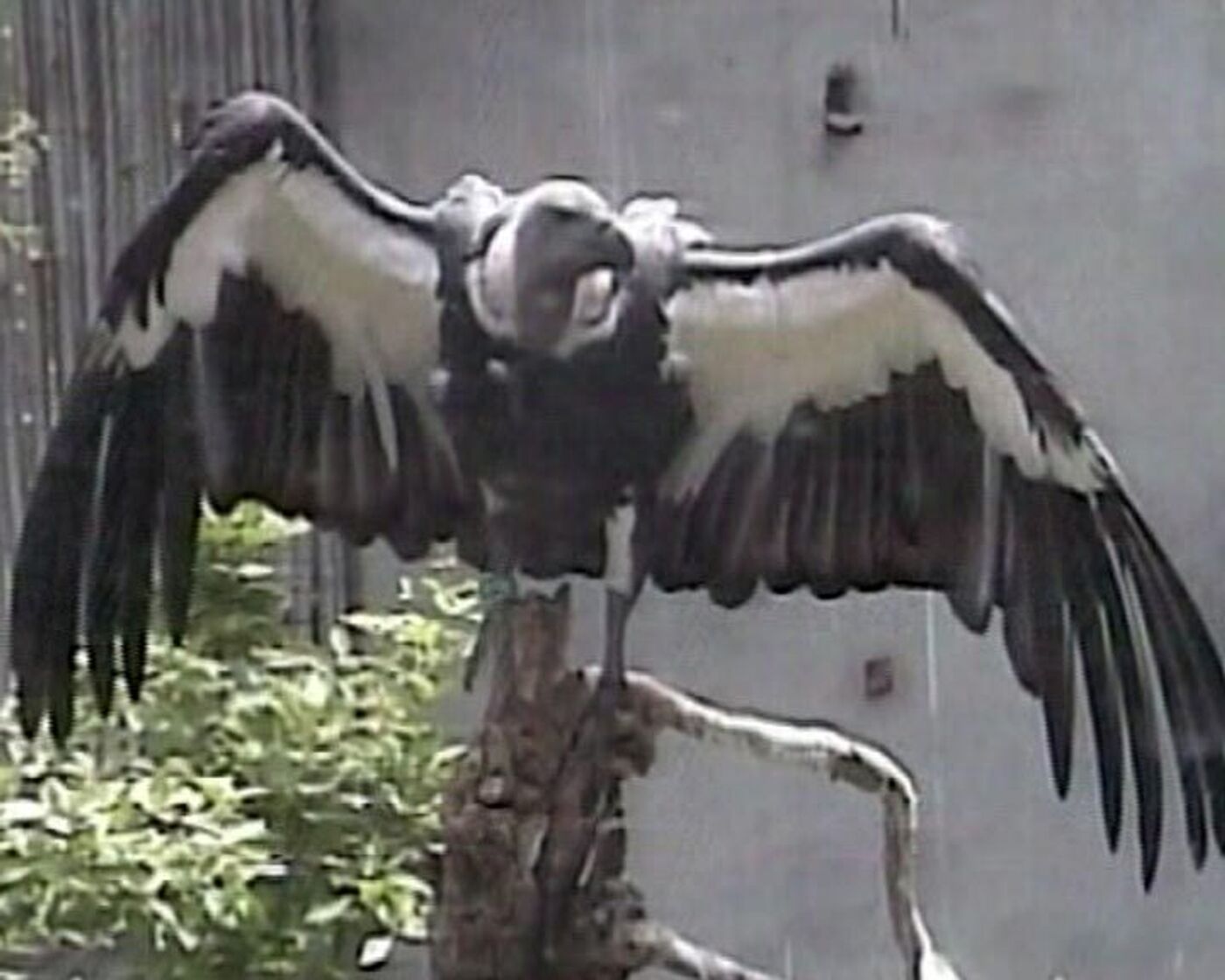
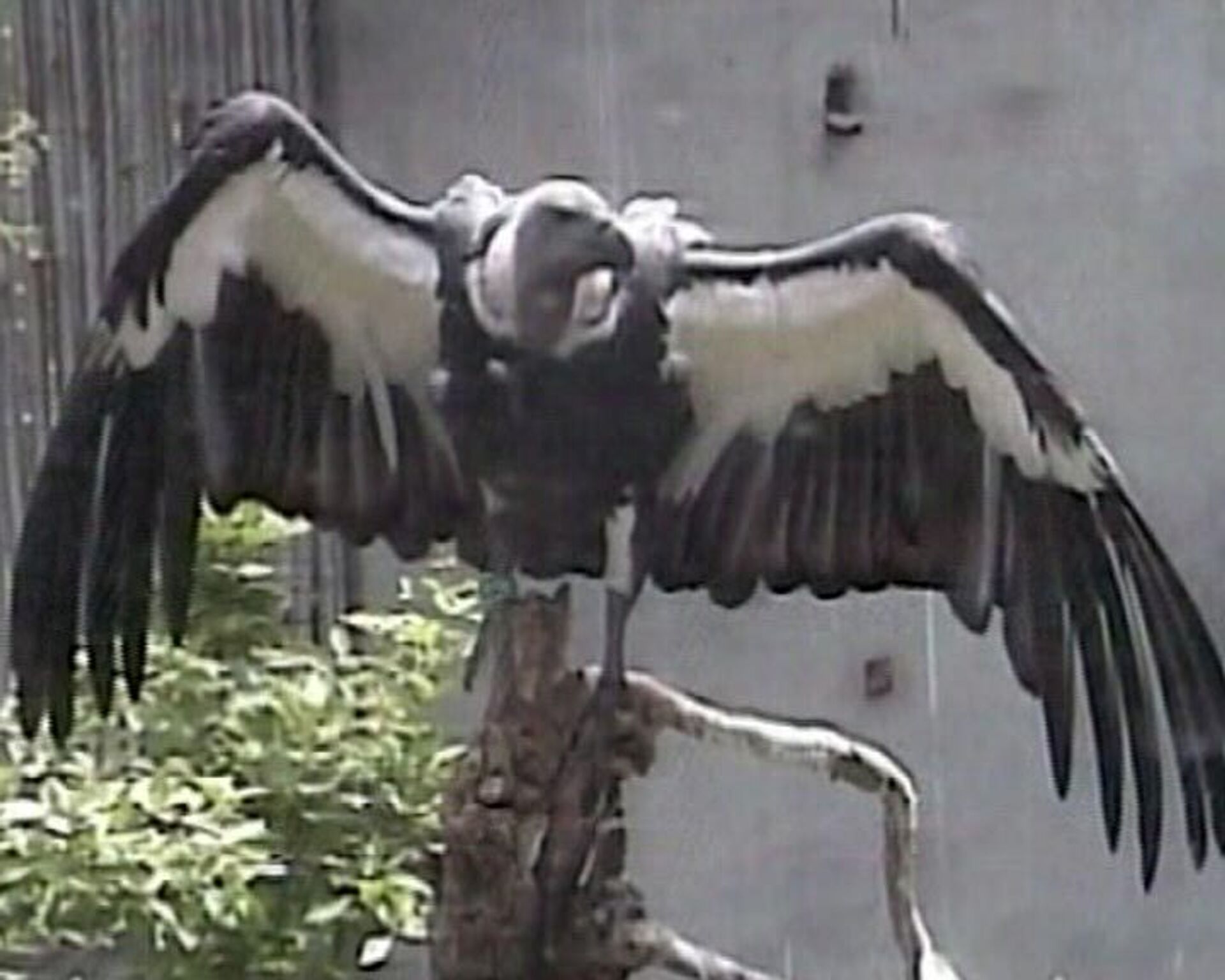
South-East Asian scientists are raising alarm: vultures, noble and beautiful birds, the pride of the continent, are rapidly falling in number. The population decline is thought to be caused by diclofenac contained in the meat of domestic animals that these birds feed on.
Though the manufacture of diclofenac has been banned in India, Nepal and Pakistan in 2006, this drug is still on the market, and the birds are dying out.
As a result, the population of these wonderful birds fell from several tens of millions to several thousand, which poses a threat to the balance of nature. Vultures are scavengers that feed on carrions as far as one hundred kilometers away from their nests, contributing to the decomposition of dead animal remains.
Special vulture breeding colonies have been established in Pakistan and India to save these birds. Video cameras were installed there to monitor the birds round-the-clock. In addition, scientists regularly give the birds a medical check-up and even analyze their feces and blood. Feeding the birds is no easy task: their diet consists of 127 goat carcasses per month.
The fall in the number of vultures does not pose a critical threat to their population, but scientists say that the number of birds in these colonies is not sufficient to preserve genetic diversity.
VOICEOVER:
Bird breeders in Indian colonies are trying to save these gorgeous birds from extinction. The number of vultures in the world fell to several thousand species in the last decade. Scientists believe this reduction in number was caused by diclofenac, an anti-inflammatory drug that domestic animals are treated with. Vultures feed on the carcasses of these animals and die in one to two days. The manufacture of diclofenac was banned in India, Nepal and Pakistan in 2006, but this drug is still on the market, causing vultures to die out. Special vulture breeding colonies were established in Pakistan and India to save these birds. Collecting a large number of birds in the colonies was difficult: the colonies’ specialists had to catch birds aged one year, regularly monitor their health and even analyze their feces and blood. Feeding this gluttonous horde is a hard task as well: they eat about 130 goats each month. The fall in the number of vultures does not pose critical threat to their population, but scientists say that the number of birds in these colonies is not sufficient to preserve the genetic diversity.
Indian ornithologists have established a “kindergarten” for vultures
10:26 GMT 26.04.2010 (Updated: 19:51 GMT 19.10.2022)
© RIA Novosti
Subscribe
South-East Asian scientists are raising alarm: vultures, noble and beautiful birds, the pride of the continent, are rapidly falling in number. The population decline is thought to be caused by diclofenac contained in the meat of domestic animals that these birds feed on.
Though the manufacture of diclofenac has been banned in India, Nepal and Pakistan in 2006, this drug is still on the market, and the birds are dying out.