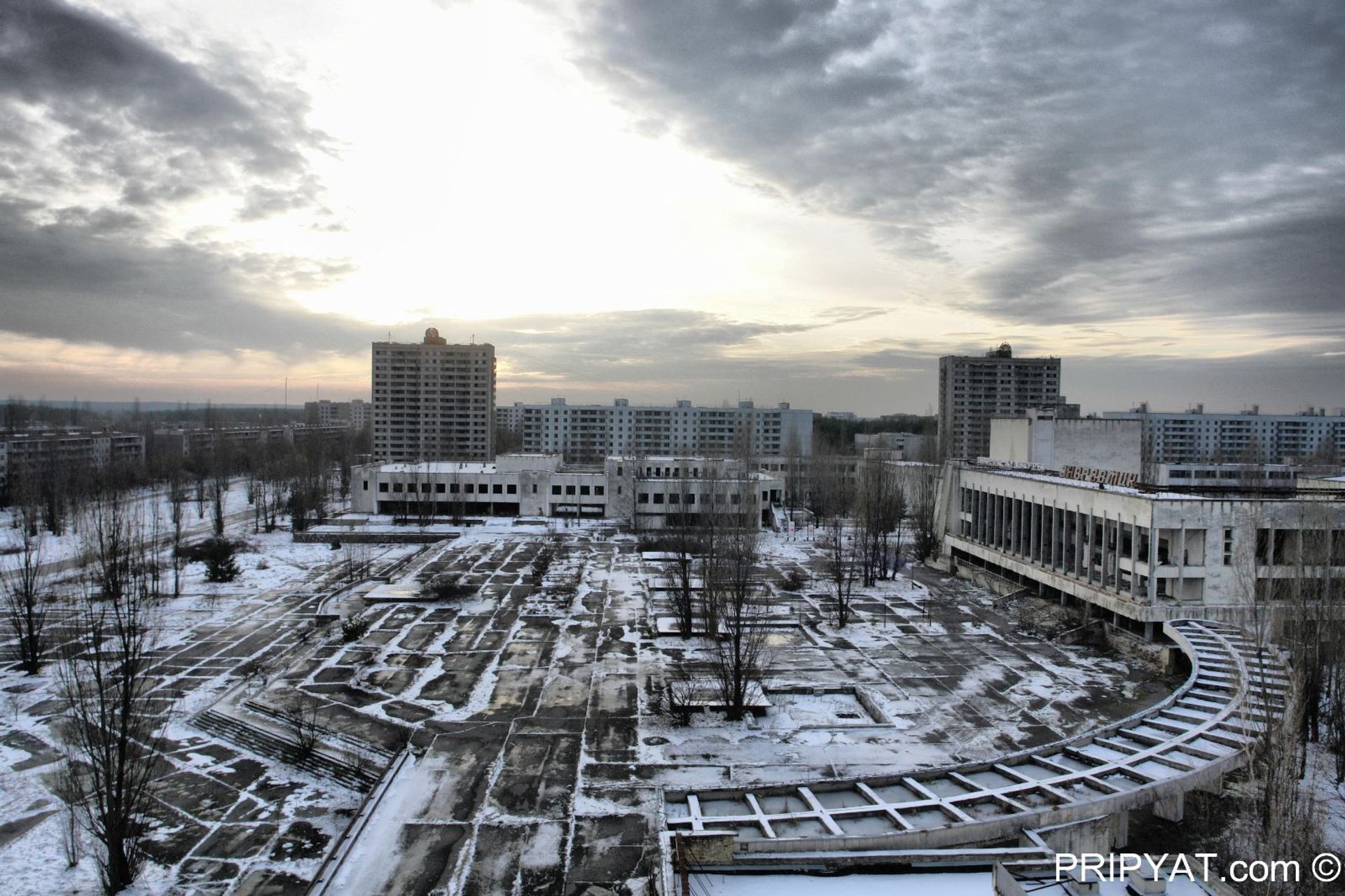
April 26 marks 24 years since the major nuclear disaster at the Chernobyl Nuclear Power Plant.
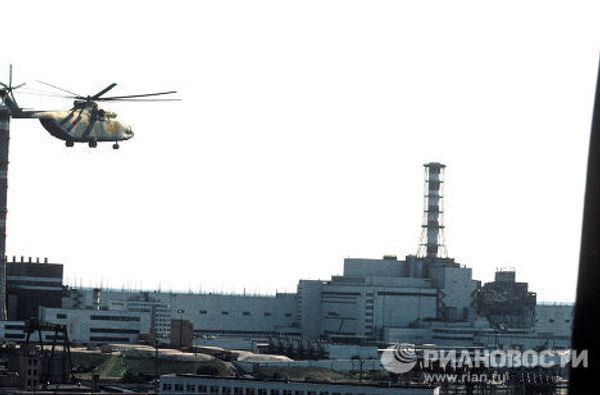
April 26 marks 24 years since the major nuclear disaster at the Chernobyl Nuclear Power Plant. Photo: To eliminate the damage of the disaster, rescuers used helicopters to measure the level of radiation contamination and deactivating the area.
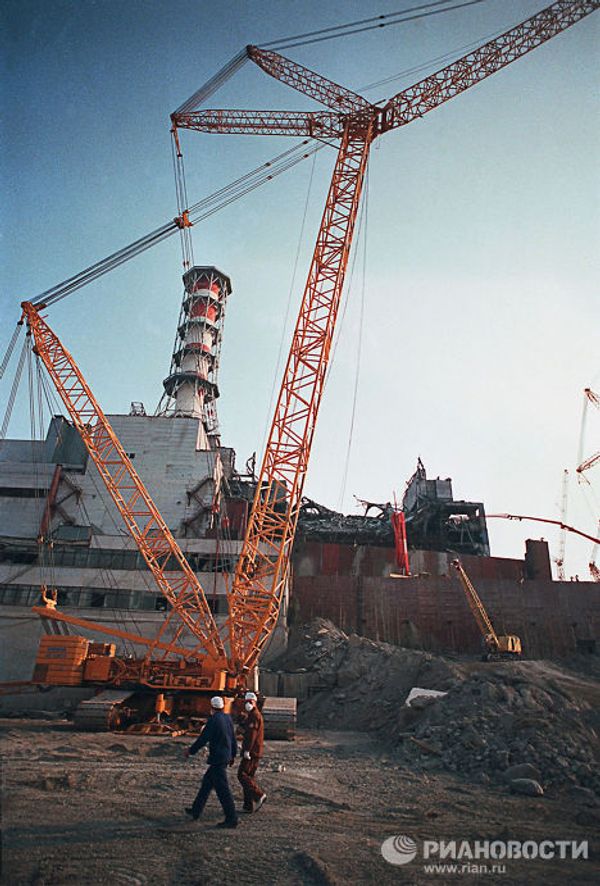
On April 26 at 1:23 a.m., a reactor was scheduled to be shut down for maintenance lasting for 20 seconds. Photo: April 26, 1986. The collapse of the wall of Reactor 4 at the Chernobyl Nuclear Power Plant.
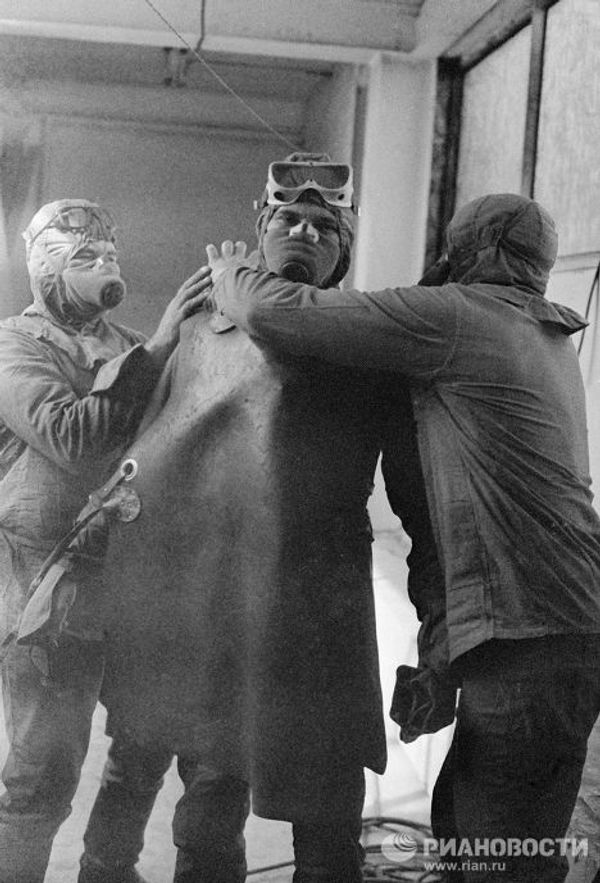
…however several seconds after a large surge occurred at Reactor 4 at the Chernobyl Nuclear Power Plant, a chemical explosion went off… Photo: A group of specialists prepares to enter the roof of the reactor after the disaster.
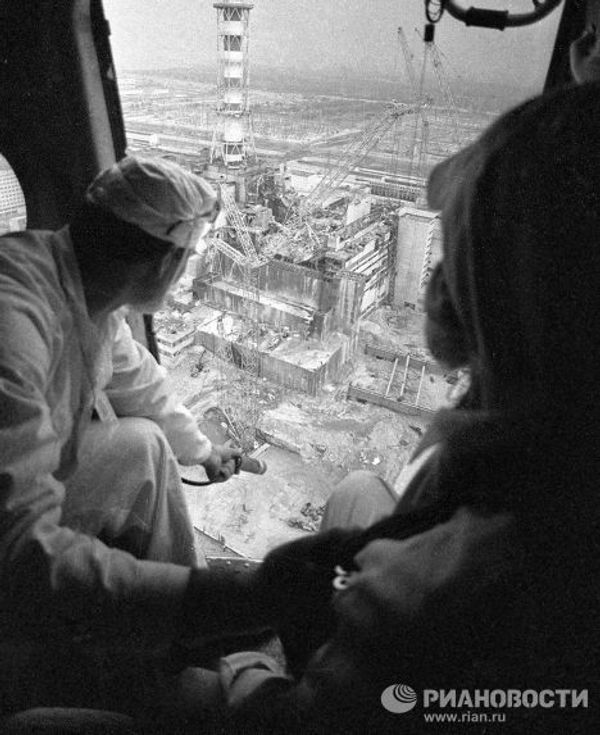
Radiation specialists in helicopters create a map of radiation levels at the Chernobyl Nuclear Power Plant.
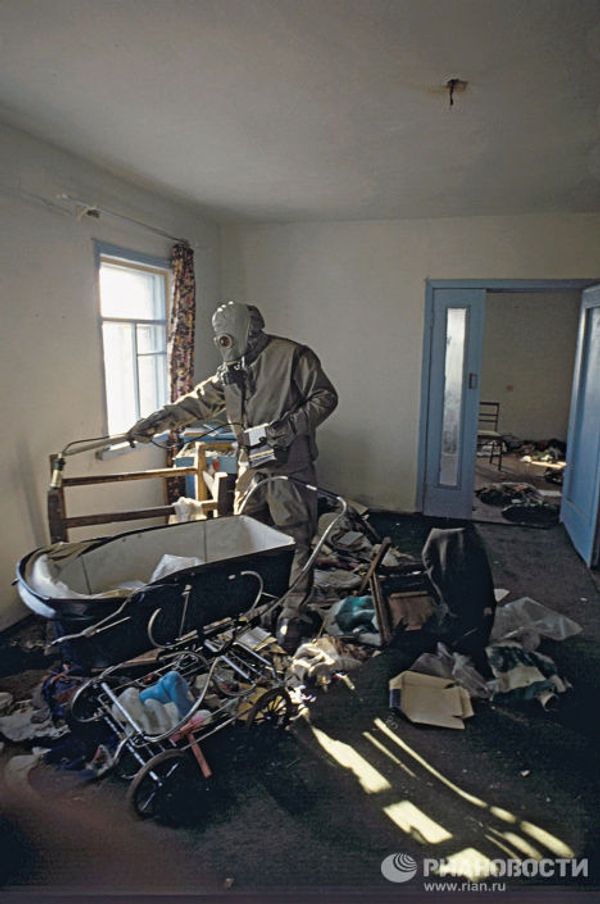
Deactivation works continue in decreasing the levels of radiation contamination within a 30-kilometer zone after the Chernobyl disaster.
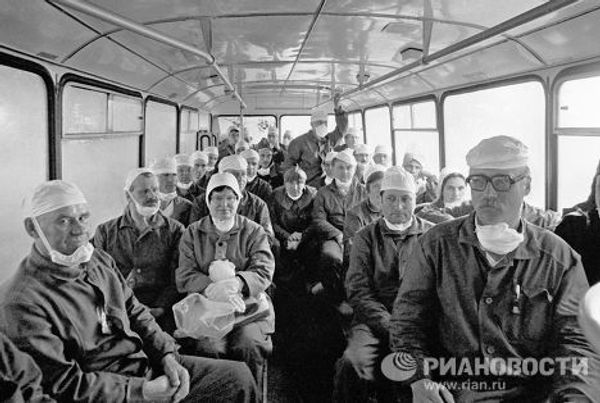
134 employees at the Chernobyl Nuclear Power Plant and members of rescue groups, who were at the plant during the explosion, started suffering from radiation sickness and 28 of them died. Photo: June 1, 1986. A group of specialists heads to the Chernobyl disaster zone to clean up the damage from the April 26 catastrophe.
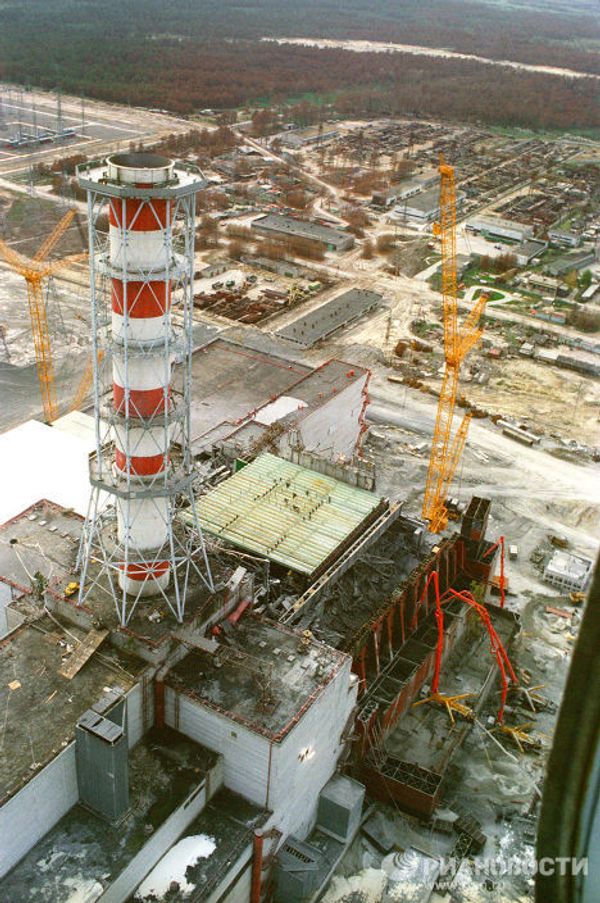
August 29, 1986. After the Chernobyl disaster, the reactor was sealed and a powerful protective shield was installed under it.

As result of the disaster, a territory of 160,000 square kilometers was contaminated. Among the most affected areas were northern Ukraine, western Russia and Belarus. In December 2000, the power plant was shut down.
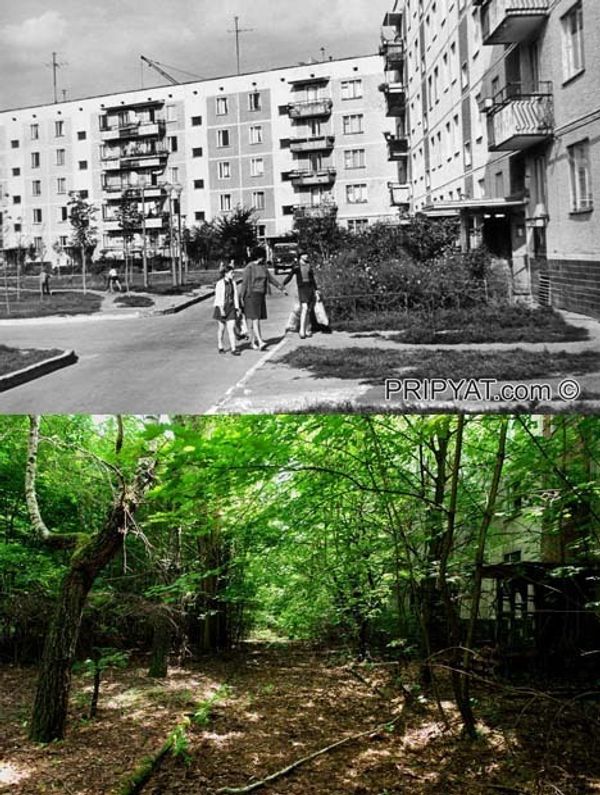
While foreign mass media spoke of a threat to human lives, and the TV screens showed the map of air currents to Central and Eastern Europe, people in Kiev and other cities in Ukraine and Belarus, who were unaware of the disaster, took to the streets to celebrate the May 1 holidays. The authorities, who were responsible for concealing the information, explained this decision by the need to prevent panic among the population.
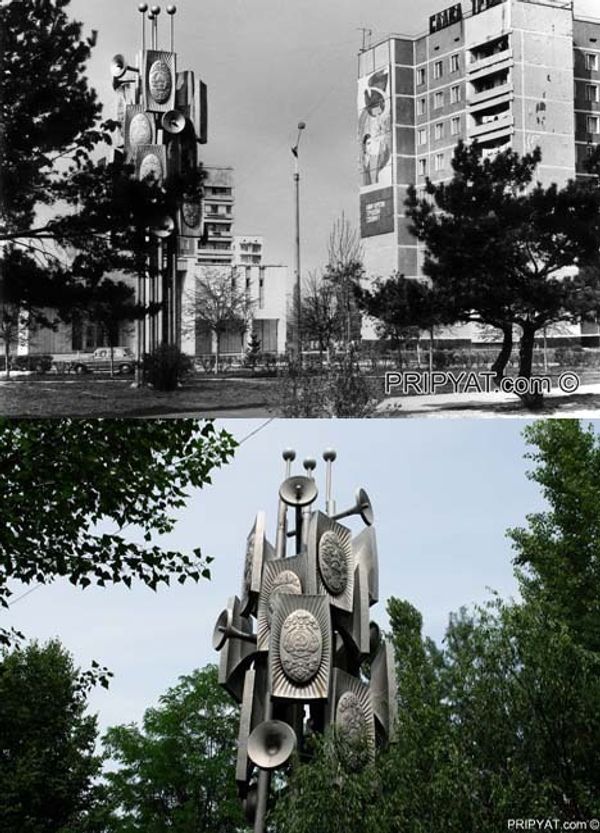
People were asked to prepare for temporary evacuation, to lock their doors and shut down water and gas lines (as after several days they would for sure come back home). But they did not come back in several days or even in several years.

Pripyat, the city abandoned following the Chernobyl disaster, is impressive in that while it is certainly dead for people, it is still alive for trees…

… and animals.
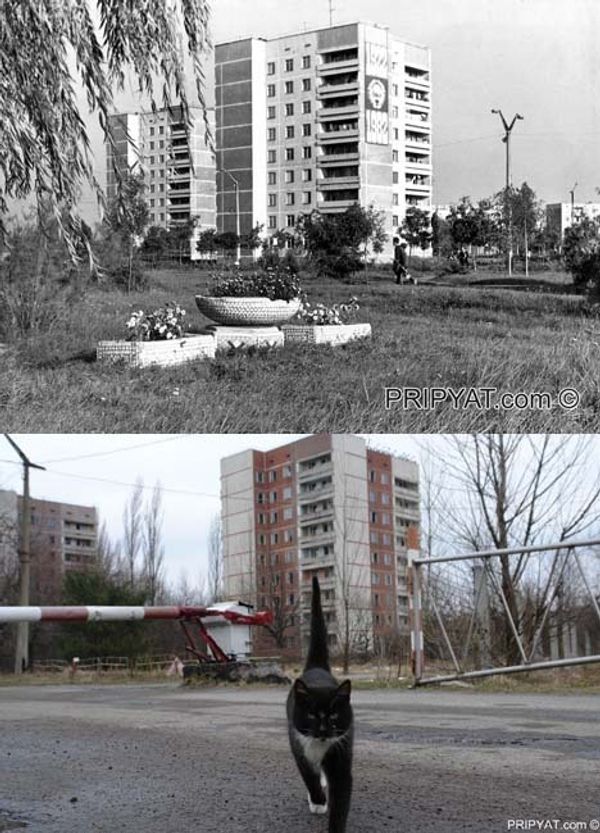
Many legends have grown around Chernobyl. People spoke of rats munching iron rods and the appearance of mutant creatures in the abandoned areas. According to the photo, all of these legends are speculation.
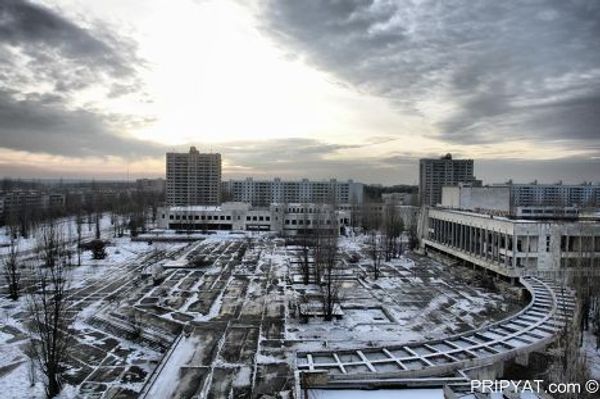
The town of Pripyat after the disaster at the Chernobyl Nuclear Power Plant.