The income and education level of the population, the authorities’ attitude toward businessmen, and the convenience in registering companies – the rates of these categories vary in each Russian city. The Forbes magazine published a list of Russian cities that offer the best conditions for setting up businesses.
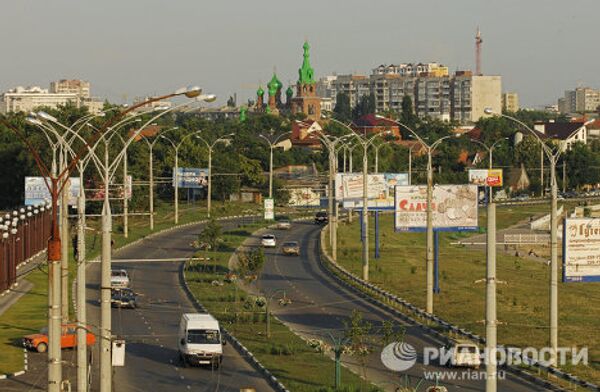
The income and education level of the population, the authorities’ attitude toward businessmen, and the convenience in registering companies – the rates of these categories vary in each Russian city. The Forbes magazine published a list of Russian cities that offer the best conditions for setting up businesses. Krasnodar tops the list.
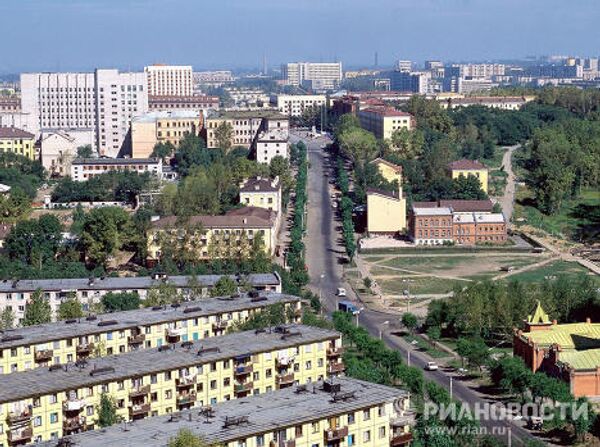
Khabarovsk is the runner-up. The federal highway to connect Khabarovsk with the European part of Russia has not been built yet. However, the city is close to China, where industrial growth has scarcely slowed. In addition, the city benefits from the massive investments made by the federal government to the economy of the Russian Far East.
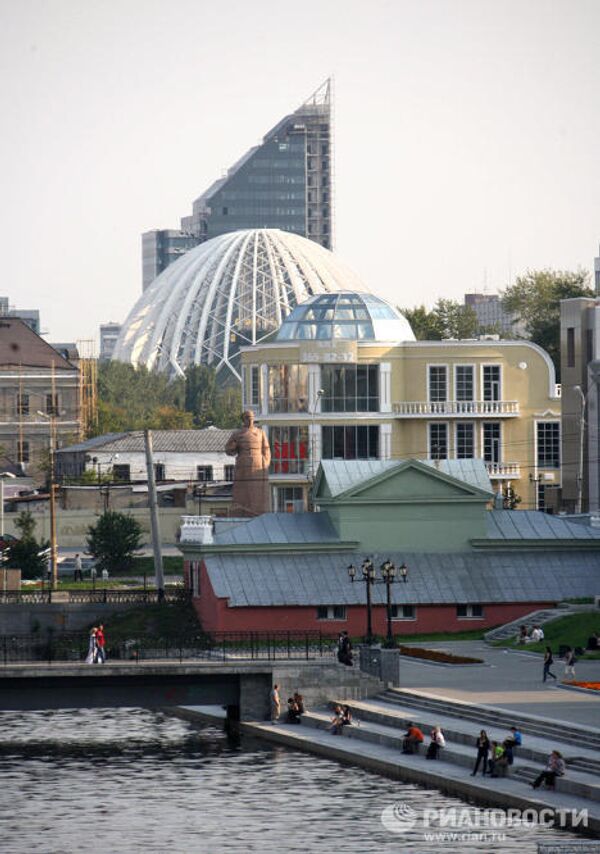
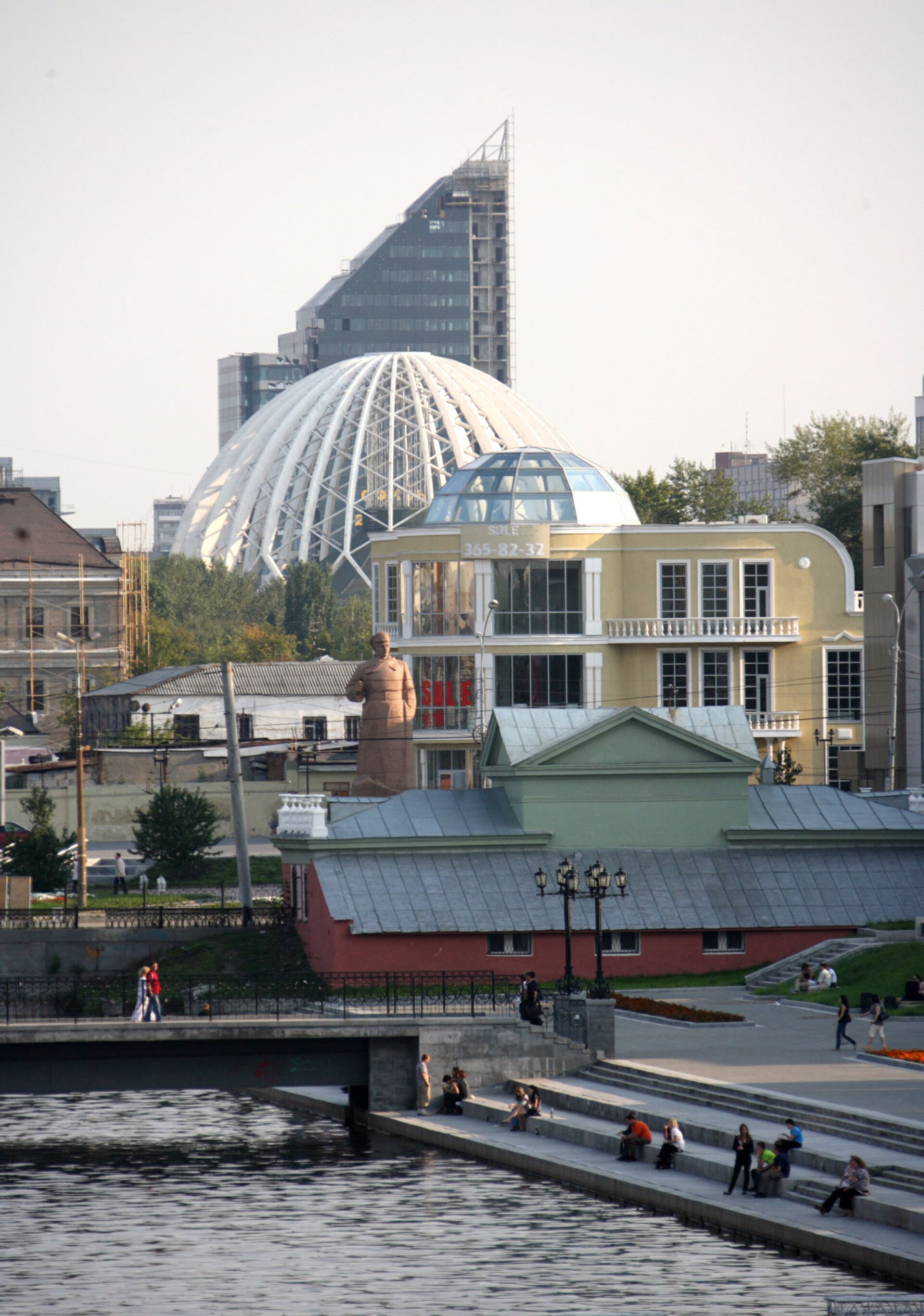
Third on the list is Yekaterinburg. In the summer of 2009, Yekaterinburg hosted the summits of the Shanghai Cooperation Organization (SCO) and BRIC countries. While preparing for these meetings, the city repaired a number of dilapidated buildings and reconstructed the road to Koltsovo Airport, expanding it up to four lanes on each side.
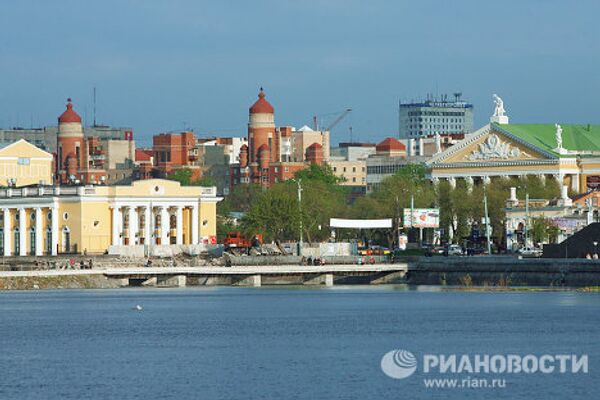
Chelyabinsk occupies the fourth place. Despite the fact that the unemployment rate in the city of metal-makers and engineering workers grew by almost 25%, the city showed steadiness in the face of the crisis: real estate prices and wages dropped only by a very small amount. The Trans-Siberian Railway and a federal highway pass through the city.
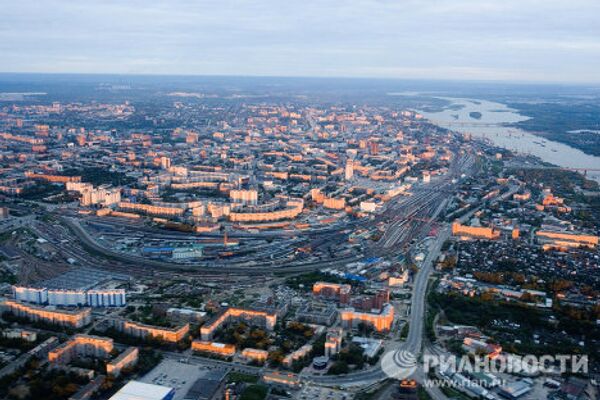
Novosibirsk stands fifth on the list. West Siberia’s largest city suffers from its beneficial location: the city stands on both shores of the Ob River and about 90,000 cars pass over each of the two bridges each day, thus causing huge traffic jams on the motorways adjacent to the bridges. Tolmachevo Airport is the largest in the Trans-Urals.
6/15
© RIA Novosti . Marya Vashuk
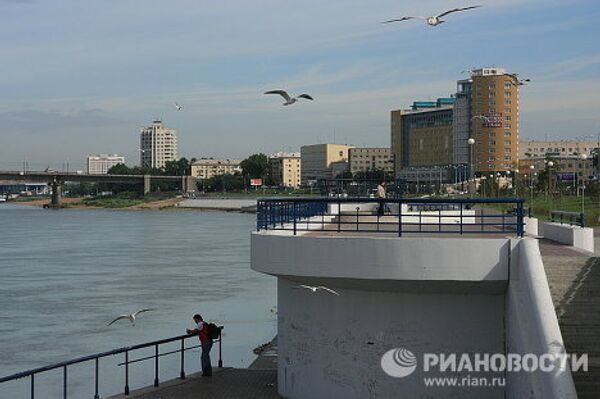
Omsk occupies the sixth position. Petrochemistry accounts for more than 60% of Omsk’s industrial production. This figure has been provided by Gazprom Neft’s Omsk oil-refinery, which has the second largest production volumes in Russia.
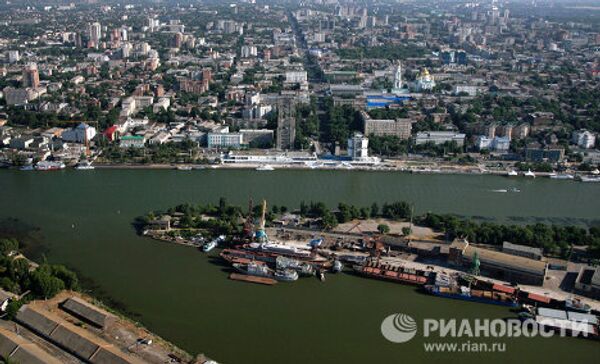
Rostov-on-Don, which holds the seventh position, has handled the crisis quite well. Housing construction dropped only by 17% (while construction of private homes even grew by 3%). Rostov has surpassed Moscow in the number of cars per thousand people with 370 cars against Moscow’s 350. The authorities started building a ring road to relieve the city’s traffic.
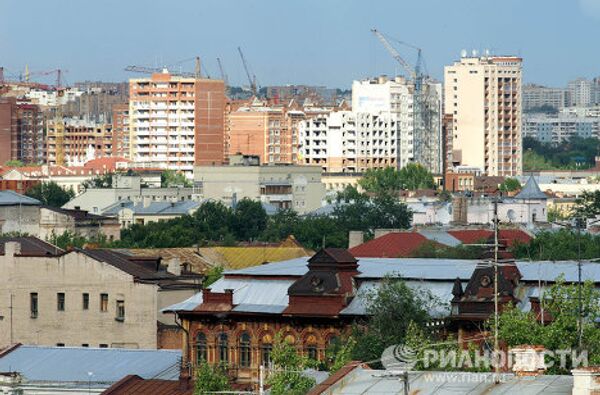
Samara is eighth on the list. Three years ago, a third of Samara’s budget depended on the regional one, but now nine-tenths of it is provided by its own revenues.
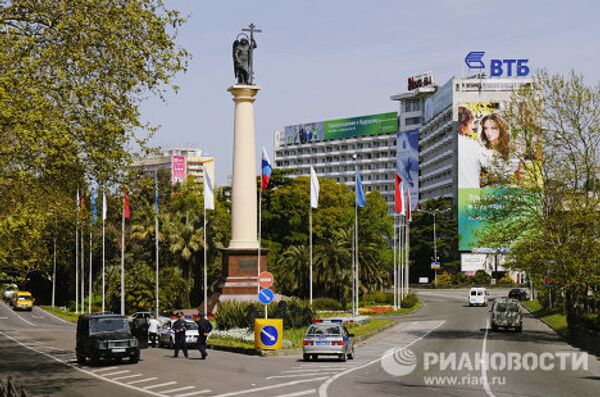
Sochi, which will host the Winter Olympics in 2014, is ninth on the list. Vast funds were allocated to prepare for the Olympic Games here. Of all the funds allocated for the construction of motorways across Russia, 30% went to Sochi.
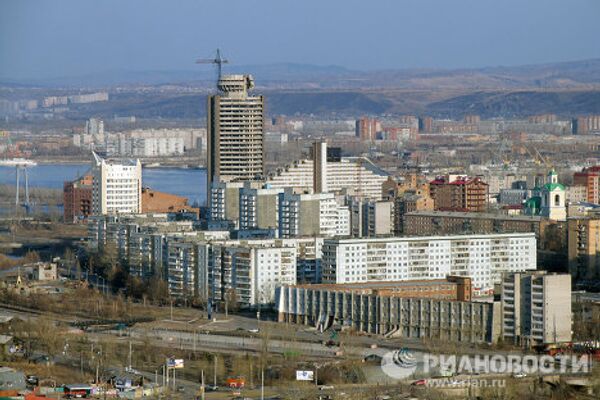
Krasnoyarsk, which suffered from the crisis less than many other large Russian cities, is tenth. The volume of the city’s money turnover shrank by 15% last year, and housing construction reduced by a third compared with the previous year.
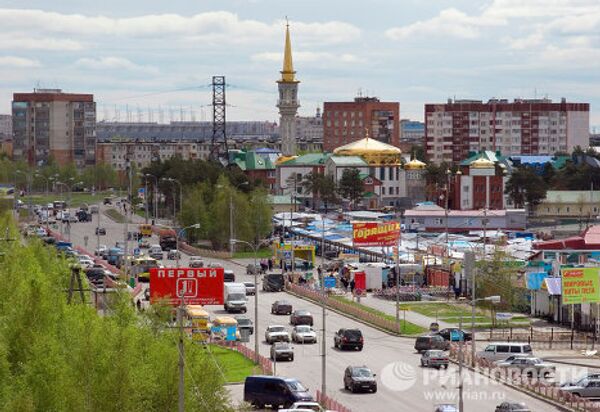
Surgut is in the eleventh spot in the top 15. Residents of Ufa, Kazan and Novosibirsk come to work here: workers are wanted here despite the crisis. Surgutneftegas alone promised to hire 1,400 people this year. And the average wage here is higher than in Moscow.
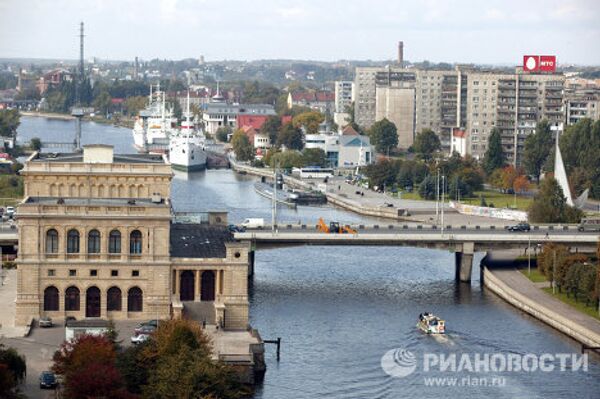
Kaliningrad stands in the twelfth position. Factories assembling electronic devices and cars had been working successfully here before the crisis. Many of them suspended operations last year. In the spring, it was announced that a factory manufacturing Saab cars would be built here.
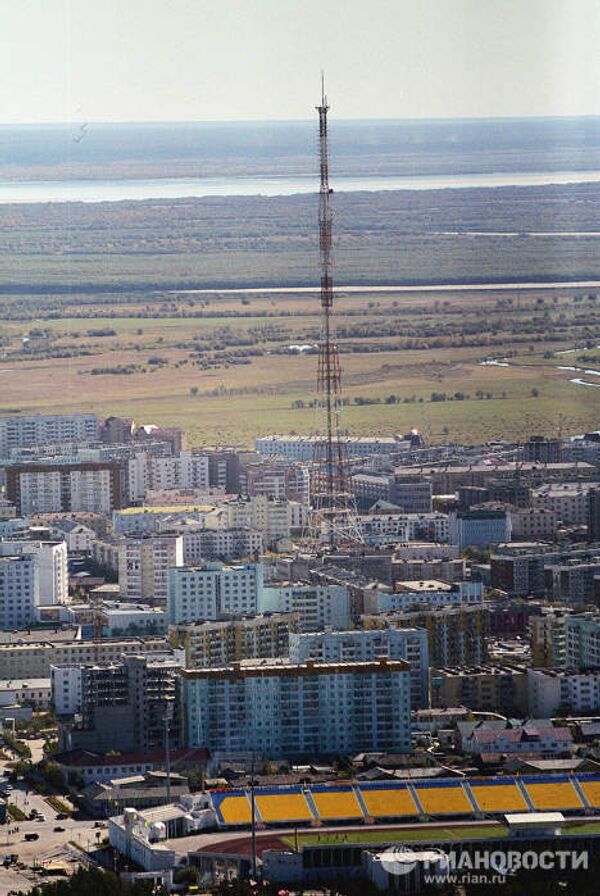
Yakutsk is thirteenth on the list. The city is not reachable by highways or railways, and winter temperatures here drop to minus 60 degrees Centigrade. Here, beyond the Polar Circle, the night lasts all winter. Even with these harsh conditions, the city does not complain about lack of money. Diamonds, coal and oil are produced in Yakutia, and a part of the profits settle in the region’s capital.
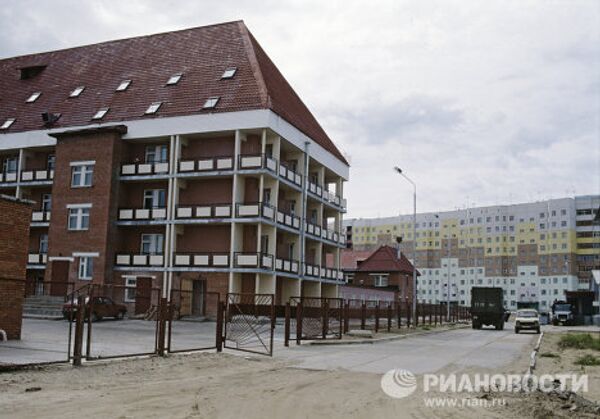
Nizhnevartovsk, Russia’s oil capital, is fourteenth on the list. Work has been going on in the Samotlorskoye oil field, which is the largest in Russia and one of the largest in world, for forty years. TNK-BP holds the license to operate the field. Local entrepreneurs acknowledge that three-fourths of municipal businesses are connected with the oil giant’s activities directly or indirectly.
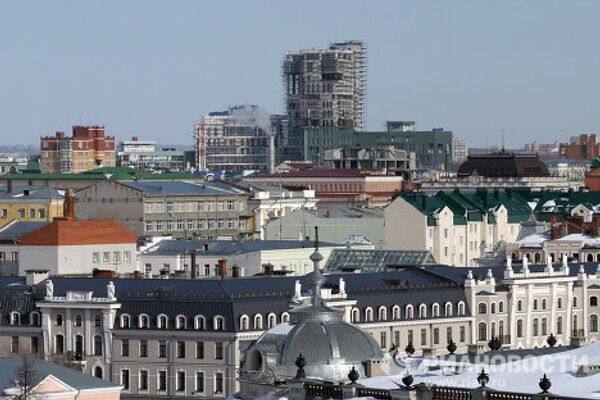
Kazan, whose budgetary deficit has grown four times over, has dropped from the leading positions in the rating to the fifteenth place.