The first taxis appeared in Moscow 85 years ago. June 21, 1925, when the first 15 Renault cars with a yellow stripe drove out of a garage on 2nd Dyakovsky Lane, may be considered the birthday of the Moscow taxi.
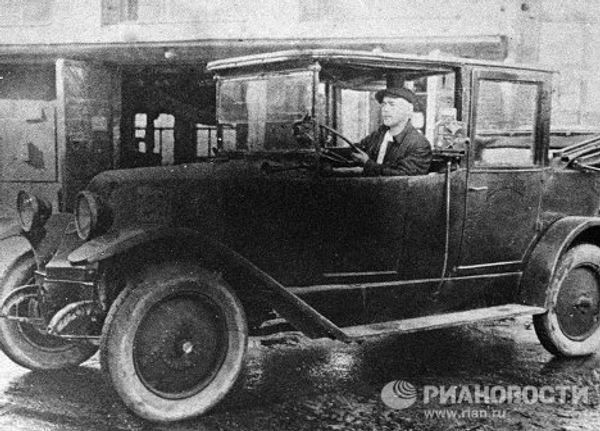
The first taxis appeared in Moscow 85 years ago. June 21, 1925, when the first 15 Renault cars with a yellow stripe drove out of a garage on 2nd Dyakovsky Lane, may be considered the birthday of the Moscow taxi. In the first days taxicabs worked without a vacant run. Many Muscovites wanted to have a ride in a taxi just for the novelty.
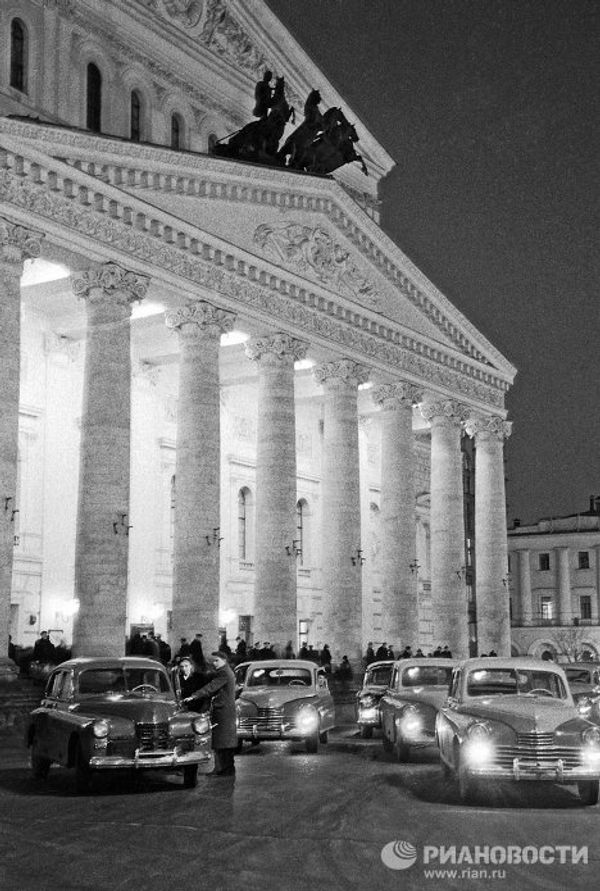
During the Great Patriotic War, taxi parks were closed and the vehicles were mobilized for the war effort. The year of 1945 saw the return of the Moscow taxi. In 1946 taxi parks in Moscow met the new cars - GAZ-M20 Pobeda. To make sure the taxis were different from other cars, the Moscow authorities in 1948 required that they have a unique color scheme - light on top with a gray bottom, gray checkered emblems and a green light signal to show a car was available to take a passenger. Photo: 1951. A taxi near the Bolshoi Theatre, Moscow
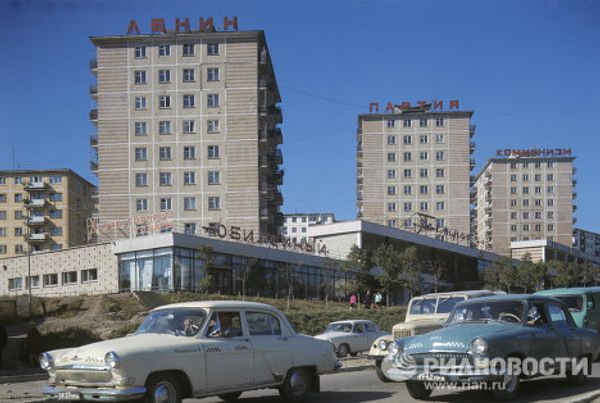
In 1962, Muscovites said farewell to the last M-20 Pobeda taxis and the Moscow taxi park rolled out the new GAZ -21 Volgas.
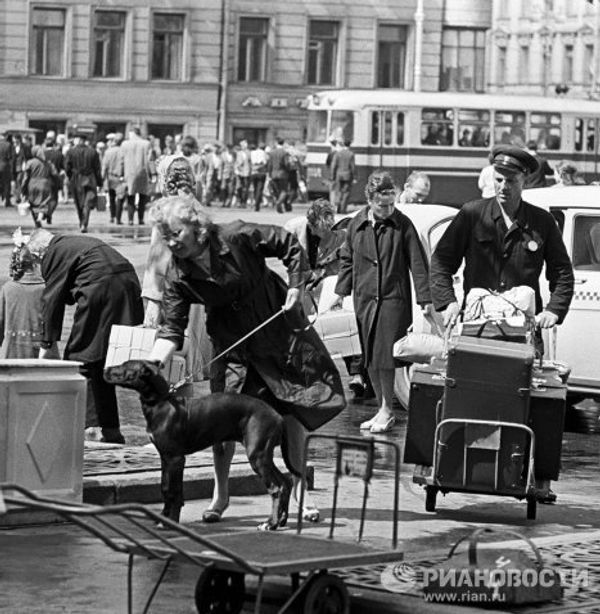
In mid 1960s, the Moscow taxi park exceeded 10,000 cars, but still people waited in lines to get a ride.
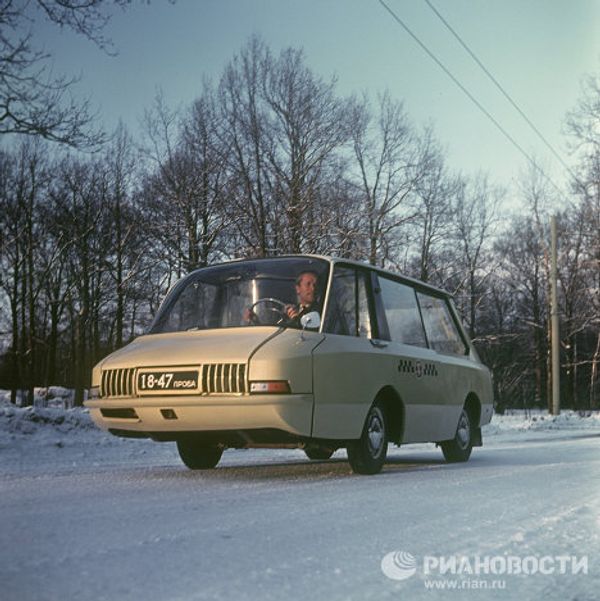
In 1964, an experimental taxi was devised by a scientific-research institute. However, they did not enter mass production.
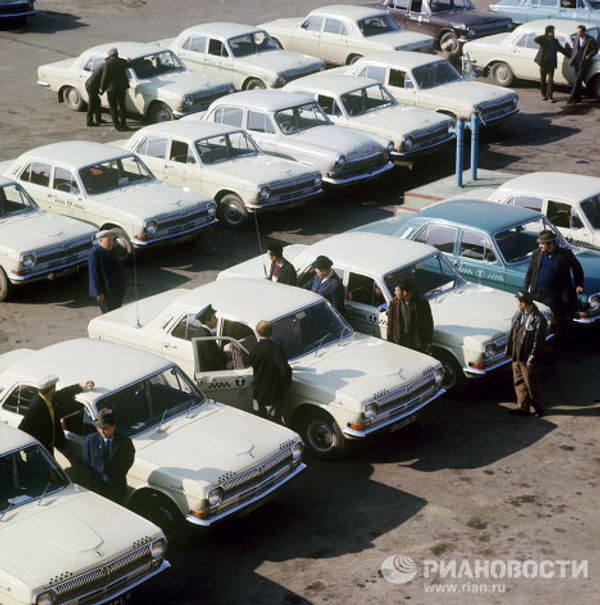
In summer 1970, taxi parks acquired new car models, Volga GAZ 24-01. This car had the greatest number in the system of the Moscow taxi.
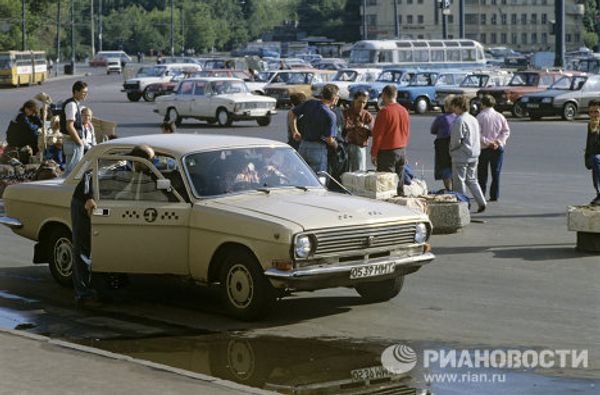
The first cars had different colors, but in 1971 the Gorky car plant introduced a light-green and lemon-yellow color scheme. This became the taxis’ only color for many years.
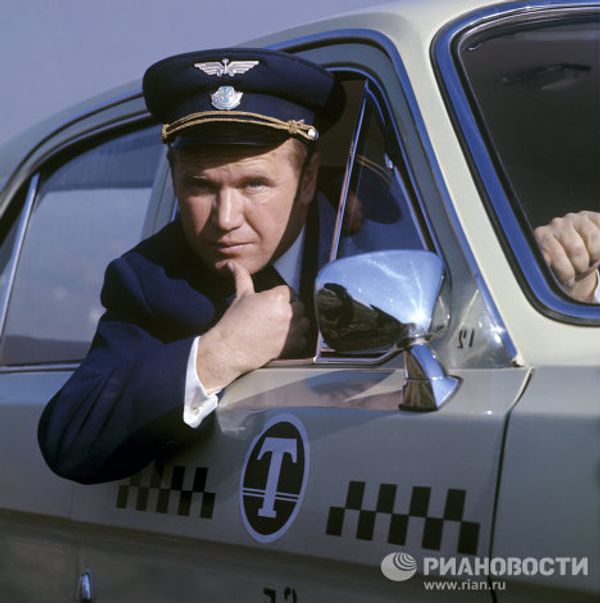
In 1970s, the taxi drivers also received a common uniform.
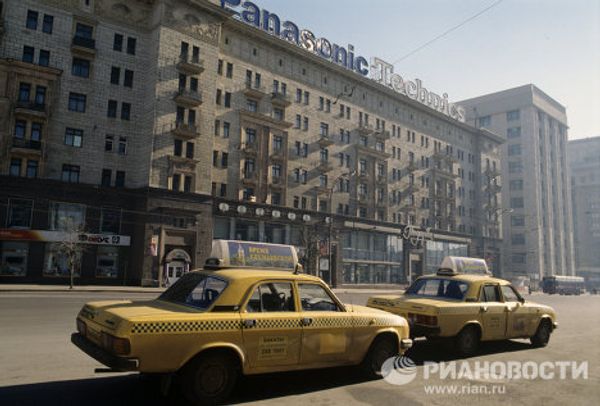
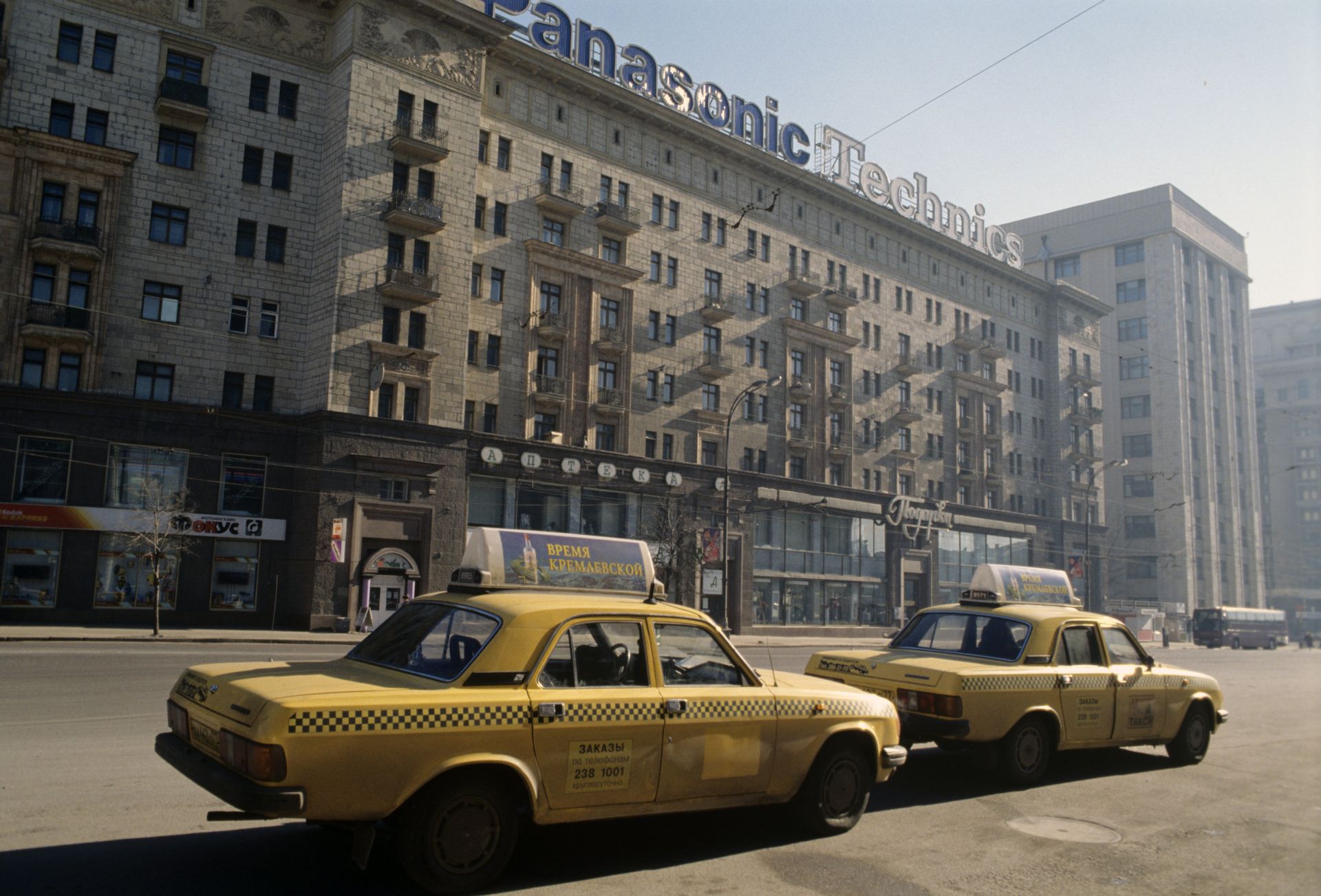
On January 27, 1992, Deputy Moscow Mayor Yury Luzhkov signed a decree on the privatization of taxi enterprises in Moscow. Since then, more vehicles appeared on the city streets, each with a number to call to order a taxi.
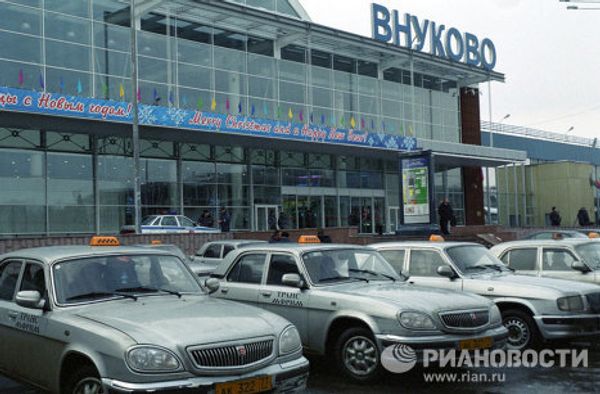
If in the Soviet time one needed to “catch” a taxi, in the 2000s taxi drivers started “catching” passengers themselves. Dozens of cars were available for Muscovites and guests of the Russian capital.
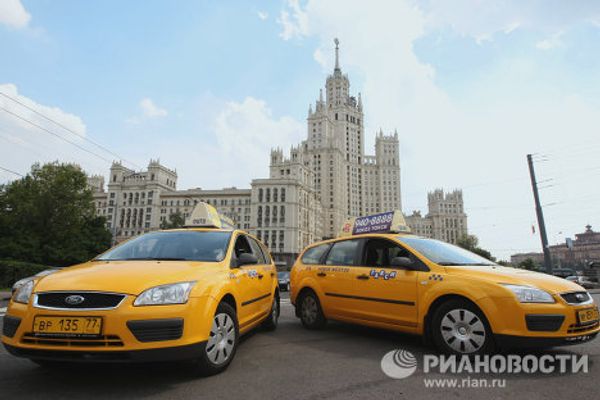
In recent years, a variety of foreign-made vehicles have been added to taxi ranks, and still Moscow’s traffic jams grew.
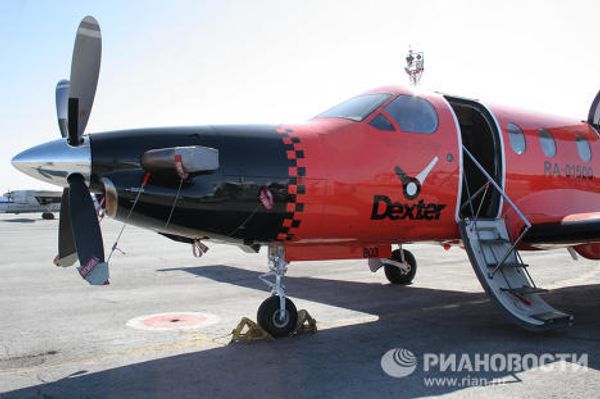
Five years ago there were plans to get around the jams by launching aero taxis to take Muscovites to their countryside cottages or business meetings across town, but they never came to fruition, not least because flights above Moscow are banned on security grounds.