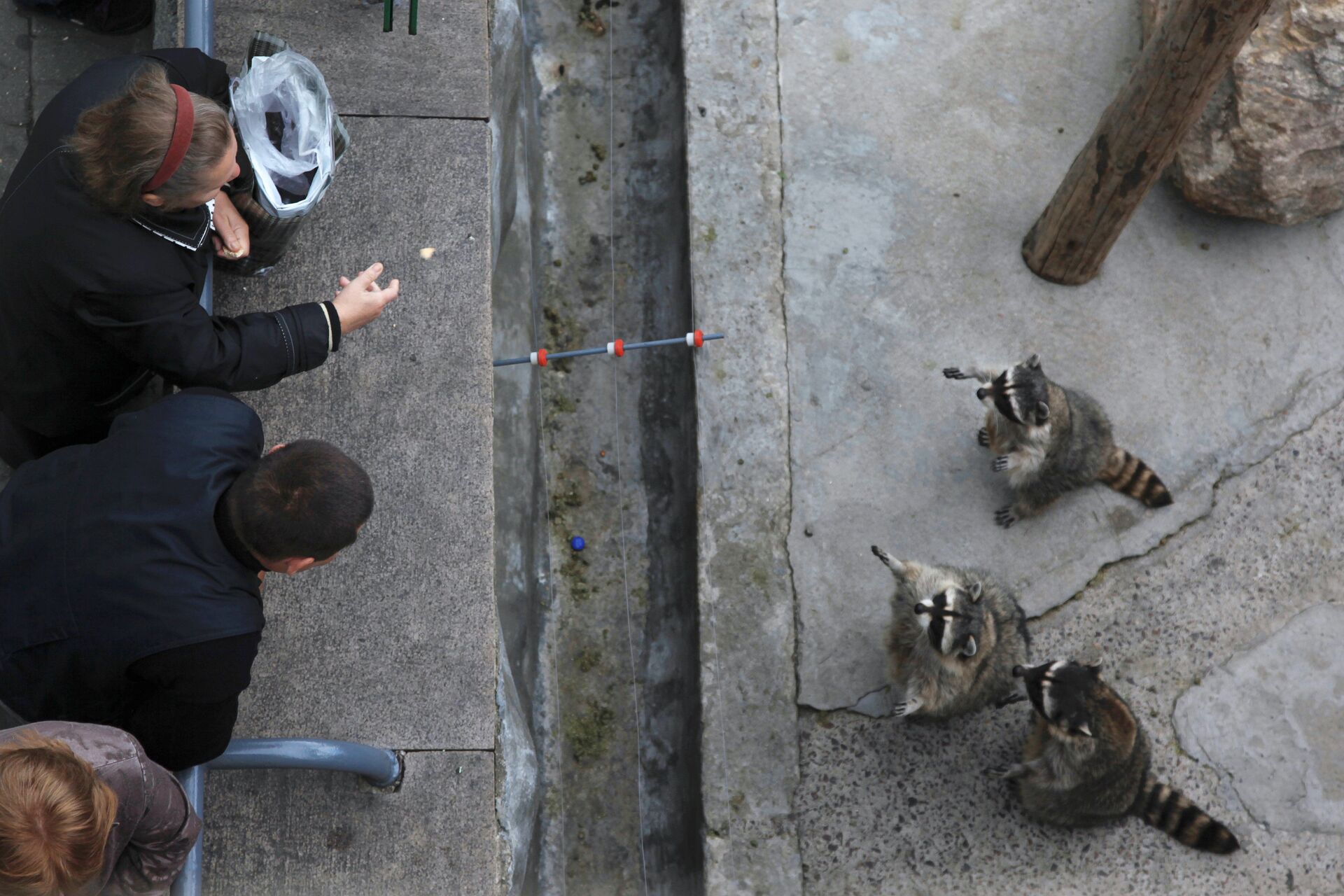
In 2010, the Moscow Zoo marks its 145th anniversary.
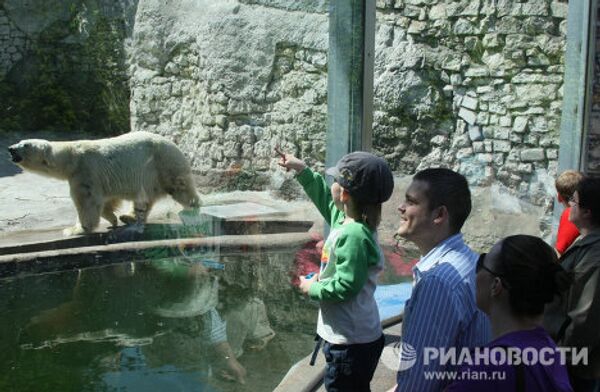
In 2010, the Moscow Zoo marks its 145th anniversary. Photo: visitors at the Moscow Zoo near the polar bear cage.
The official birthday of the zoo is in February. However, this is not the best season for people or animals. That’s why the festivities on the occasion of the anniversary traditionally start in the beginning of summer and continue until autumn. Photo: visitors at the Moscow Zoo near an animal cage.
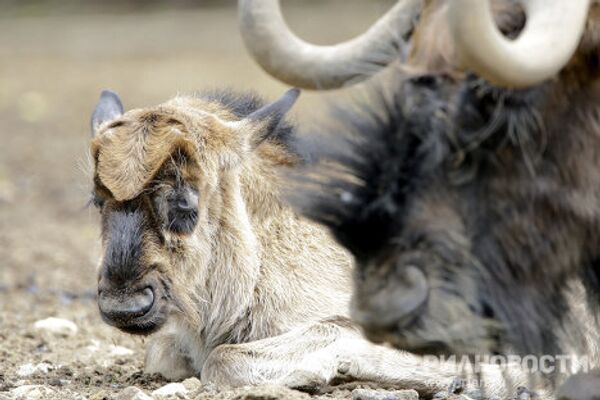
145 years ago, the Moscow Zoo housed a total of 268 animals. The whole city attentively observed the events happening in the zoo. Photo: white-tailed gnu with its calf at the Moscow Zoo.
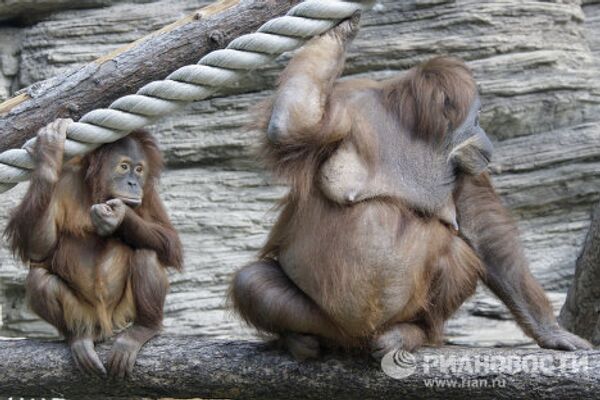
Most animals were sent to the zoo by enthusiasts. It is no wonder that the first inhabitants of the zoo differ so much. Photo: Sumatra orangutan (mother and a baby) in the Moscow Zoo.
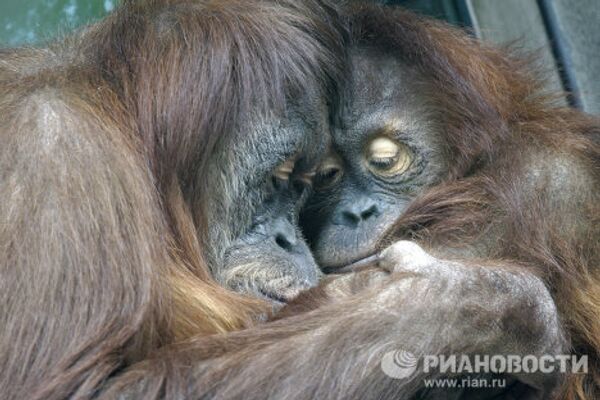
…A total of 12 bears lived in cages, but there were no monkeys. Photo: Sumatra orangutan (father and a baby) in the Moscow Zoo.
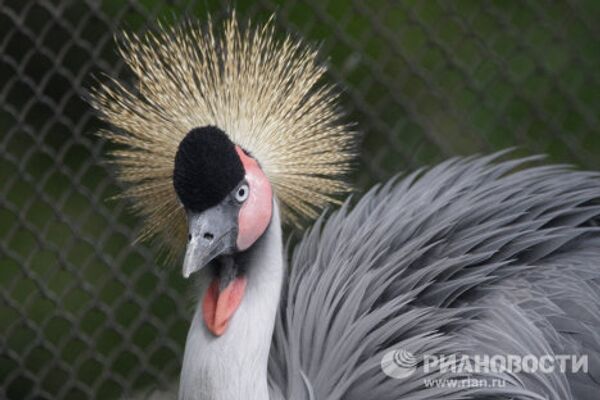
Practically one-sixth of the exhibits in the Moscow Zoo were dunghill hens, ducks and rare species of pheasants that arrived from abroad. Photo: Eastern crowned crane in the Moscow Zoo.
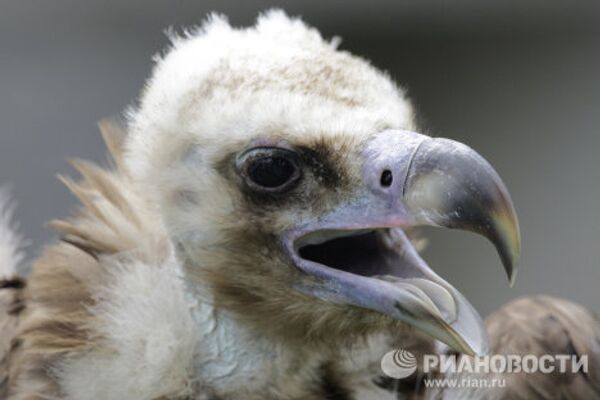
Today, the Moscow Zoo has different animals and birds from all parts of the world. Photo: Griffon vulture at the Moscow Zoo.
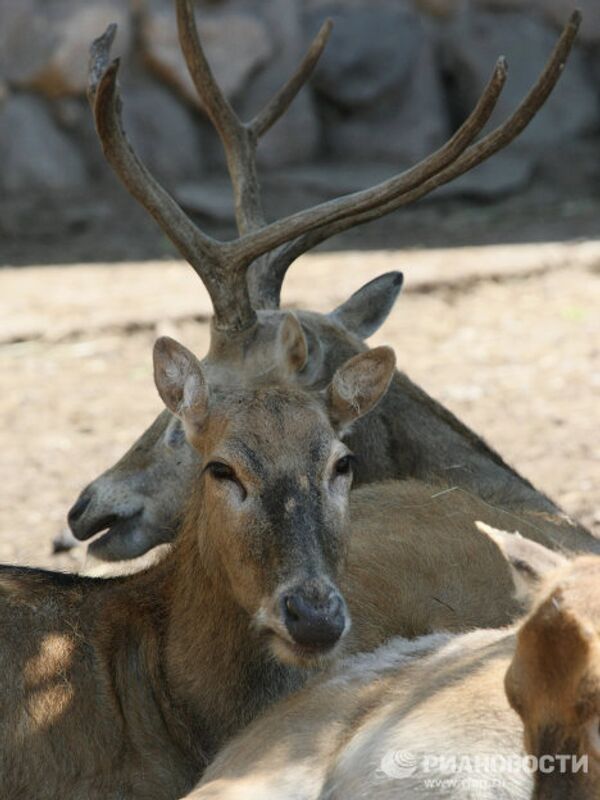
Pere David's deer live now only in zoos. This species has died out in nature. Photo: Pere David's deer at the Moscow Zoo.
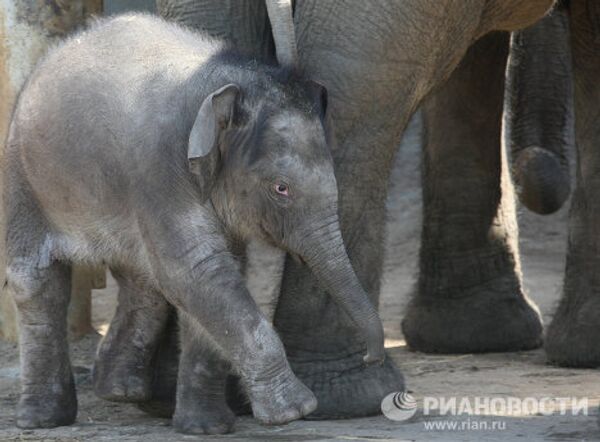
Offspring of various animal species are born in the center of the huge city each year. Photo: an Asian elephant calf during a walk in the Elephant Pavilion, born on April 22 in the Moscow Zoo.
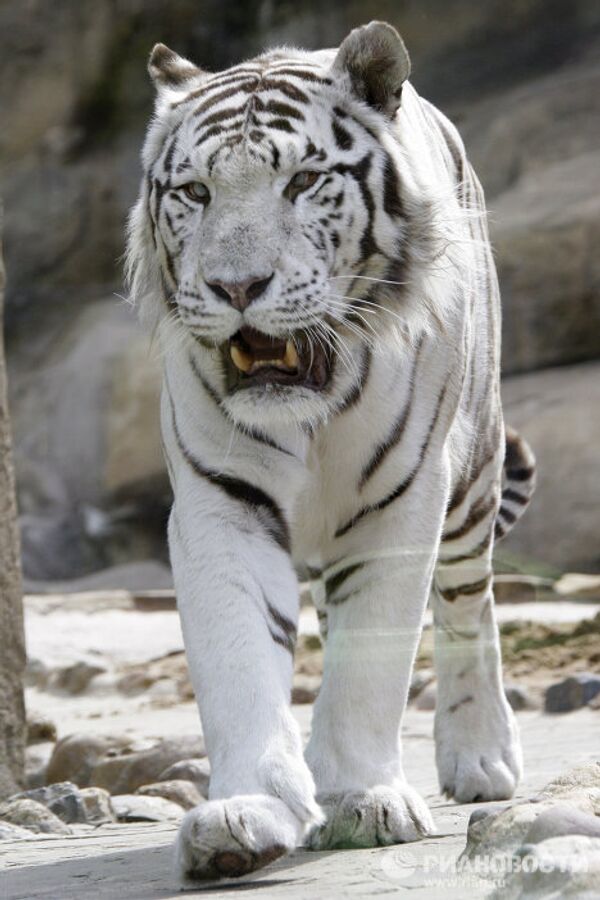
White tigers in the Moscow Zoo differ greatly. The male tiger is big, pompous but playful as he plays with new toys. He loves the swimming pool best of all. He bathes, plays in the water and sometimes sleeps in the pool when it is hot. The female tiger is calmer. She does not enter the water and rarely plays. Only when the tigers were growing, did she enjoy playing with them.
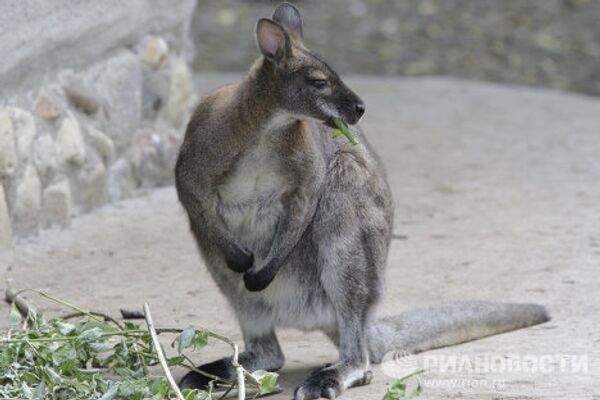
Bennett's tree-kangaroo are common in the northern areas of Queensland and New Guinea. They easily adapt to various conditions and climate. In particular, Bennett's tree-kangaroos in the Moscow Zoo have become so accustomed to the Russian climate that they walk even on cold wintry days.
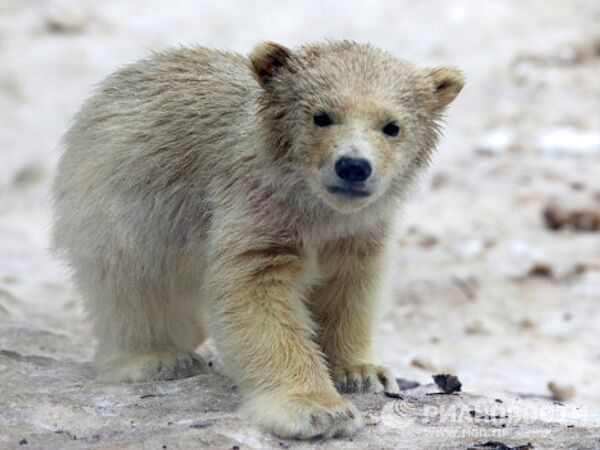
White bear cubs, born three months ago in the Moscow Zoo, come out of their den into an open-air cage.
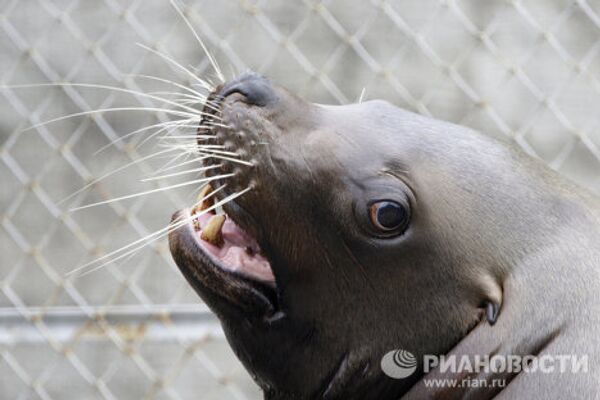
Although sea lions are not under the threat of extinction, they are a protected species included in the Red Data Book. Photo: sea lion in the Moscow Zoo.
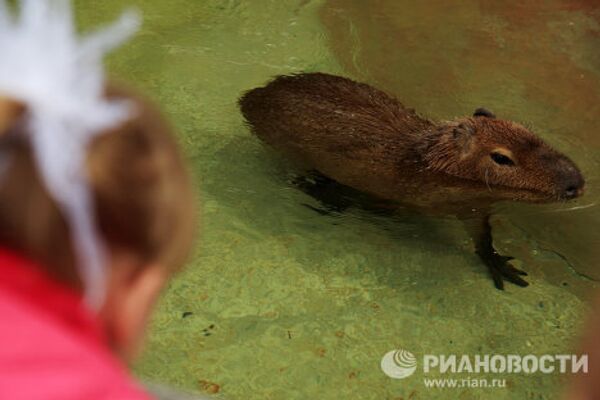
When visitors come down a bridge in the Moscow Zoo and walk around a pond, they can see the lovely and active otters playing.