Russia is celebrating the 30th anniversary of the 1980 Olympics in Moscow. These were the first Olympic Games hosted by a communist state. The Olympics drastically changed the image of the country’s capital. In particular, the event resulted in the appearance of many foreigners on the streets of Moscow.
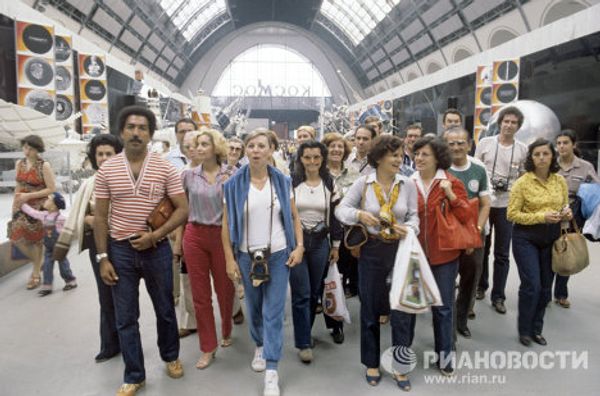
Russia is celebrating the 30th anniversary of the 1980 Olympics in Moscow. These were the first Olympic Games hosted by a communist state. The Olympics drastically changed the image of the country’s capital. In particular, the event resulted in the appearance of many foreigners on the streets of Moscow.
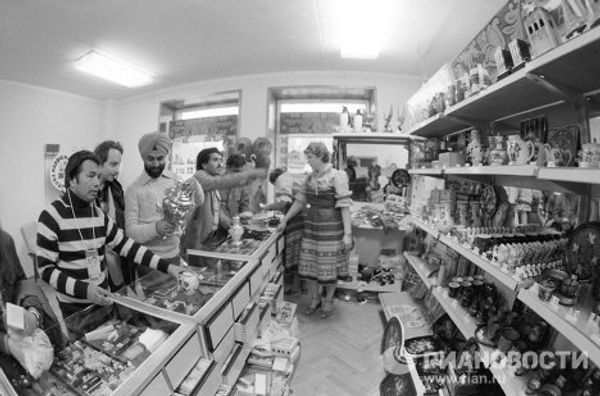
Tourists in Moscow were really interested in finding souvenirs.
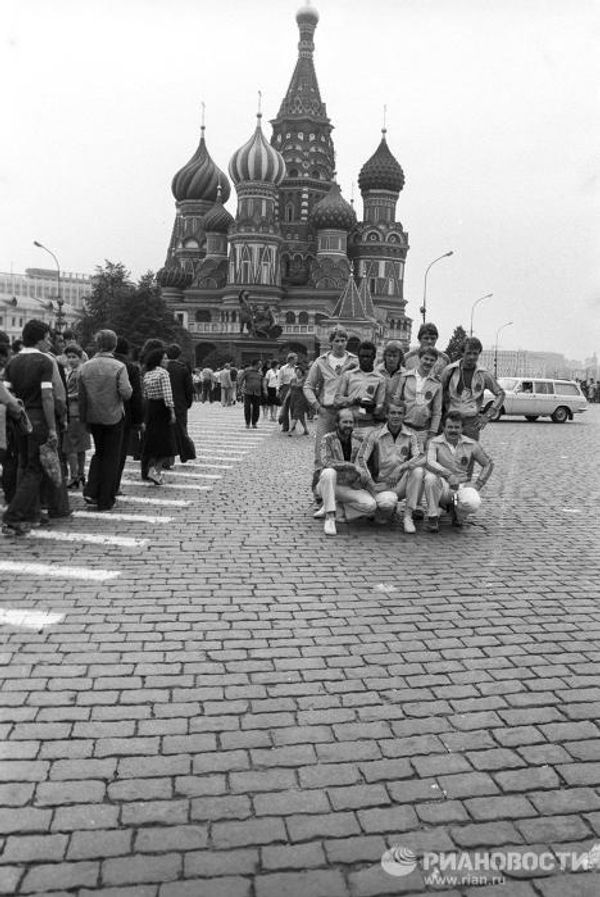
The Olympic Games were a huge financial challenge, but they were also a real headache for the KGB. The security service had to watch out for foreign intelligence agents, terrorists, provocateurs and opponents of the Soviet Union disguised as tourists. Photo: visitors to the Moscow Olympics on Red Square.
The Moscow Olympics were a serious event and anyone undermining the public image of the city was removed from the capital, including those who did not meet moral standards. Dissidents, violent mental patients and criminals were sent 100 km beyond the city borders a year before the games. People living outside Moscow were not allowed to enter the city. The capital was half empty.
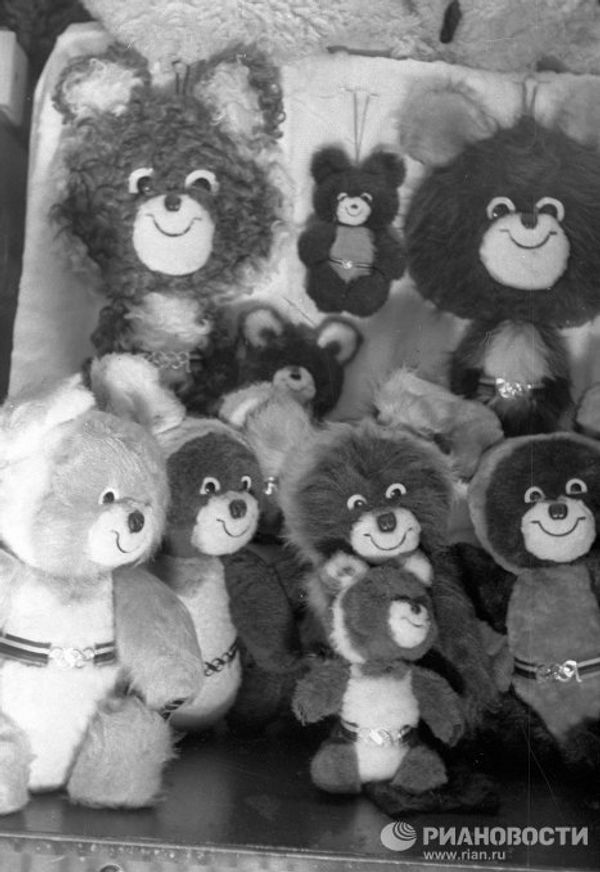
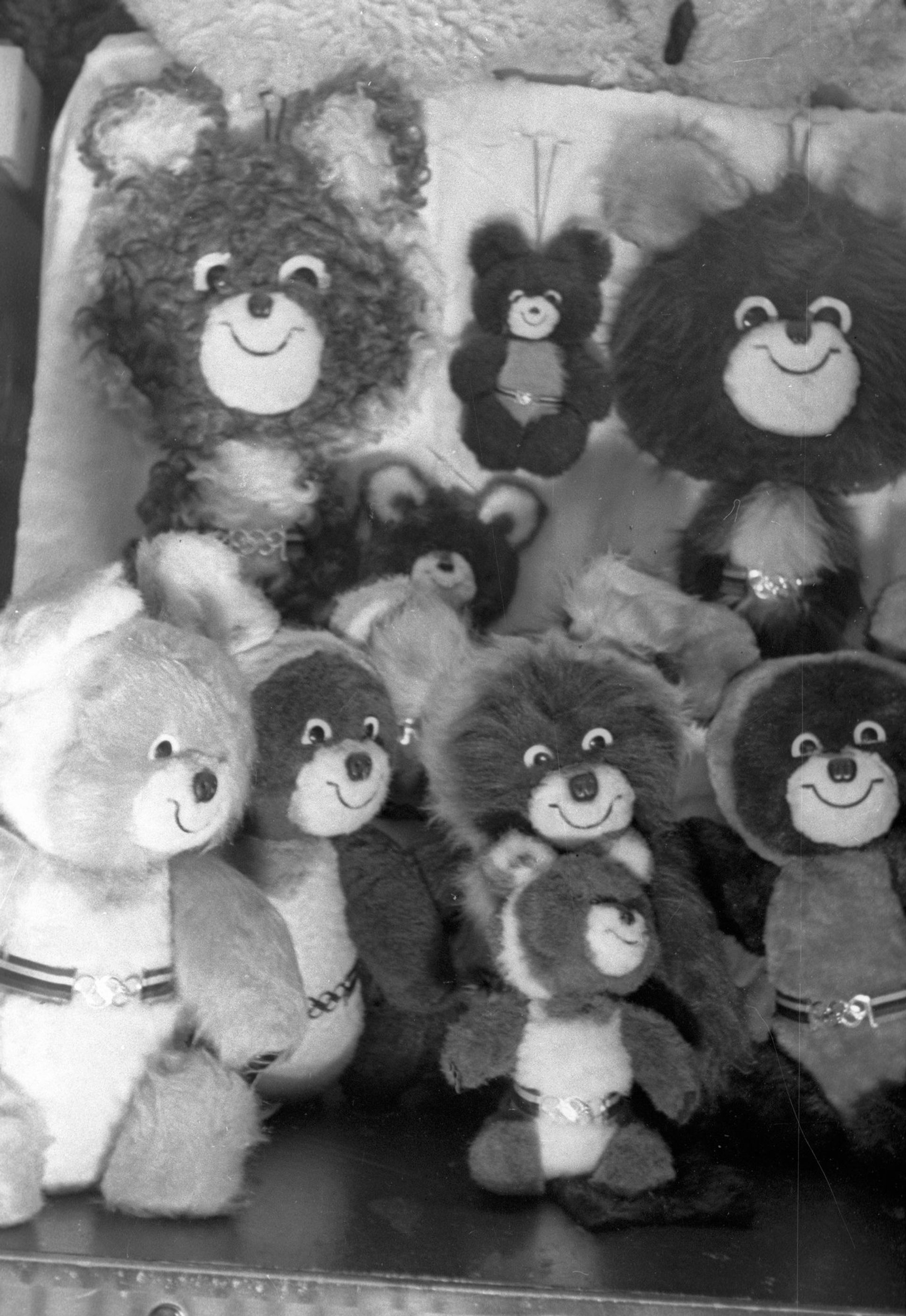
The Olympic Bear was the mascot of the 1980 Olympic Games. It appeared in huge numbers on various souvenirs such as pins, key chains, hats and t-shirts. Every Soviet child dreamed of having a stuffed Olympic bear.
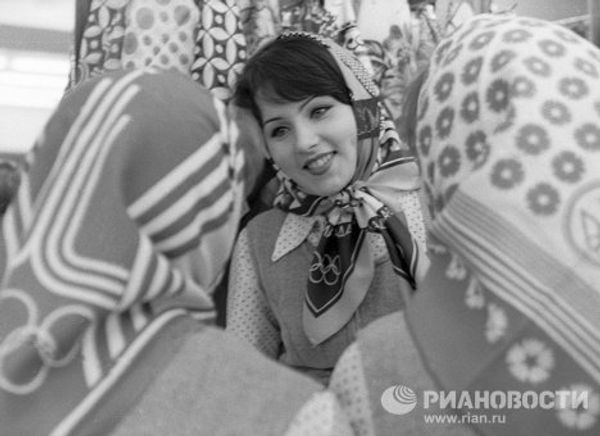
The logo for the 1980 Olympics was an image of five intertwined rings with lines rising above them, depicting the athletic tracks, crowned with a star. This image appeared on bags and clothes.
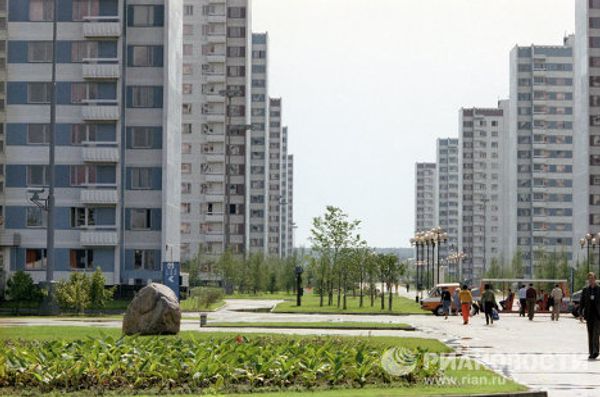
A cycling track in the Krylatsky District, the Olympic Sports Complex and the Olympic Village (a housing development for international athletes) were built as part of preparations for the 1980 Olympic Games. Apart from accommodations, the Olympic Village incorporated training grounds, a concert hall and a recreational area. There were bars and restaurants, hairdressing and beauty salons, shops, schools and kindergartens. And noiseless electric trains traveled across Olympic Village.
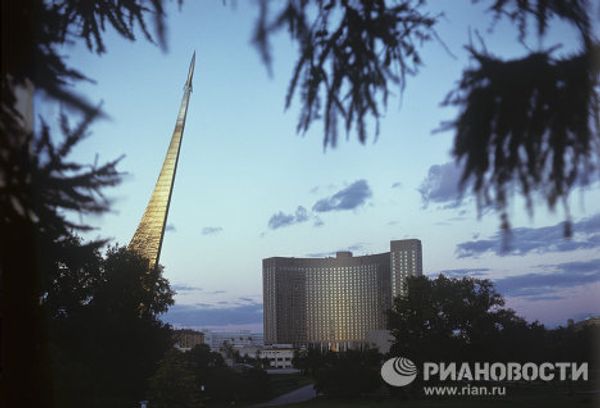
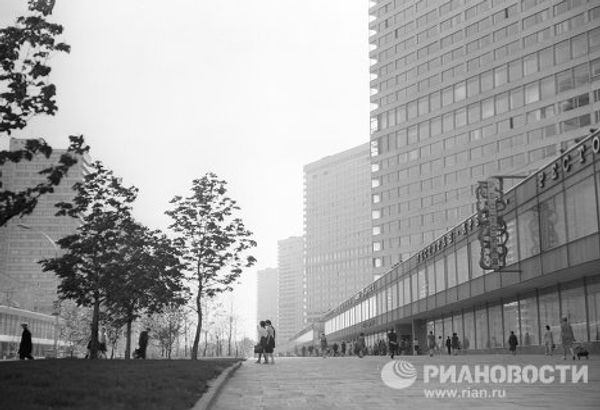
The capital saw the construction of some facilities not necessarily serving a purpose for sports such as the Salyut and Kosmos Hotels (pictured)…
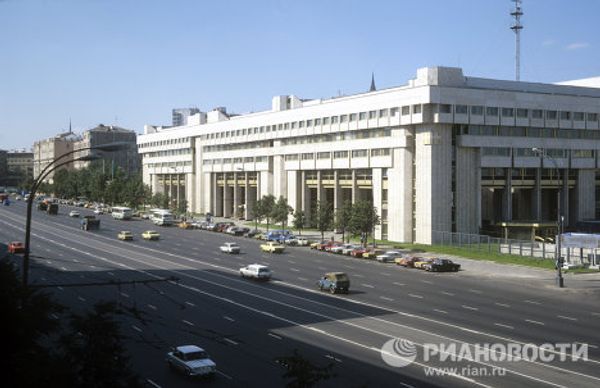
… and a press center building for the Olympics, which is now RIA Novosti’s headquarters.
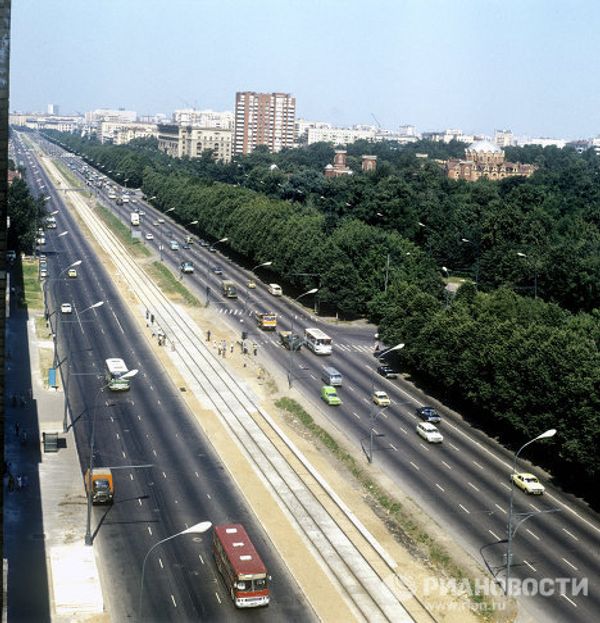
All Olympic facilities were within a short driving distance from each other. There were no traffic jams in Moscow in July 1980. Even one of the major highways, Leningrad Avenue, connecting Sheremetyevo International Airport with the city center, which is always crowded nowadays, was clear.