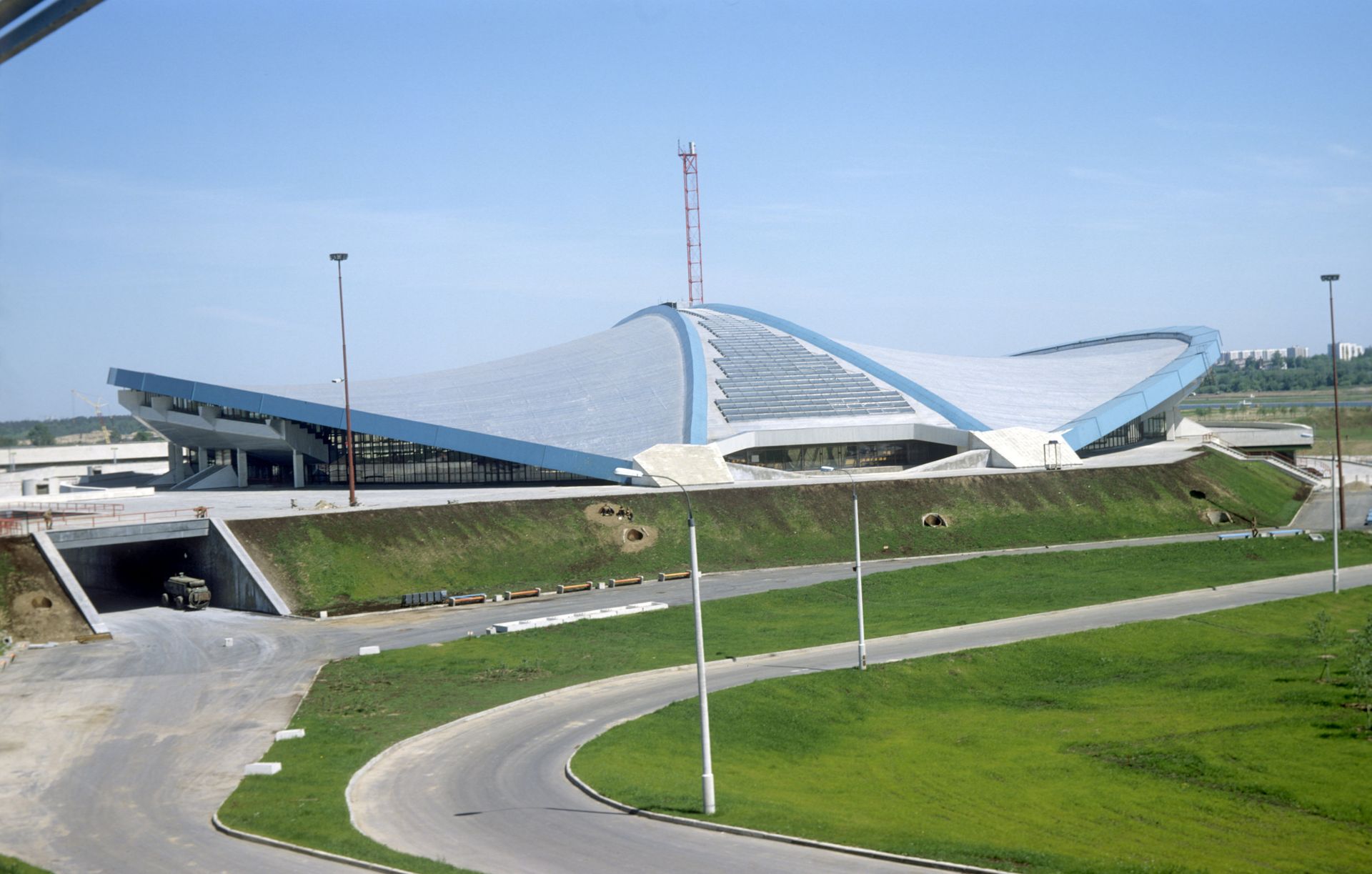
Preparations for the 1980 Olympics in Moscow changed both the rhythm of life in the capital and its appearance. Many new buildings were constructed around Moscow, including stadiums and hotels.
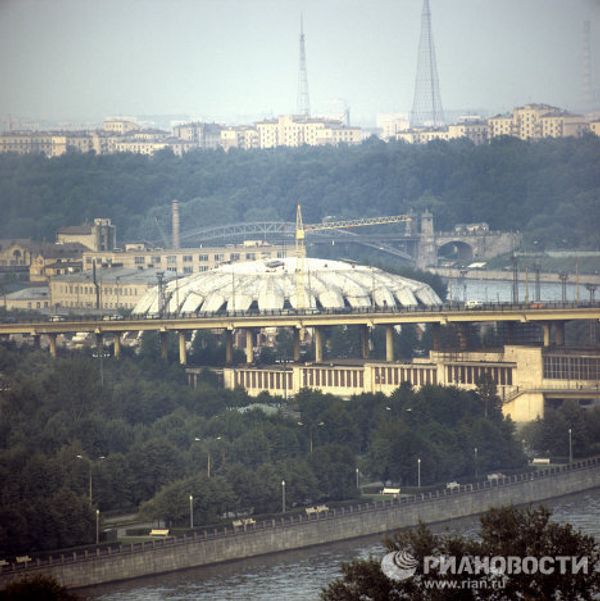
Preparations for the 1980 Olympics in Moscow changed both the rhythm of life in the capital and its appearance. Many new buildings were constructed around Moscow, including stadiums and hotels. Photo: Construction of the Druzhba Universal Sports Hall.
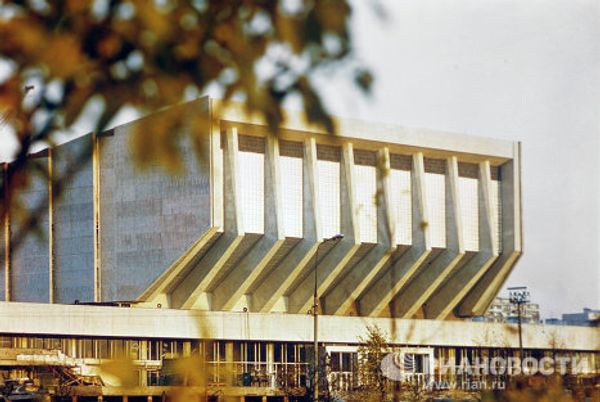
The Dynamo Sports Palace hosted Olympic basketball and handball matches in summer 1980.
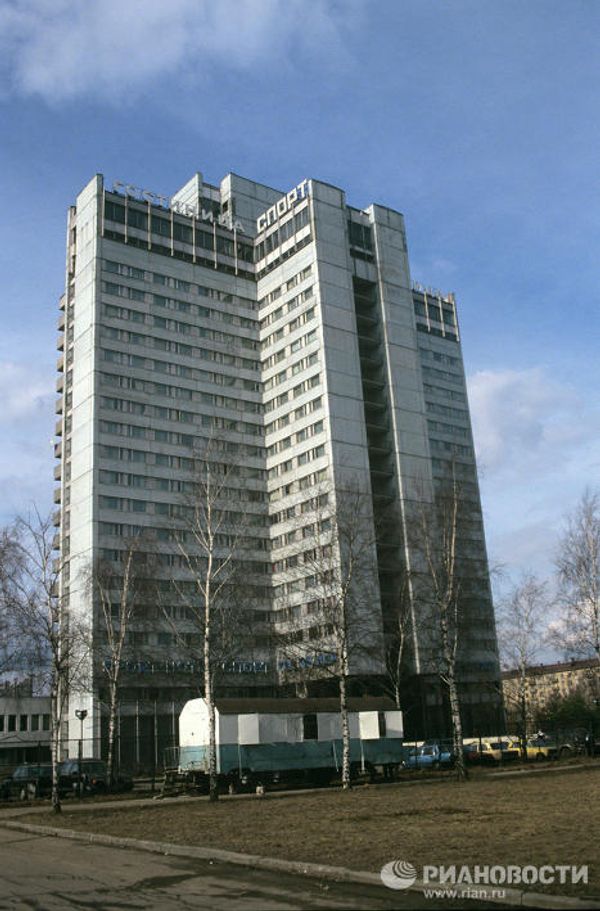
In 1979, the Sport Hotel was built on Leninsky Prospekt, where it stood for 25 years. The building was deemed unsafe and demolished on September 25, 2004. A hotel and entertainment complex was initially planned for the newly vacant site, then an office building. The lot remains empty to this day.
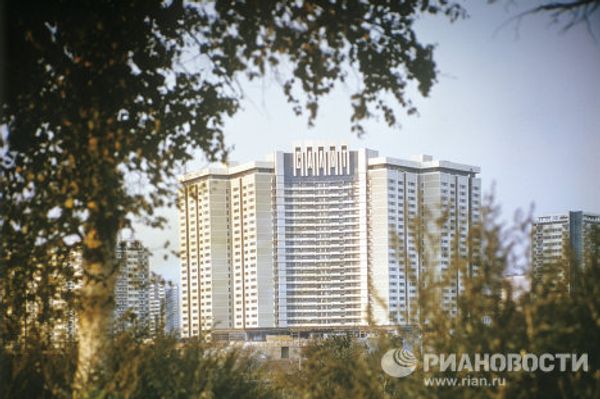
In addition to the Sport Hotel, two more hotels were built for the Olympics: Salyut and….
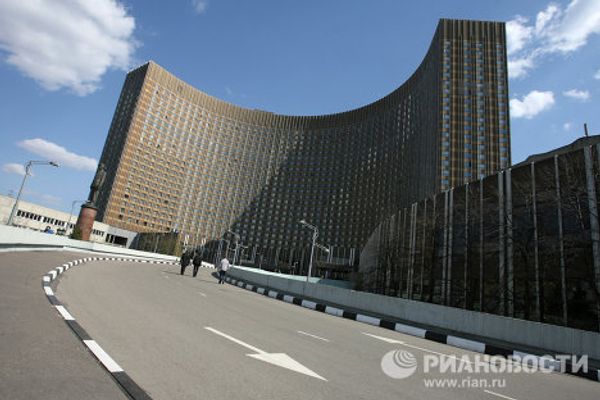
… Kosmos. Soviet and French architects worked together on the design of Kosmos.
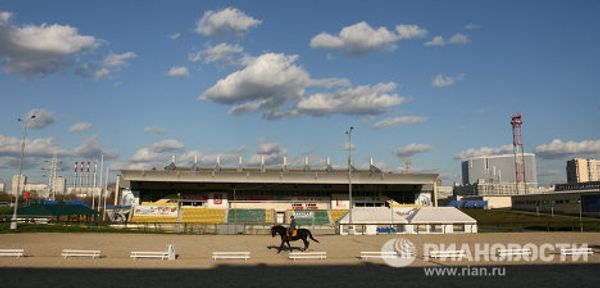
The Bitsa Equestrian Sports Complex, one of the largest of its kind in Europe, opened on July 4, 1980. It regularly hosts show jumping, dressage and vaulting competitions, from amateur tournaments to championships and Russian Cups.
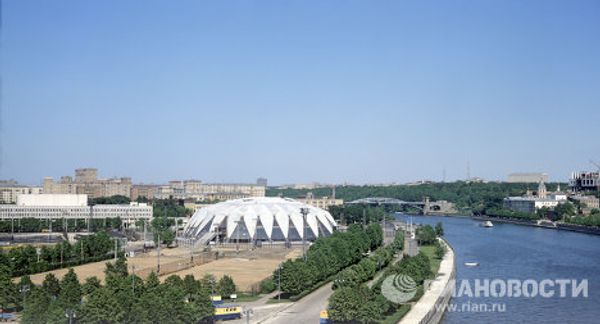
The Druzhba Universal Sports Hall was also built for the 1980 Olympics. Located on the Moskva River embankment near the Vorobyovy Gory metro station, this starfish-shaped building hosted volleyball matches during the Moscow Olympics. Druzhba is Moscow's largest tennis stadium.
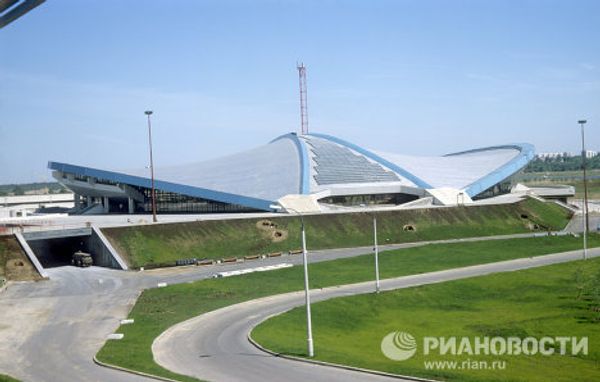
A velodrome was built in Krylatskoye for track cycling…
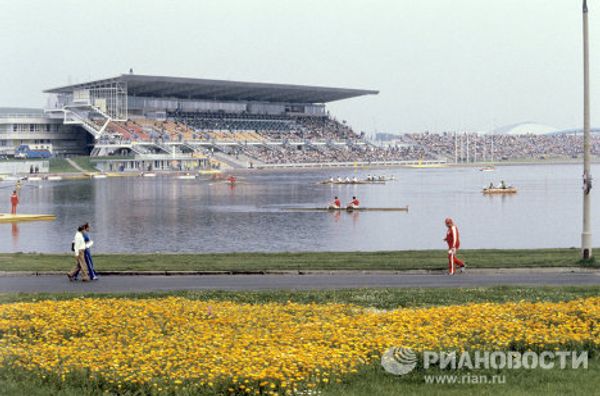
… as well as a rowing canal and archery grounds. Photo: the Krylatsky rowing canal.
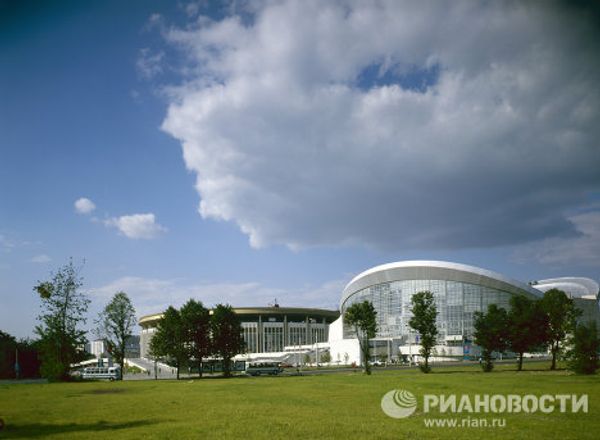
Olimpiisky Prospekt street was constructed parallel to Prospekt Mira street. It has a swimming pool and Europe’s largest covered stadium with unsupported membrane roofing. The roof is the size of four football pitches.
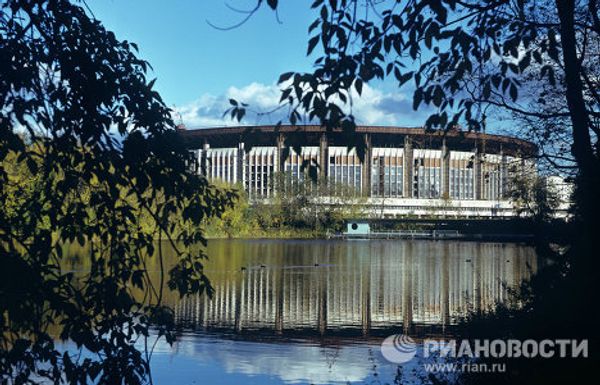
A universal stadium holding 45,000 people was built at the same time (known today as the Olimpiisky Sports Complex) and….
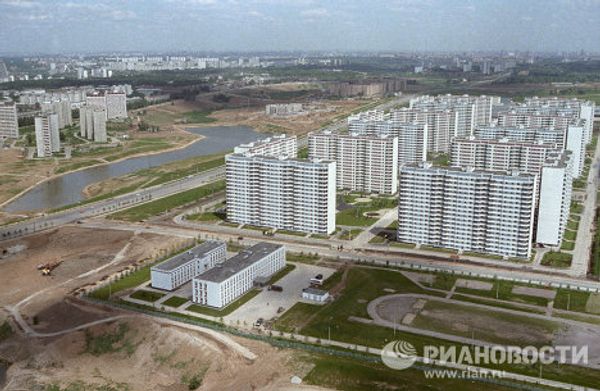
… a new Moscow neighborhood, the Olympic Village, was born.
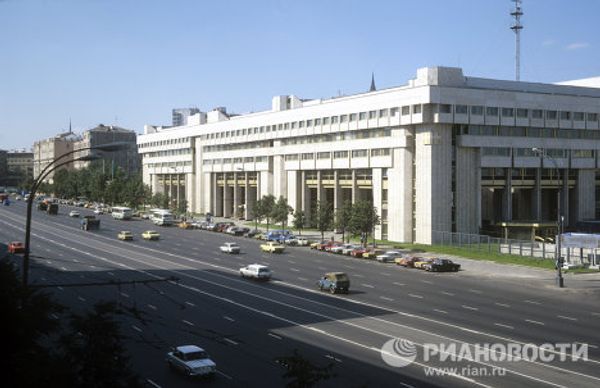
The history of the RIA Novosti building also begins with the 1980 Olympics. Construction of one of the main Olympic buildings, the press headquarters, began in 1976, four years before the Olympic Games. The building has changed significantly over the course of its thirty-year history.