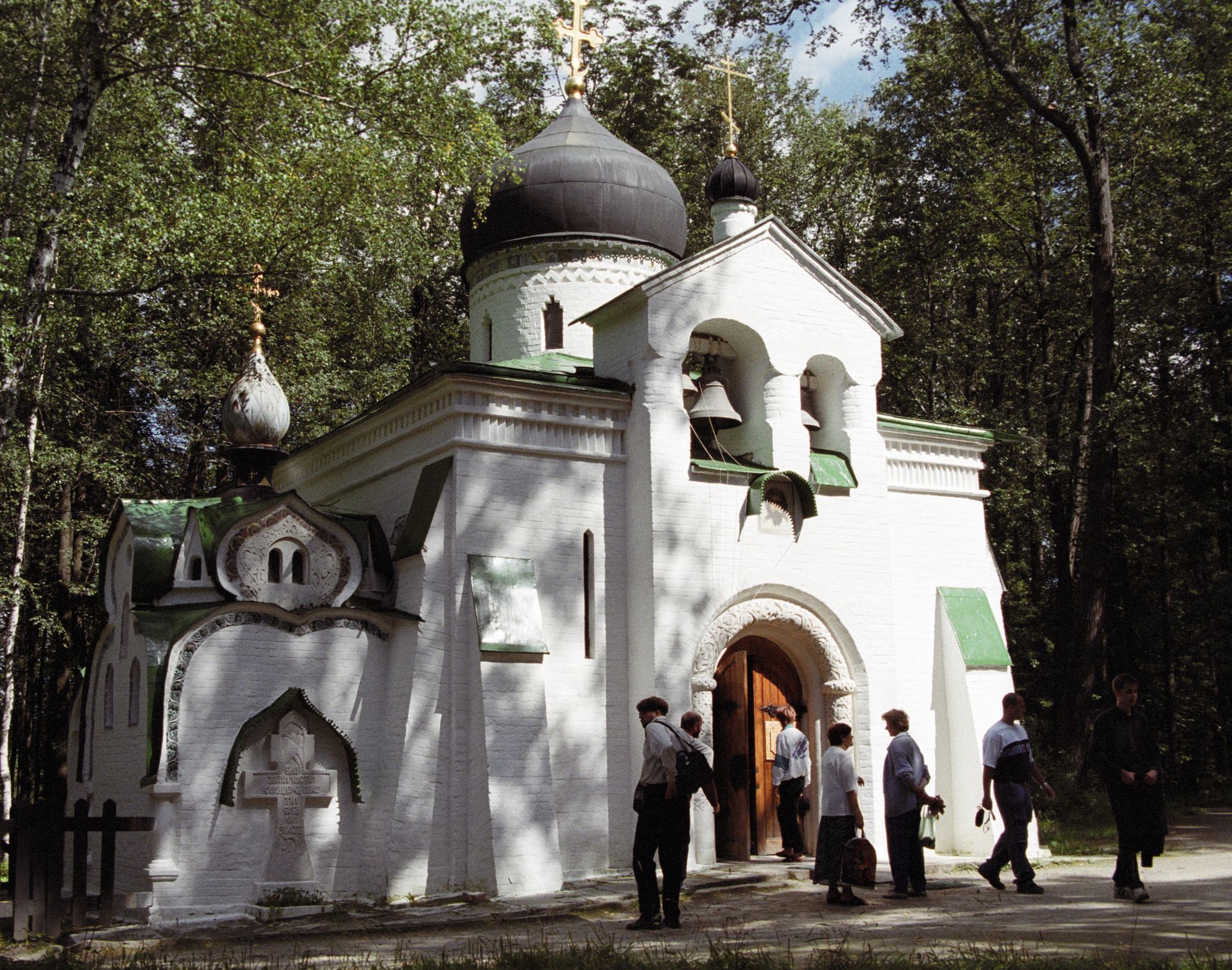
August 11 is the 90th anniversary of the foundation of the Abramtsevo Museum and Nature Reserve. Over the years this village has been central to many of the finest achievements in Russian culture. The writer Sergei Aksakov lived and wrote here, Nikolai Gogol and Ivan Turgenev visited this place, and the philanthropist Savva Mamontov gathered the best Russian painters of the 20th century here: Vasily Polenov, Viktor Vasnetsov, Ilya Repin, Valentin Serov, Konstantin Korovin and Mikhail Vrubel.
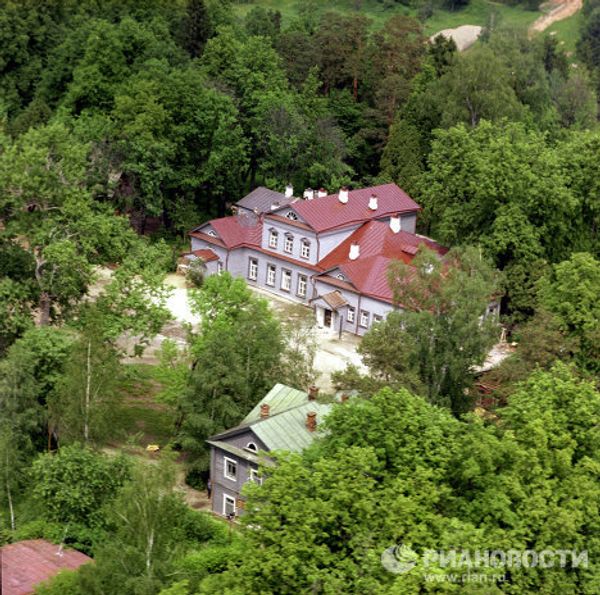
August 11 is the 90th anniversary of the foundation of the Abramtsevo Museum and Nature Reserve. Over the years this village has been central to many of the finest achievements in Russian culture. The writer Sergei Aksakov lived and wrote here, Nikolai Gogol and Ivan Turgenev visited this place, and the philanthropist Savva Mamontov gathered the best Russian painters of the 20th century here: Vasily Polenov, Viktor Vasnetsov, Ilya Repin, Valentin Serov, Konstantin Korovin and Mikhail Vrubel.
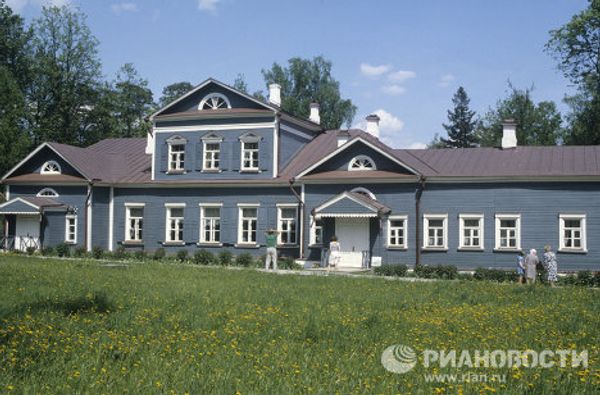
A one-storey estate in the center of Abramtsevo (photo) was built by its first owners – the Golovins – at the end of the 18th century. This is the estate’s oldest building.
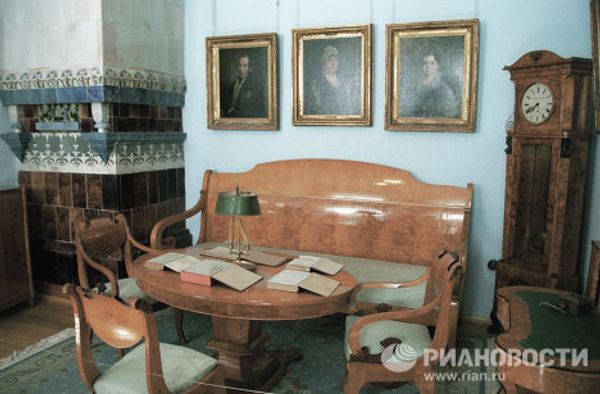
In 1843, writer Sergei Aksakov bought Abramtsevo. Nikolai Gogol and Ivan Turgenev were among his guests. Photo: an exhibition in the Abramtsevo Museum about the Aksakov family.
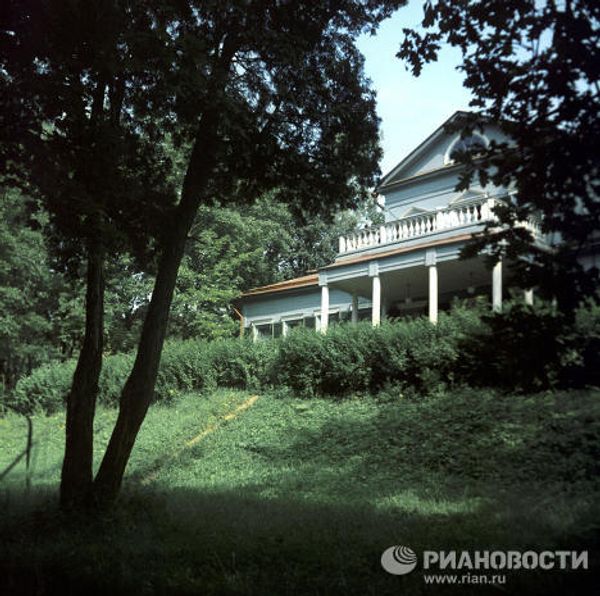
The Mamontovs bought the estate in 1870, by that time it had become rather dilapidated, so they had to replace the roof and even build a new foundation. As a result, they also extended the first floor to the south, and the mezzanine to the north adding a bay window overlooking the park. Photo: mezzanine and balcony of the Abramtsevo Manor House.
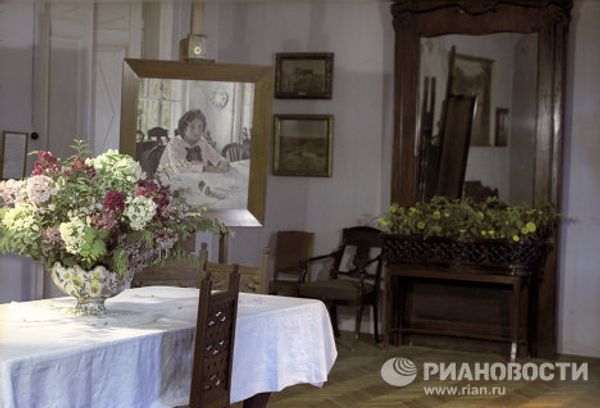
Valentin Serov painted his famous portrait Girl with Peaches featuring Mamontov’s daughter, Vera, in this house. Photo: the Mamontovs’ dining room in Abramtsevo.
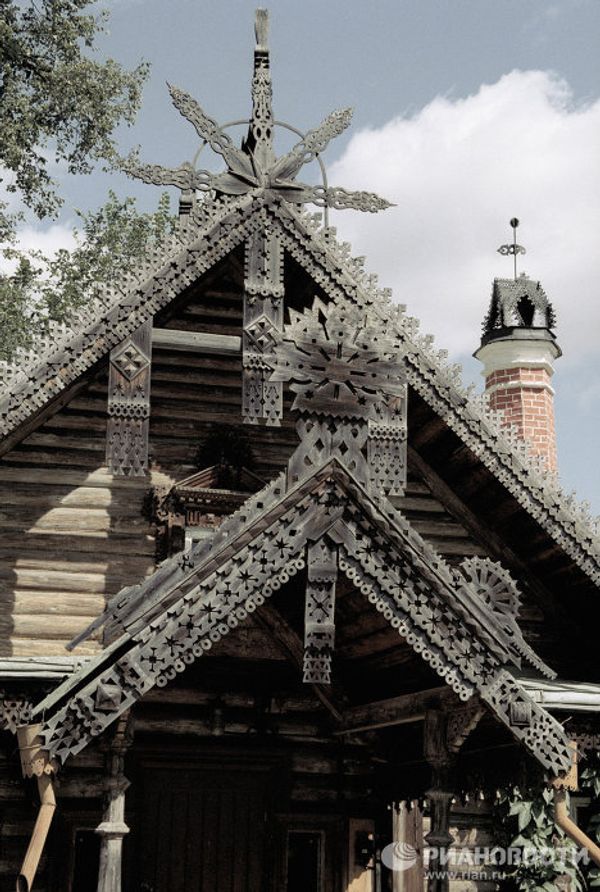
In 1873, the famous Studio (Workshop) was built in Abramtsevo as part of Viktor Gartman’s project (photo). The one-storey wooden building in the Russian Revival style is this architect’s only surviving work.
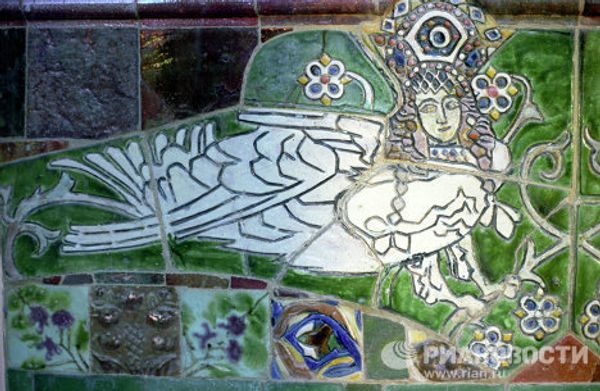
The Studio now houses ceramic ware made there. A large collection of ceramic ware made by Mikhail Vrubel is on display (photo).
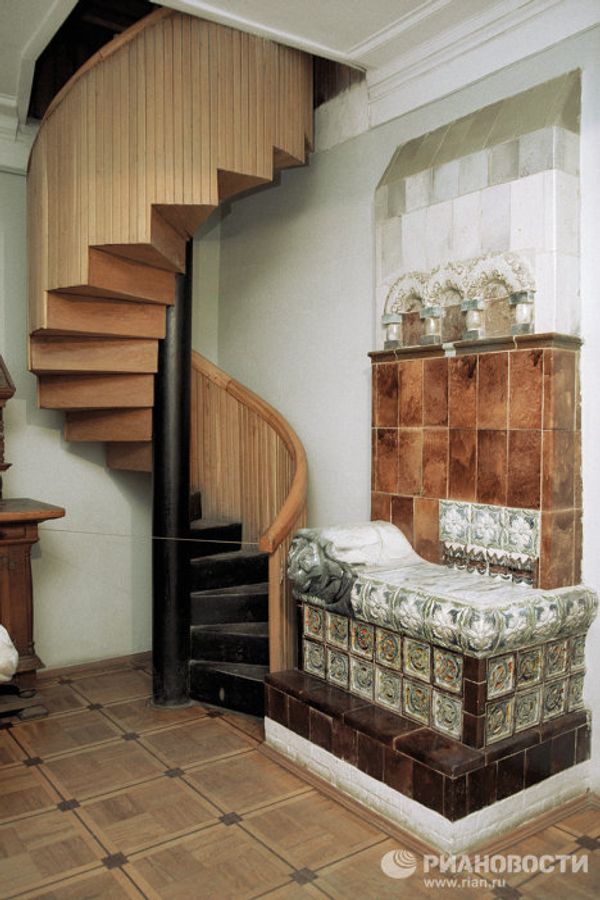
A Russian oven in the museum’s main building was made to Vrubel’s design.
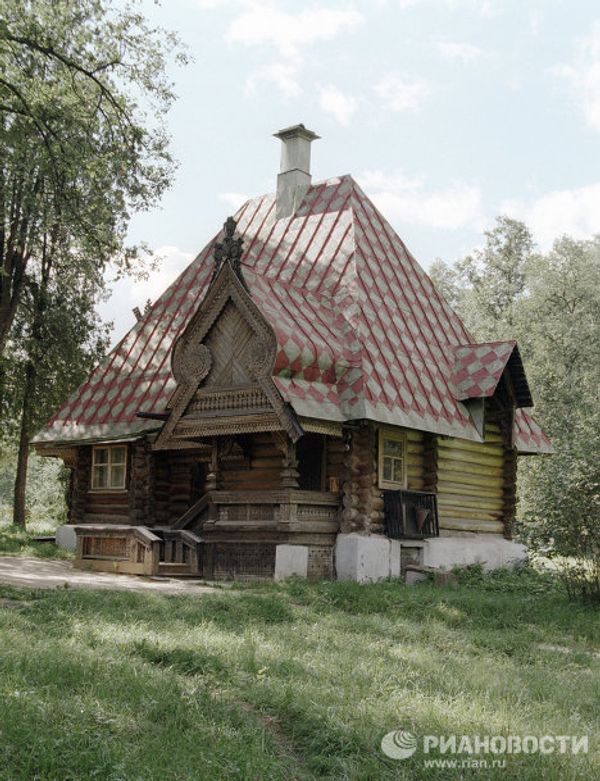
The Bathhouse, designed by architect Ivan Ropet in the Russian Revival style, is also of interest. It was originally used by the Mamontovs for its intended purpose (it has a Russian oven decorated on Vrubel’s design), but it was later used as an annex for guests.
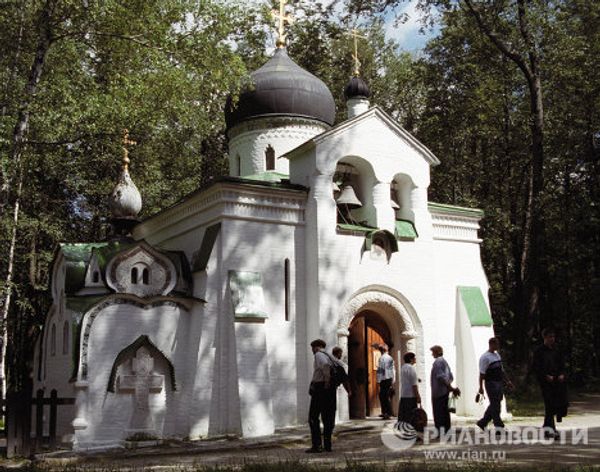
Vasily Polenov created the original project for the Church of the Savior in Abramtsevo (photo), but his version was rather austere and ponderous. Then Viktor Vasnetsov joined the project. His changes made it more decorative and picturesque. The church in Abramtsevo is considered to be the first work of the Russian Art Nouveau.
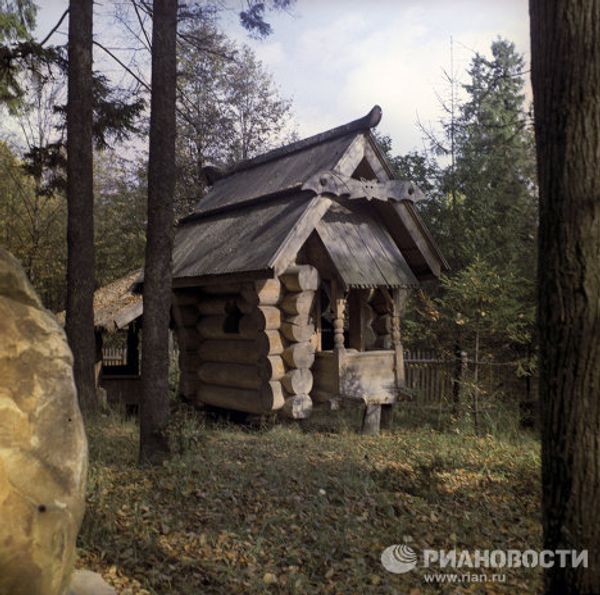
In 1883, a new Russian Art Nouveau masterpiece was built here – the children’s playhouse The Hut on Chicken Legs, named after its resemblance to Baba Yaga’s fairy-tale hut (photo). It was also designed by Viktor Vasnetsov.
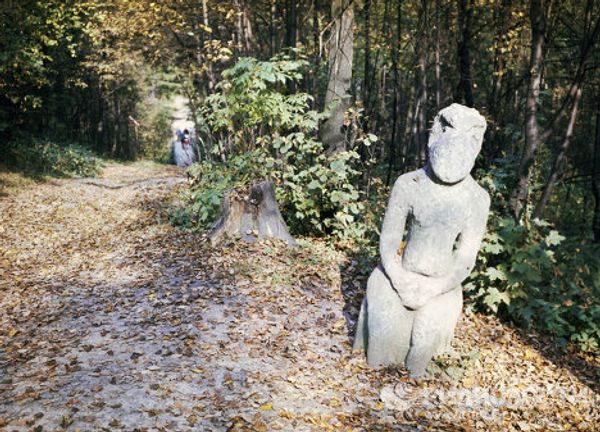
The Scythian Kurgan stelae, or Balbals, (photo) that stand at the entrance to the estate and near The Hut on Chicken Legs were brought by Savva Mamontov from the Kharkov Governorate, where they were found during railroad construction.