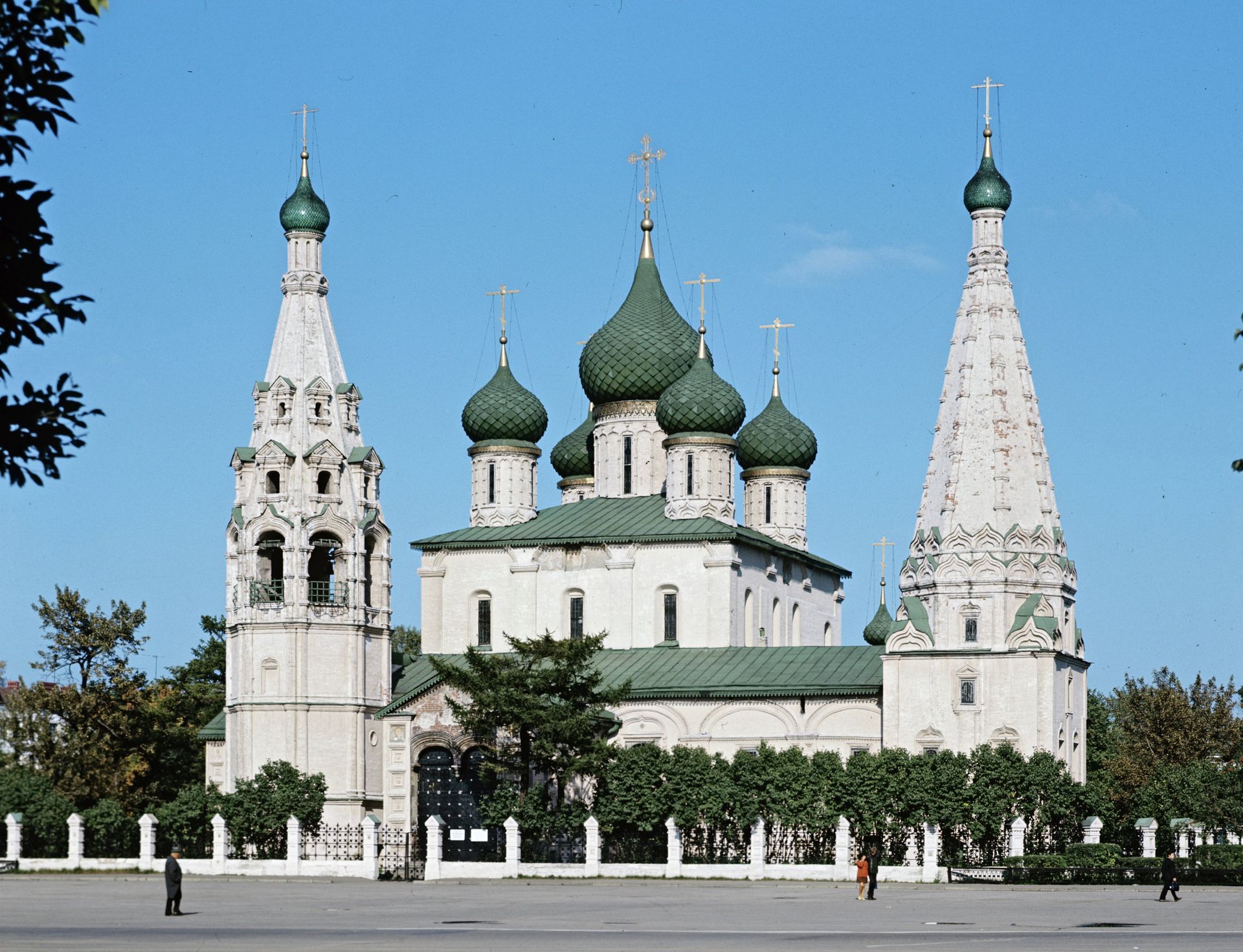
The city of Yaroslavl marks its 1,000th anniversary on September 10. According to legend, Grand Prince Yaroslav founded the city in 1010. Today, Yaroslavl is a... 12.09.2010, Sputnik International
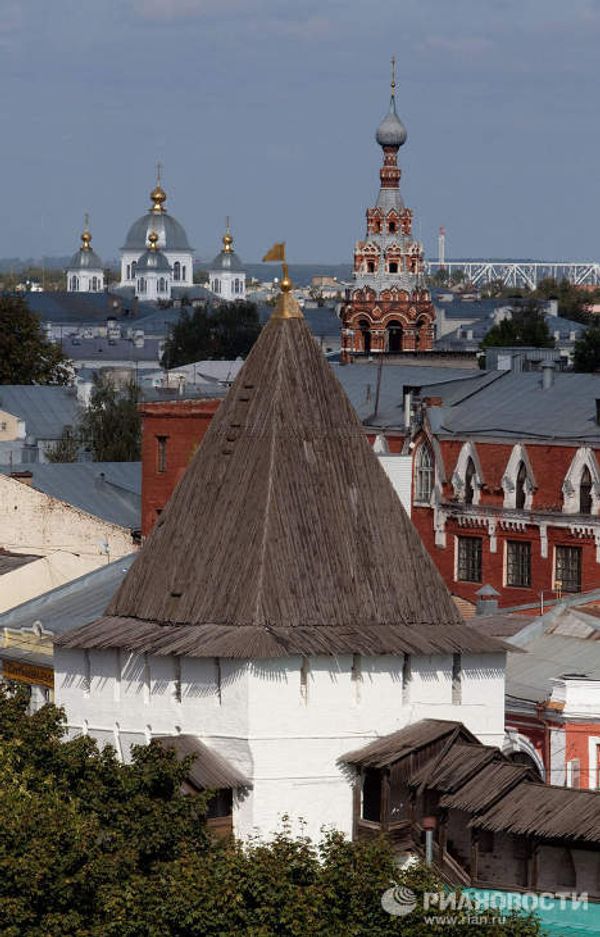
The city of Yaroslavl marks its 1,000th anniversary on September 10. According to legend, Grand Prince Yaroslav founded the city in 1010. Today, Yaroslavl is a true treasure of Russian architectural monuments. However, the city is attractive not only thanks to its authenticity, but also its history, whose chapters contain a wealth of interesting and unexpected facts. A view of Yaroslavl from the Spaso-Preobrazhensky Monastery’s belfry.
The city of Yaroslavl marks its 1,000th anniversary on September 10. According to legend, Grand Prince Yaroslav founded the city in 1010. Today, Yaroslavl is a true treasure of Russian architectural monuments. However, the city is attractive not only thanks to its authenticity, but also its history, whose chapters contain a wealth of interesting and unexpected facts. A view of Yaroslavl from the Spaso-Preobrazhensky Monastery’s belfry.
The city of Yaroslavl marks its 1,000th anniversary on September 10. According to legend, Grand Prince Yaroslav founded the city in 1010. Today, Yaroslavl is a true treasure of Russian architectural monuments. However, the city is attractive not only thanks to its authenticity, but also its history, whose chapters contain a wealth of interesting and unexpected facts. A view of Yaroslavl from the Spaso-Preobrazhensky Monastery’s belfry.
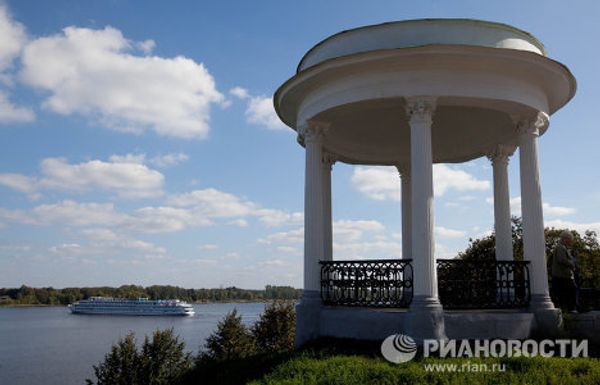
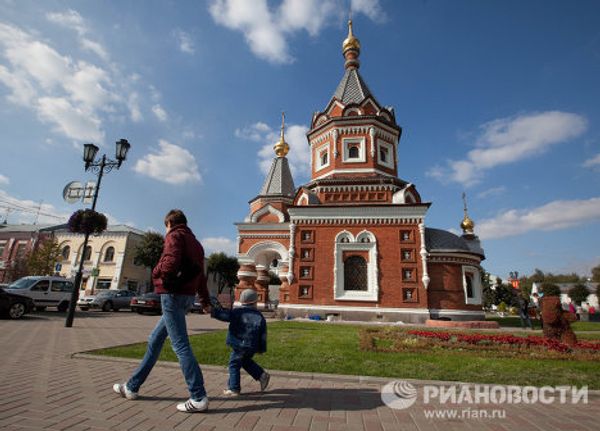
One legend claims that Yaroslav I the Wise, Grand Prince of Kiev, was traveling across his land and spotted outlaws from the Medvezhy Ugol village robbing merchant ships. But he was more infuriated by the fact that the locals were worshipping the sacred female bear, although Orthodox Christianity had already been in place in Rus’ for 12 years. Yaroslav killed the animal with an ax, thus gaining recognition of the people. And he ordered that a city be erected in his name on that spot, right where the village stood. Photo: a gazebo on the Volga’s embankment in Yaroslavl.
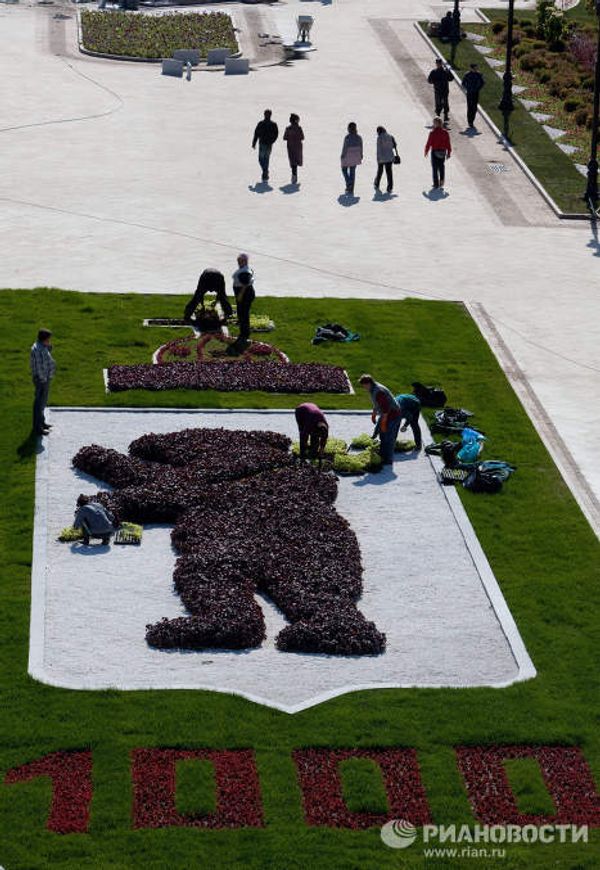
The city’s coat of arms represents those half-legendary events: the bear, which is standing on its hind legs, holds a golden ax with a golden handle in its left paw.
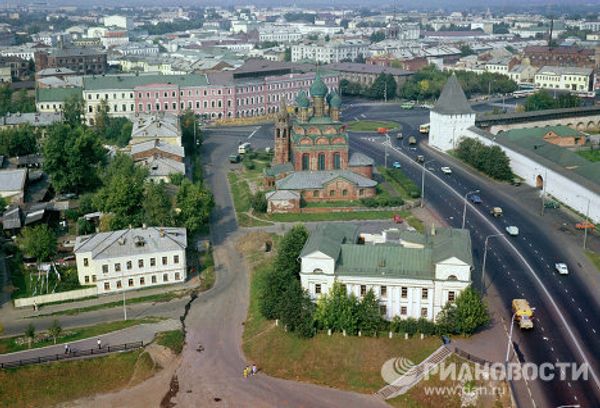
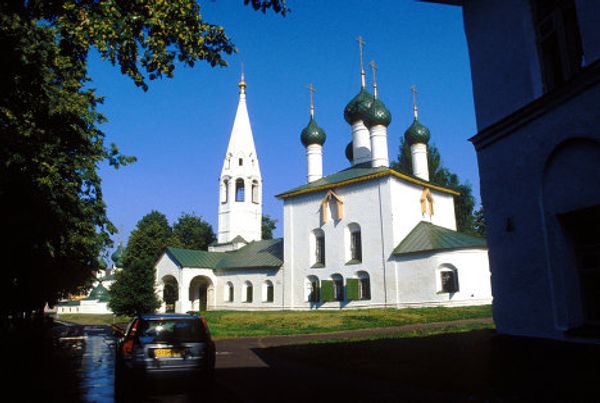
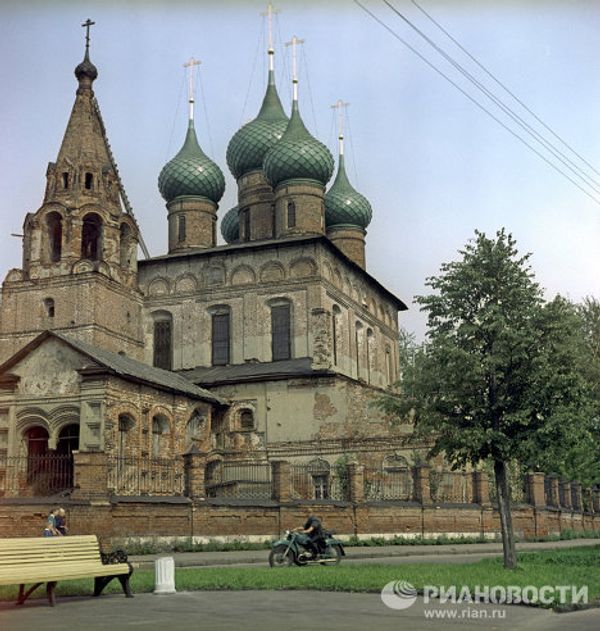
A wide range of violent events is connected with the city’s history. In 1238, for instance, peace was broken by the invasion of the Batu Khan’s hordes, which demolished and burnt the city down. Photo: the Nikola Rubleny Church (17th century) is the only surviving church in the Yaroslavl Kremlin.
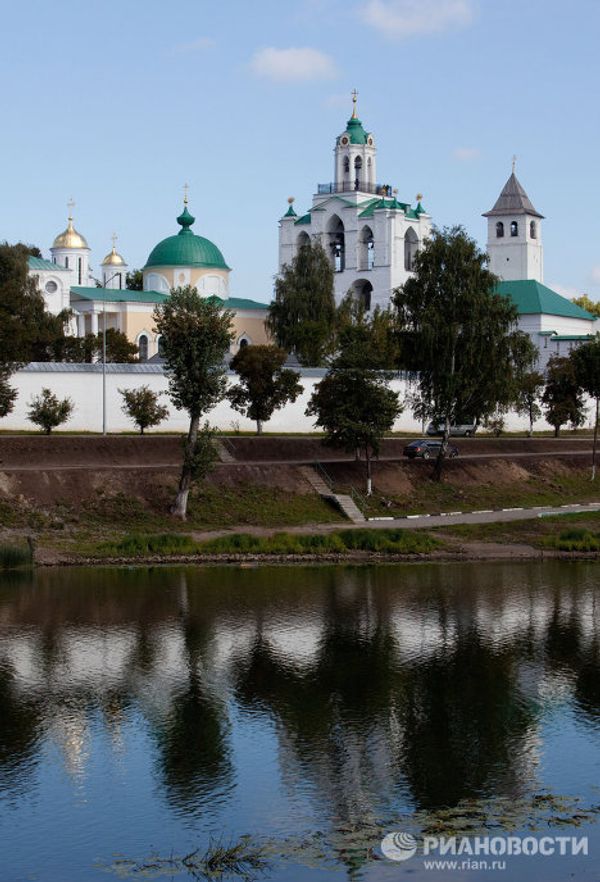
Yaroslavl was proclaimed the temporary capital of Rus’ during the struggle against the Polish-Swedish intervention in 1612. Photo: the Spaso-Preobrazhensky Cathedral, built in 1516, is considered the oldest remaining building in the city.
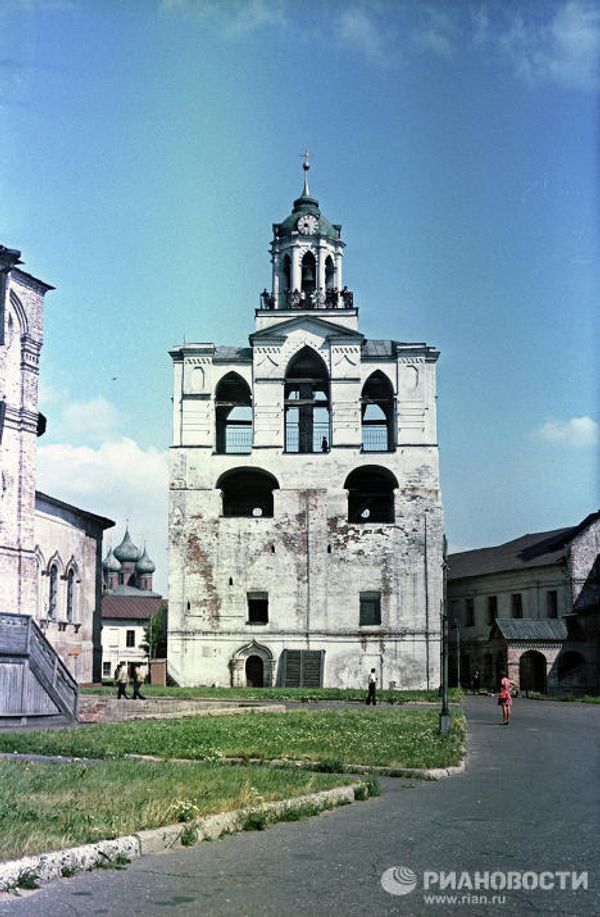
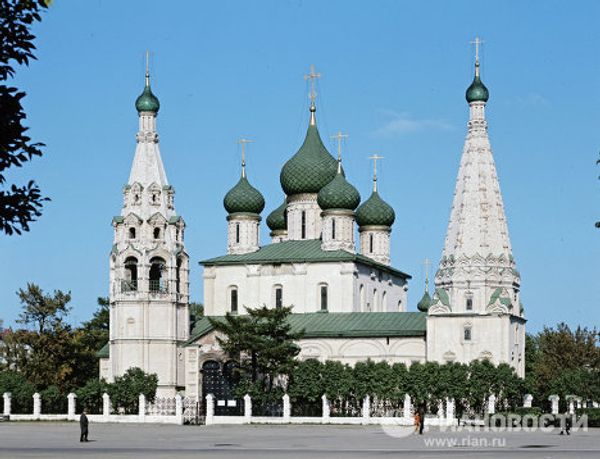
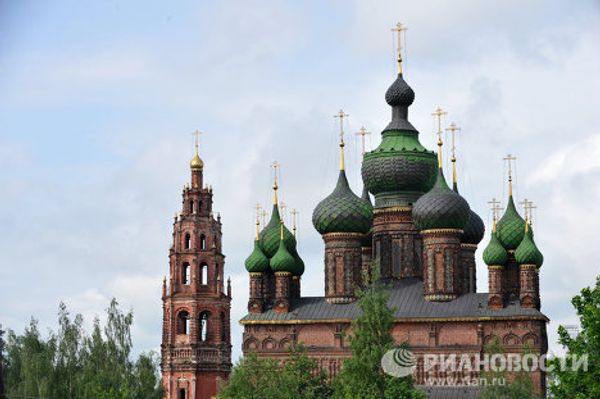
The 17th century can be called the “golden age” of Yaroslavl: during that period a number of churches were built, which are well-known not only in Russia but throughout the world as well. The Spaso-Preobrazhensky Monastery’s belfry, 16th-19th centuries.
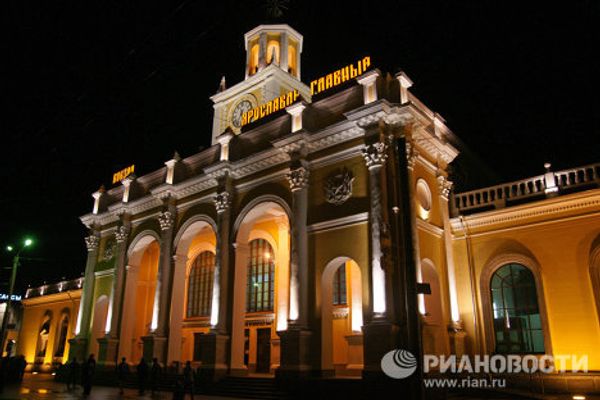
Yaroslavl became a large trade center by the 18th century, with the rapid development of manufacturing and the establishment of a number of different educational institutions. Photo: Yaroslavl’s railroad station.
Newsfeed
0
Access to the chat has been blocked for violating the rules .
You will be able to participate again through:∞.
If you do not agree with the blocking, please use the feedback form
The discussion is closed. You can participate in the discussion within 24 hours after the publication of the article.