On October 2, 1860, a new theater opened in St. Petersburg, named Mariinsky after Emperor Alexander II’s wife, Empress Maria Alexandrovna. Designed by architect Alberto Cavos, it was built on the site of the burned down Circus Theatre. The theater was reconstructed twice during the 19th century: in 1840-1886 and in 1894-1896.
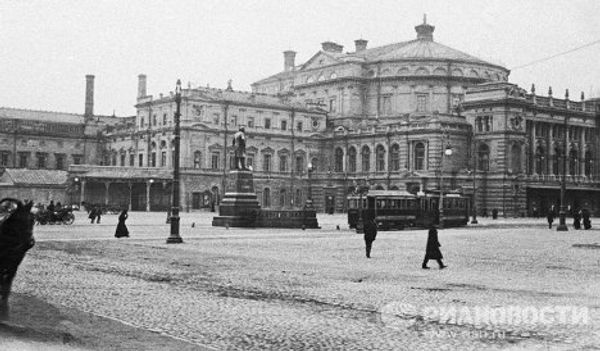
On October 2, 1860, a new theater opened in St. Petersburg, named Mariinsky after Emperor Alexander II’s wife, Empress Maria Alexandrovna. Designed by architect Alberto Cavos, it was built on the site of the burned down Circus Theatre. The theater was reconstructed twice during the 19th century: in 1840-1886 and in 1894-1896. Photo: Teatralnaya Ploshchad, the square in front of the Mariinsky Theatre, 1907.
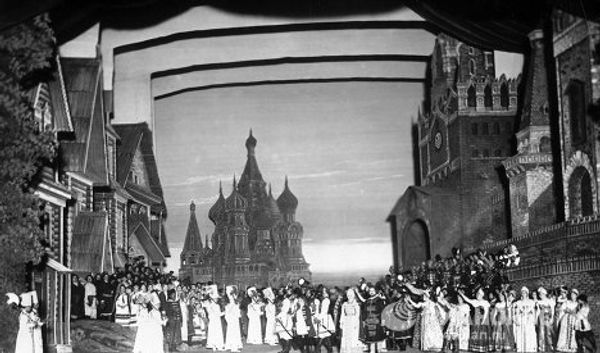
The theater season in the new building opened with the first classic national Russian opera, “A Life for the Tsar (Ivan Susanin)” by Mikhail Glinka, which was first performed in 1836. Photo: A scene from the opera “A Life for the Tsar” by Mikhail Glinka performed in the Mariinsky Theatre, 1886.
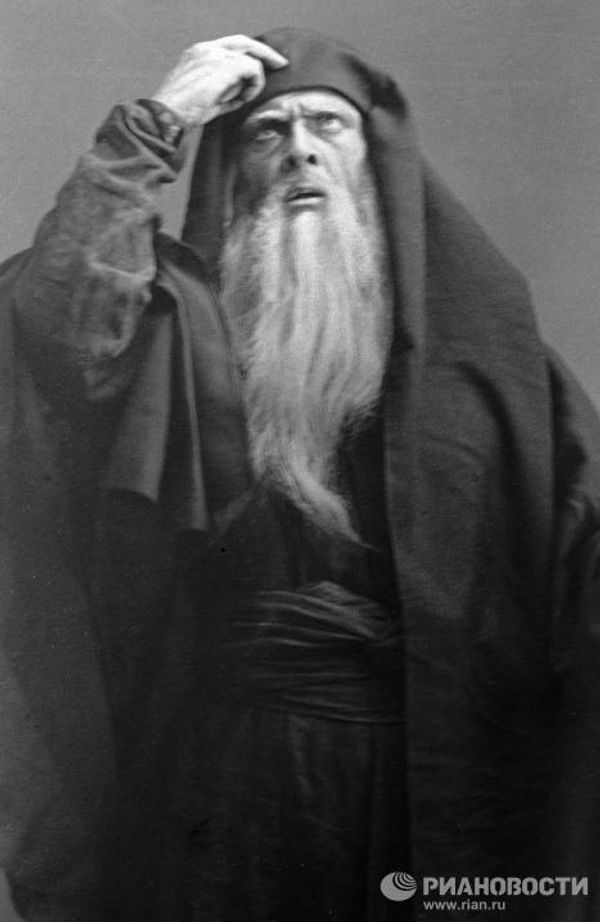
The Mariinsky Theatre solidified and improved the traditions of the first music scene in Russia. Photo: Singer Feodor Chaliapin playing Dosifei in the opera “Khovanshchina” by Modest Mussorgsky. 1911.
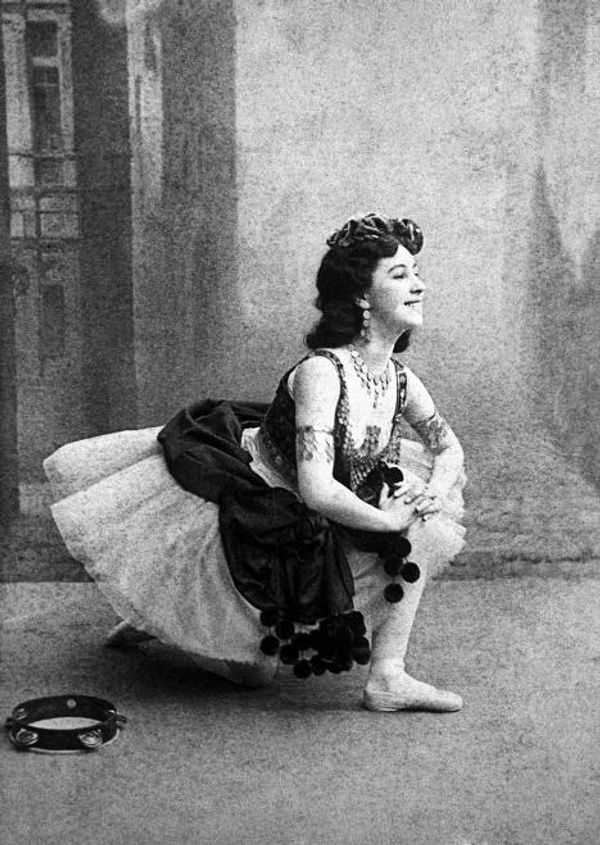
In 1869, Marius Petipa took charge of the Mariinsky Ballet Company. His ballets, especially those set to the music of Pyotr Tchaikovsky and Alexander Glazunov, revealed the immense talents of many dancers of different generations. Photo: Matilda Kshesinskaya performing in the ballet “La Esmeralda” by Cesare Pugni, 1899.
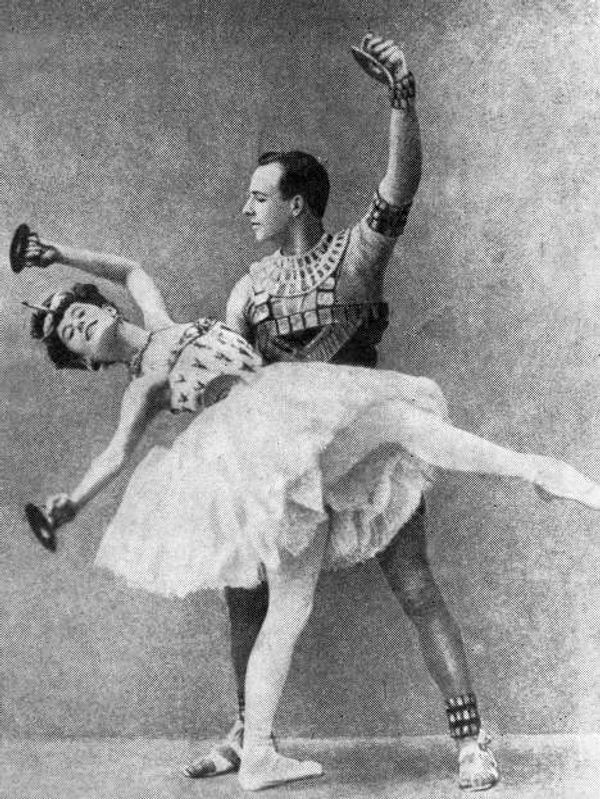
The famous ballerina Anna Pavlova performed in the Mariinsky Theatre for the last time in 1913. Photo: Dancers Anna Pavlova and Mikhail Mordkin in the ballet “The Pharaoh’s Daughter” by Cesare Pugni.
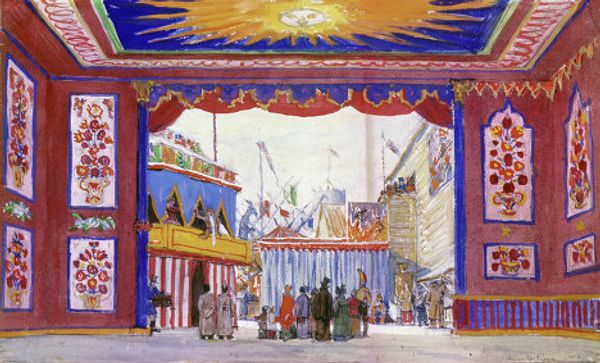
The theater saw the heyday of set designers such as Konstantin Korovin, Alexander Golovin, Alexander Benois, Simon Virsaladze, and Fyodor Fedorovsky. Photo: A set designed by Alexander Benois for the ballet “Petrushka” by Igor Stravinsky in the Mariinsky Theatre.
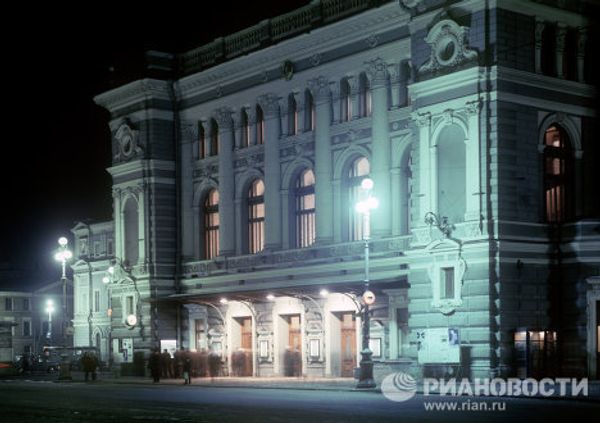
In 1968-1970, the theater was reconstructed under the design of Salomeya Gelfer. As a result, the left wing of the building was elongated.
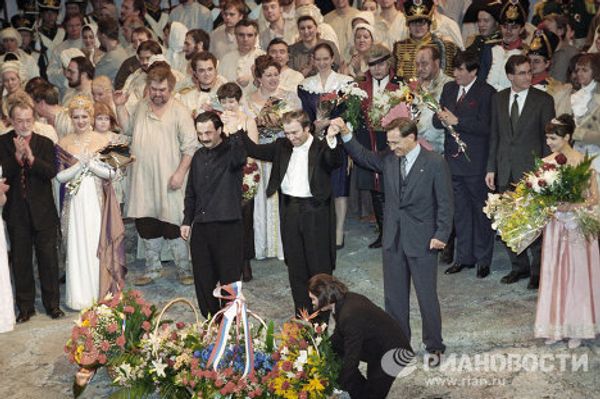
In 1988, Valery Gergiev became chief conductor of the theater. In 1996, he became art director.
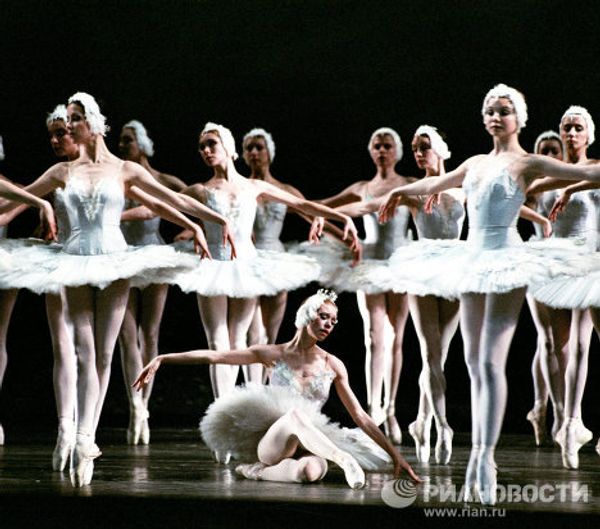
A scene from the ballet “Swan Lake” by Pyotr Tchaikovsky, directed by Bolshoi Theatre art director Vladimir Vasilyev, 1990.
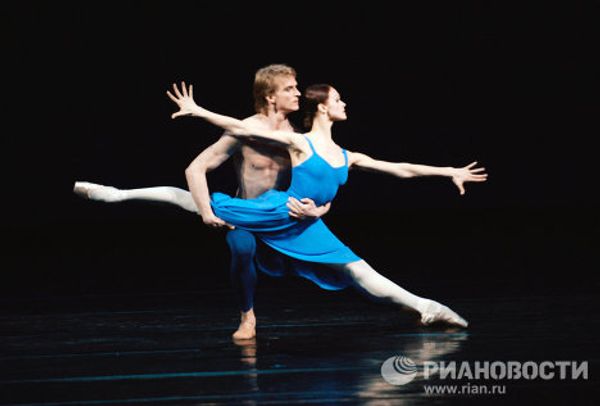
Photo: Ulyana Lopatkina and Ilya Kuznetsov in the gala performance of the 6th International Ballet Festival, 2006.
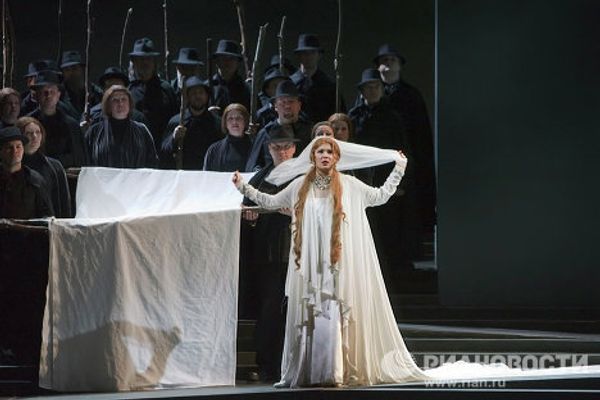
Opera singer Anna Netrebko (in white) performing the title role in the opera “Lucia di Lammermoor” by Gaetano Donizetti, directed by John Doyle, at the 2009 opening night of the Mariinsky Theatre, 2009.
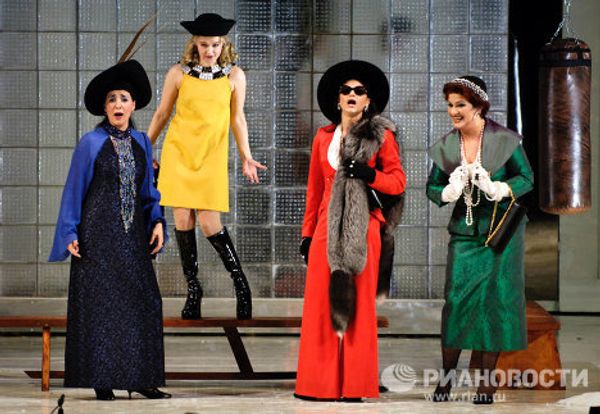
A scene from the opera “Falstaff” by Giuseppe Verdi, directed by Kirill Serebrennikov, 2006.
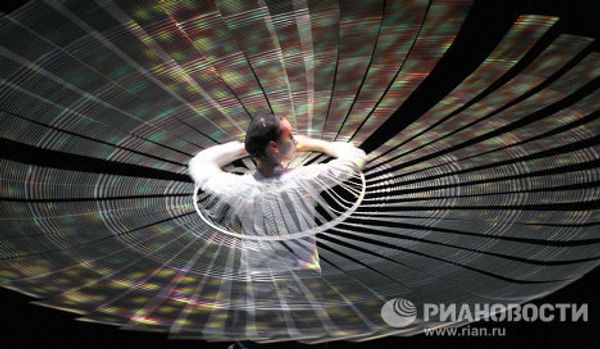
Photo: Mariinsky Theatre prima ballerina Diana Vishnyova rehearsing before the premiere of the Russian-American ballet project “Diana Vishnyova: Beauty in Motion” performed at the Stanislavsky and Nemirovich-Danchenko Moscow Academic Music Theatre, 2008.
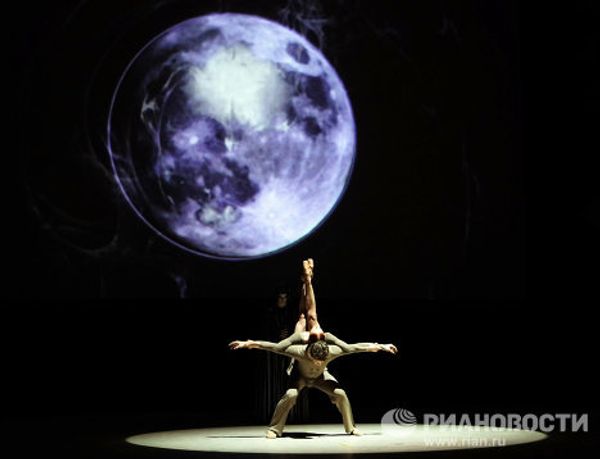
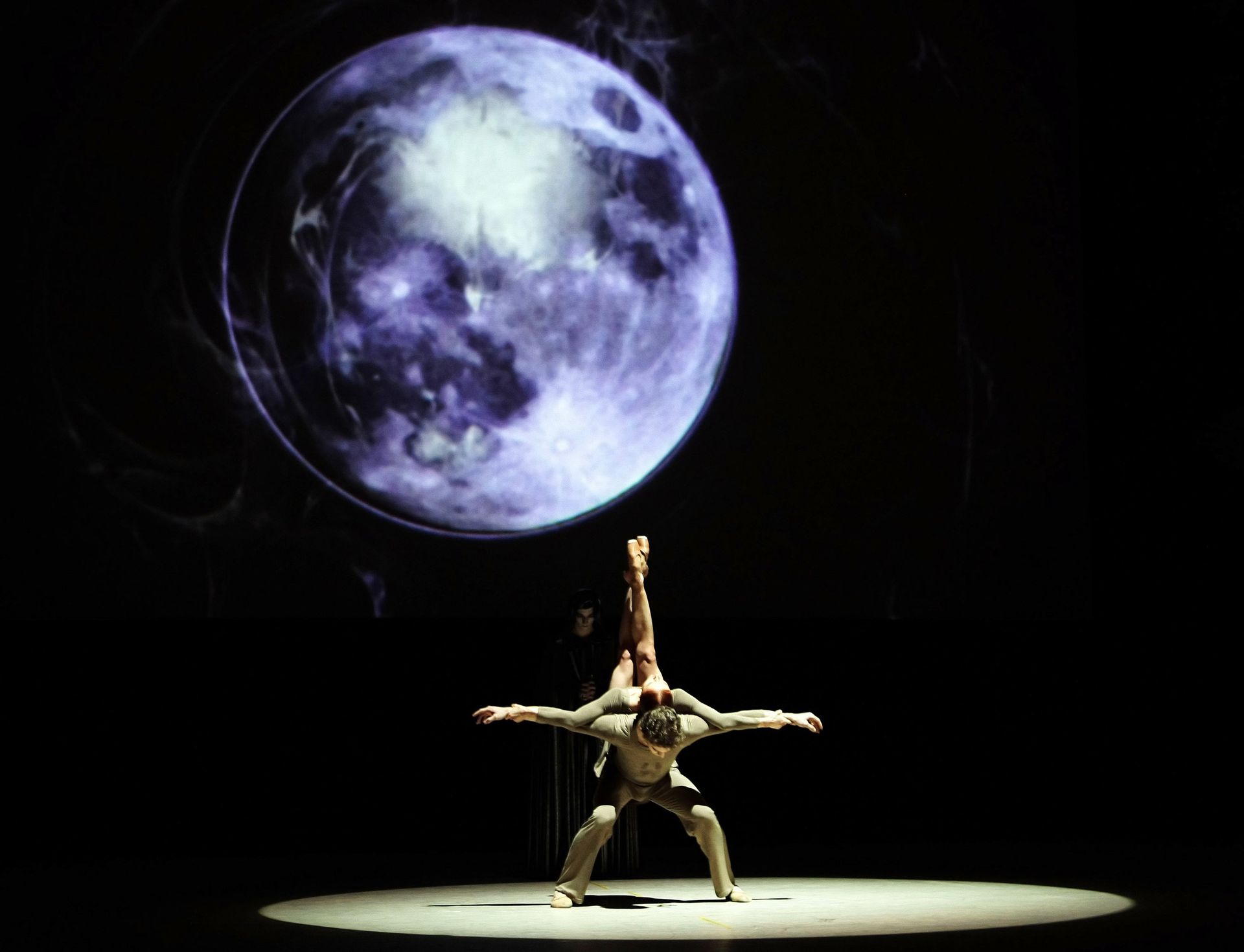
A scene from the premiere of the ballet “Presentiment of Spring” set to the music of Anatoly Lyadov and choreography by Yury Smekalov in the Mariinsky Theatre as part of the 6th Maslenitsa Music Festival, 2010.
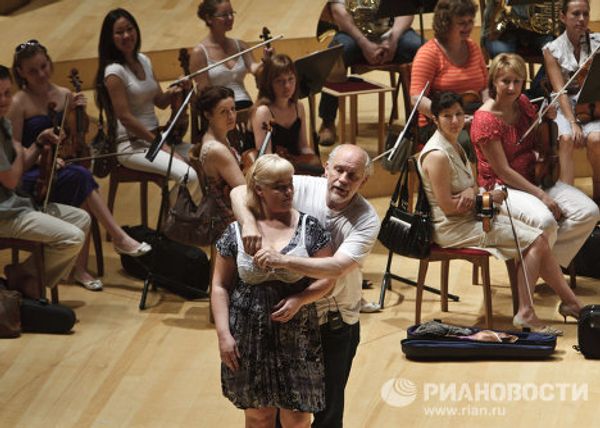
This year, Hollywood actor John Malkovich began acting in the Mariinsky Theatre. He is acting in “The Infernal Comedy: Confessions of A Serial Killer,” a play by Michael Sturminger for a baroque orchestra, two sopranos and one actor, which was first staged in Ronacher, Vienna, in July 2009.