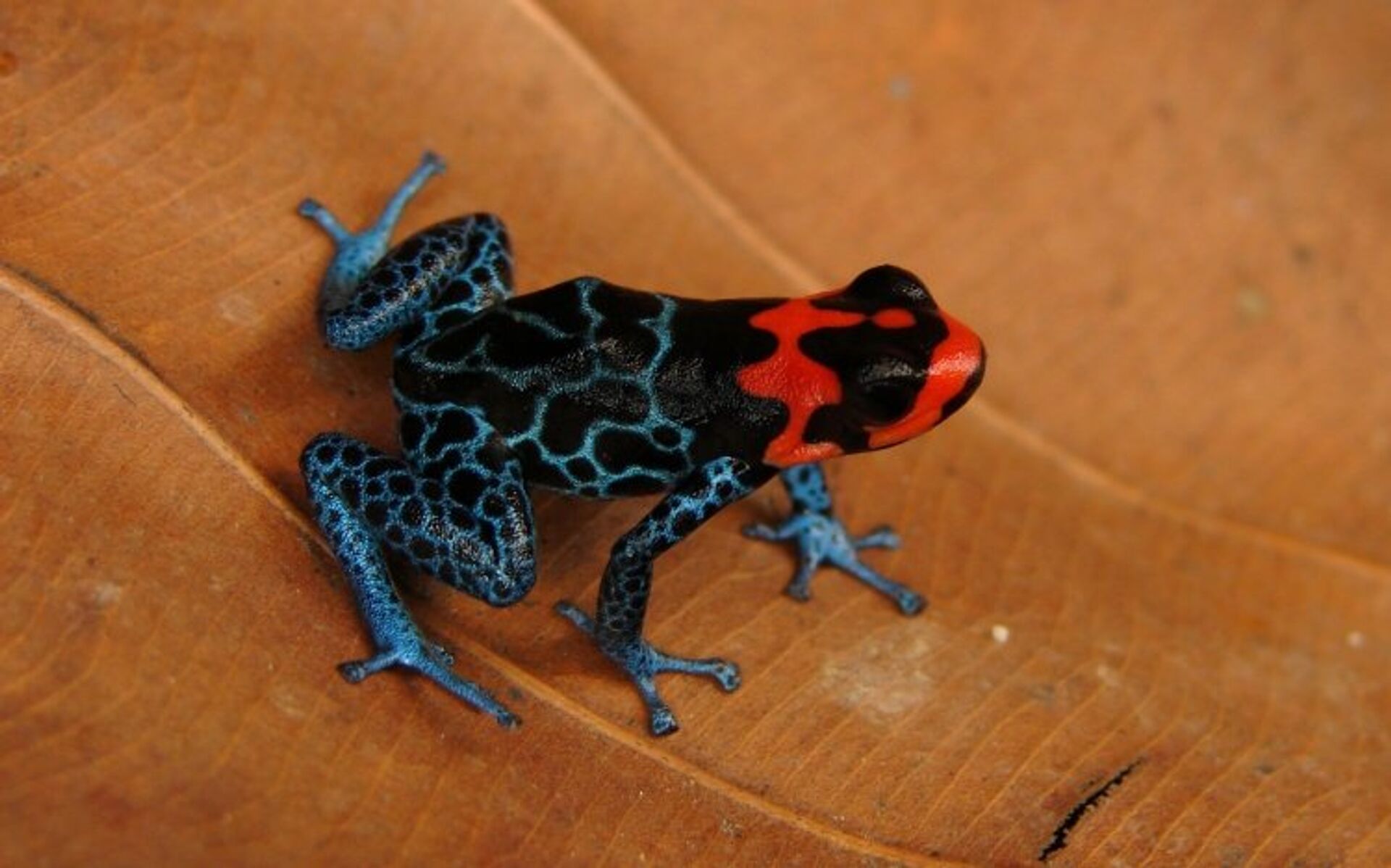
Scientists discovered more than 1,200 new species of animals and plants in the Amazon biome between 1999 and 2009 or one new species every three days, a WWF International report unveiled at a biodiversity conference in Nagoya, Japan, on October 26.
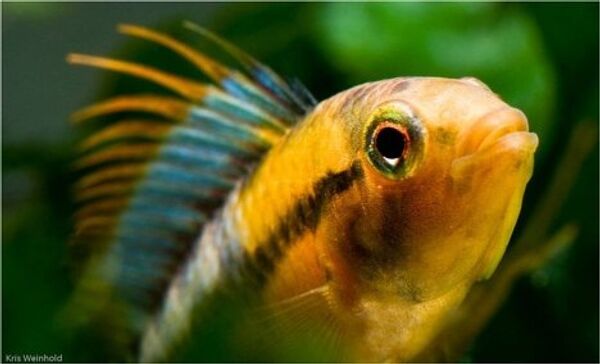
1/12
© Photo : World Wildlife Fund/Kris Weinhold
Scientists discovered more than 1,200 new species of animals and plants in the Amazon biome between 1999 and 2009 or one new species every three days, a WWF International report unveiled at a biodiversity conference in Nagoya, Japan, on October 26. Photo: fish Apistogramma baenschi.
2/12
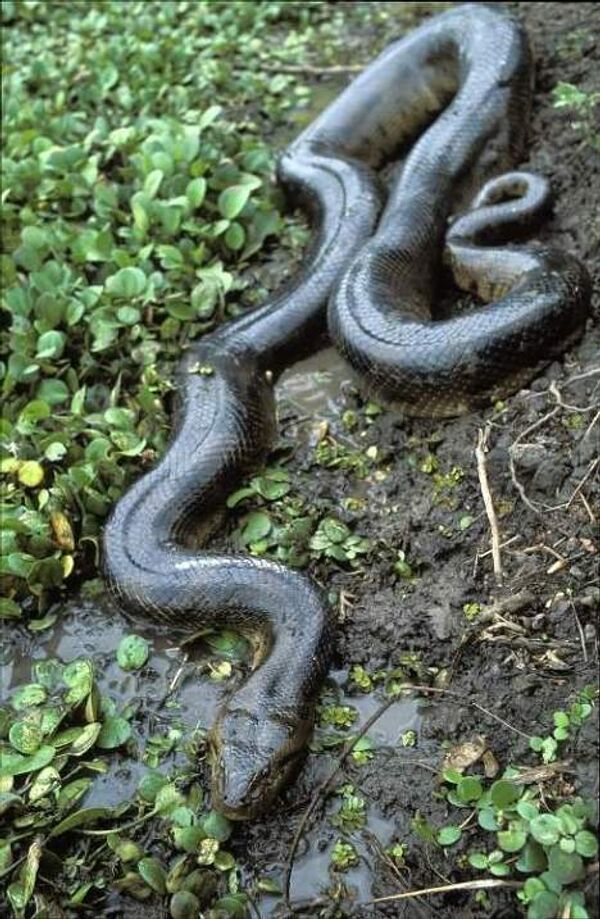
© Photo : World Wildlife Fund/José Maria Fernández Díaz - Formenti
Among them is a new anaconda species. It is the 4-meter-long Eunectes beniensis described in 2002.
3/12
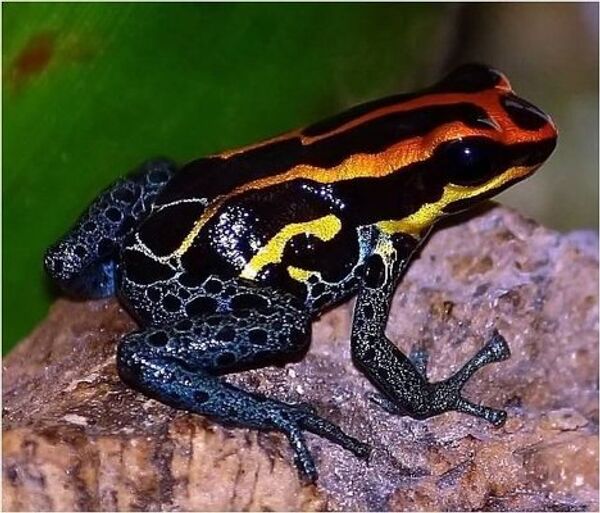
© Photo : World Wildlife Fund/Lars K
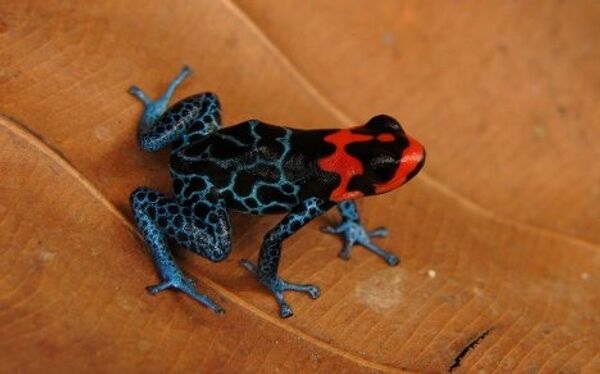
The authors of the report said one of the most extraordinary species is the Ranitomeya amazonica, a frog with an incredible burst of flames on its head and contrasting water-patterned legs.
4/12
© Photo : World Wildlife Fund/Arthur Grosset
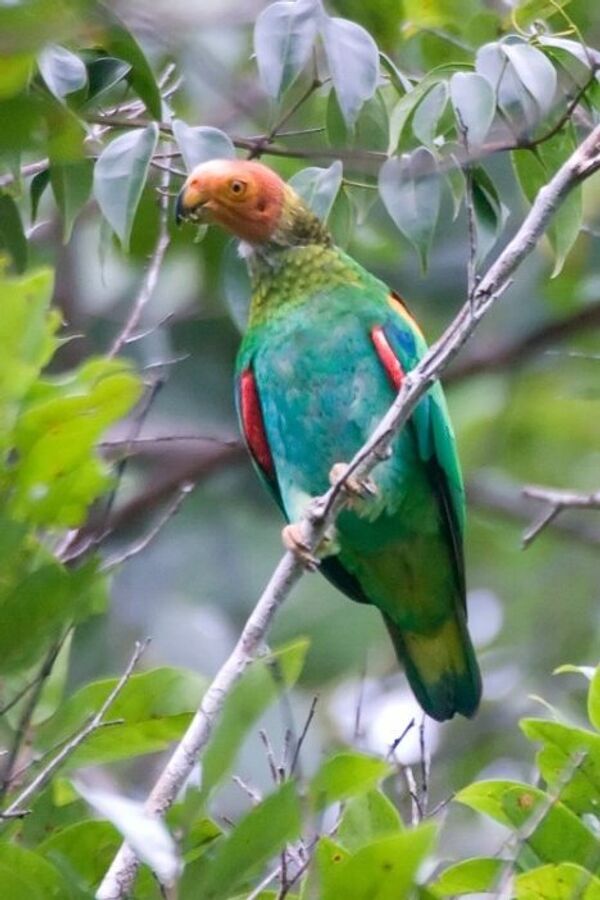
… and also a parrot Pyrilia aurantiocephala who has a bald head, and displays an astonishing spectrum of colors.
5/12
© Photo : World Wildlife Fund/Evan Twomey
The report shows the amazing biodiversity in the Amazon, the WWF said. Photo: frog Ranitomeya benedicta.
6/12
© Photo : World Wildlife Fund/Andreas Fleischmann
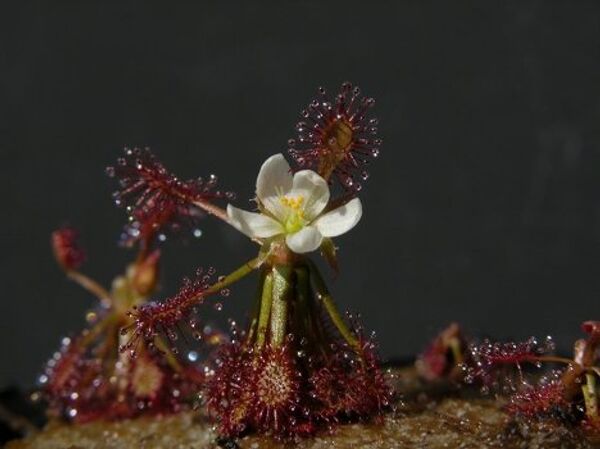
Specialists believe that the results of their research will remind people of the unique region and what can be lost if environmental problems are not addressed. Photo: plant Drosera amazonica.
7/12
© Photo : World Wildlife Fund/Andrew Whittaker
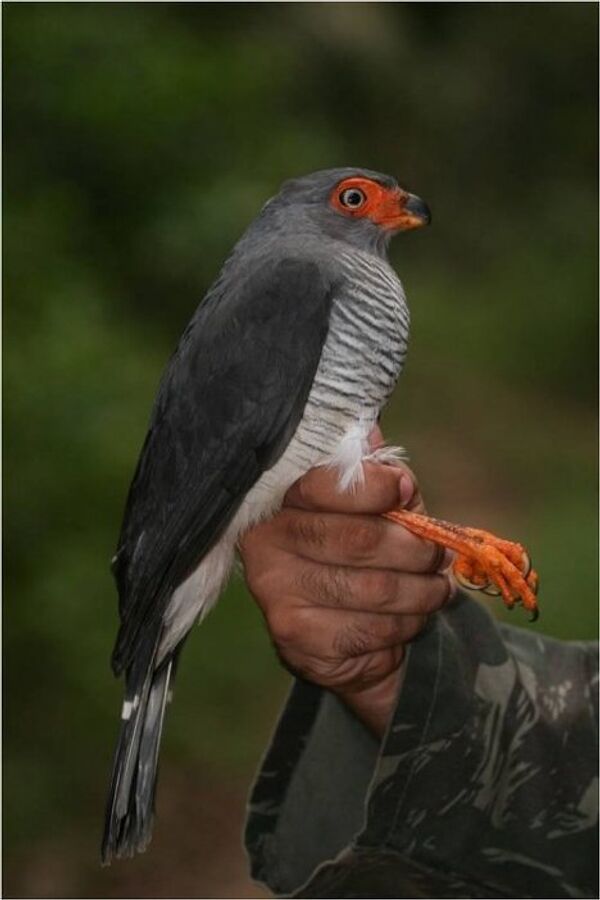
Bird Micrastur mintoni.
8/12
© Photo : World Wildlife Fund/Karl Csaba
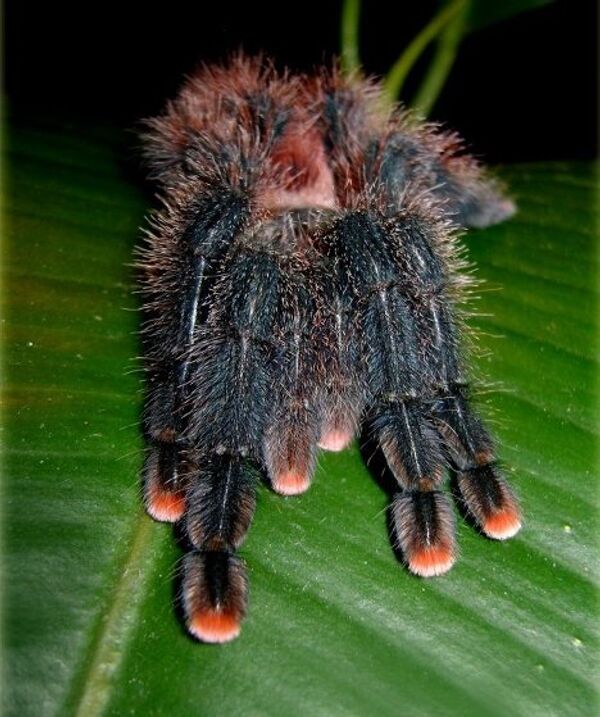
Spider Avicularia braunshauseni.
9/12
© Photo : World Wildlife Fund/Janice Muriel Cunha
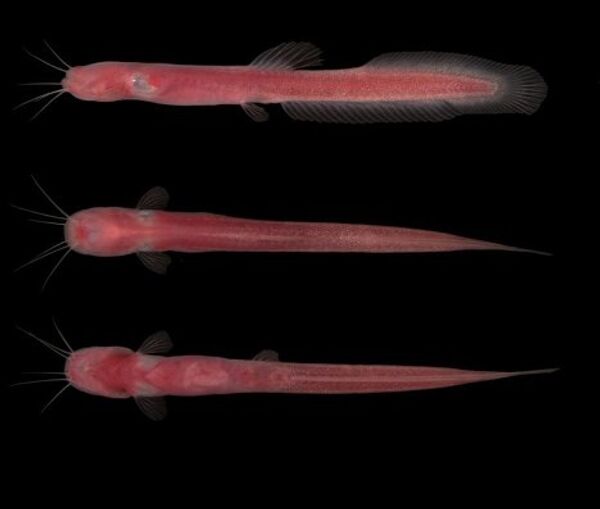
Fish Phreatobius dracunculus.
10/12
© Photo : World Wildlife Fund/Steven Poe
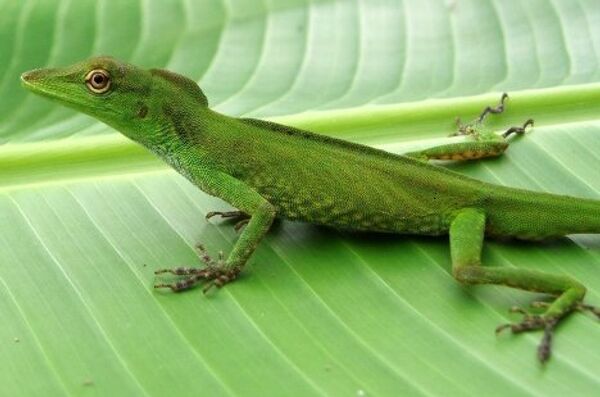
Lizard Anolis cuscoensis.
11/12
© Photo : World Wildlife Fund/Christian Rabeling
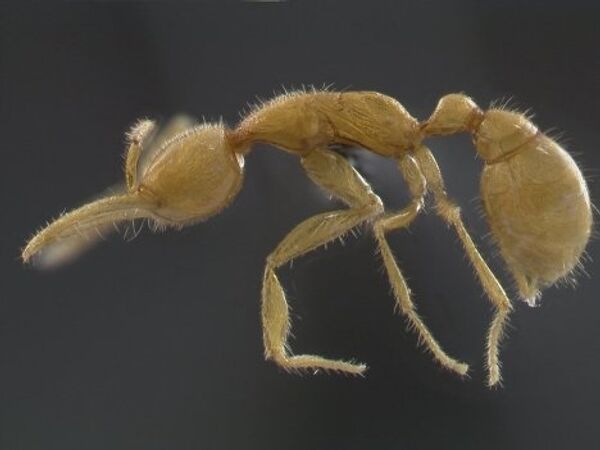
Insect Martialis heureka.
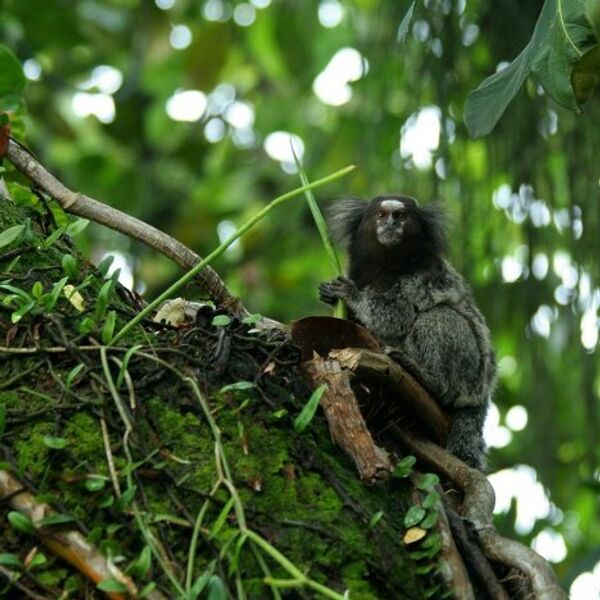
12/12
© Photo : World Wildlife Fund/Georges Néron
The 10th UN Biodiversity Conference (CBD) is being held in Nagoya, Japan, on October 18-29. The representatives of 193 countries are discussing a new strategic plan to preserve biodiversity on Earth. Photo: monkey Mico acariensis.