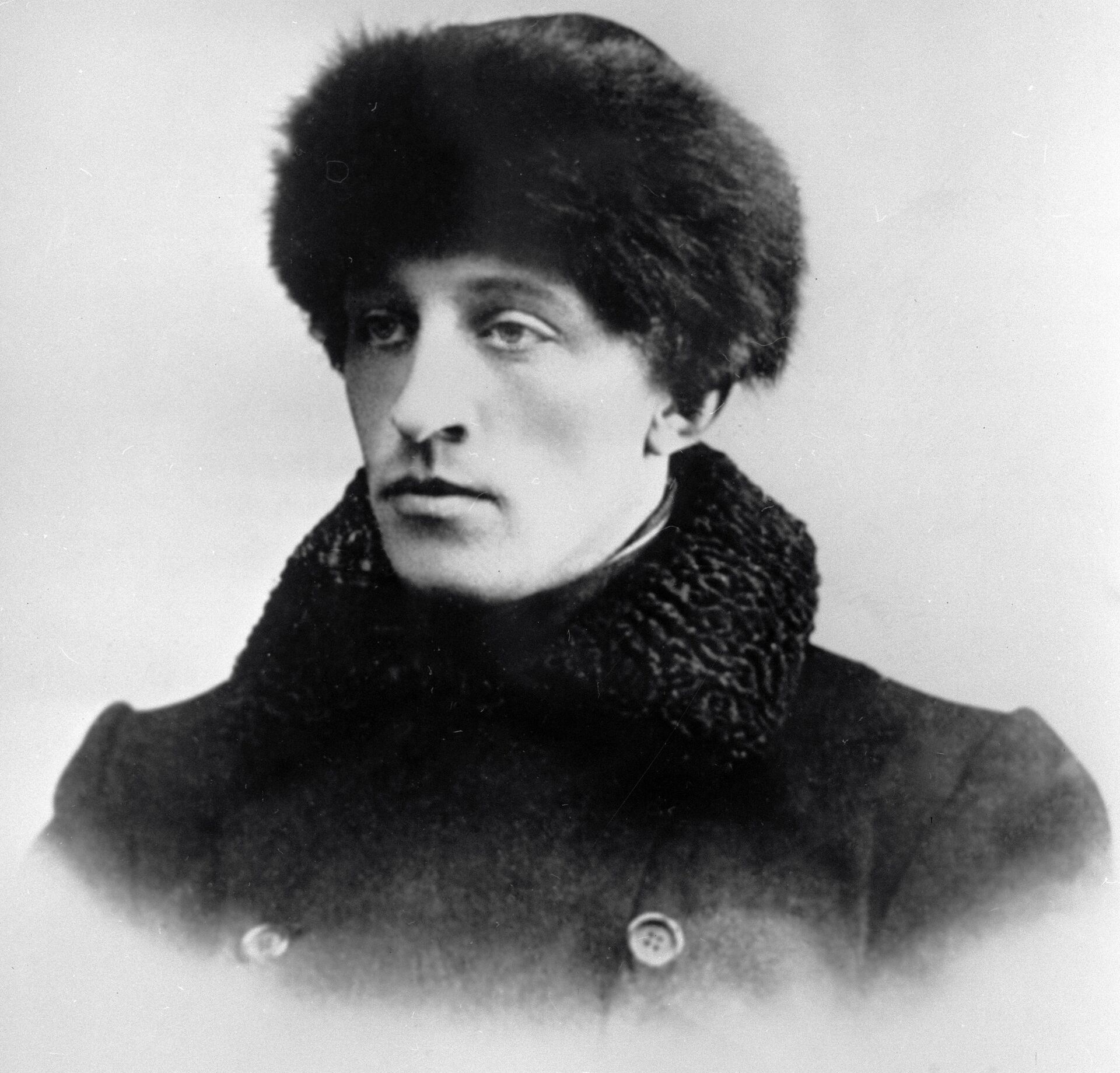
Soviet writer Konstantin Paustovsky said: “The poetry and life of Alexander Blok are one of the most beautiful and rather unexplained phenomena of the Russian reality.”
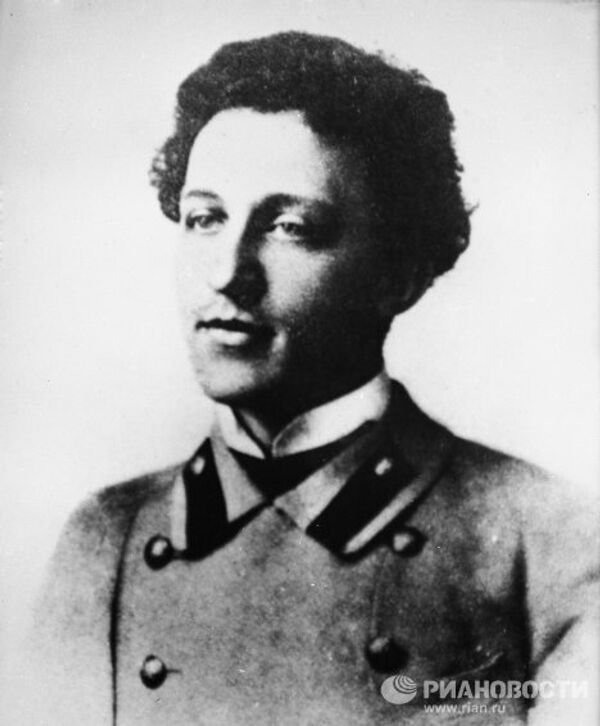
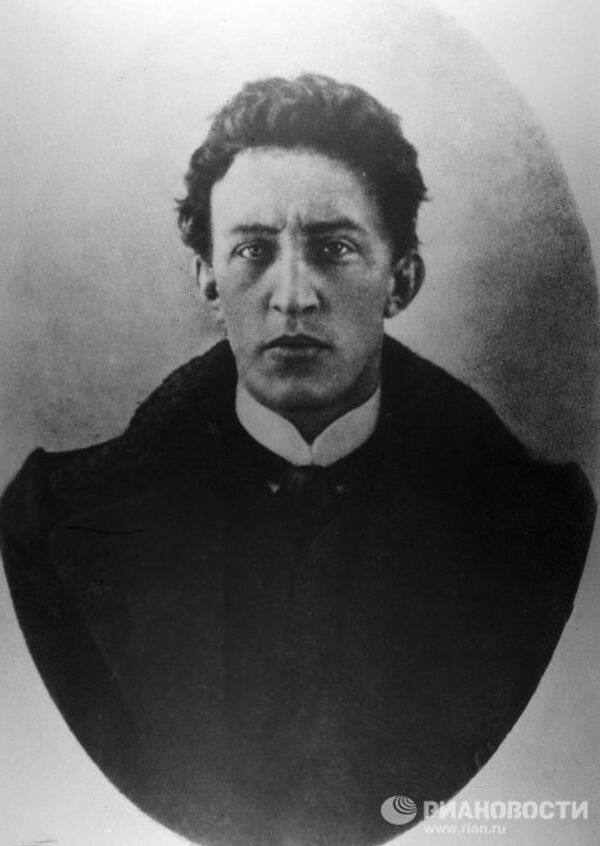
Soviet writer Konstantin Paustovsky said: “The poetry and life of Alexander Blok are one of the most beautiful and rather unexplained phenomena of the Russian reality.” Photo: Alexander Blok. 1903.
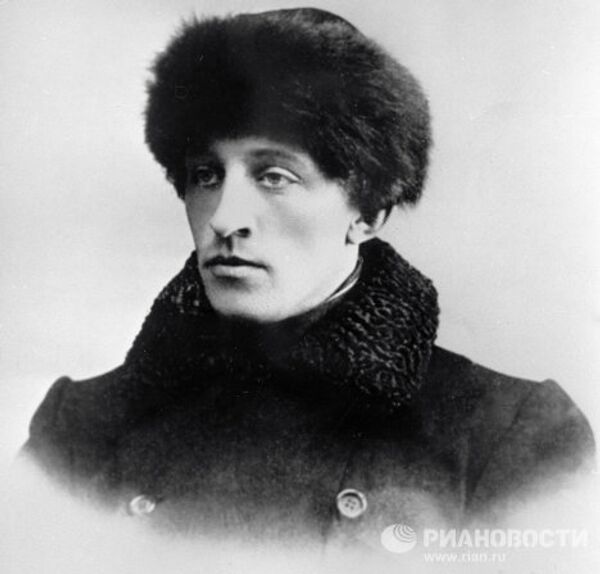
The parents of Alexander Blok divorced before he was born. Several years later his mother Alexandra remarried. Alexander was raised in the family of his mother’s father, a famous botanist, Andrei Beketov. Photo: Alexander Blok. 1915.
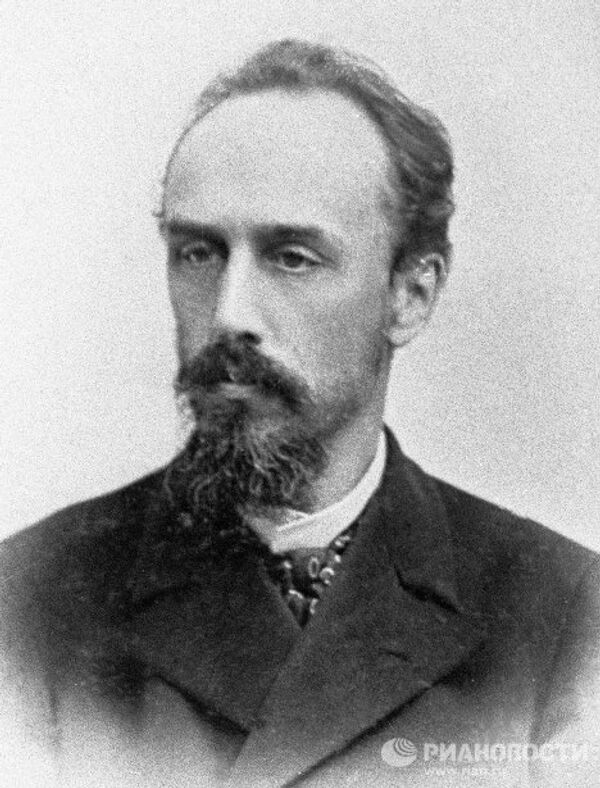
Alexander Blok’s father was a lawyer and a teacher of law at a Warsaw university. Many years later when Blok was accused of being extremely nervous and violent, he said: “I should have inherited something from my father…”
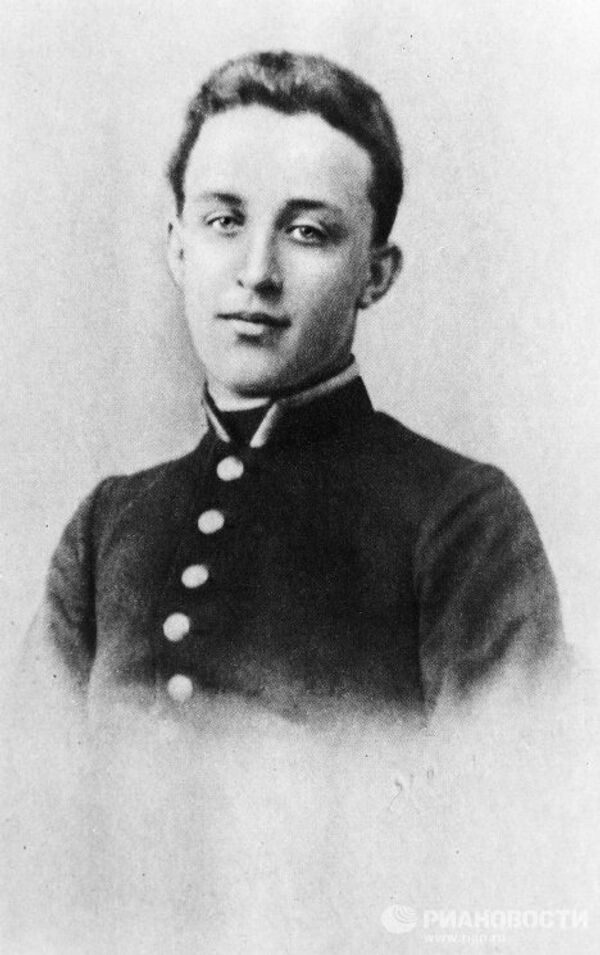
Blok spent his childhood and youth at the Shakhmatovo Manor near Moscow. He started composing verses at the age of 5. Photo: Alexander Blok. 1903.
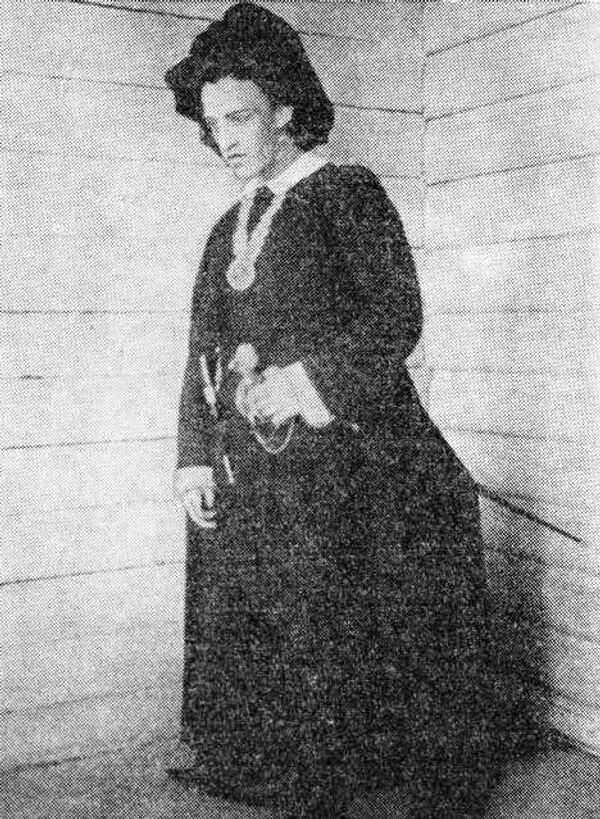
Alexander Blok took a serious interest in theater and was a member of the Petersburg drama group and thought about becoming an actor. Together with his future wife, Lyubov Mendeleeva, he played in Hamlet and Ophelia at the stage of a home theater. Photo: Alexander Blok plays Hamlet, 1898.
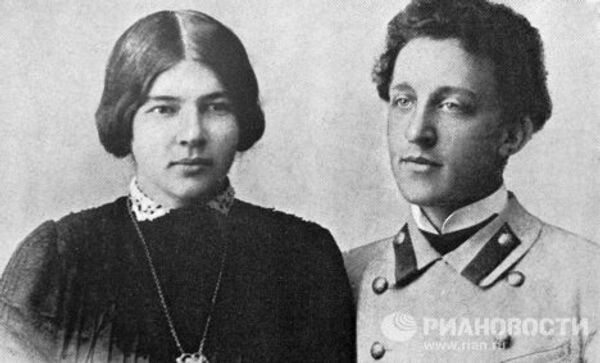
In 1903, Alexander Blok married Lyubov Mendeleeva, daughter of the renowned chemist Dmitri Mendeleev. He dedicated many poems to her, including the Verses About the Beautiful Lady. Their marriage was complicated. His best friend and poet Andrei Bely fell in love with Lyubov and this love triangle turned tragic for all of them. Photo: Lyubov Mendeleeva and Alexander Blok. 1903.
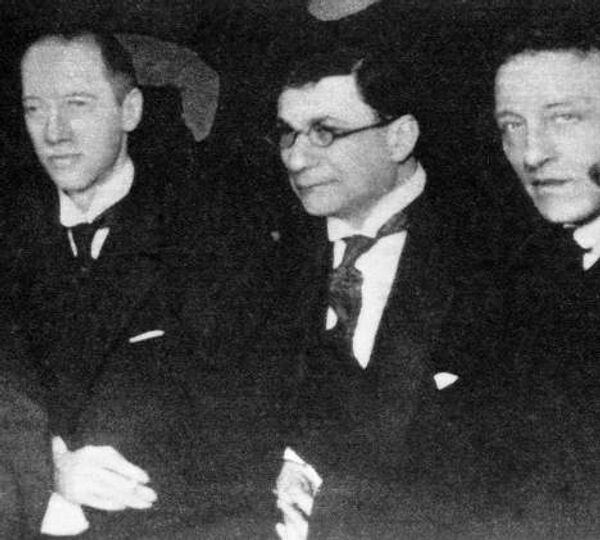
After publishing the Verses About the Beautiful Lady, Blok became a prominent figure in the Russian symbolist movement. Photo: poets Nikolai Gumilev, Zinovy Grzhebin and Alexander Blok (from left to right). 1919.
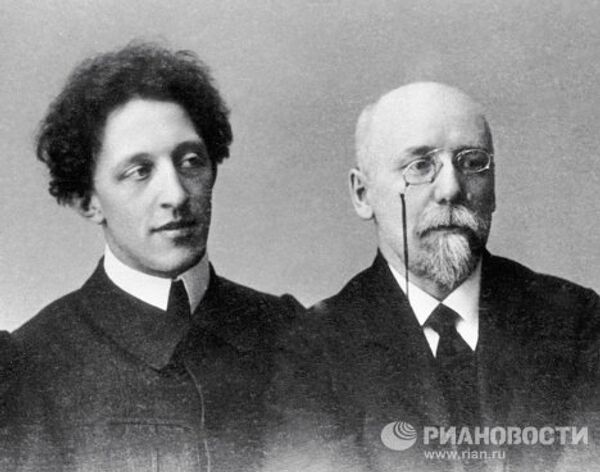
Blok treated the work of his friends with respect. Speaking about the poetry of Fyodr Sologub, he said his verses were more about a soul reflecting the world rather than the world reflected in a soul. Photo: poets Alexander Blok and Fyodr Sologub. Photo: 1910.
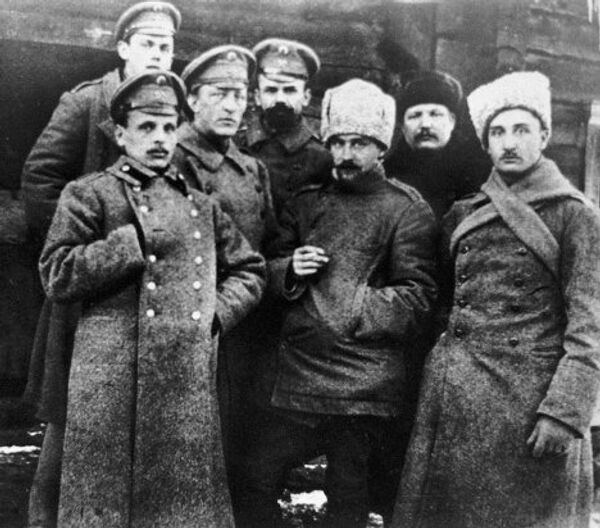
Blok’s debut as a poet was made on the eve of the First Russian Revolution, which was followed by World War I. These events deeply impressed Blok and he made the theme of the native land a priority in his poetry. In July, 1916, he was conscripted to the Army and served as a record-keeper in the construction-engineering brigade. Photo: Alexander Blok among soldiers and officers of an engineering brigade 1916.
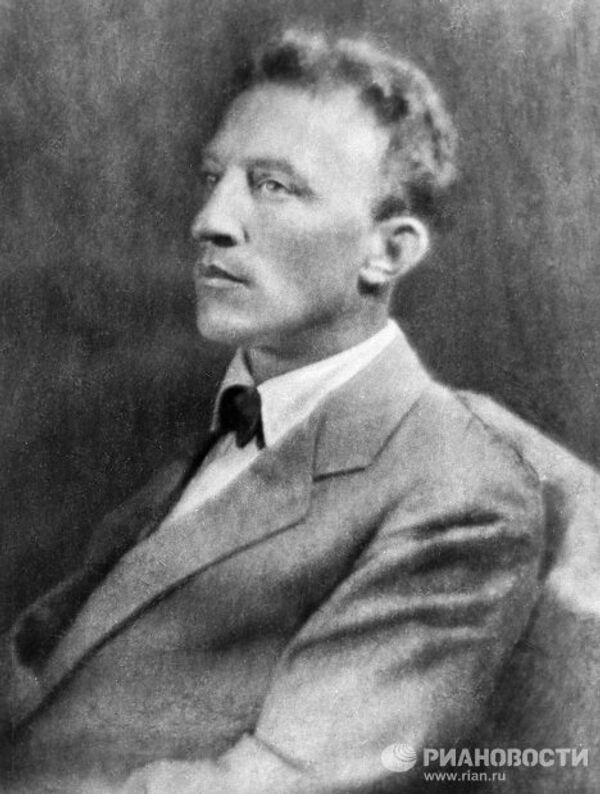
The October Revolution revived the poet’s spirits and civic engagement. In January 1918, Blok wrote poems The Twelve and Scythians. Blok was a member of a state literature commission, theater department and worked with the World Literature Publishing House. Photo: Alexander Blok. 1919.
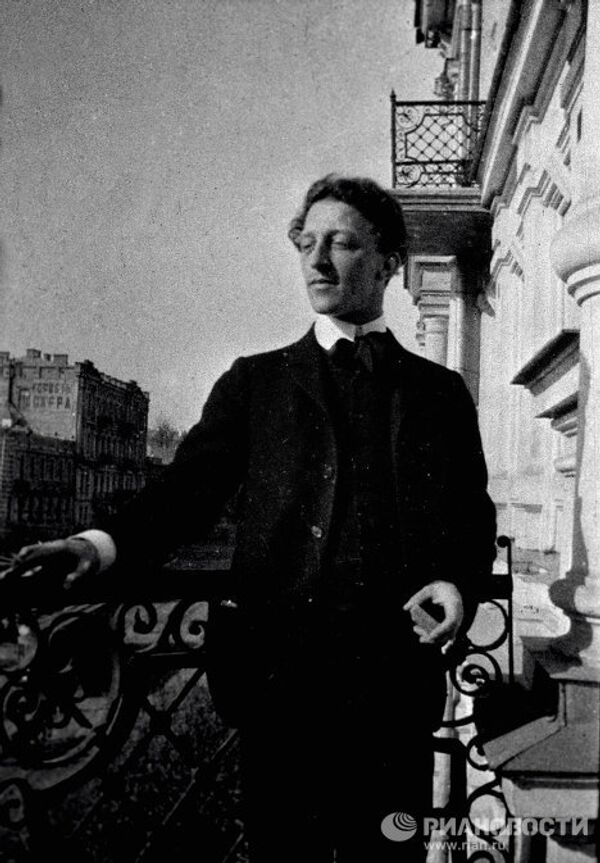
The last years of the poet’s life were affected by deep depression, tragic thoughts about life and disaccord with reality. Ramses was the last book published when the poet was alive. Photo: Alexander Blok. 1920.
In 1921, Blok fell seriously ill and died on August 7. He was buried at the Smolensky Cemetery in St. Petersburg. In 1944, the poet’s remains were taken to Volkovo Cemetery.