Russia celebrates Military Glory Day every January 27. Sixty-seven years ago, the Red Army pushed the Germans back and lifted the siege of Leningrad, which... 27.01.2011, Sputnik International
Russia celebrates Military Glory Day every January 27. Sixty-seven years ago, the Red Army pushed the Germans back and lifted the siege of Leningrad, which lasted about 900 days and nights. Somewhere between 400,000 and 1.5 million people were killed during the siege, according to various estimates.
Russia celebrates Military Glory Day every January 27. Sixty-seven years ago, the Red Army pushed the Germans back and lifted the siege of Leningrad, which lasted about 900 days and nights. Somewhere between 400,000 and 1.5 million people were killed during the siege, according to various estimates.
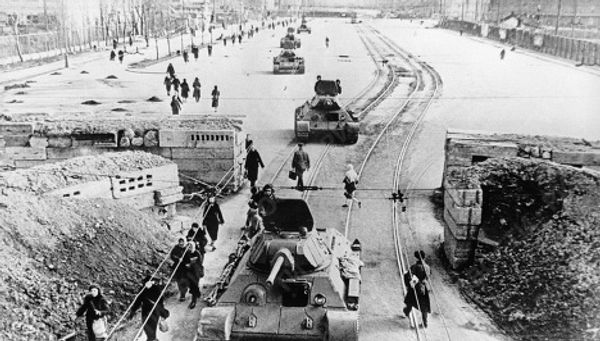
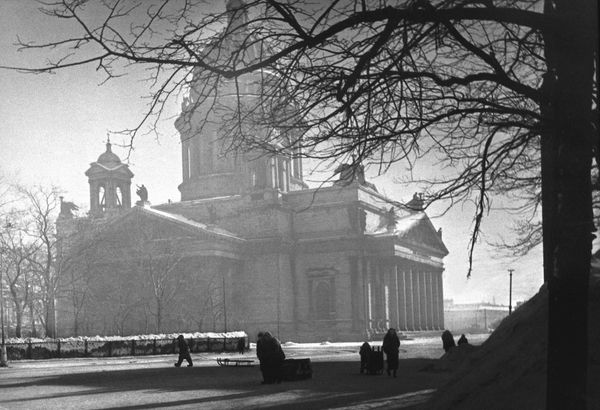
Russia celebrates Military Glory Day every January 27. Sixty-seven years ago, the Red Army pushed the Germans back and lifted the siege of Leningrad, which lasted about 900 days and nights. Somewhere between 400,000 and 1.5 million people were killed during the siege, according to various estimates. Photo: Besieged Leningrad in 1941.
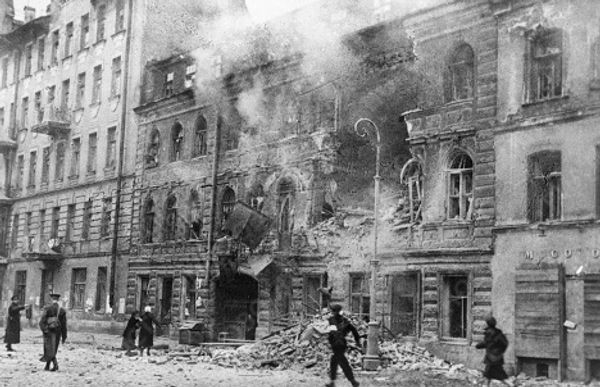
On July 10, 1941, the German Wehrmacht advanced toward Leningrad. The city’s planned capture had major strategic and political implications for the German high command. Photo: A street in Leningrad after a German artillery barrage. 1942.
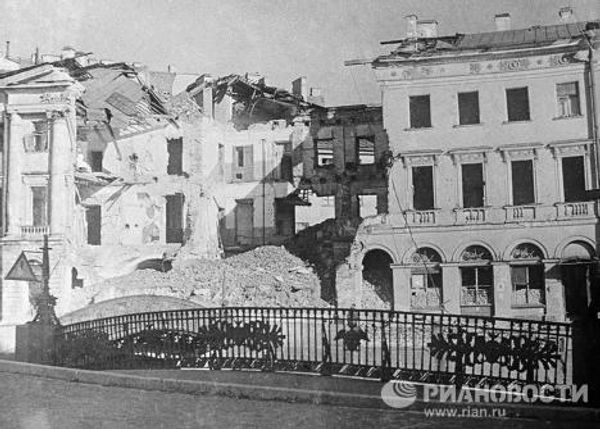
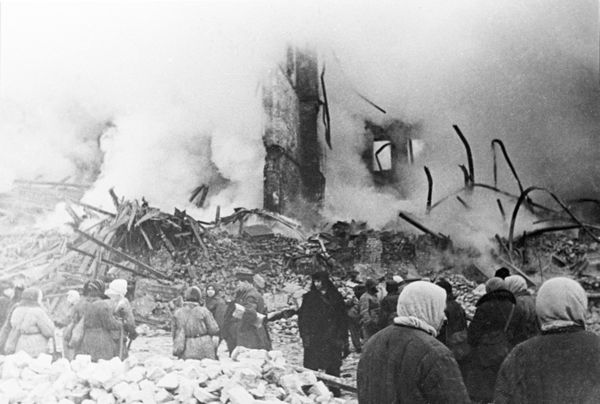
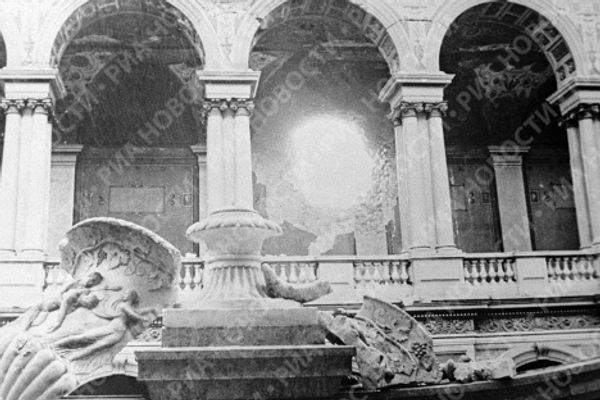
German forces broke through Soviet defenses and blockaded the city by land. All railroads, roads and river lines of communication linking the city with the rest of the country were severed. Photo: Leningrad residents standing near an apartment building destroyed by artillery during the German siege.
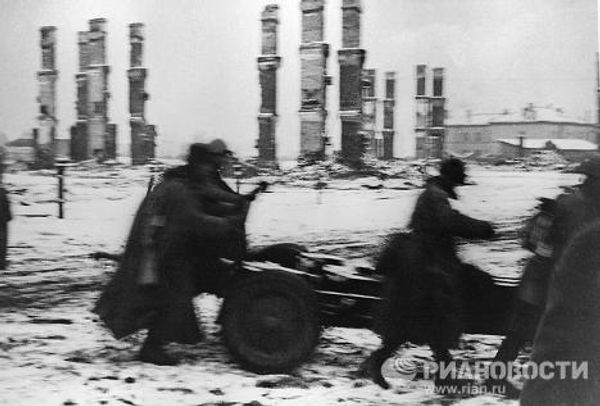
The Germans failed to quickly seize Leningrad. About 500,000 local residents built defenses day and night. Photo: Soviet soldiers preparing for battle in besieged Leningrad.
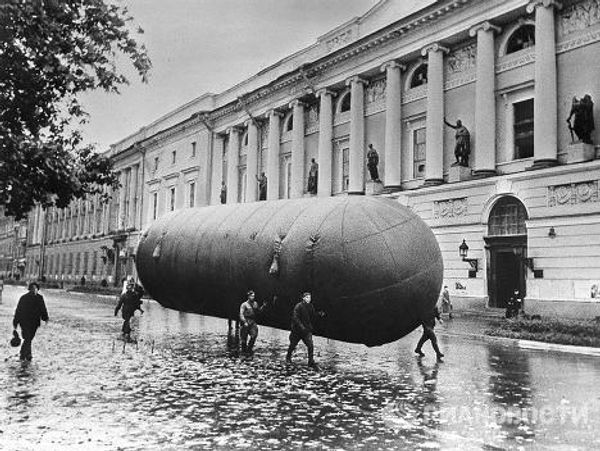
Enemy units were stopped 16 km from the famous Winter Palace, the former residence of Russian Tsars. The ring of fire and steel closed in around Leningrad on September 8. One of Hitler’s directives stated that the Germans were not interested in preserving even a part of the city’s population during this particular battle, that Leningrad had nothing to count on, that it would fall sooner or later, and that it was destined to perish as a result of famine. Photo: An anti-aircraft unit on a Leningrad street.
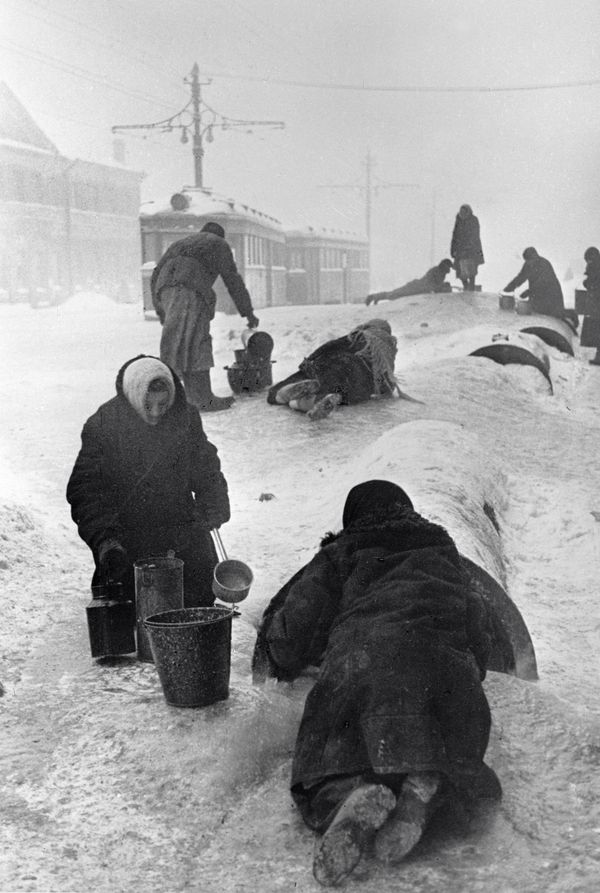
The nature of the fighting changed as the Germans launched all-out artillery bombardments. Several thousand incendiary bombs were dropped on the city. The main local food depots were destroyed as a result, triggering a severe famine in November 1941. Photo: Leningrad residents collecting water from a damaged pipe on an ice-covered street.
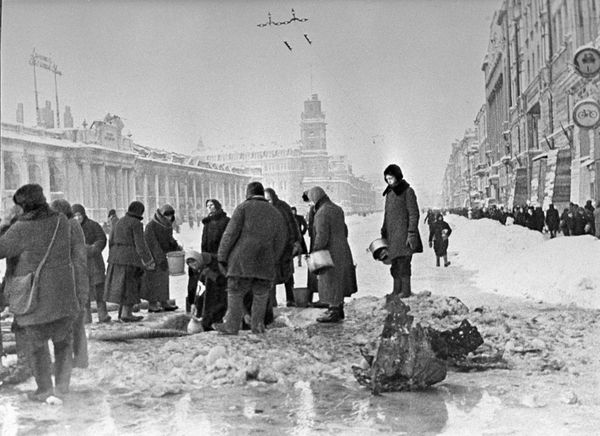
Food rations were continually reduced during the siege. Factory workers received 250 grams of bread per day, with office workers, children and the elderly getting 125 grams. People began to die en masse, with local burial services removing hundreds of dead bodies from city streets each day. In all, 1.3 million people were evacuated from the city during the entire siege. But most of the children would never see their parents again. Photo: Residents of besieged Leningrad collecting water from artillery-shell craters in the asphalt.
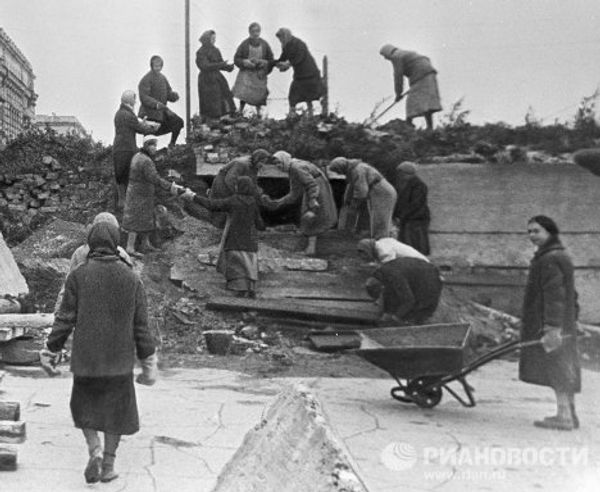
The so-called Road of Life across Lake Ladoga was the only route linking the city with the rest of the country. But this route could not provide Leningrad with enough food. The Red Army tried to lift the siege of Leningrad five times throughout 1942, but to no avail. Photo: Residents of besieged Leningrad building defenses. 1942.
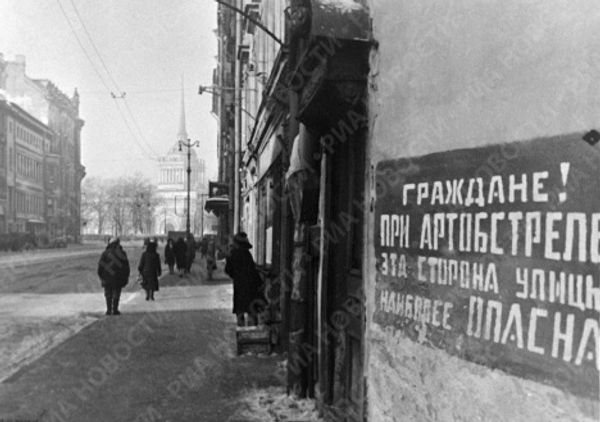
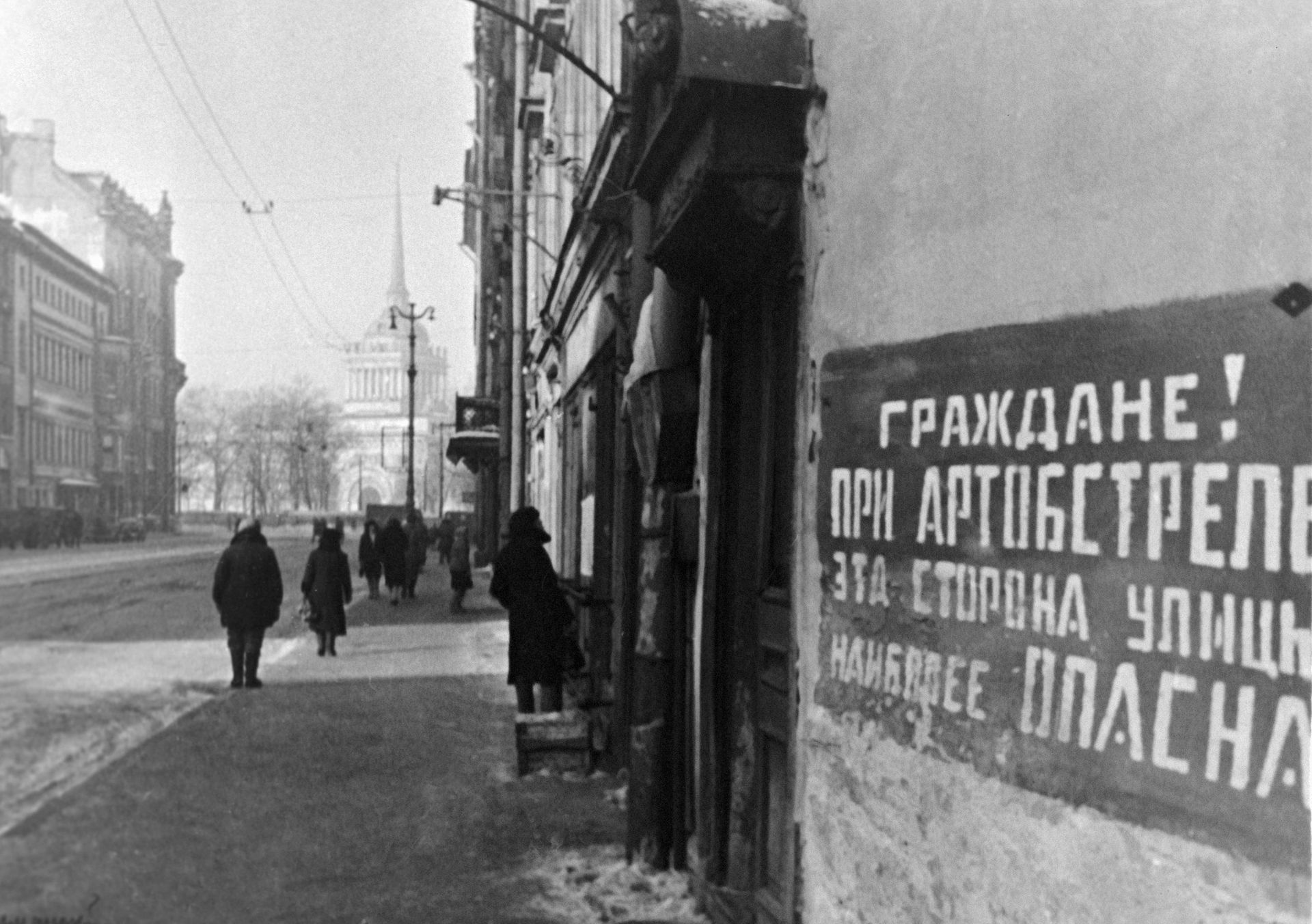
The German generals realized that they were unlikely to capture Leningrad and intensified artillery attacks six-fold. Photo: Sign on a house reading: “Citizens! This side of the street is the most dangerous during artillery attacks.”
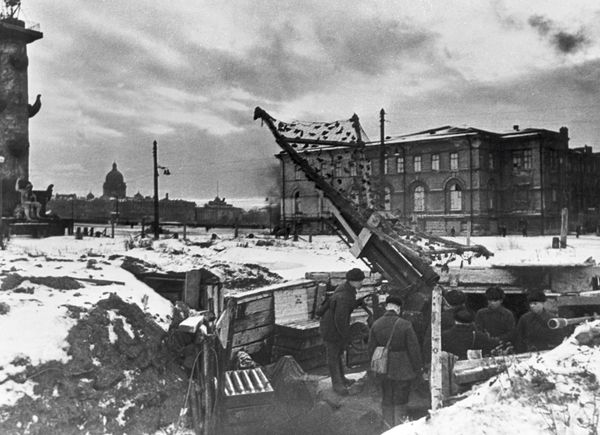
It was only at the beginning of 1944 that the Red Army conducted another major offensive and lifted the 872-day siege completely – on January 27. Photo: An anti-aircraft battery in besieged Leningrad.
Leningrad stopped a substantial German force during the siege, which lasted almost 900 days, thereby facilitating successful Soviet military operations in all other sectors of the vast Soviet-German Front. The defenders of Leningrad contributed greatly to the Red Army’s victories near Moscow, Stalingrad and Kursk and to the epic crossing of the Dnieper River in the fall of 1943.
Newsfeed
0
Access to the chat has been blocked for violating the rules .
You will be able to participate again through:∞.
If you do not agree with the blocking, please use the feedback form
The discussion is closed. You can participate in the discussion within 24 hours after the publication of the article.