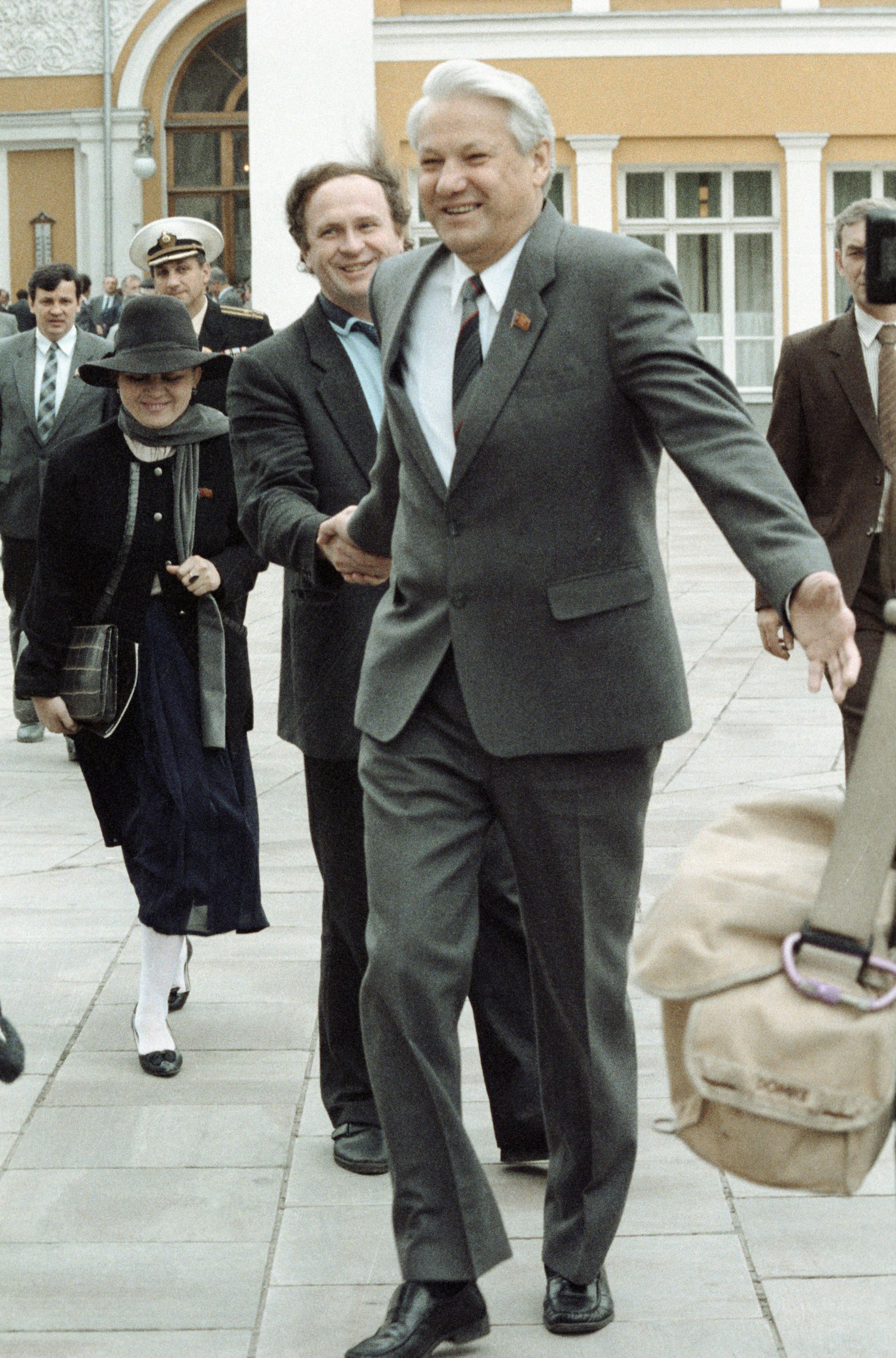
Boris Yeltsin, who became Russia’s first president at a turning point in its history, would have turned 80 on February 1, 2011.
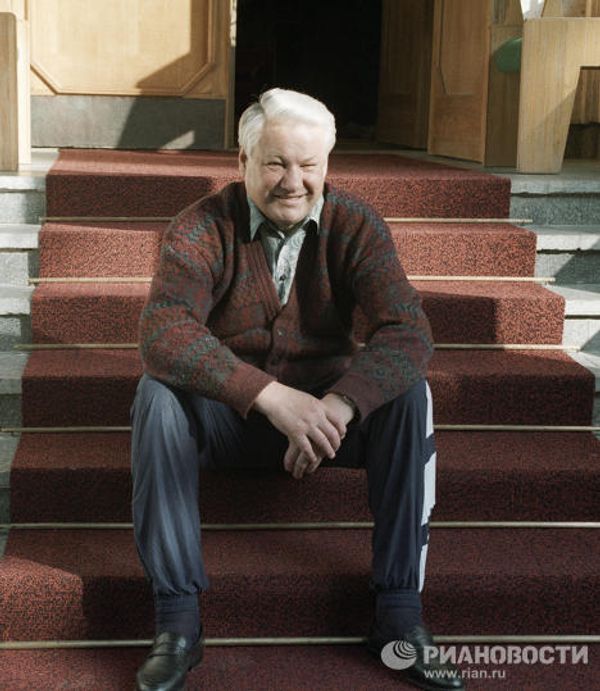
Boris Yeltsin, who became Russia’s first president at a turning point in its history, would have turned 80 on February 1, 2011.
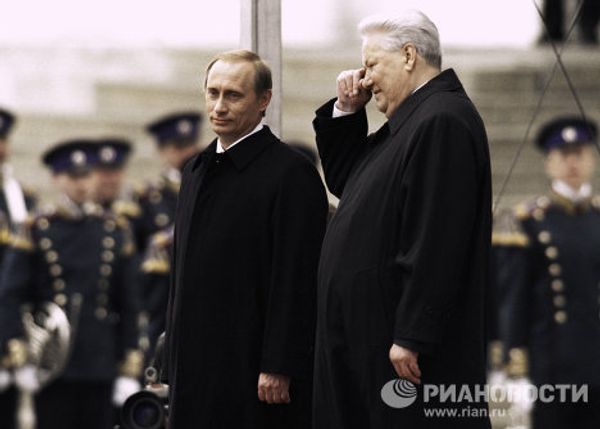
May 2000. President Vladimir Putin and Russia’s first president, Boris Yeltsin, standing on the Red Porch on the day of Putin’s inauguration.
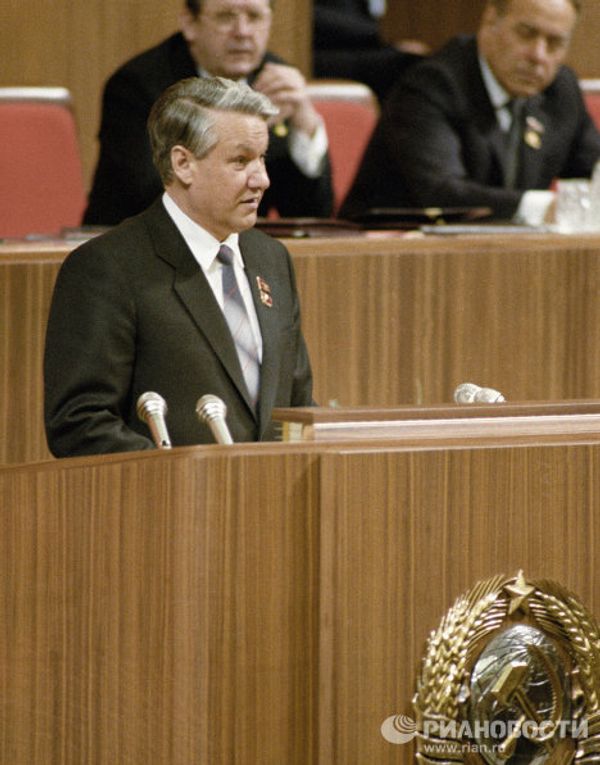
Photo: February 1986. Boris Yeltsin, first secretary of the Moscow city committee of the Communist Party, attends the 27th CPSU Congress.
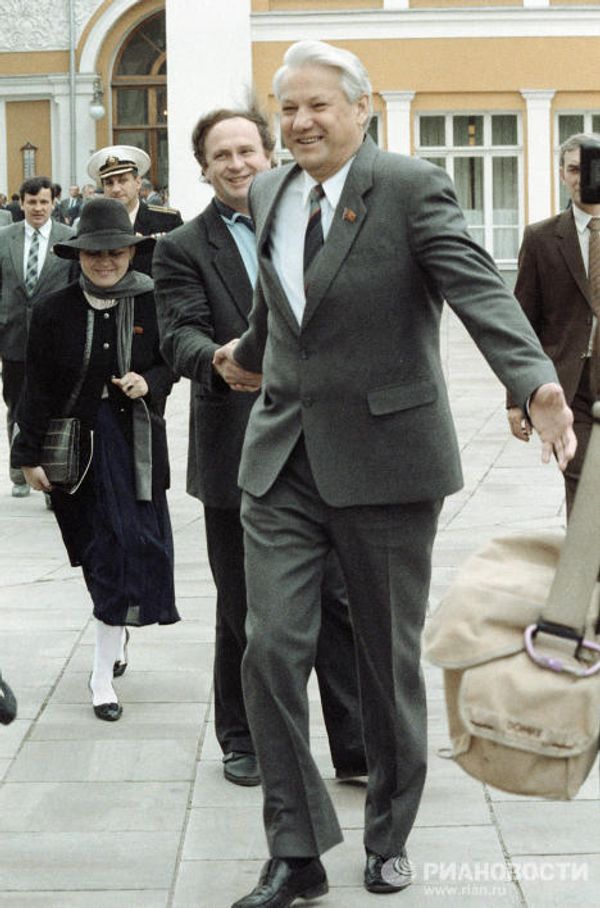
On May 29, 1990, Yeltsin was elected chairman of the RSFSR Supreme Soviet on the third try, with a 535 to 467 vote. His opponent was Kremlin’s protégé Alexander Vlasov.
5/9
© Multimedia Art Museum, Moscow (MAMM).
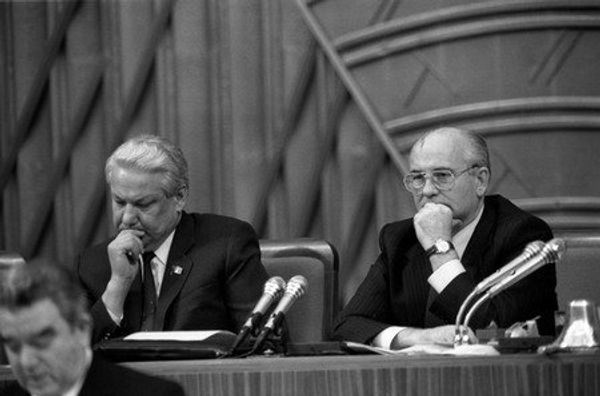
In February 1991, Yeltsin criticized the Soviet Union’s government policy in a televised address and demanded that Mikhail Gorbachev resign and cede his powers to the Federation Council consisting of the heads of Union republics.
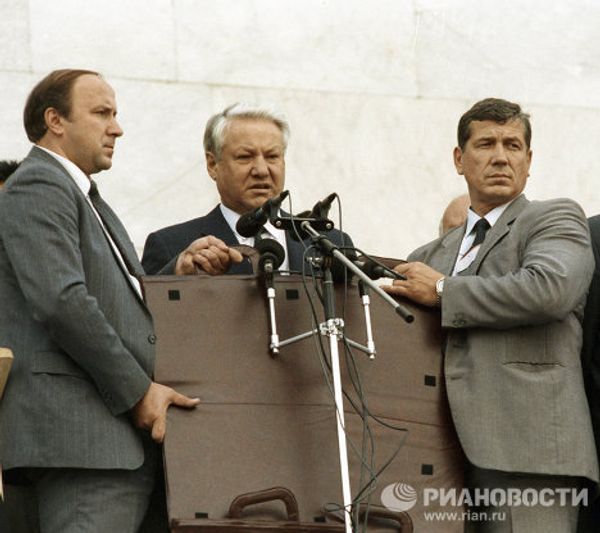
On June 12, 1991, Boris Yeltsin was elected President of the Russian Federation (RSFSR), with 57.30% of the vote. Nikolai Ryzhkov got only 16.85% of the vote although he was supported by Union authorities. It was the country’s first presidential election (Mikhail Gorbachev was not elected by the people but by deputies of the Soviet Union’s Congress of People’s Deputies).
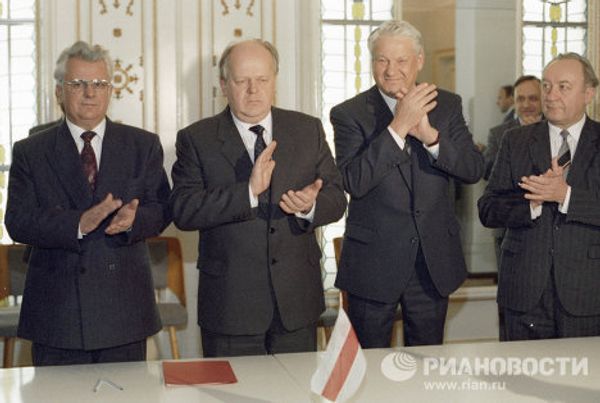
On December 8, 1991, Ukrainian President Leonid Kravchuk (left), Chairman of the Belarusian Supreme Soviet Stanislav Shushkevich (center) and Russian President Boris Yeltsin met at Belovezhskaya Pushcha in Belarus to sign the agreement on the establishment of the Commonwealth of Independent States. Yeltsin’s opponents said the agreement destroyed the Soviet Union and led to a number of bloody conflicts in the post-Soviet space.
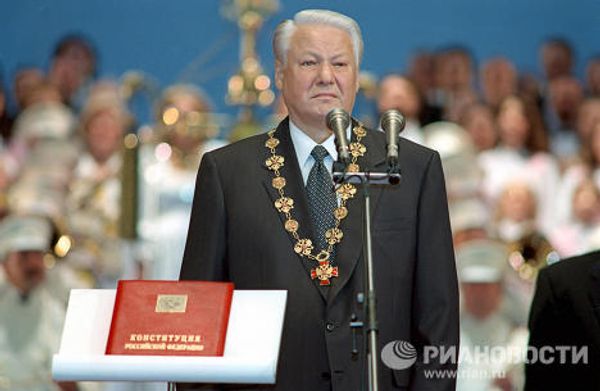
Yeltsin’s first presidential term was not easy. By the beginning of 1996, his rating had fallen to 3% due to economic instability and the Chechen war, but he still decided to run for re-election.
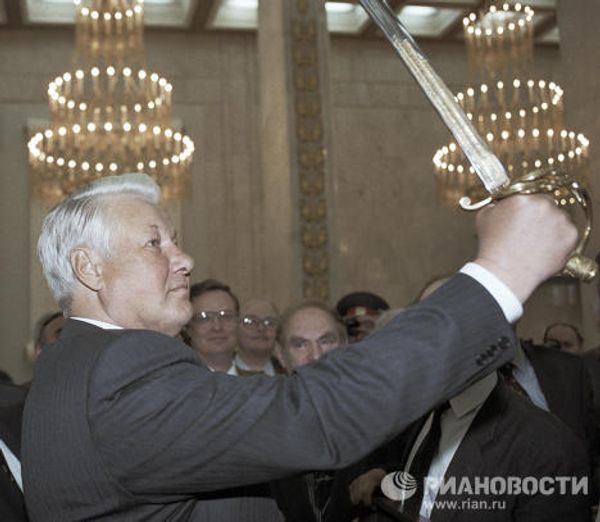
On June 16, 1996, Boris Yeltsin received 35.28% of the vote, while his closest opponent, Communist Party leader Gennady Zyuganov, got 32.03%. In the second round, Yeltsin received 53.82% of the vote.