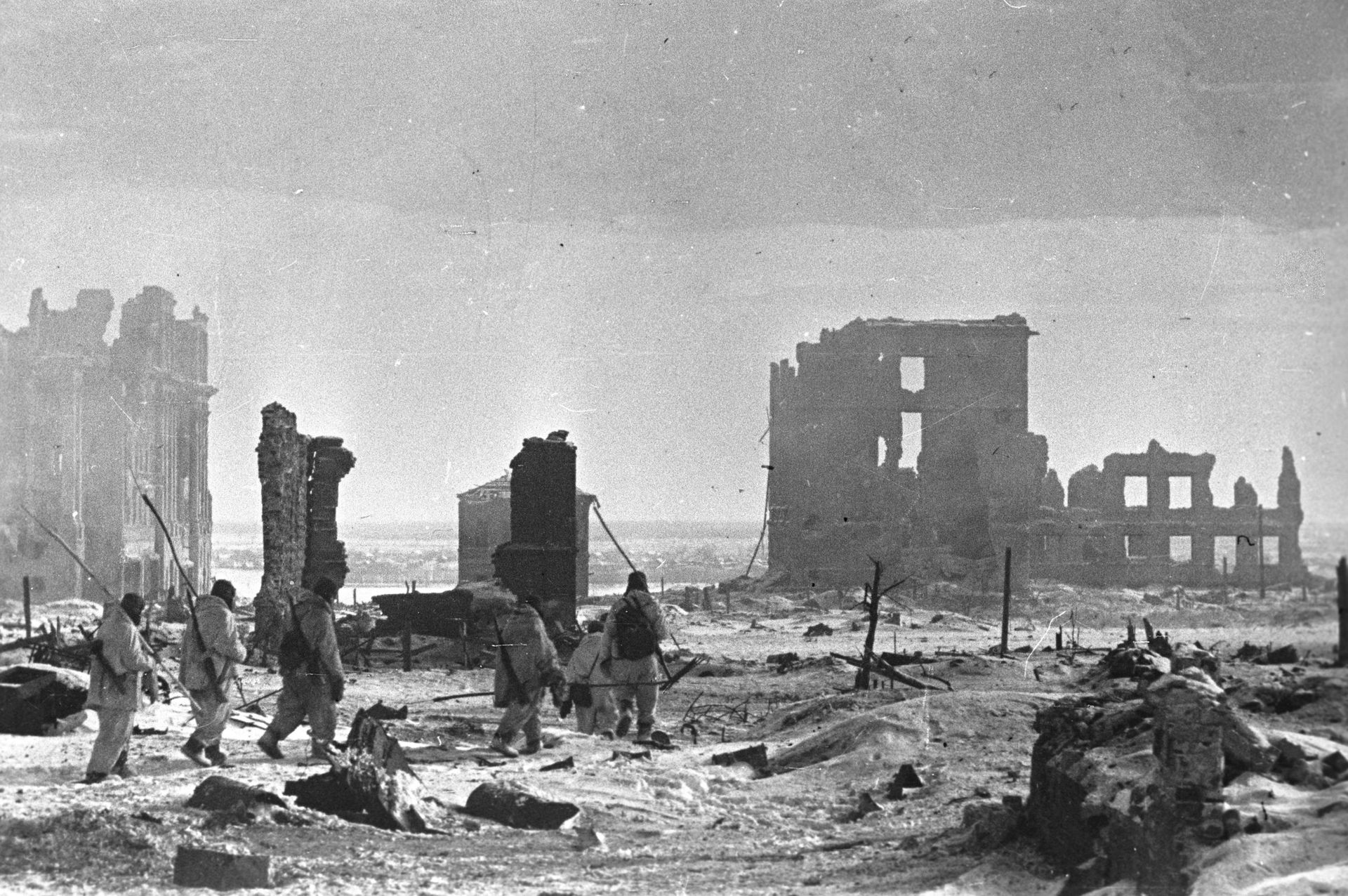
On February 2, the country marks the 68th anniversary of the defeat of Nazi troops in Stalingrad. Stalingrad at the end of the war.
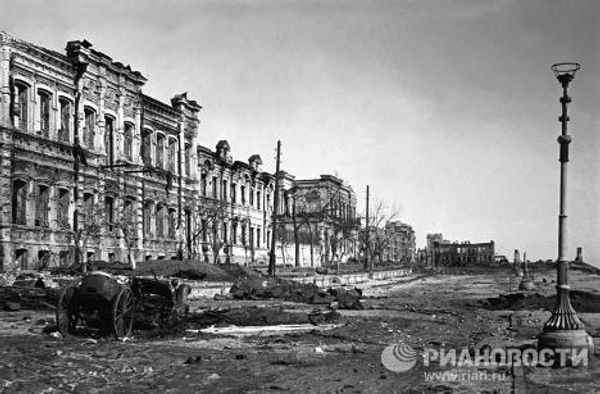
On February 2, the country marks the 68th anniversary of the defeat of Nazi troops in Stalingrad. Stalingrad at the end of the war.
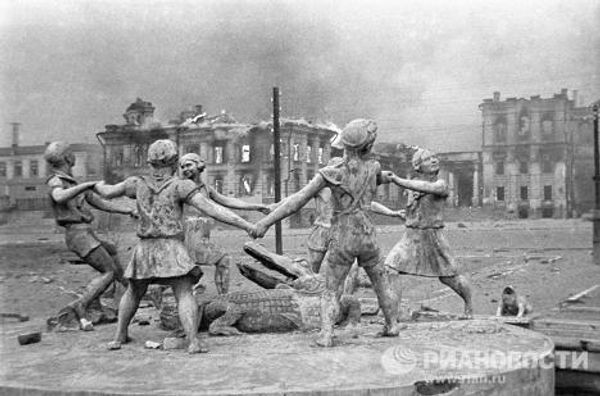
A German carpet bombing raid in August 1942 destroyed the city, killing more than 40,000 people. Stalingrad was reduced to burning rubble. Only a monument to playing children survived by some miracle.
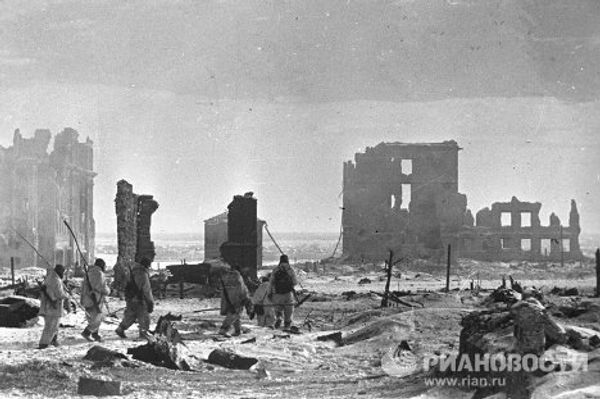
In the length and intensity of the fighting and in the number of troops and combat equipment involved, the Battle of Stalingrad eclipsed all other battles in world history at that time.
Photo: Stalingrad after being freed from Nazi invaders.
Photo: Stalingrad after being freed from Nazi invaders.
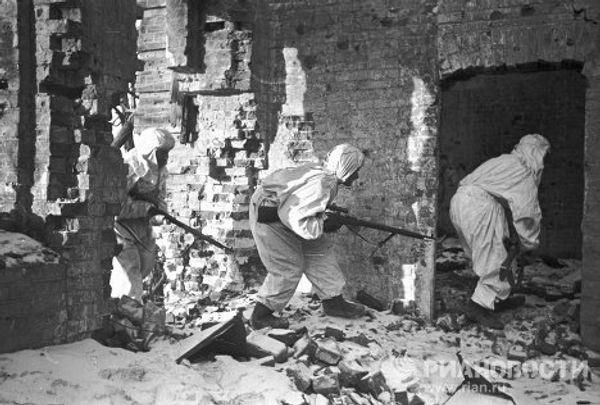
The fighting was not just for every street: it was for every house, every entrance, every apartment.
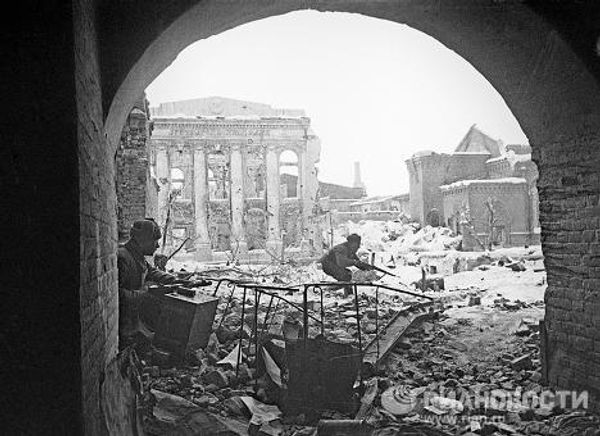
Historians write that in some buildings the fighting was so personal that the combatants “felt one another’s breath.”
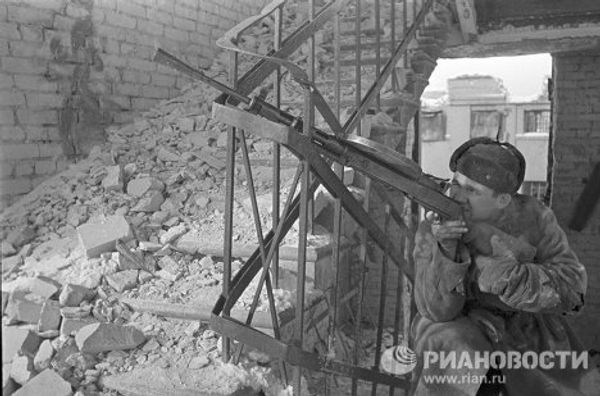
Historians estimate that some Soviet snipers killed up to 250 Germans each.
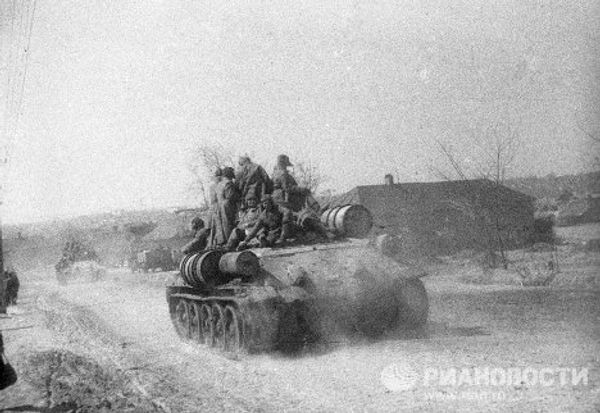
The battle for Mamayev Hill was particularly fierce; the ground literally seeped blood. The hill changed hands several times.
Photo: Street fighting in Stalingrad in 1942.
Photo: Street fighting in Stalingrad in 1942.
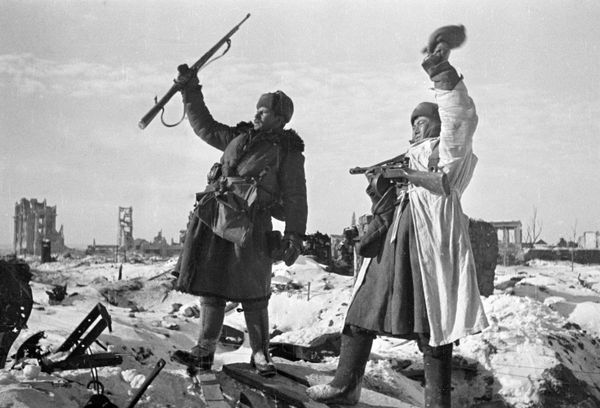
On January 10, 1943, a general Soviet offensive began.
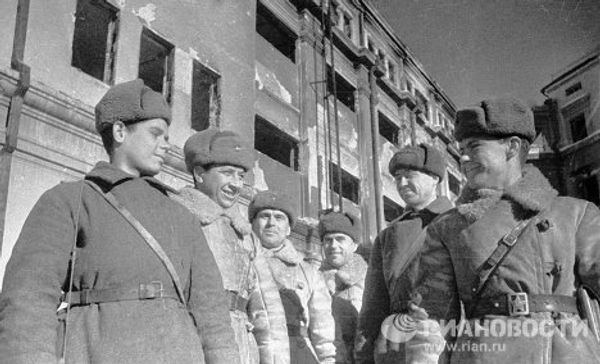
By January 31, Soviet troops had demolished the German southern offensive (and captured the 6th Army Command and Headquarters commanded by Field Marshal Paulus).
Photo: Soviet officers and men who captured the Paulus headquarters.
Photo: Soviet officers and men who captured the Paulus headquarters.
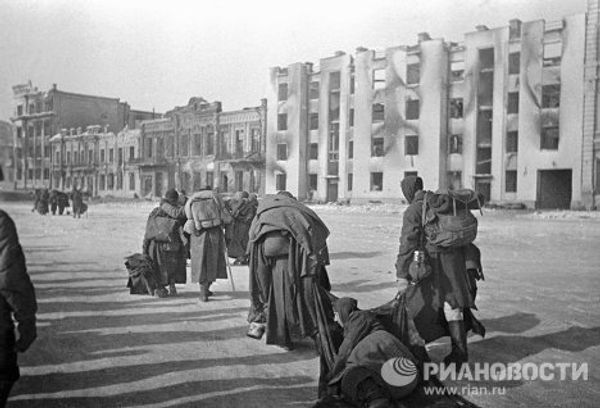
Outside Stalingrad, Soviet troops mauled five armies: two German, two Romanian, and one Italian. During the struggle that lasted six and a half months, German-bloc armies lost one-quarter of their total strength on the Soviet-German front. Over 800,000 enemy officers and men were killed, wounded or captured, and large amounts of combat equipment, weapons and supplies were taken or destroyed.
Photo: German prisoners of war leaving the liberated city of Stalingrad.
Photo: German prisoners of war leaving the liberated city of Stalingrad.
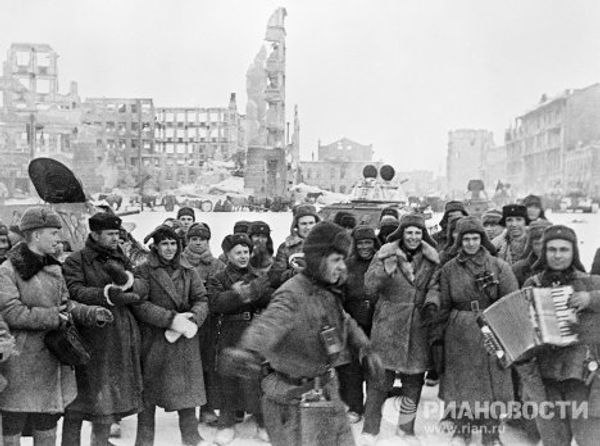
Outside Stalingrad, the Red Army stopped the triumphant march of Nazi invaders spoiling for oil in the Caucasus and fertile land in the Kuban area. The outcome of the Battle of Stalingrad left a tremendous impact on the liberation movement around the world, with the city and its defenders becoming a symbol of courage, heroism and victory.
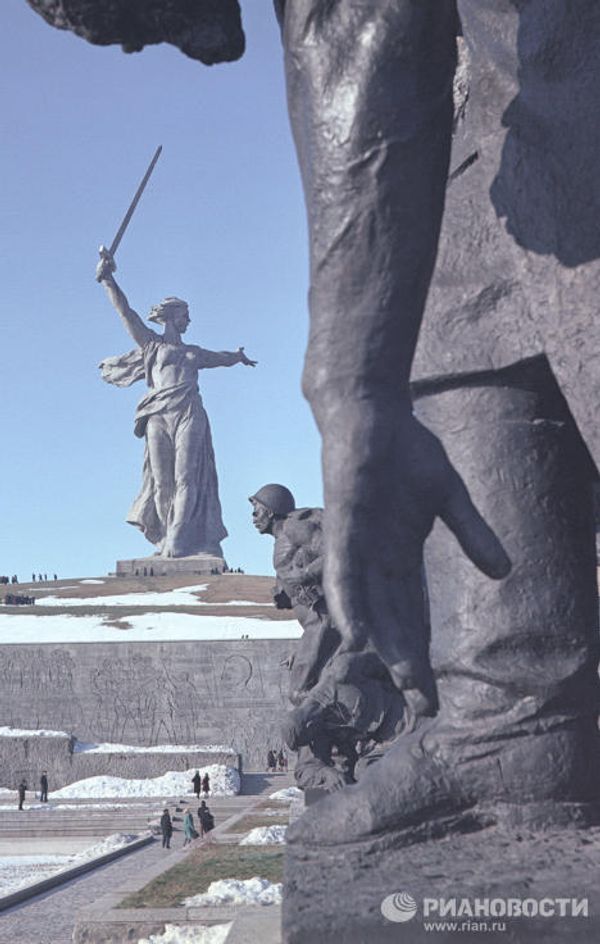
A memorial complex was erected on Mamayev Hill to commemorate the victory of Stalingrad’s heroes.