On Wednesday, the curfew in three Egyptian cities – Cairo, Alexandria, and Suez – was shortened by three hours. Now any movement or presence in the streets is... 02.02.2011, Sputnik International
On Wednesday, the curfew in three Egyptian cities – Cairo, Alexandria, and Suez – was shortened by three hours. Now any movement or presence in the streets is prohibited from 5 p.m. to 7 a.m. local time. Before this, the curfew was from 3 p.m. to 8 a.m.. The curfew was imposed on January 28 as a result of mass protests and riots.
On Wednesday, the curfew in three Egyptian cities – Cairo, Alexandria, and Suez – was shortened by three hours. Now any movement or presence in the streets is prohibited from 5 p.m. to 7 a.m. local time. Before this, the curfew was from 3 p.m. to 8 a.m.. The curfew was imposed on January 28 as a result of mass protests and riots.
On Wednesday, the curfew in three Egyptian cities – Cairo, Alexandria, and Suez – was shortened by three hours. Now any movement or presence in the streets is prohibited from 5 p.m. to 7 a.m. local time. Before this, the curfew was from 3 p.m. to 8 a.m.. The curfew was imposed on January 28 as a result of mass protests and riots.
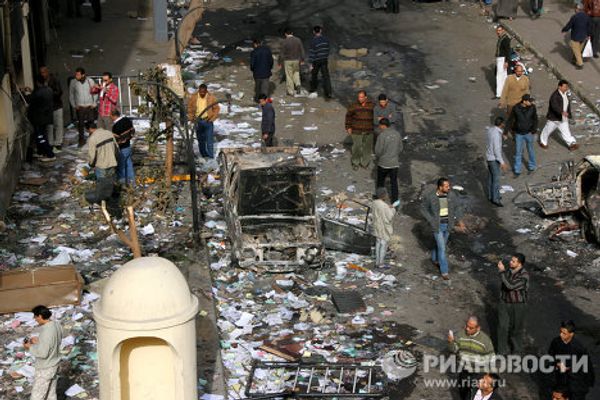
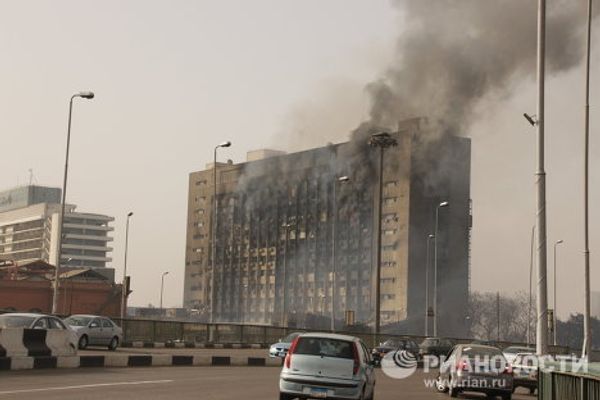
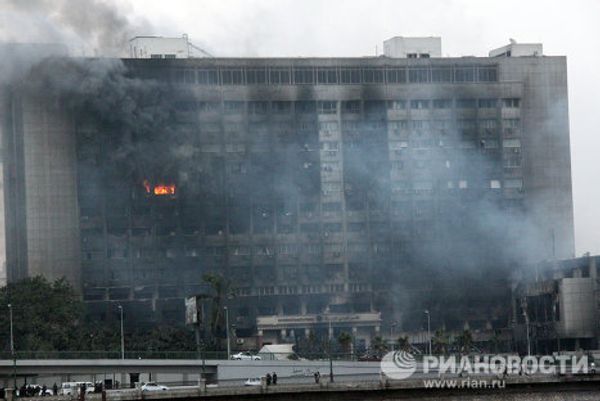
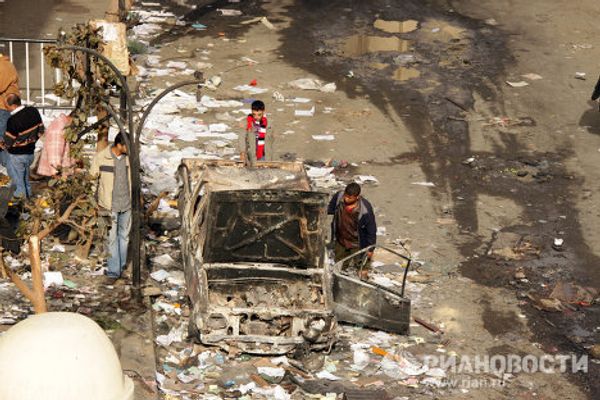
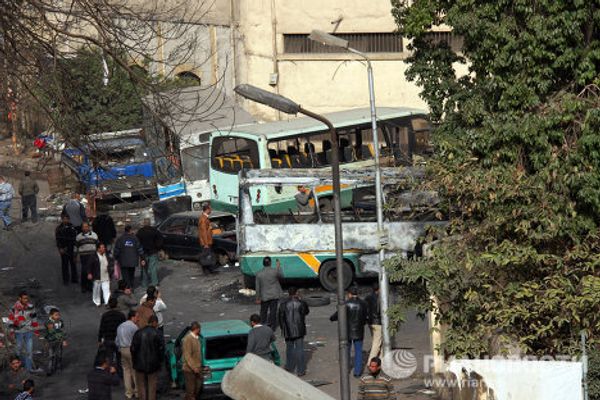
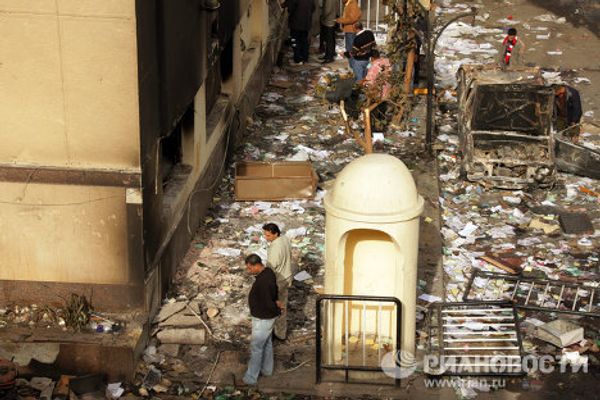
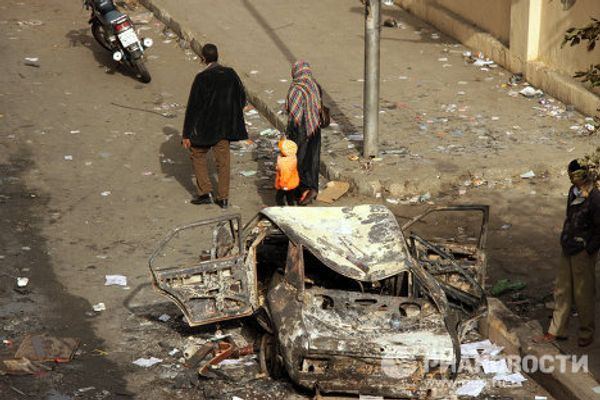
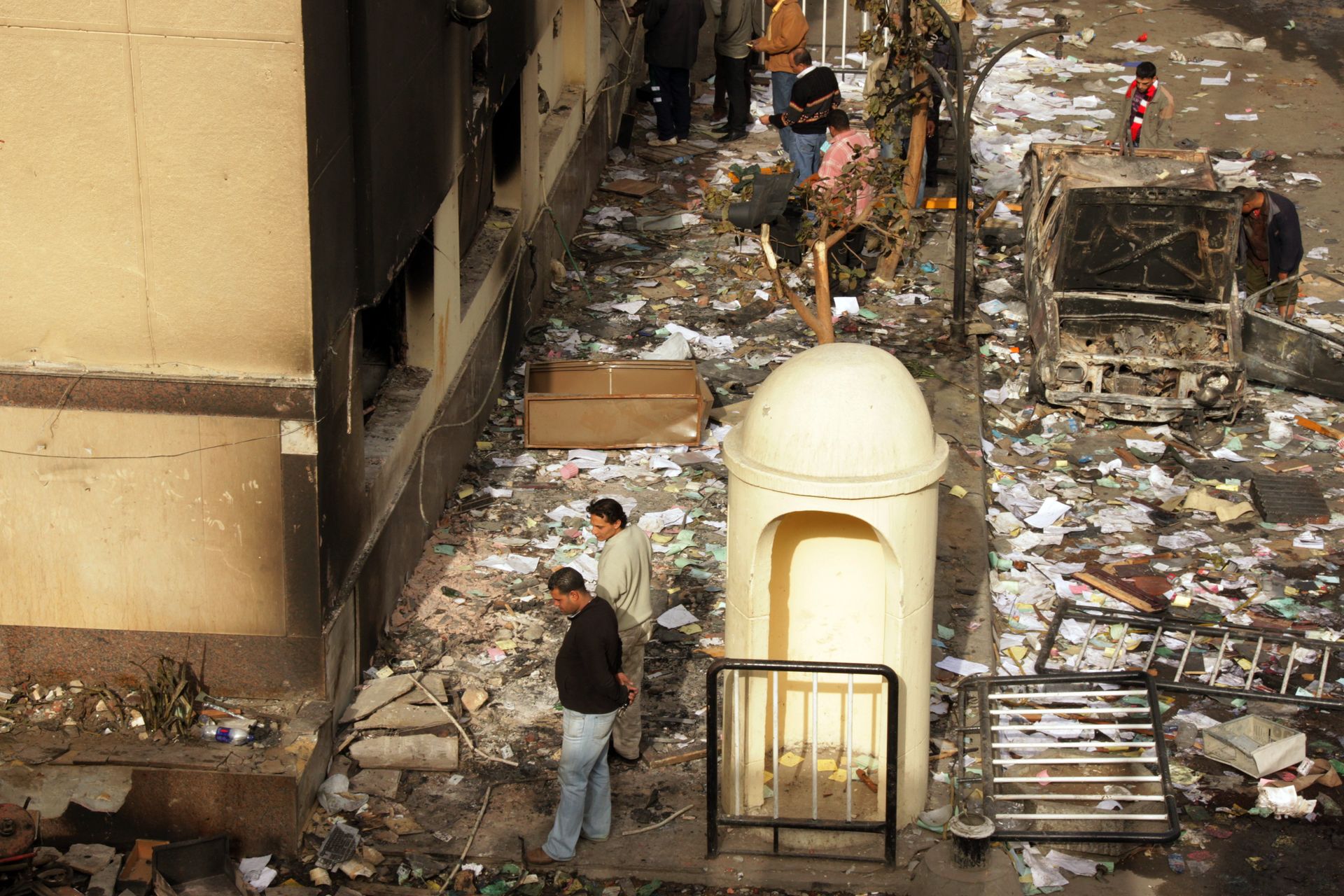
On January 28, after the traditional Friday sermon, thousands of protesters emerged from mosques in Cairo and headed towards the central Tahrir Square. There, protesters set fire to the headquarters of the ruling National Democratic Party of Egypt.
Hundreds of motorists formed huge lines at the few working gas stations. Only government gas stations were working. Private stations ran out of gasoline and their owners could not pay for additional deliveries.
Banks in the city are still closed. The National Bank of Egypt announced that its customers can use ATMs located directly at the bank branches. This will allow many Egyptians to receive their salaries, benefits, and pensions, which were to be posted at the end of January.
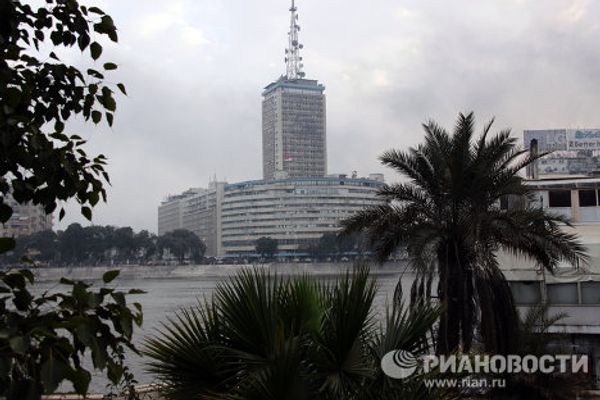
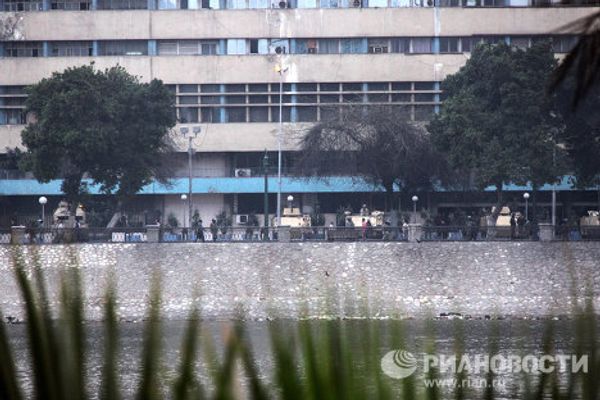
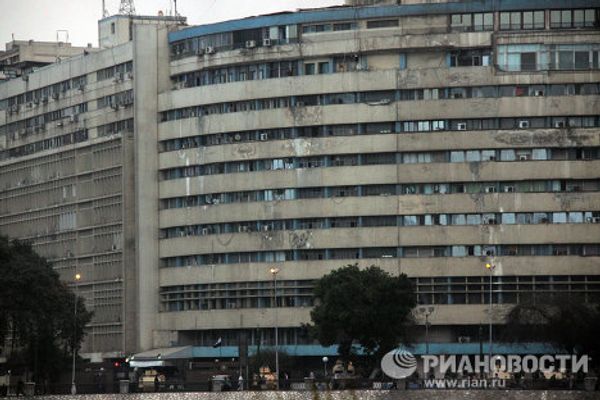
The neighborhood around the building of Egypt's national television station, where supporters of incumbent President Hosni Mubarak flocked on Wednesday night, has become the new rallying point for protesters in Cairo.
On Wednesday night, Mubarak appeared on national television with a statement in which he promised that he would not run for a sixth term as president in the upcoming September elections. Pictured: the building where Mubarak televised his statement in Cairo, surrounded by the Egyptian army's armored vehicles.
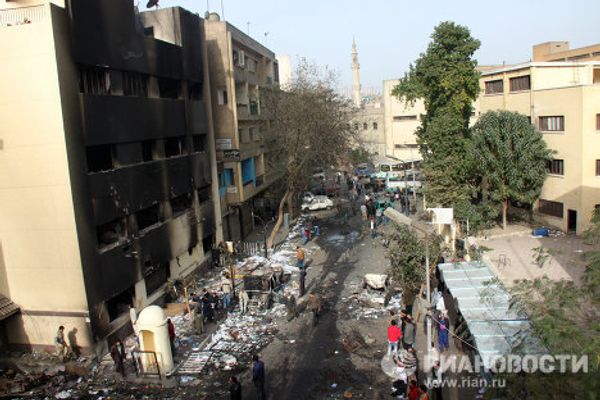
Since January 25, mass protests have broken out with demands for economic and political reforms and an end to the Mubarak regime, which has been in place for 30 years. The unrest was accompanied by looting and arson. At least 300 people have died as a result of the unrest, and more than 4,000 are wounded.
Newsfeed
0
Access to the chat has been blocked for violating the rules .
You will be able to participate again through:∞.
If you do not agree with the blocking, please use the feedback form
The discussion is closed. You can participate in the discussion within 24 hours after the publication of the article.