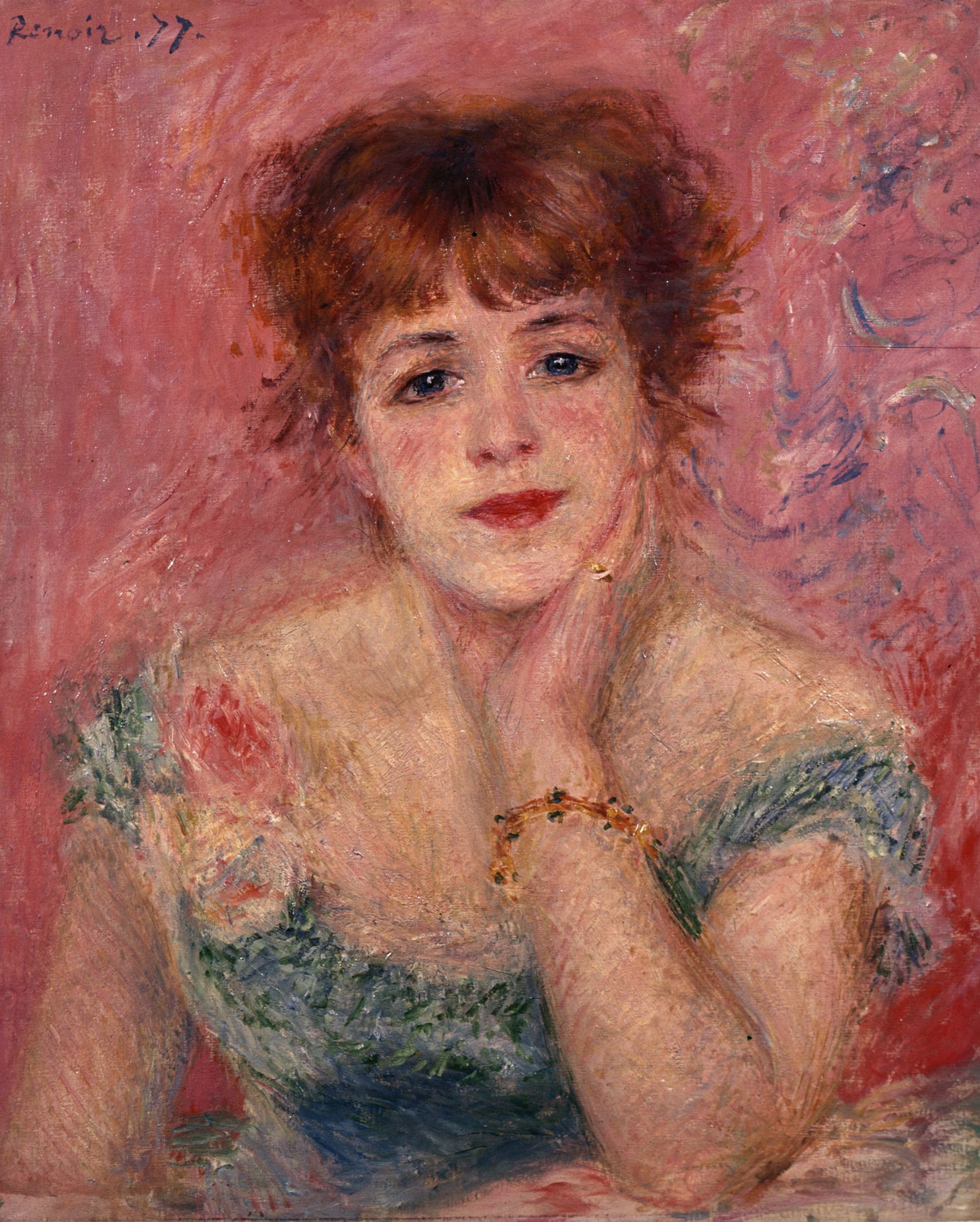
February 25 marks the 170th anniversary of the birth of French painter Pierre Auguste Renoir. “Lady with a Fan,” 1881.
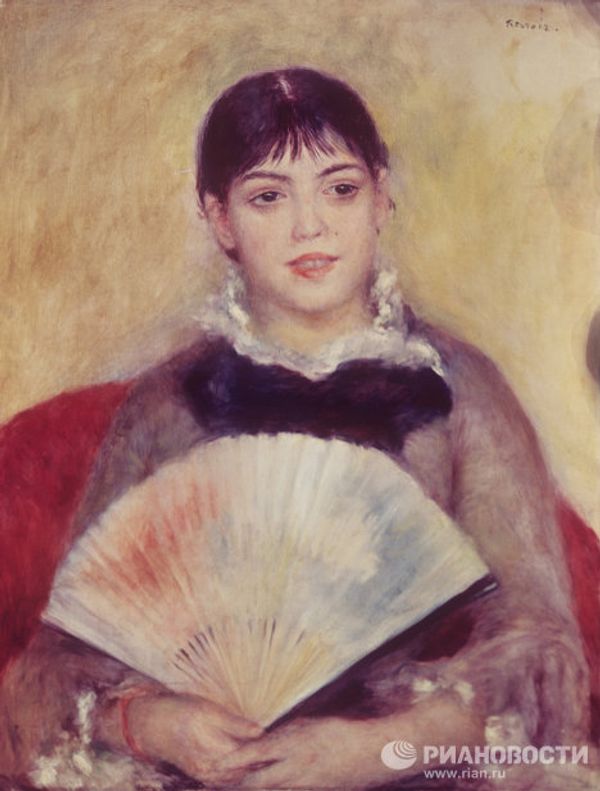
February 25 marks the 170th anniversary of the birth of French painter Pierre Auguste Renoir. “Lady with a Fan,” 1881.
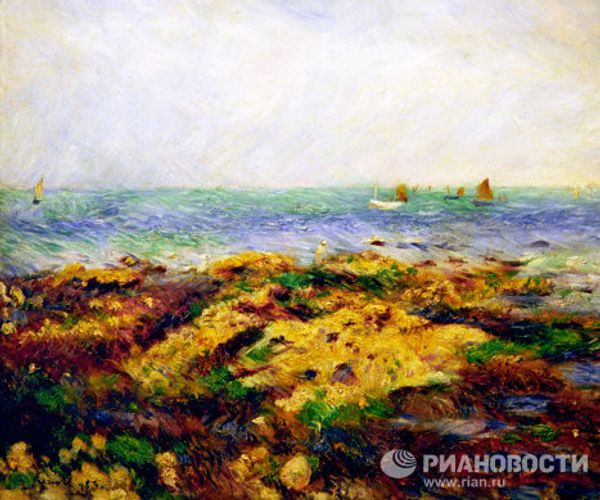
Renoir took his inspiration from everyday life, and the observant painter conveyed its simple beauty with genius and grace. “Marée basse à Yport” (“Ebbing Tide at Yport”), 1883.
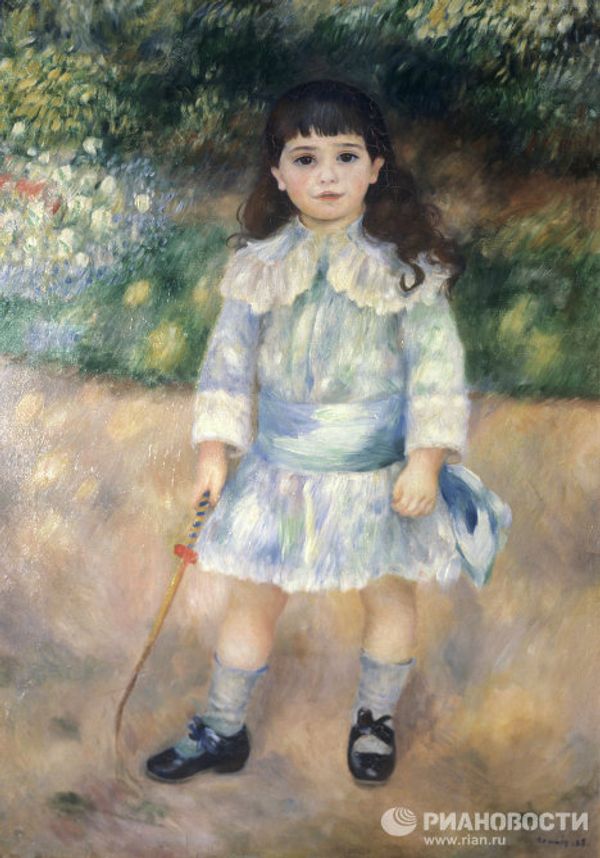
“To me a painting should always be pleasing, cheerful and beautiful,” Renoir said. “Beautiful, yes! There are too many unpleasant things in real life. So why should we add more?” “Child with a Whip” (portrait of Dr. Etienne Goujon’s 5-year-old son), 1885.
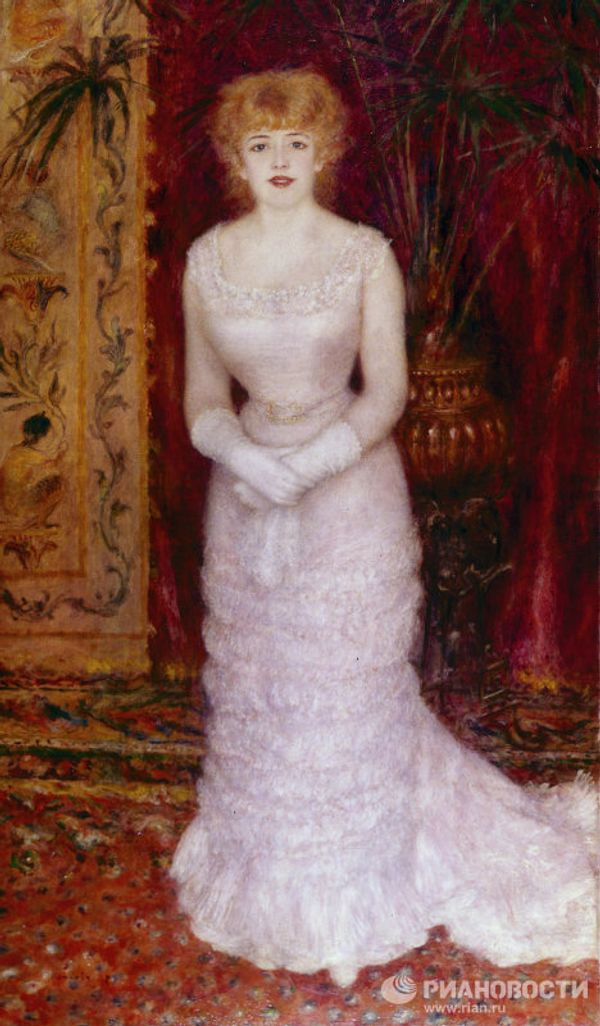
In the china workshop where his parents sent him to work as an apprentice, the young Renoir spent his days painting pottery. He spent his evenings taking painting lessons at free courses. Renoir’s brother later recalled that his studies earned him the nickname “Monsieur Rubens,” after the 17th century Flemish master. “Portrait of Actress Jeanne Samary,” 1878.
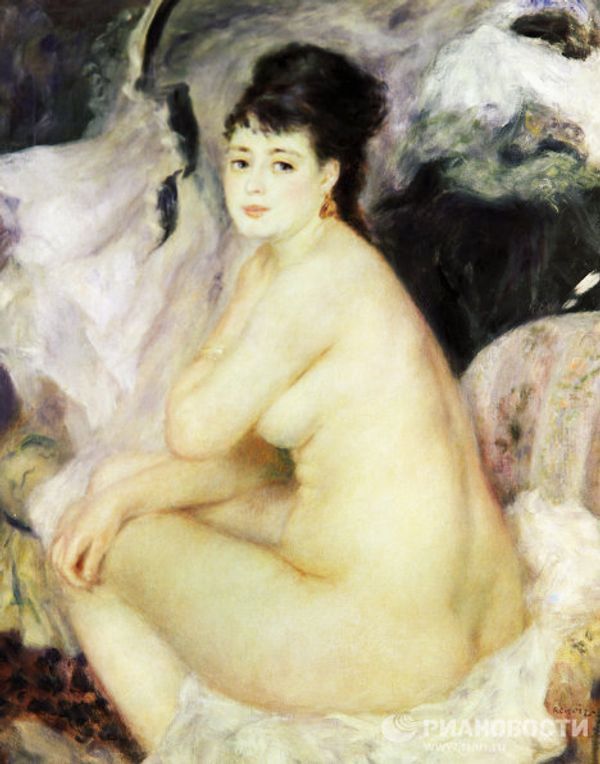
Renoir lived up to his nickname later in life. As an established painter, his work showed an affinity with Rubens, especially his female portraits, which celebrated both corporeal and spiritual beauty. “Nude,” 1876.
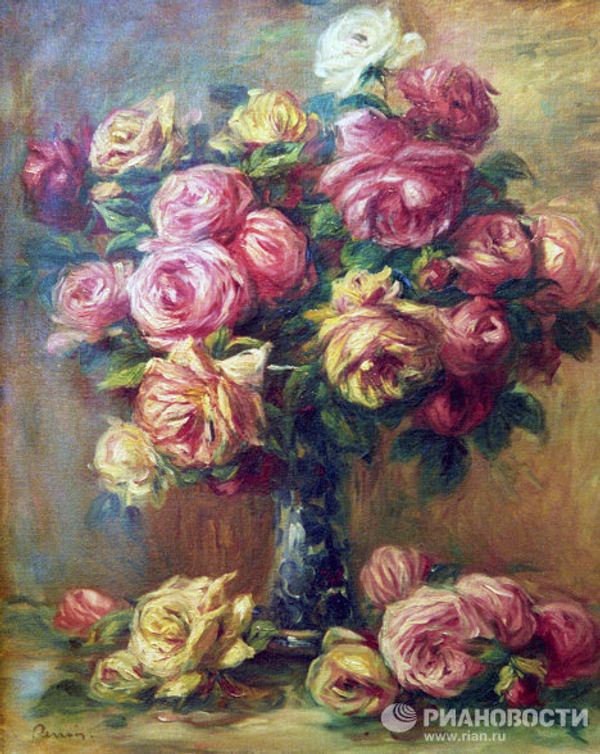
“When I paint flowers, my heart is filled with serenity,” Renoir said. His paintings feature an array of flowers, including roses, peonies, golden daisies, lilacs and daffodils. “Roses in a Vase,” 1910.
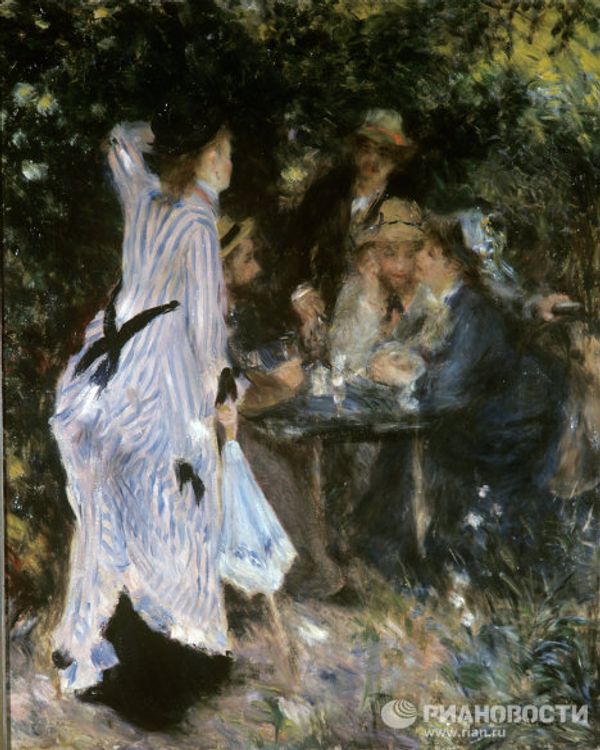
Renoir admired the work of Corot, Courbet and Delacroix. But his own style is closer to Fragonard, Boucher and Watteau – masters of the French Rococo, who loved soft palettes and idyllic scenes. It was from these painters that he inherited his joy of living, which illuminates every moment of life like sunlight. “Bal du moulin de la Galette,” 1875.
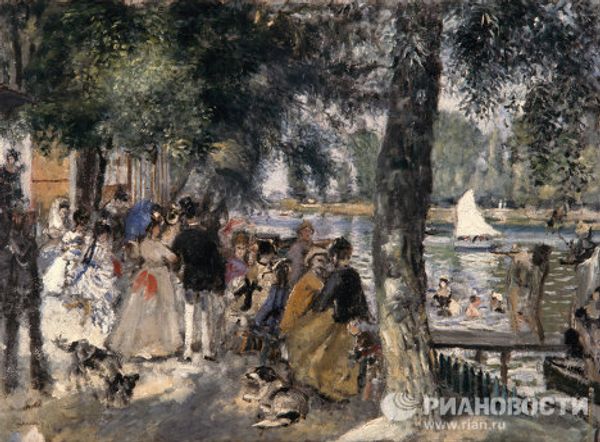
Renoir was particularly captivated by the interplay of shadow and light. And he used broad, sketchy brushstrokes to create a sense of vibrancy, imbuing with life the water, the trees, and the human figures in his paintings. This effect of spontaneity became the hallmark of Impressionism, as the movement became known five years after Renoir completed his “Bathing in the Seine,” circa 1869.
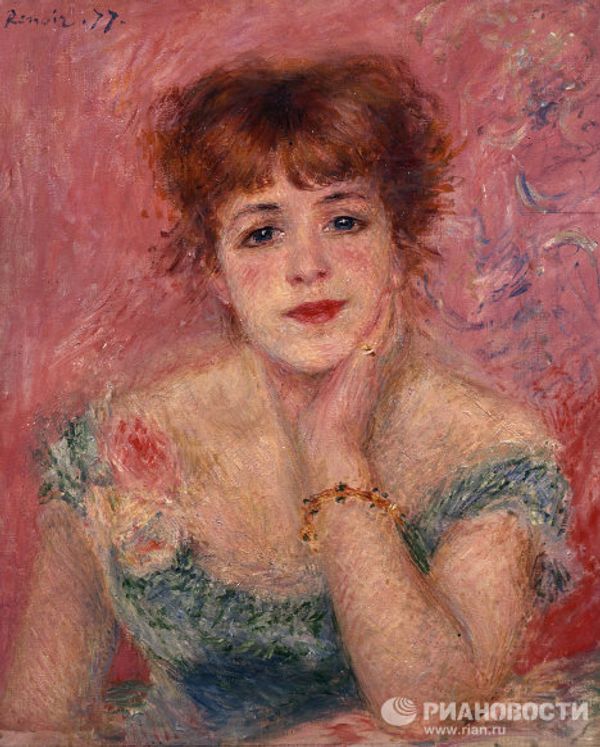
According to one scholar, Renoir was obsessed with color. The painter himself saw his work as a never-ending quest. “I never knew what I would be doing tomorrow,” he remarked. “Portrait of Actress Jeanne Samary,” 1877.