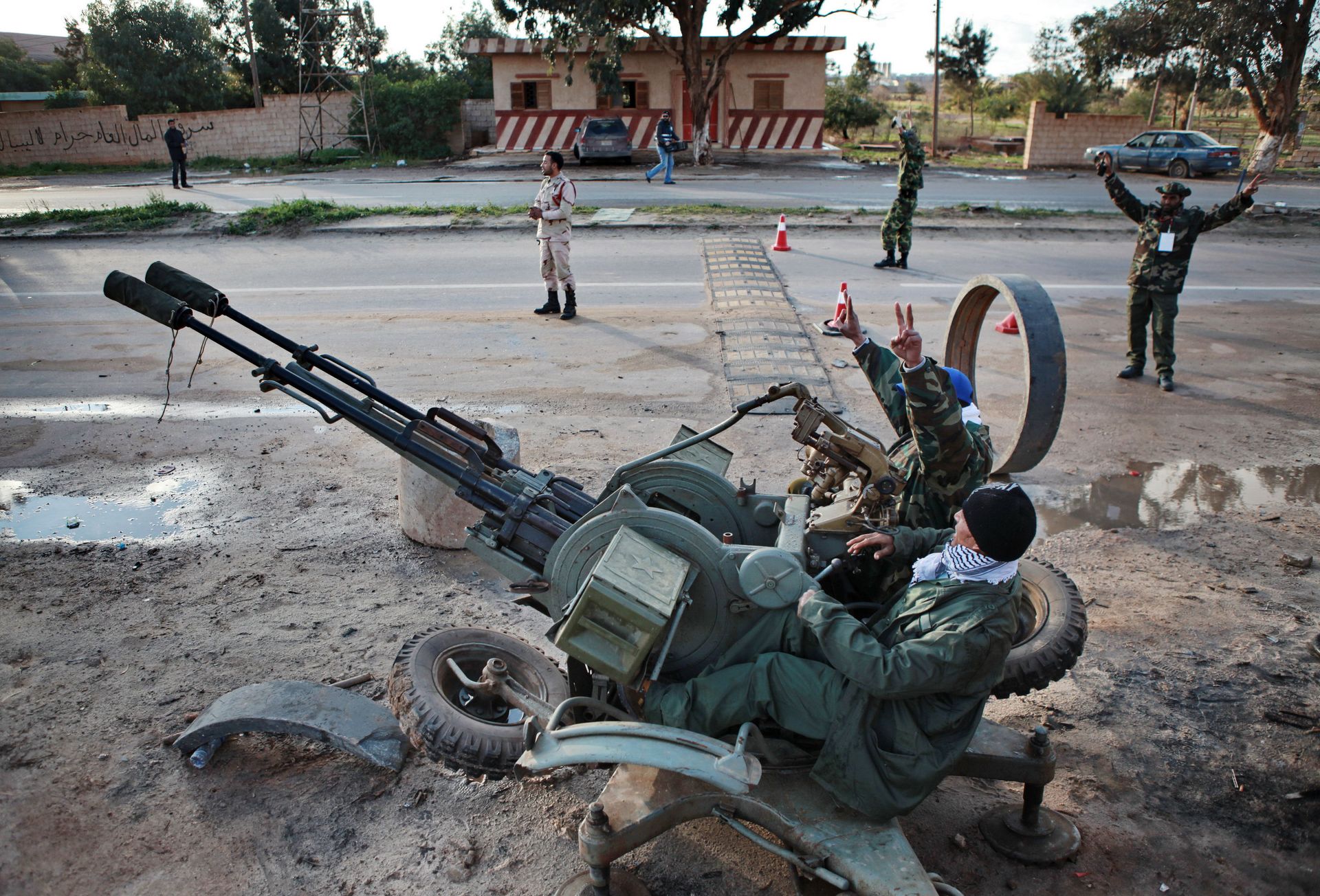
Members of the opposition to Muammar Gaddafi’s regime have seized power in many cities across western Libya and are now preparing to "liberate" Tripoli. These cities will be run by the National Libyan Council, formed to act as "the political face of the revolution" in Benghazi on February 27.
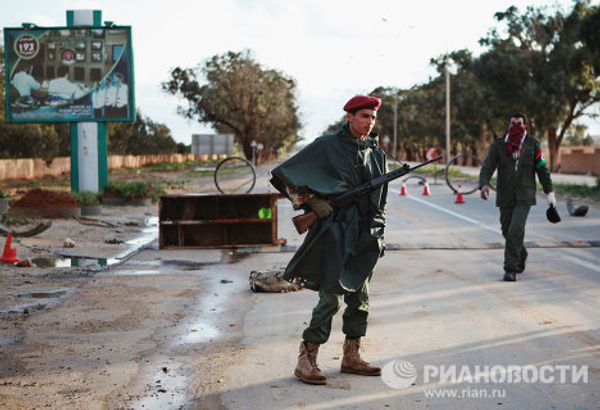
Members of the opposition to Muammar Gaddafi’s regime have seized power in many cities across western Libya and are now preparing to "liberate" Tripoli. These cities will be run by the National Libyan Council, formed to act as "the political face of the revolution" in Benghazi on February 27.
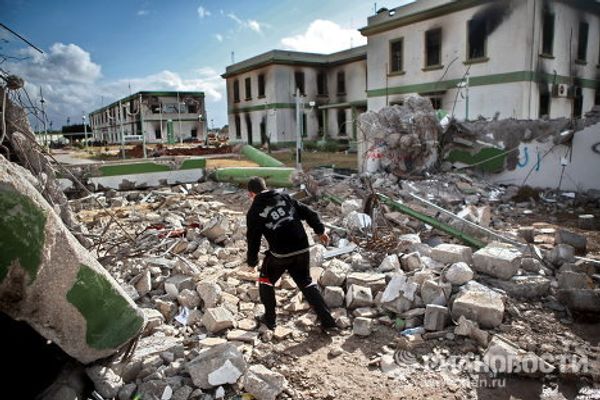
Benghazi used to be home to a military base. It was destroyed by artillery shelling.
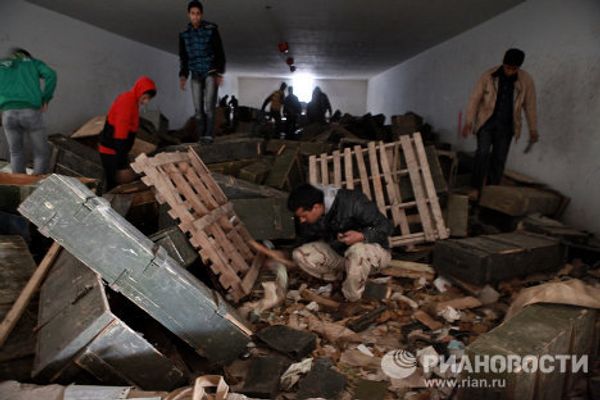
Locals search for any remaining weapons in the base’s arsenal.
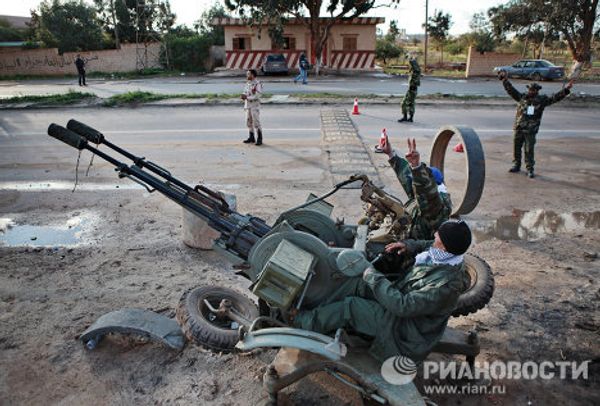
Members of the opposition are learning to use the anti-aircraft cannons left by the Libyan soldiers.
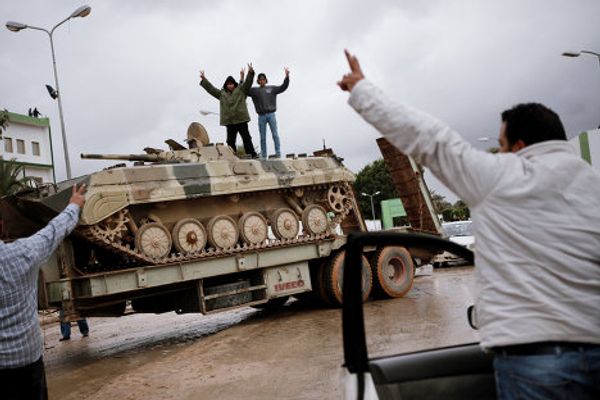
Benghazi residents are clearing the streets of tanks abandoned by soldiers.
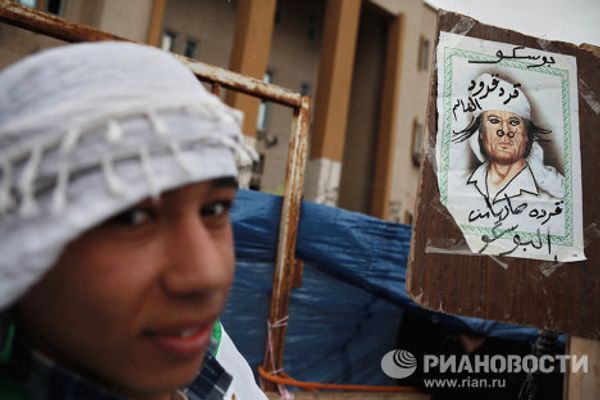
Portraits of Muammar Gaddafi are being turned into caricatures.
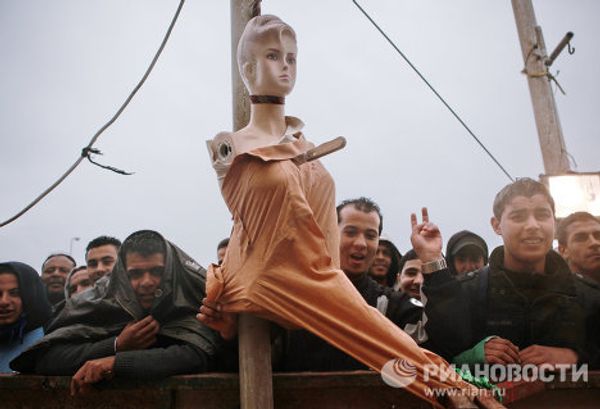
This mannequin depicts Ayesha Gaddafi, Muammar Gaddafi’s daughter.

Members of the opposition do not shirk the limelight. They believe Gaddafi’s regime is finally over. Crowds on the streets of Benghazi are chanting: "This is our revolution".
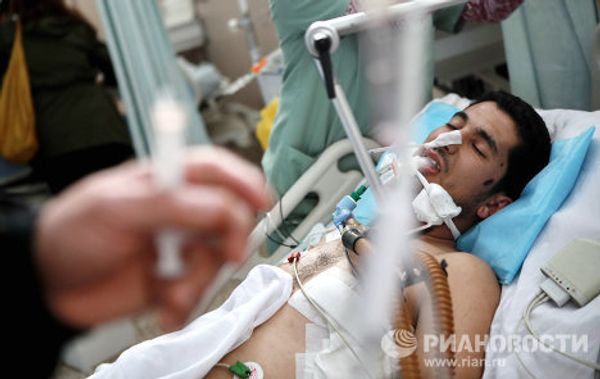
Hospitals across Libya, which has been in the grips of the popular uprising for over two weeks now, lack both drugs and doctors who can operate on the wounded. International humanitarian organizations have reported that 256 people have been killed in encounters with the security forces in Benghazi alone, where the Libyan revolution started on February 15. Some 2,000 people have been hospitalized with various injuries. Doctors lack even the most basic drugs and bandages.
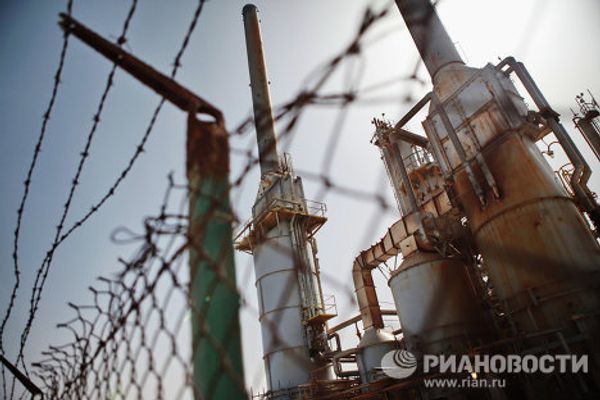
Soldiers who went over to the side of the opposition are helping the enemies of the Gaddafi regime secure the oil terminals in Brega. Oil production facilities in the city are working at 25% of their total capacity.