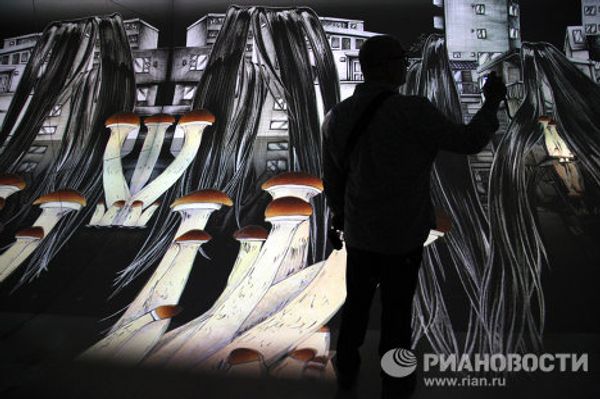
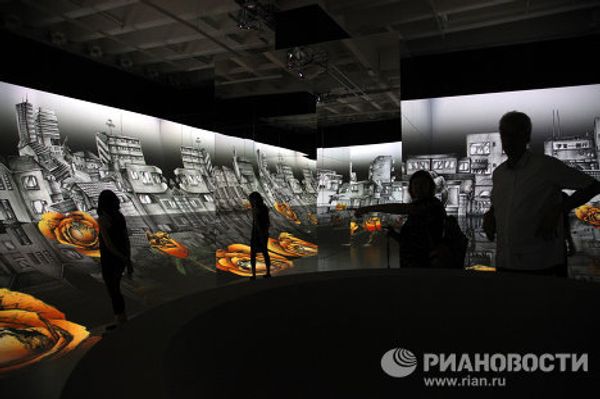
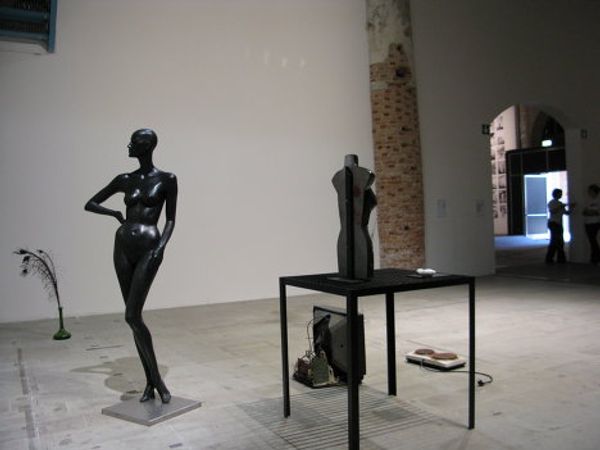
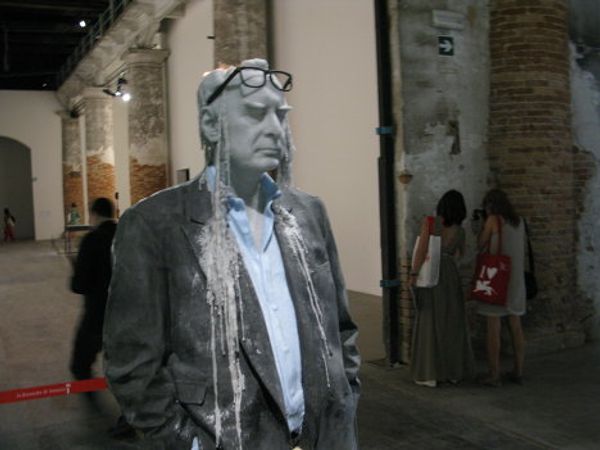
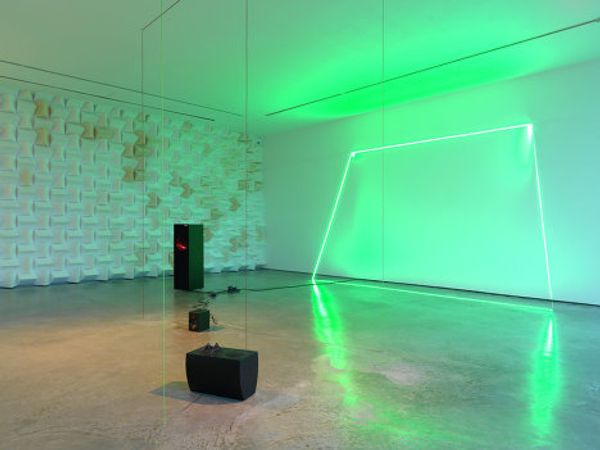
The Venice Biennale, one of the world’s largest contemporary art shows, opened to the public last weekend. Photo: Japanese pavilion at the 54th Venice Biennale.
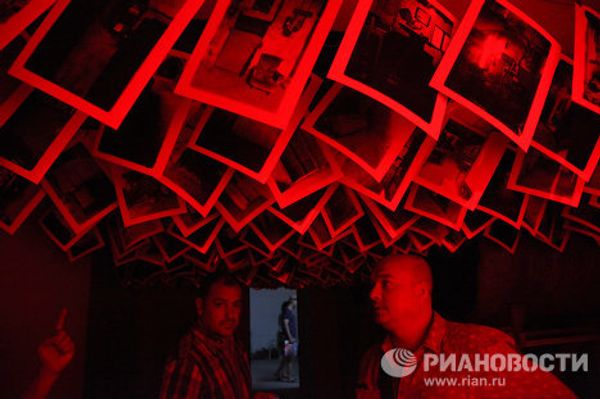
The biennale this year is titled “ILLUMInations,” a term that, according to curator Bice Curiger, has many interpretations. Photo: British pavilion at the 54th Venice Biennale.
For obvious reasons, it was unclear until nearly the last minute whether Egypt and Japan would be able to bring their projects to the biennale. They did, and their pavilions now enjoy greater attention. Photo: Japanese pavilion at the 54th Venice Biennale.
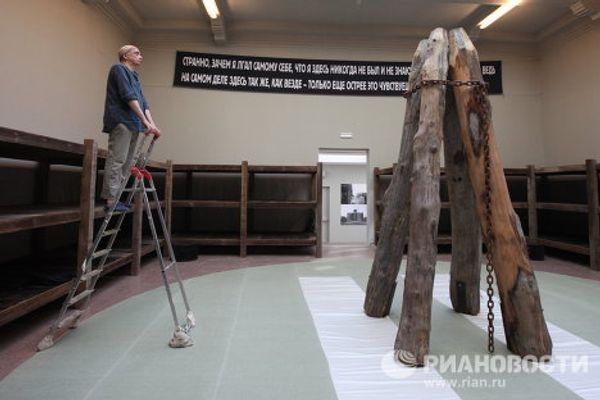
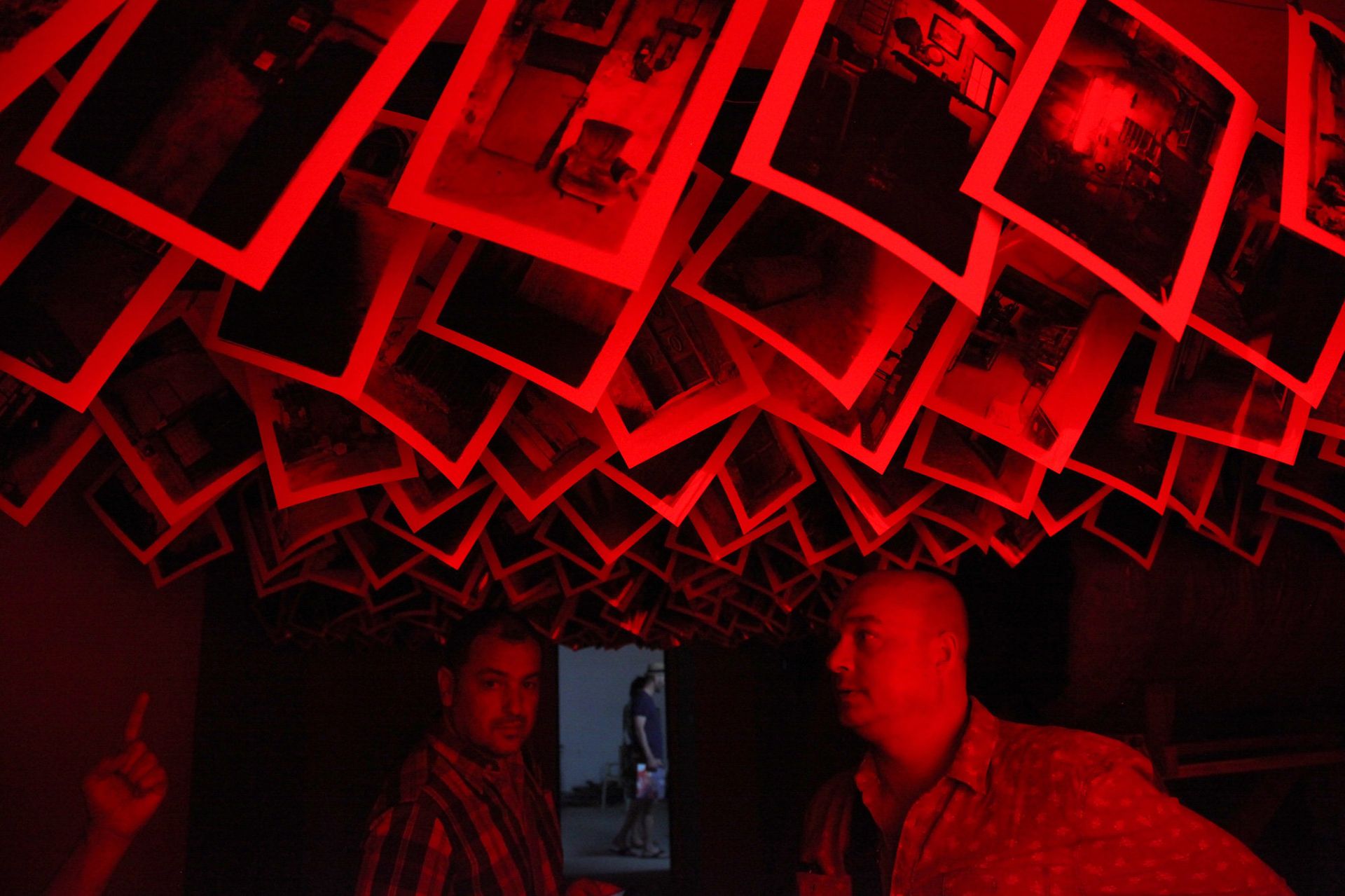
The Russian pavilion features the Empty Zones project. Conceptual artist Andrei Monastyrsky (photo) and the group "Collective Actions" in collaboration with curator Boris Groys, hauled real poles from Venetian waters (with permission from local authorities) into the pavilion. The installation also features prison bunk beds, a Russian response to American minimalism.
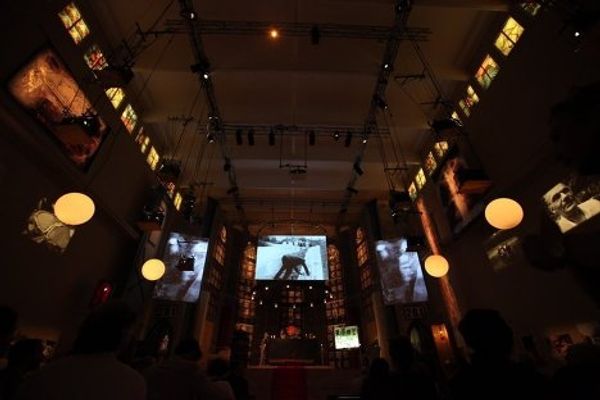
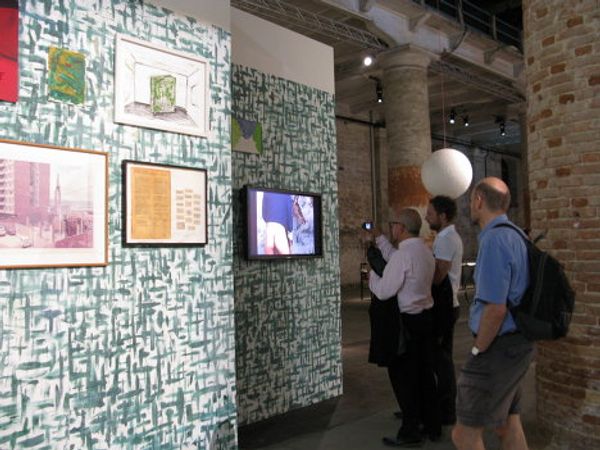
By tradition, the main venue for major exhibitions has become the "Arsenal," founded in the 12th century on the former site of a shipyard. Photo: Luca Francesconi. Europe 3000 at the Arsenal.
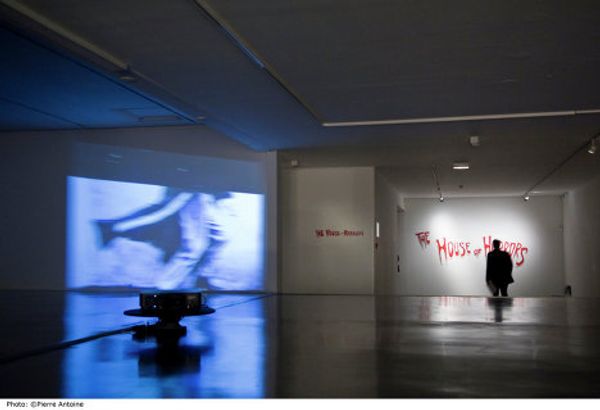
On June 4, an international jury named the top prizes of the Biennale. The "Golden Lion" for the best national pavilion this year went to Germany for the project Temple of Fear/Alien Inside (photo) by avant-garde film and theater director Christoph Schlingensief, who recently passed away.
The names of the "Golden Lion" prize winners for contribution to art became known one month before the opening of the Biennale. Pictured here is the project of Paris-based American artist Ellen Sturtevant.
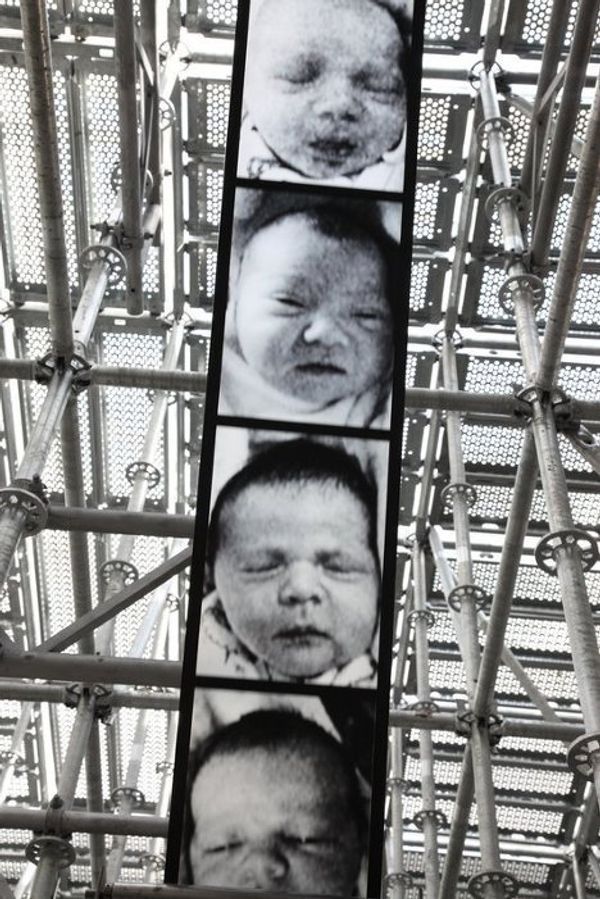
Traditionally, the Venice Biennale will remain open to the public for another six months, until November 27. Photo: Chance by Christian Boltanski, French pavilion.
Newsfeed
0
Access to the chat has been blocked for violating the rules .
You will be able to participate again through:∞.
If you do not agree with the blocking, please use the feedback form
The discussion is closed. You can participate in the discussion within 24 hours after the publication of the article.