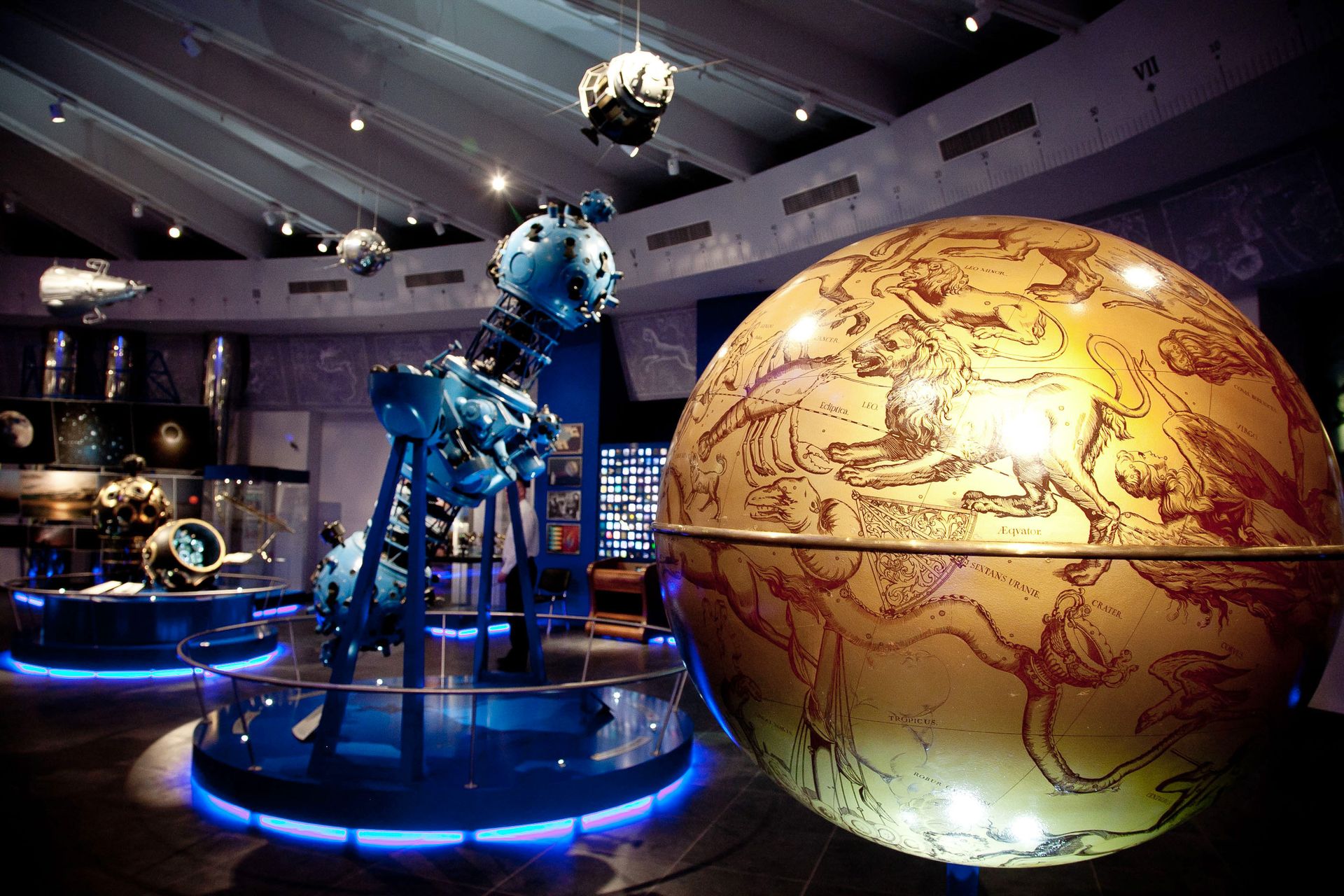
After 17 years of renovation, the Moscow Planetarium officially opened on June 13. It is one of the largest planetariums in the world and the oldest in Russia.
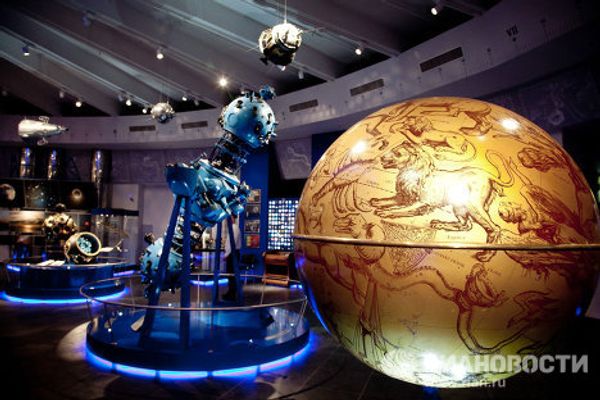
After 17 years of renovation, the Moscow Planetarium officially opened on June 13. It is one of the largest planetariums in the world and the oldest in Russia. Photo: A renovated hall at the Moscow Planetarium.
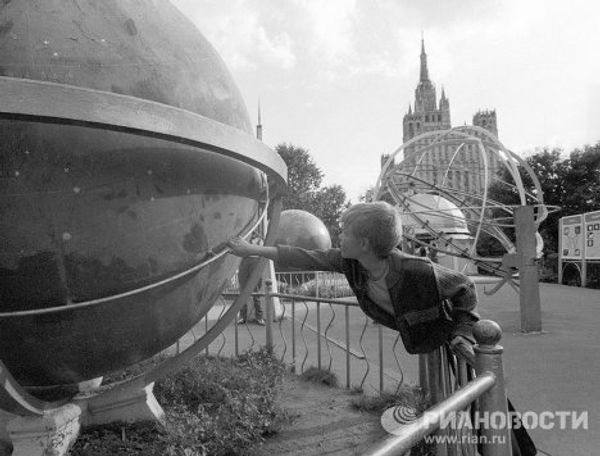
The Moscow Planetarium was established following a decision by the Moscow Council for Promoting Universe Studies. It first opened its doors to visitors on Nov. 5, 1929.
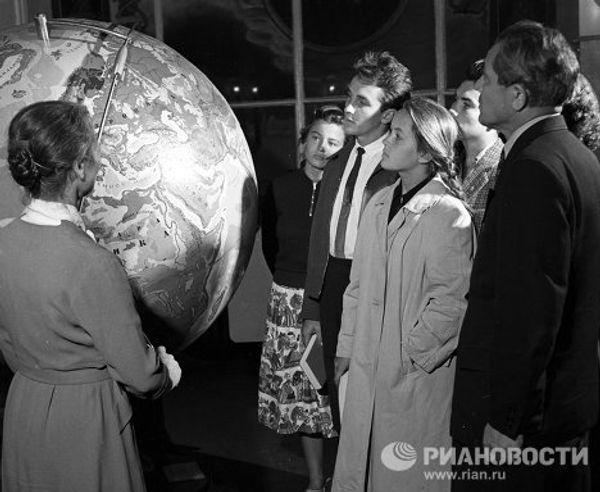
A planetarium lecturer points out the flight path of the fourth Sputnik-series spacecraft.
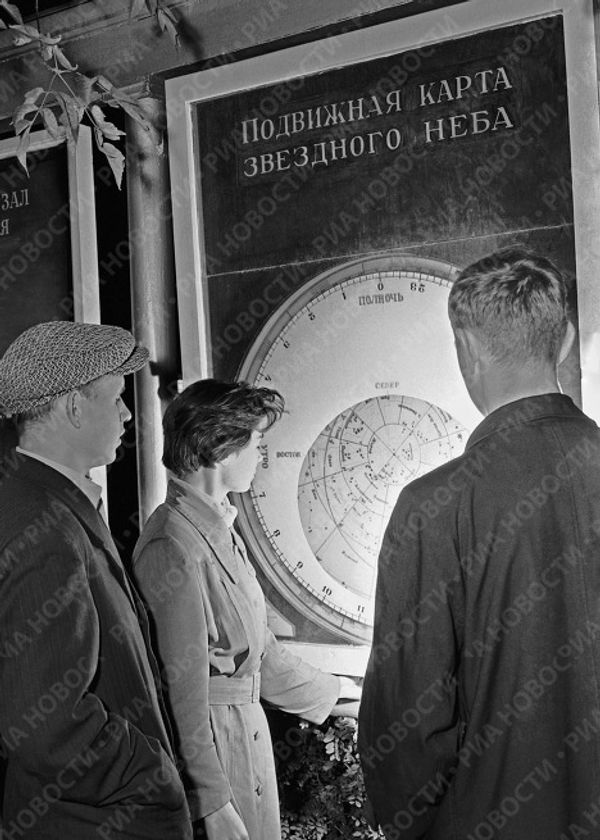
The Stratospheric Committee started work at the planetarium in the 1930s. Members studied the upper atmosphere and jet propulsion.
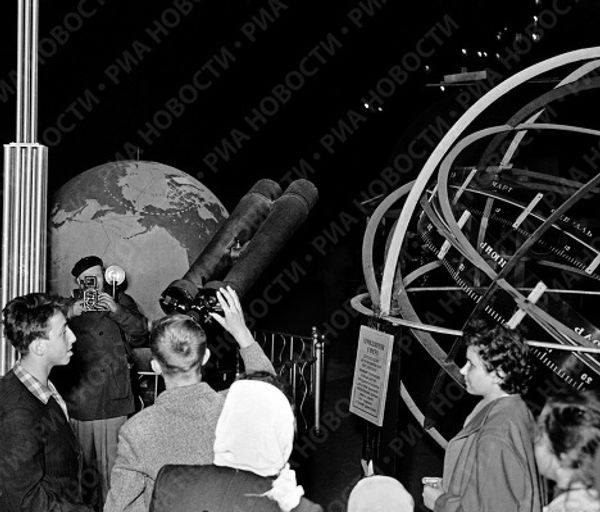
The planetarium featured lectures under an artificial sky. The first cosmonauts were taught theory here.
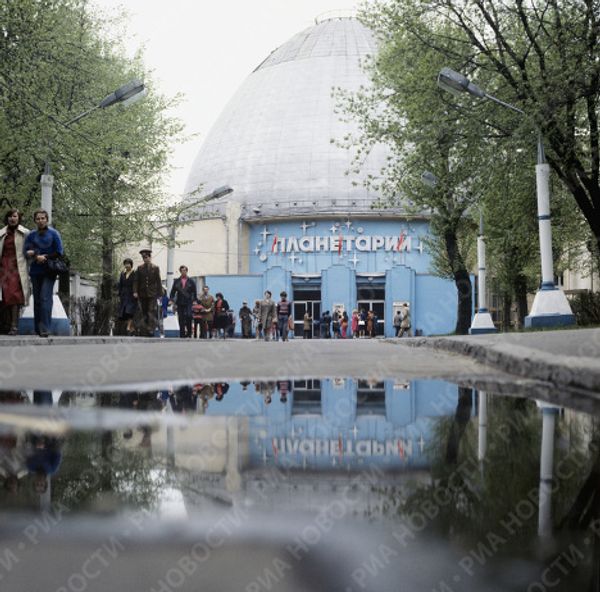
In 1990, the planetarium opened an observatory with the largest telescope in Moscow.
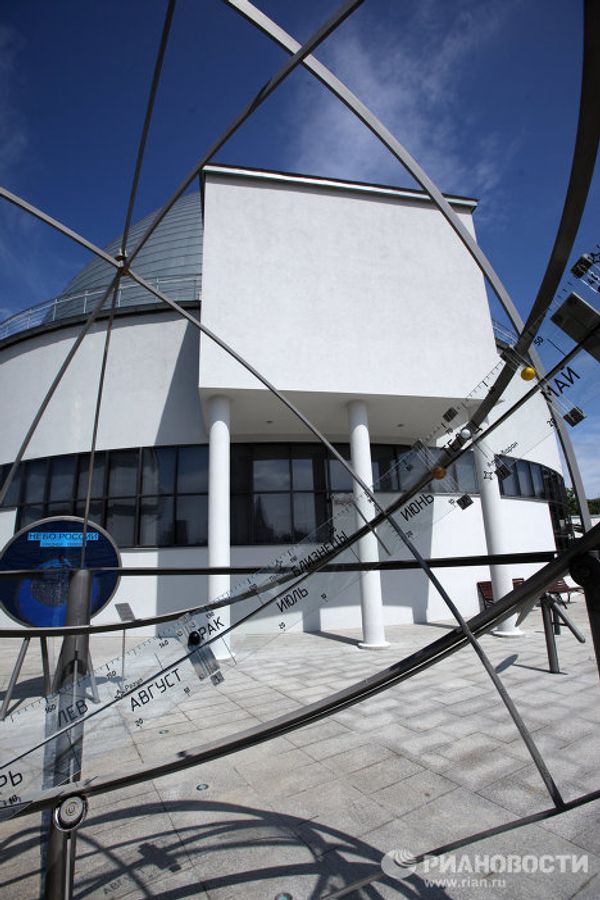
After renovation the Moscow Planetarium has become one of the largest in the world. Its area has increased almost six-fold to 17,000 square meters. It can hold about 1,000 visitors.
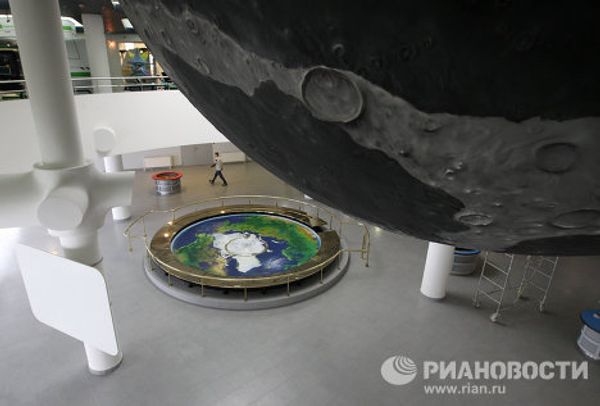
The new planetarium features not only large-scale models of cosmic bodies, but also the technical achievements of the past, such as Foucault's pendulum.
Photo: Foucault's pendulum and a model Moon inside the planetarium.
Photo: Foucault's pendulum and a model Moon inside the planetarium.
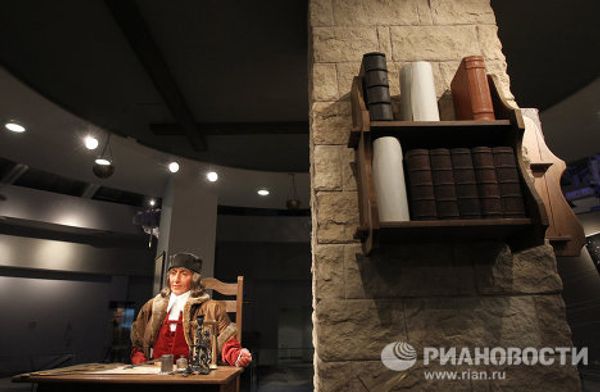
The planetarium also features an exhibition dedicated to great scholars who immensely contributed to science’s knowledge of the universe.
Photo: The figure of the Polish scientist Nicolaus Copernicus in the Moscow planetarium.
Photo: The figure of the Polish scientist Nicolaus Copernicus in the Moscow planetarium.
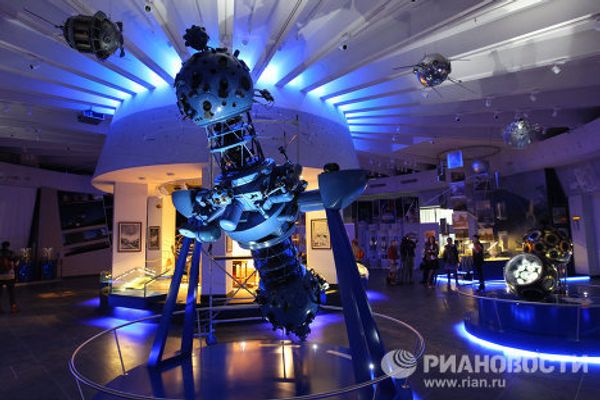
The project designers hoped the Moscow Planetarium would become a modern cosmological center. Today, the building has several floors. The Urania museum showcases exhibits from before the planetarium’s renovation.
11/14
© RIA Novosti
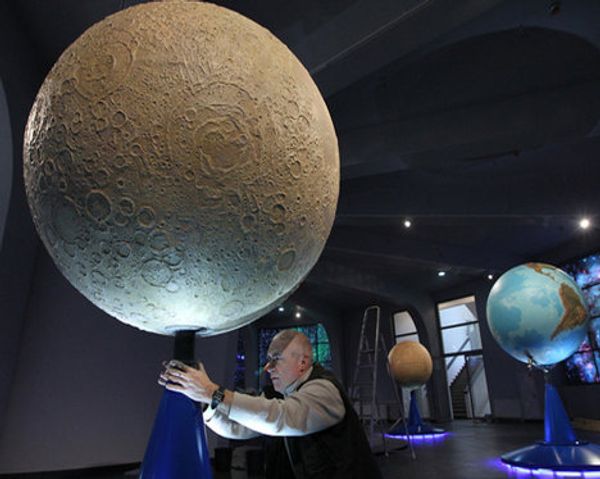
On the third floor, visitors can see meteorite fragments and a model of the solar system.
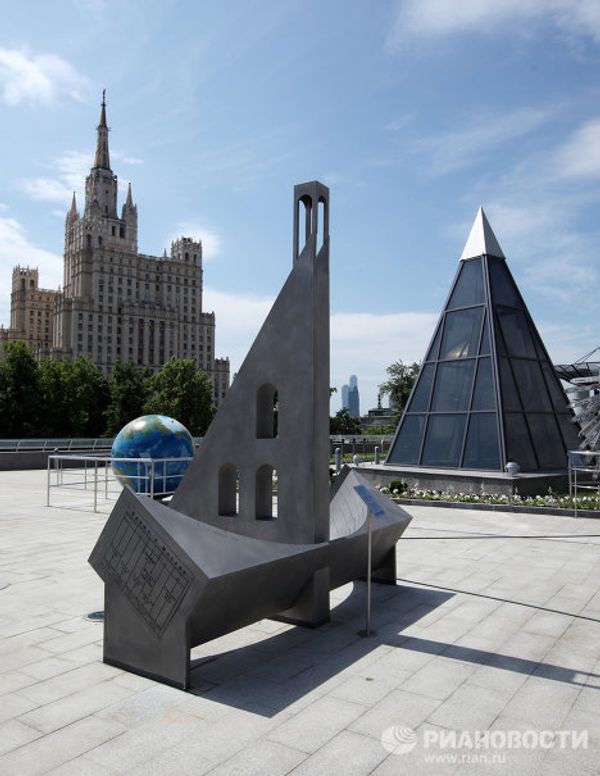
The planetarium's open astronomical site features about 30 astronomical instruments, sundials and even a replica of a Stonehenge stone monument.
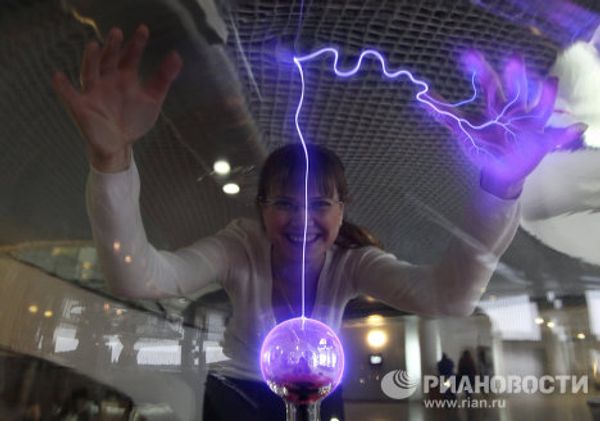
In addition, the planetarium has an interactive museum where every exhibit is a miniature laboratory. Visitors can conduct experiments on their own – create tornadoes, simulate black holes, or catch lightning bolts.
Photo: A plasma ball in a hall at the Moscow Planetarium.
Photo: A plasma ball in a hall at the Moscow Planetarium.
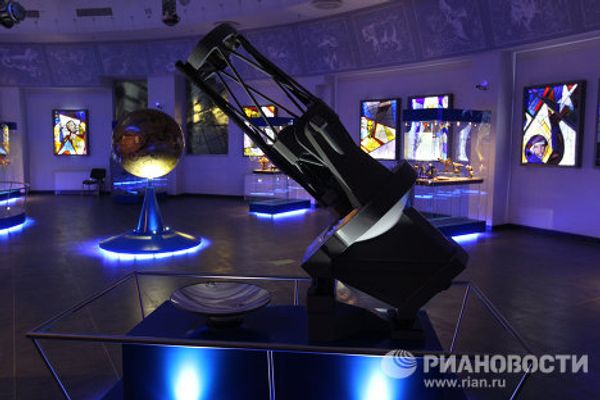
A hall at the Moscow Planetarium.