Counting swans on the Thames, since the12th century
Counting swans on the Thames, since the12th century
Sputnik International
Swan Upping, the tradition of counting and ringing swans on the River Thames, dates back to the 12th century. Every year, a special procession headed by the... 21.07.2011, Sputnik International
Swan Upping, the tradition of counting and ringing swans on the River Thames, dates back to the 12th century. Every year, a special procession headed by the Sovereign’s Swan Marker travels through five English counties conducting a census of the swans and cygnets.
Swan Upping, the tradition of counting and ringing swans on the River Thames, dates back to the 12th century. Every year, a special procession headed by the Sovereign’s Swan Marker travels through five English counties conducting a census of the swans and cygnets.
Swan Upping, the tradition of counting and ringing swans on the River Thames, dates back to the 12th century. Every year, a special procession headed by the Sovereign’s Swan Marker travels through five English counties conducting a census of the swans and cygnets.
Historically, any unmarked swan in the United Kingdom was considered royal property. Even today, very few enjoy the rights to these swans, among them the Ilchester family and two livery companies, the Vintners winemaker and the Dyers dyer of London. Only the latter two, under royal supervision, are allowed to participate in ringing the fowls on the Thames.
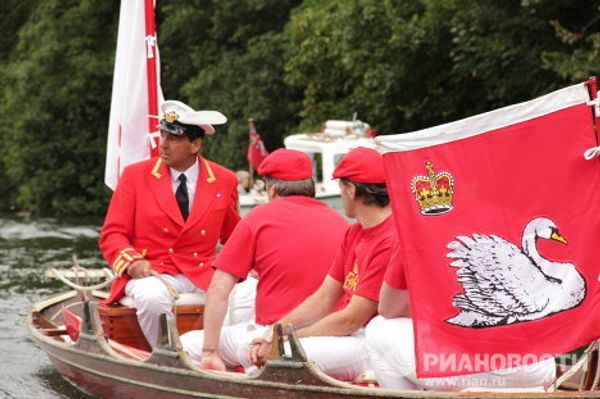
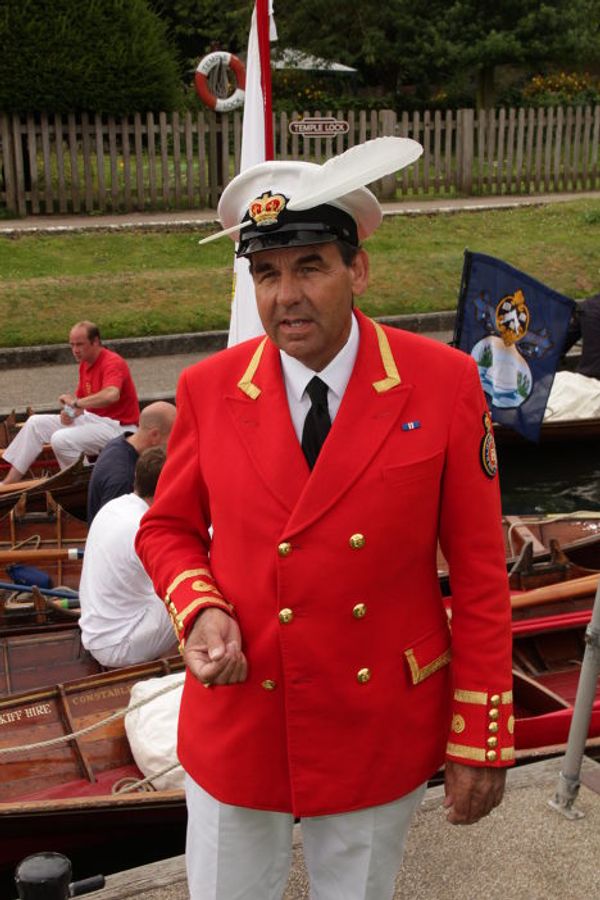
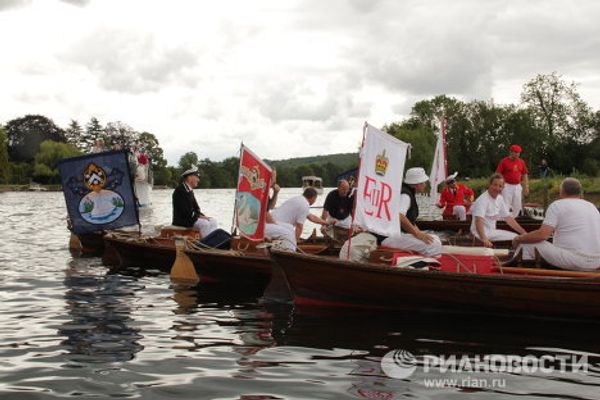
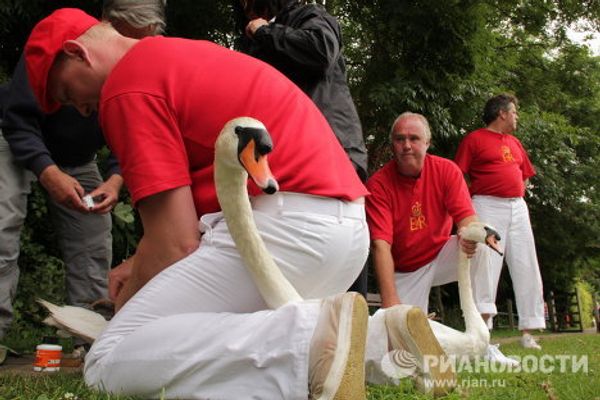
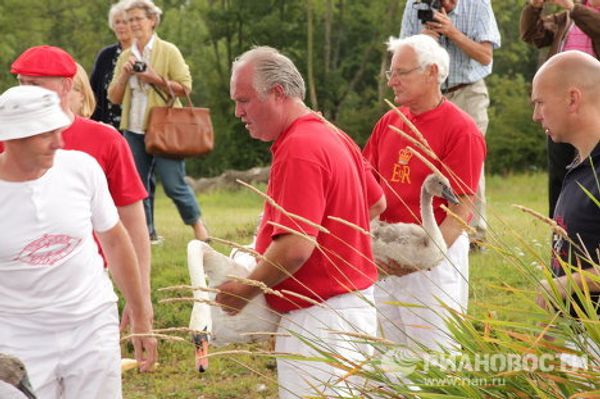
The counting and ringing of the fowls is controlled by the Queen’s Marker. He and his aids are clad in traditional scarlet uniforms, and their boat bears a flag depicting the crown and the swan.
The representatives of the livery companies have their own colors: the winemakers are blue, and the dyers are white. Their flags also differ, but each depicts a swan.
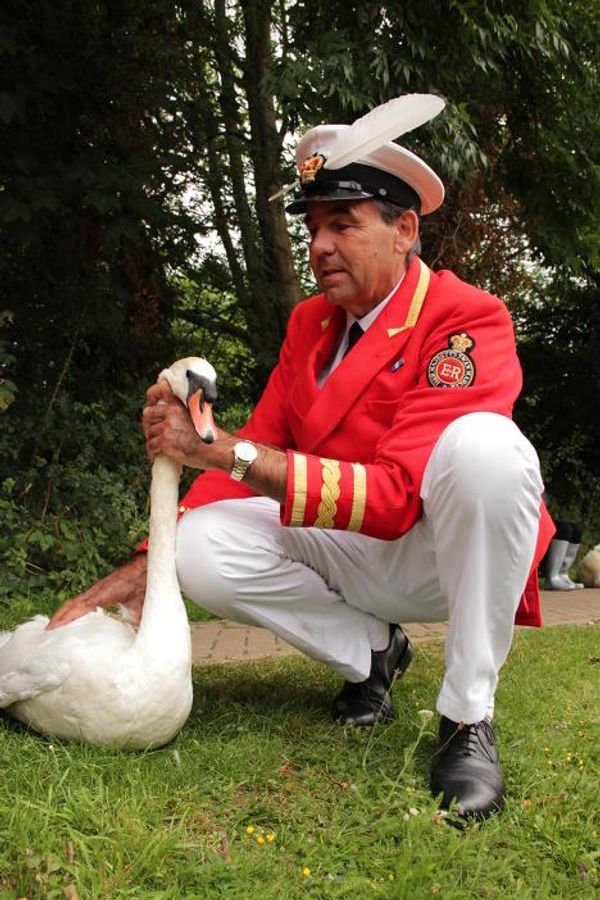
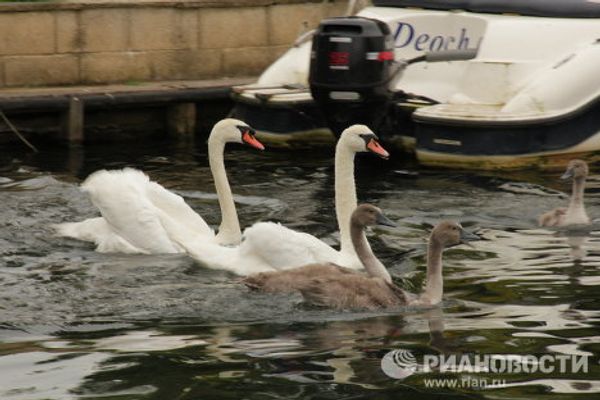
The Queen’s Swan Marker counts and rings swans by family – if a swan is alone, it either has already been marked or it is the Queen’s property by default.
In the Middle Ages, a young fowl was a gourmet dish, and this is the origin of the strict rules that apply to swan ownership. These days, the census is meant to control the swan population, assess them for injury or diseases, and help ill birds recover their health.
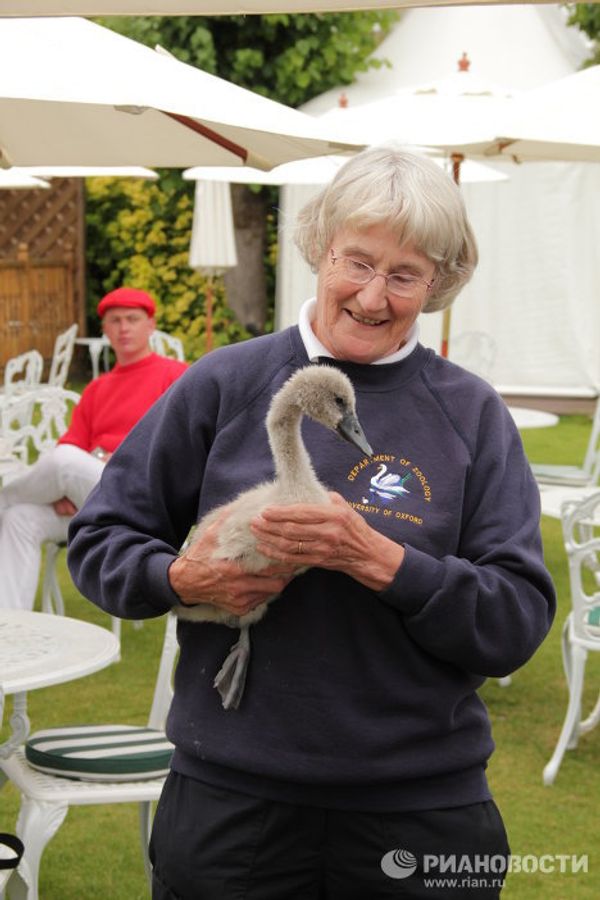
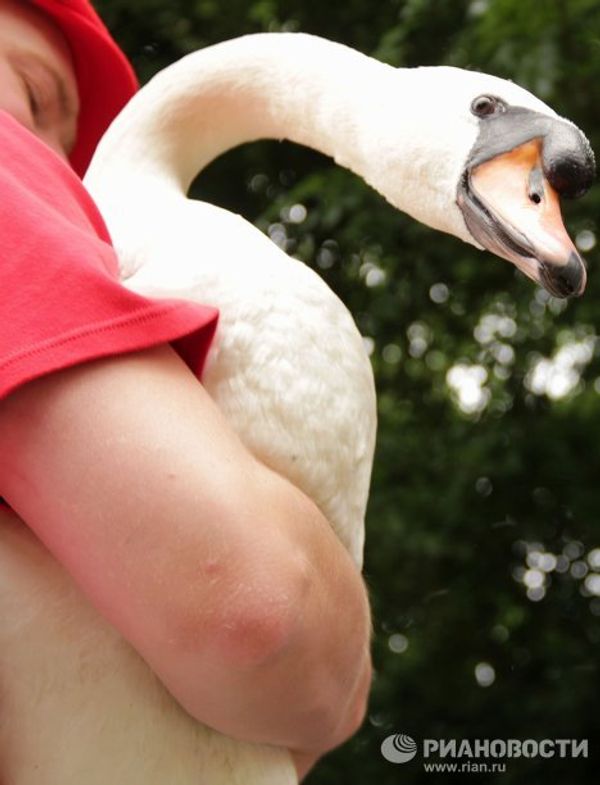
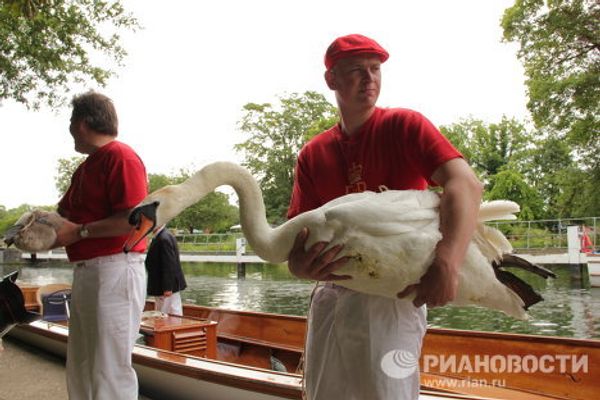
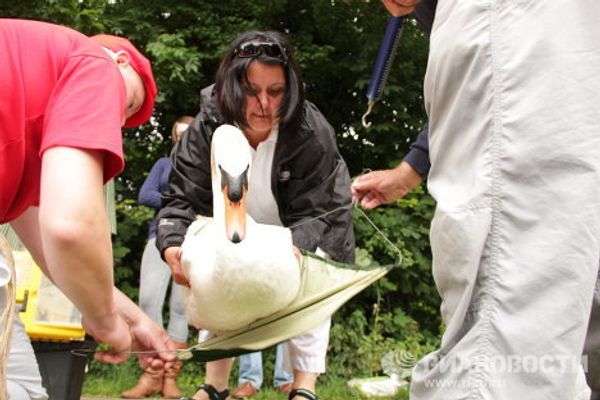
In order to bind a swan’s feet and wings and examine its marks, the counters sit on large birds – this is common practice. The counters attach individual marks to the swans and cygnets above their feet. The swans caught by royal representatives are released without ringing and are marked with numbers that help scientists determine the age and origin of the swan.
The swan ringing is also a ceremonial society event. The procession includes not only counters but yachts and ships carrying members of the livery companies and their guests.
Newsfeed
0
Access to the chat has been blocked for violating the rules .
You will be able to participate again through:∞.
If you do not agree with the blocking, please use the feedback form
The discussion is closed. You can participate in the discussion within 24 hours after the publication of the article.