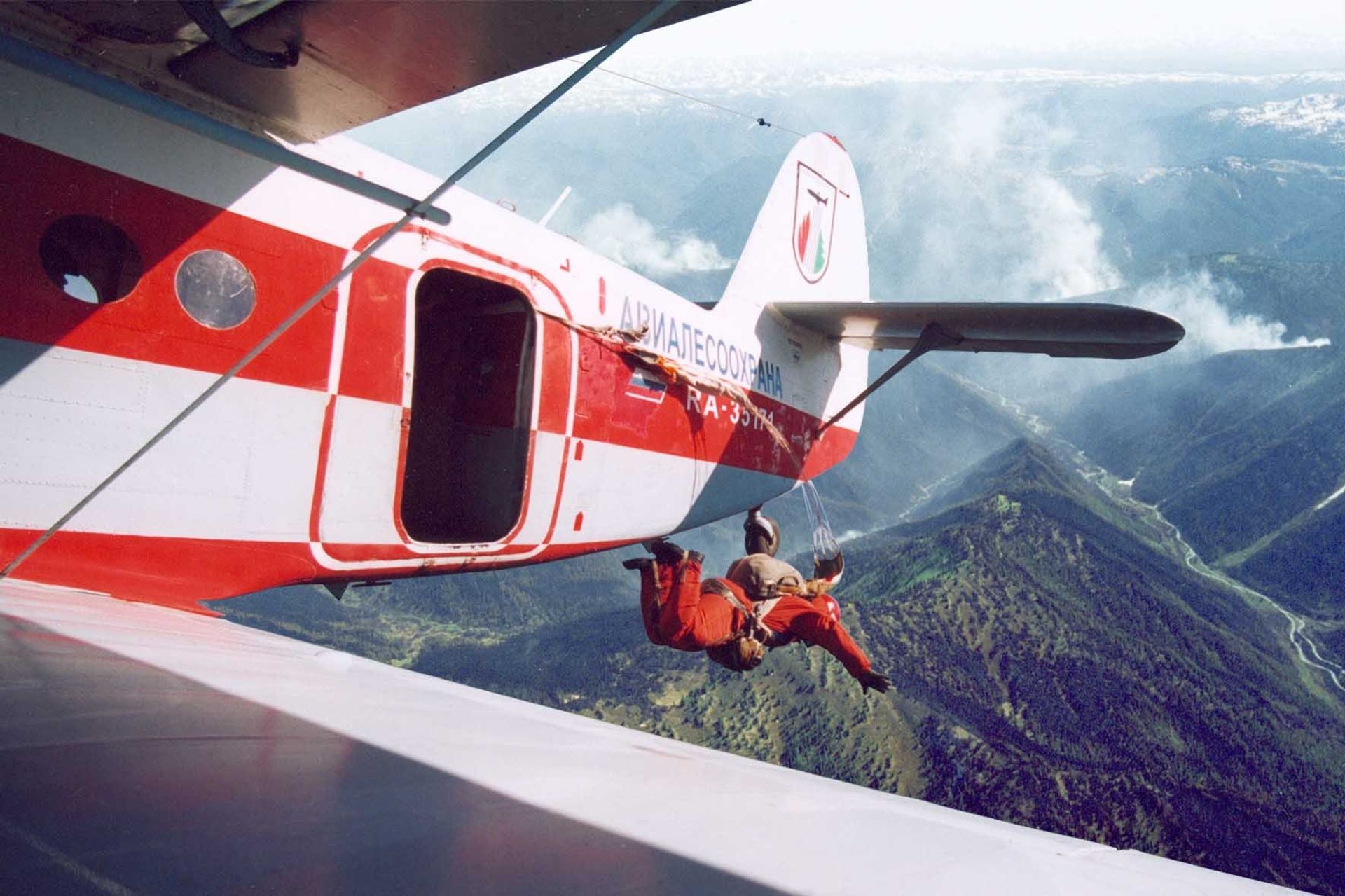
Airborne fire patrols can promptly detect and put out forest fires in hard-to-reach and confined areas. About 17,000 fires a year occur on protected territory... 26.07.2011, Sputnik International
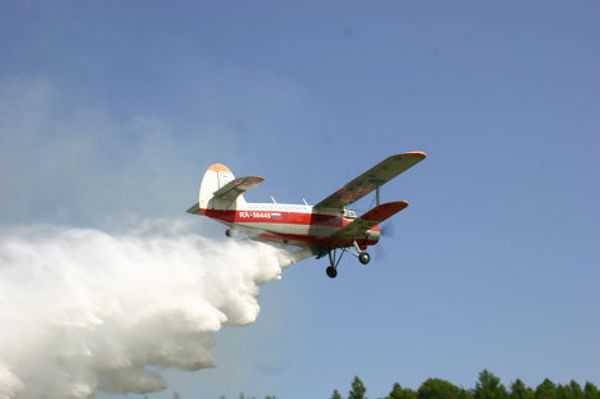
Airborne fire patrols can promptly detect and put out forest fires in hard-to-reach and confined areas. About 17,000 fires a year occur on protected territory, and 43percent of them are detected and 37 percent stopped with aircraft.
Airborne fire patrols can promptly detect and put out forest fires in hard-to-reach and confined areas. About 17,000 fires a year occur on protected territory, and 43 percent of them are detected and 37 percent stopped with aircraft.
Airborne fire patrols can promptly detect and put out forest fires in hard-to-reach and confined areas. About 17,000 fires a year occur on protected territory, and 43% of them are detected and 37% stopped with aircraft.
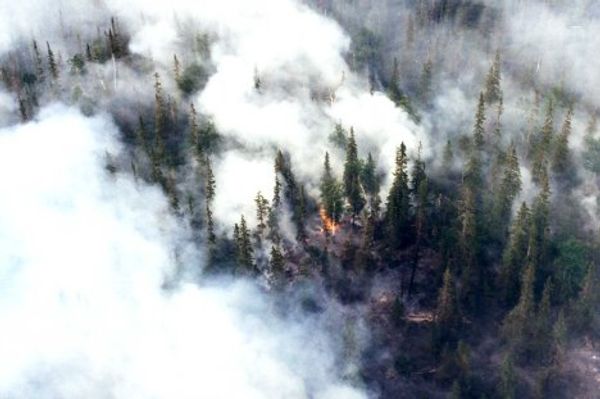
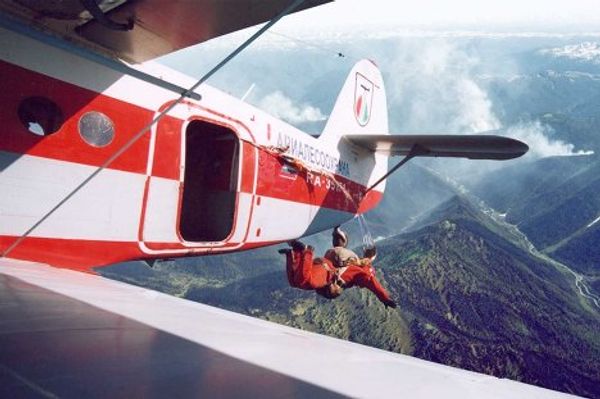
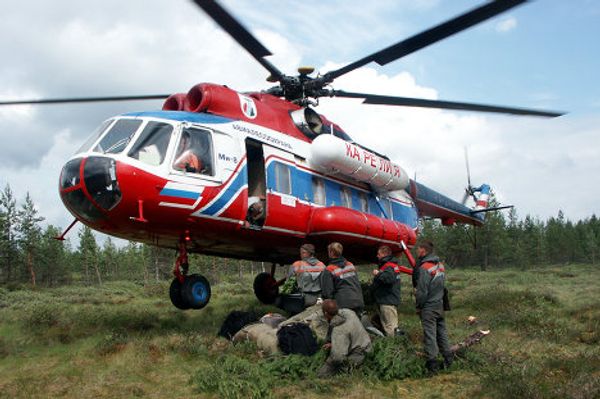
As soon as a pilot spots smoke, he drops a fire-fighting unit, which begins to fight the blaze within 30 minutes of landing. Then a helicopter is called over the radio to pick up the group, which is again ready to deal with any small fire along the route.
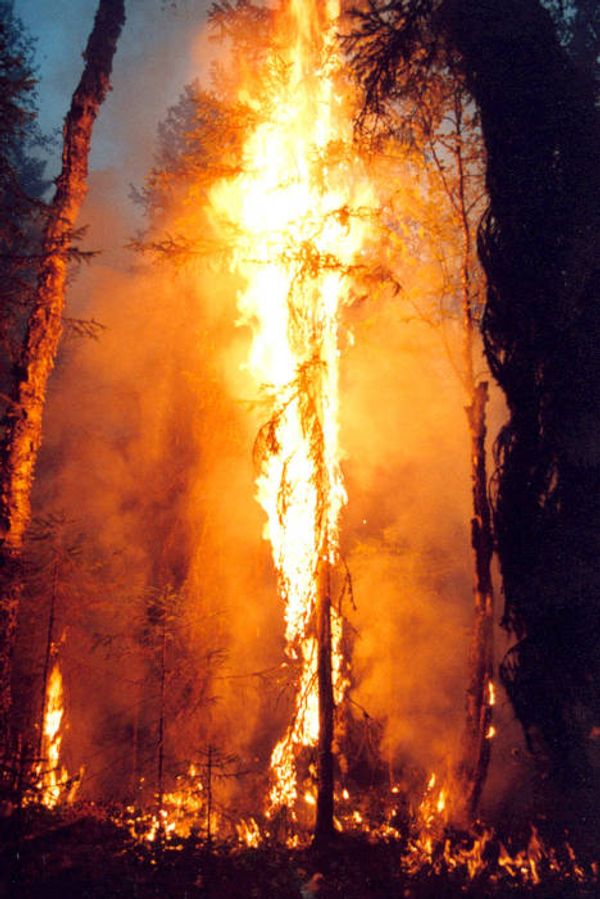
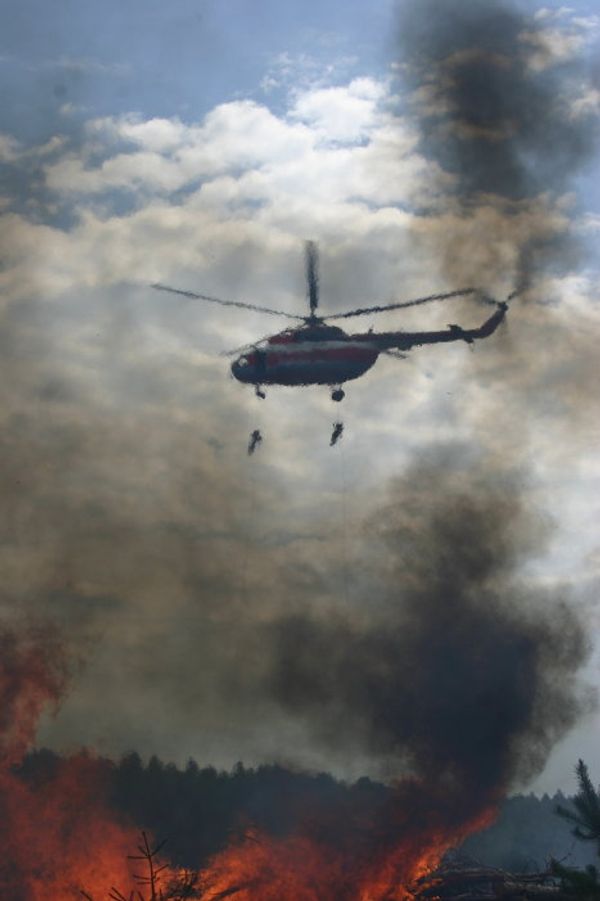
The most difficult thing about a crown fire is the height of the flames and the speed at which it can spread. The typical height is at least four meters. The speed at which a fire spreads depends on the wind. If the wind is blowing at 20 mph, the blaze can spread at a rate of 10 mph.
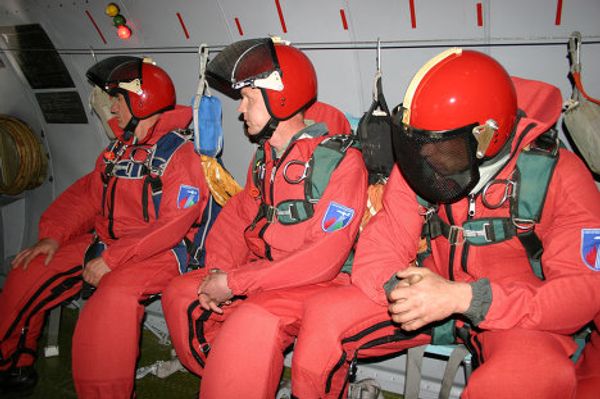
Russia’s Aerial Forest Protection Service (Avialesookrana) uses well-equipped, mobile crews to quickly put out fires over small areas. This dispenses with the need to call in heavy equipment and involve hundreds of people. Smoke jumpers are the spearhead of the force.
Aerial forest fire protection dates from July 7, 1931, when a U-2 biplane flew over Nizhny Novgorod Province for the first time with a mission to identify forest fires. This day is considered the birthday of air forest control.
The once unified system is now broken up into regional divisions subordinated to local administrations but supervised by a single center in Pushkin, near Moscow.
Up to a hundred aircraft are normally used to patrol the forests each day, although this can be increased to 250 if necessary. The controlled zone covers 500 million hectares of forested area. Half of all forest fires in Russia are eliminated with aircraft.
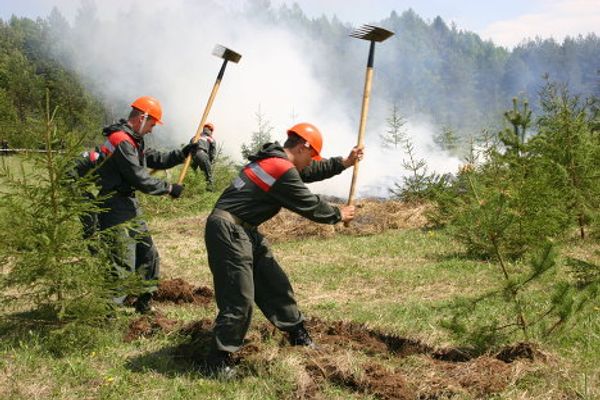
If a wildfire is large, counter firing is employed to deal with it. The technique consists of building a firebreak using a stream, a road, or a fire line dug by machines or with spades. The firebreak serves as the starting point for a backfire. The goal is to intentionally start a controlled blaze in order to burn all the available fuel along the break. Hopefully, the original fire will die out with the lack of anything to burn.
Newsfeed
0
Access to the chat has been blocked for violating the rules .
You will be able to participate again through:∞.
If you do not agree with the blocking, please use the feedback form
The discussion is closed. You can participate in the discussion within 24 hours after the publication of the article.