Former Soviet KGB building ABC, where GKChP, the State Committee on the State of Emergency, sat in August 1991.
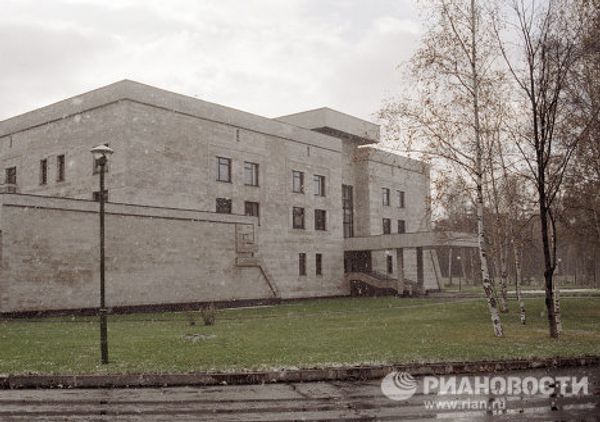
Former Soviet KGB building ABC, where GKChP, the State Committee on the State of Emergency, sat in August 1991.
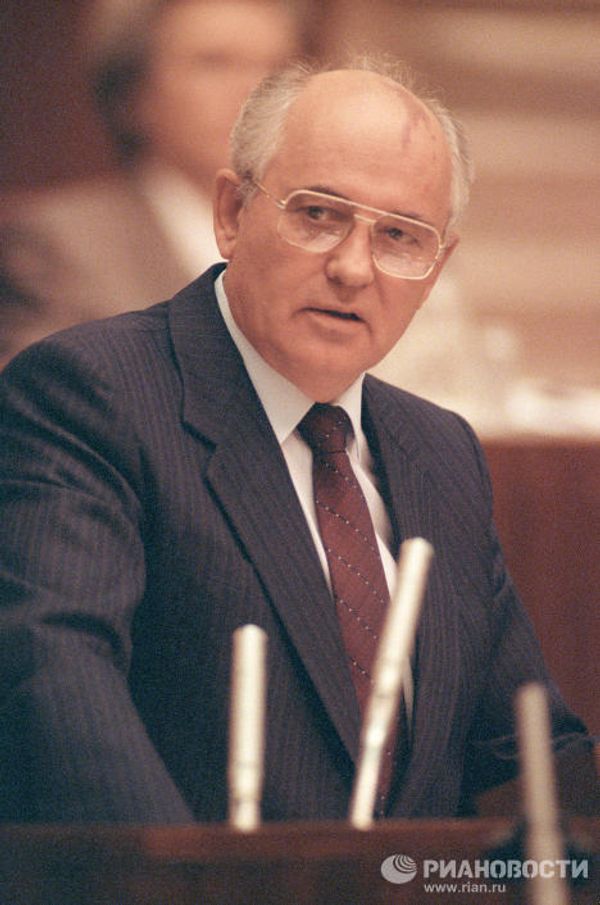
An extraordinary meeting of the Soviet Union’s Supreme Soviet. Moscow, August 26, 1991. Soviet President Mikhail Gorbachev speaking.
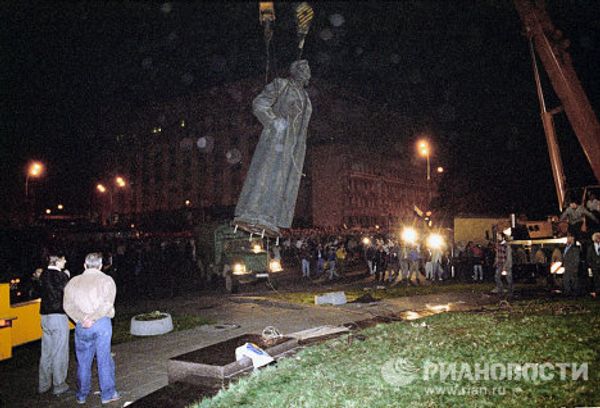
The monument to Cheka founder Felix Dzerzhinsky was dismantled in the early hours of August 23, 1991, on the orders of the Moscow city legislature.
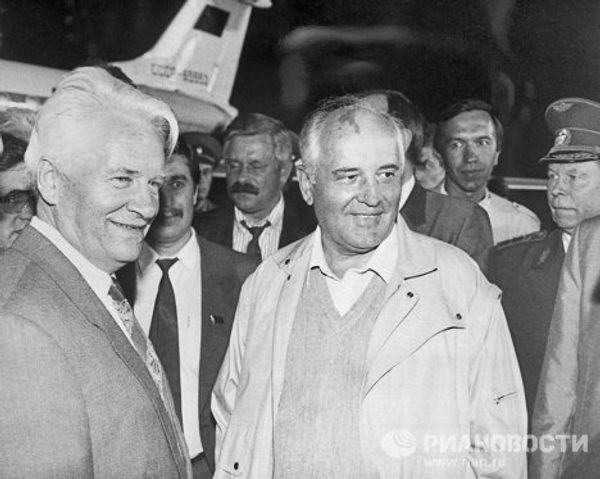
Soviet President Mikhail Gorbachev and his family returned from Foros to Moscow on August 22 aboard the Russian government’s TU-134 airplane.
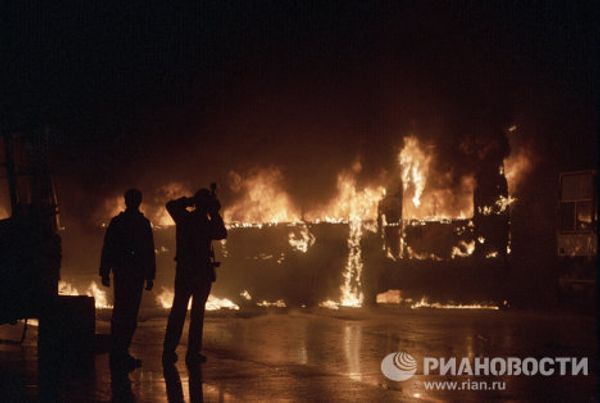
Three defenders of the White House – Dmitry Komar, Vladimir Usov and Ilya Krichevsky – were killed in a tunnel blocked by eight mechanized infantry vehicles.
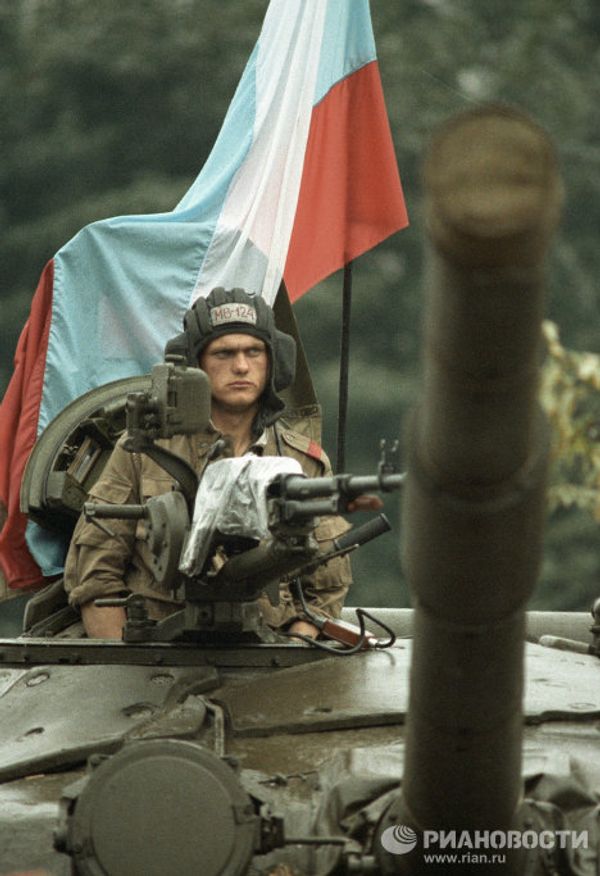
At about 1 a.m. on August 21, a military column approached the barricade near the White House, while about 20 vehicles broke through the first barricades in Novy Arbat.
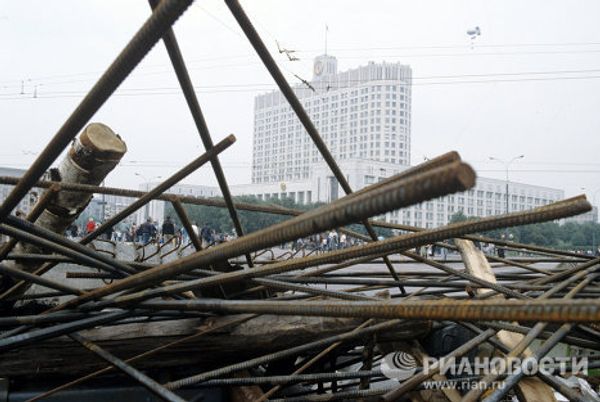
Defensive installations around the House of the Soviets of RSFRS (the White House) in Moscow.
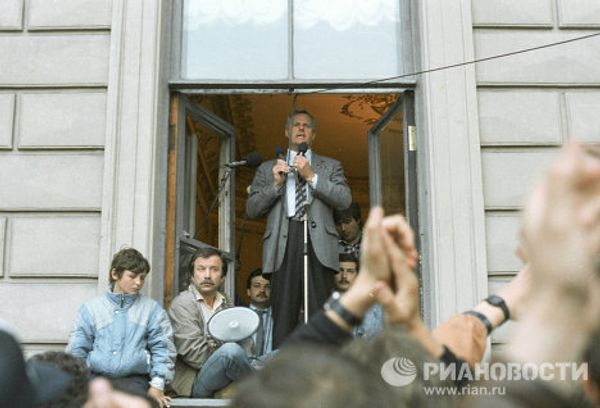
Rallies in support of Boris Yeltsin and the Russian government took place in Leningrad. Leningrad Mayor Anatoly Sobchak speaking.
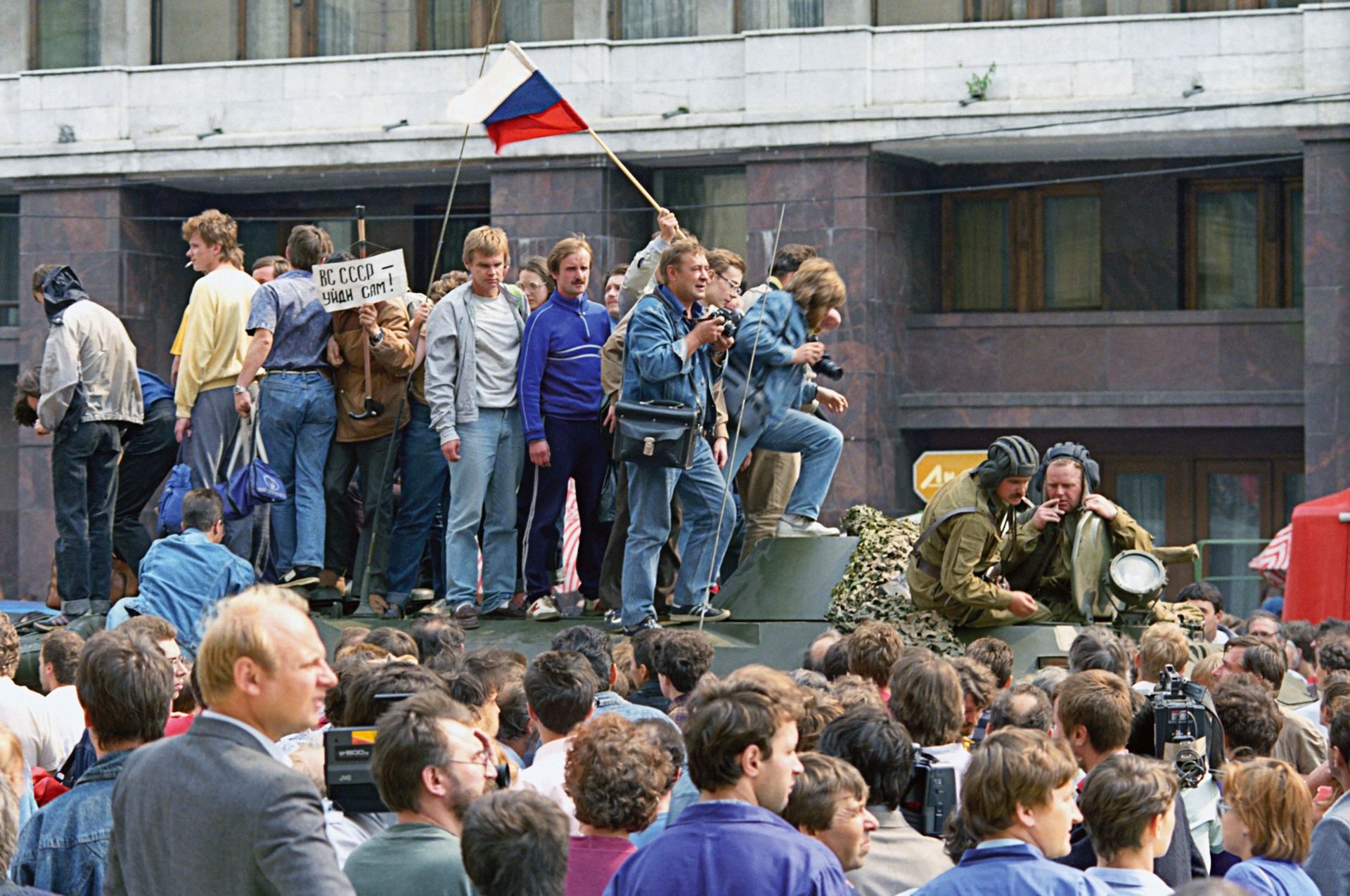
At 1 p.m., Boris Yeltsyn, the president of RSFSR, read out the Address to the Citizens of Russia, standing on a tank. In it, he described the actions of GKChP as illegal and called for “an adequate response to the putsch participants and demanding that the country return to its constitutional development path.”
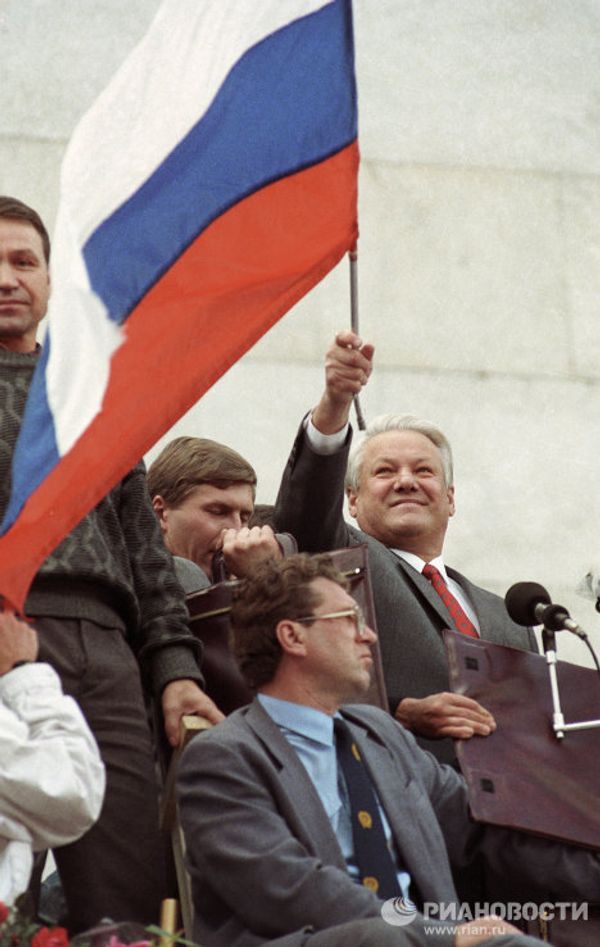
Yeltsin issued a decree that declared the GKChP actions a coup d’etat and its members state criminals.
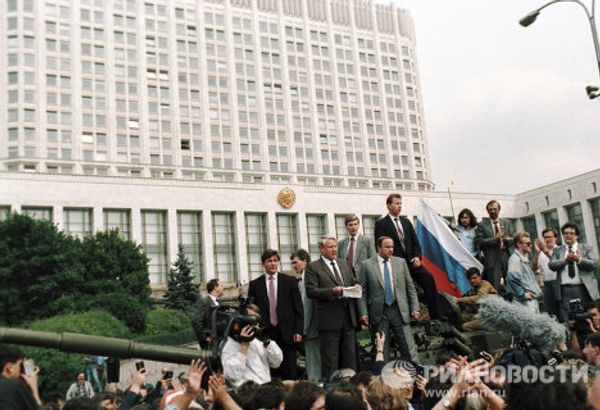
Resistance to the putsch was led by Russian President Boris Yeltsin and the Russian leadership.
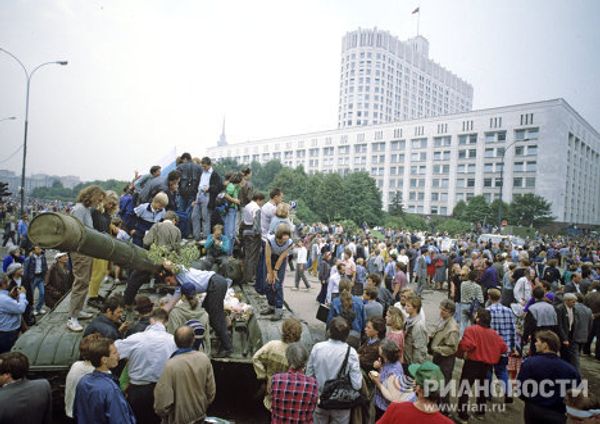
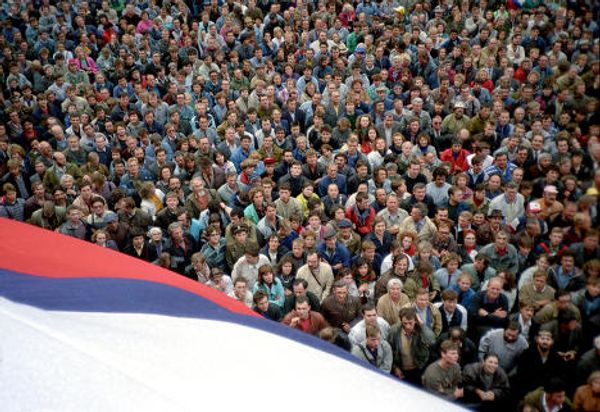
60,000 volunteers gathered around the House of the Soviets of RSFRS (the White House) on August 20 to defend the building from the onslaught of government troops.
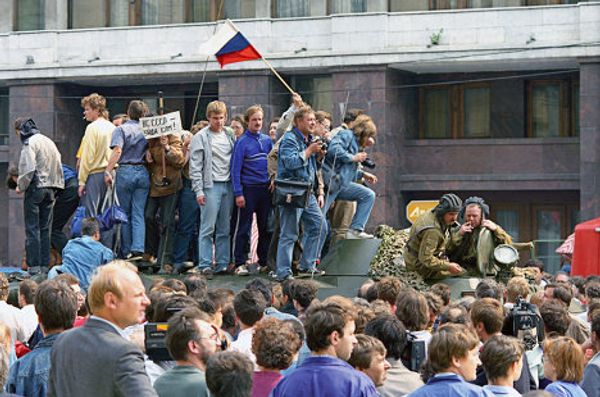
August 1991: attempted putsch.
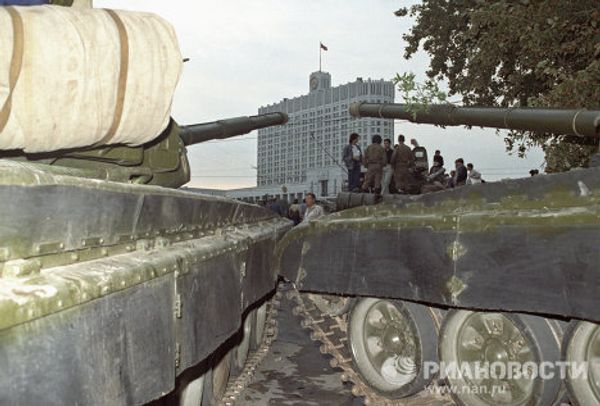
GKChP’s resolution No. 1 ordered to suspend the activities of political parties and public organizations and prohibited rallies and marches.
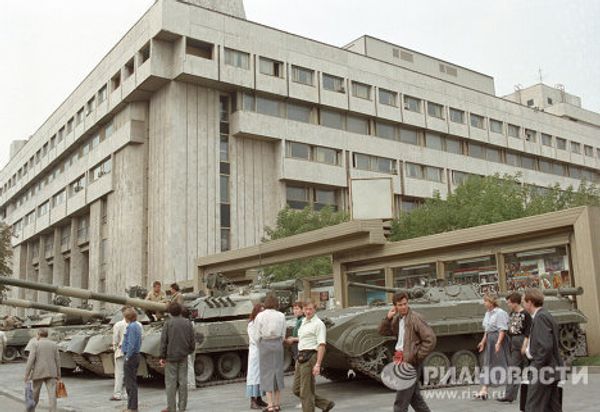
As the state of emergency was introduced in Moscow on August 19, 1991, military troops were brought into the city.
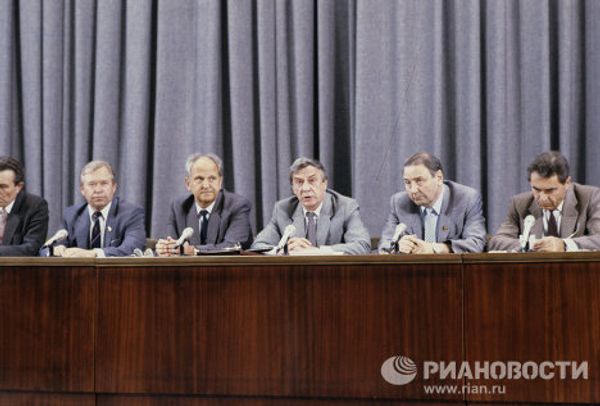
At 6 a.m. Moscow time on August 19, 1991, the radio and TV stations broadcast the Declaration of the Soviet Leadership, which read, “Since Mikhail Gorbachev is unable to perform his presidential duties for health reasons…, in order to overcome the deep and comprehensive crisis, political, inter-ethnic and civil confrontation, chaos and anarchy that threaten the lives and safety of the citizens of the Soviet Union, the sovereignty, territorial integrity, freedom and independence of our Fatherland… the state of emergency is introduced in some territories of the Soviet Union and the State Committee on the State of Emergency in the USSR is set up to govern the country.”