Tarusa, a small provincial town 130 kilometers from Moscow, has been a favorite summer destination for many Russian artists since the late 19th century... 07.09.2011, Sputnik International
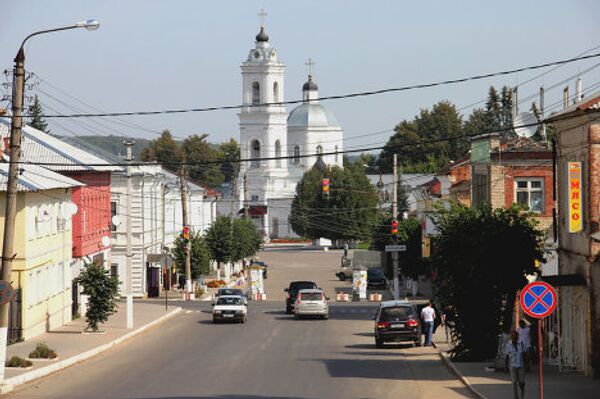
Tarusa, a small provincial town 130 kilometers from Moscow, has been a favorite summer destination for many Russian artists since the late 19th century. Referring to the French town that gave its name to a famous painting school, they dubbed Tarusa “Russian Barbizon.”
Tarusa, a small provincial town 130 kilometers from Moscow, has been a favorite summer destination for many Russian artists since the late 19th century. Referring to the French town that gave its name to a famous painting school, they dubbed Tarusa “Russian Barbizon.”
Tarusa, a small provincial town 130 kilometers from Moscow, has been a favorite summer destination for many Russian artists since the late 19th century. Referring to the French town that gave its name to a famous painting school, they dubbed Tarusa “Russian Barbizon.”
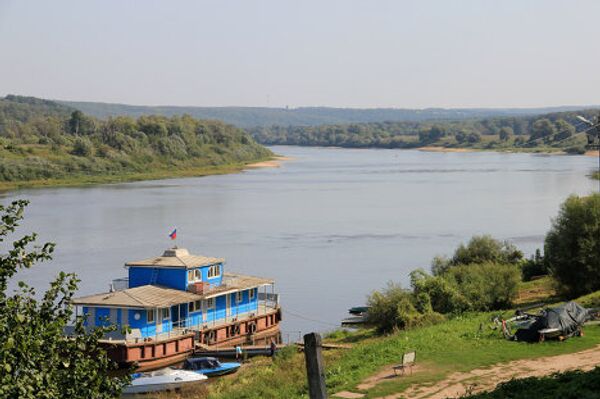
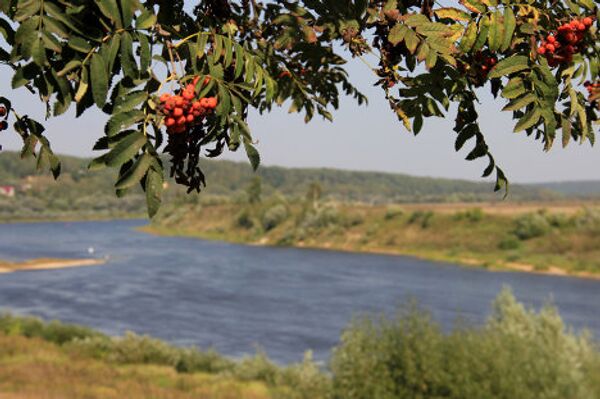
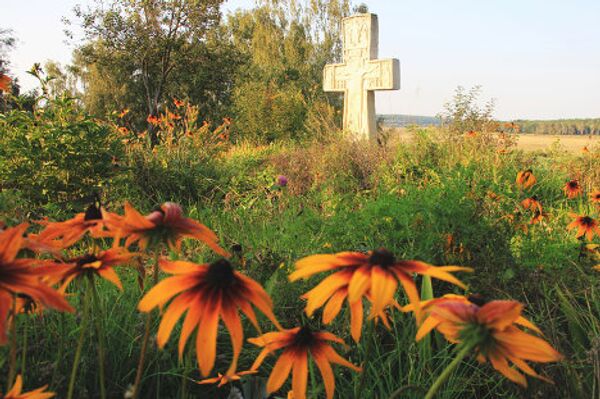
The beauty of the typical central Russian landscape with its dense forests and slow-paced rivers snaking across boundless fields has been a source of inspiration for poets and writers, who still constitute a large part of Tarusa’s population.
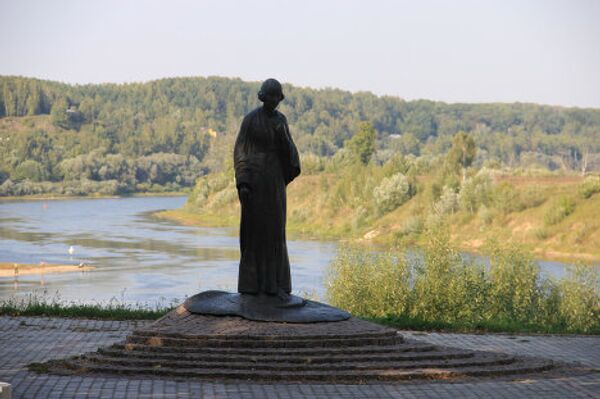
Marina Tsvetaeva, one of the most outstanding representatives of the Silver Age of Russian poetry, was among those who enjoyed spending summers in the “small and peaceful” town on the bank of the Oka River.
“Places around Tarusa are indeed charming, they are enwrapped in the clearest light air,” prominent Russian writer Konstantin Paustovsky, who also lived in Tarusa, wrote. “In the fall, this land was covered in see-through gold, in purple and silence.”
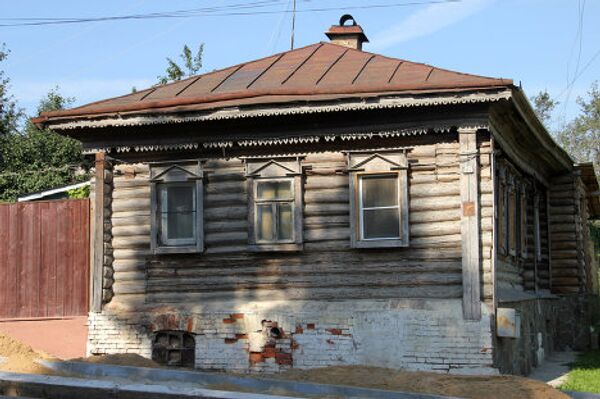
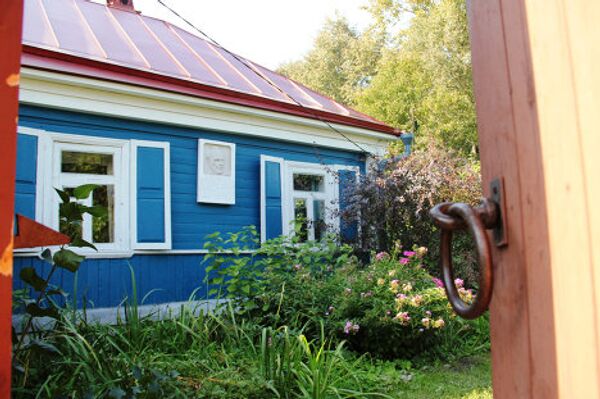
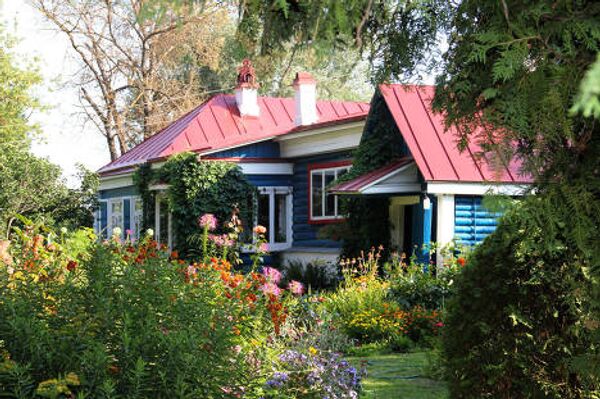
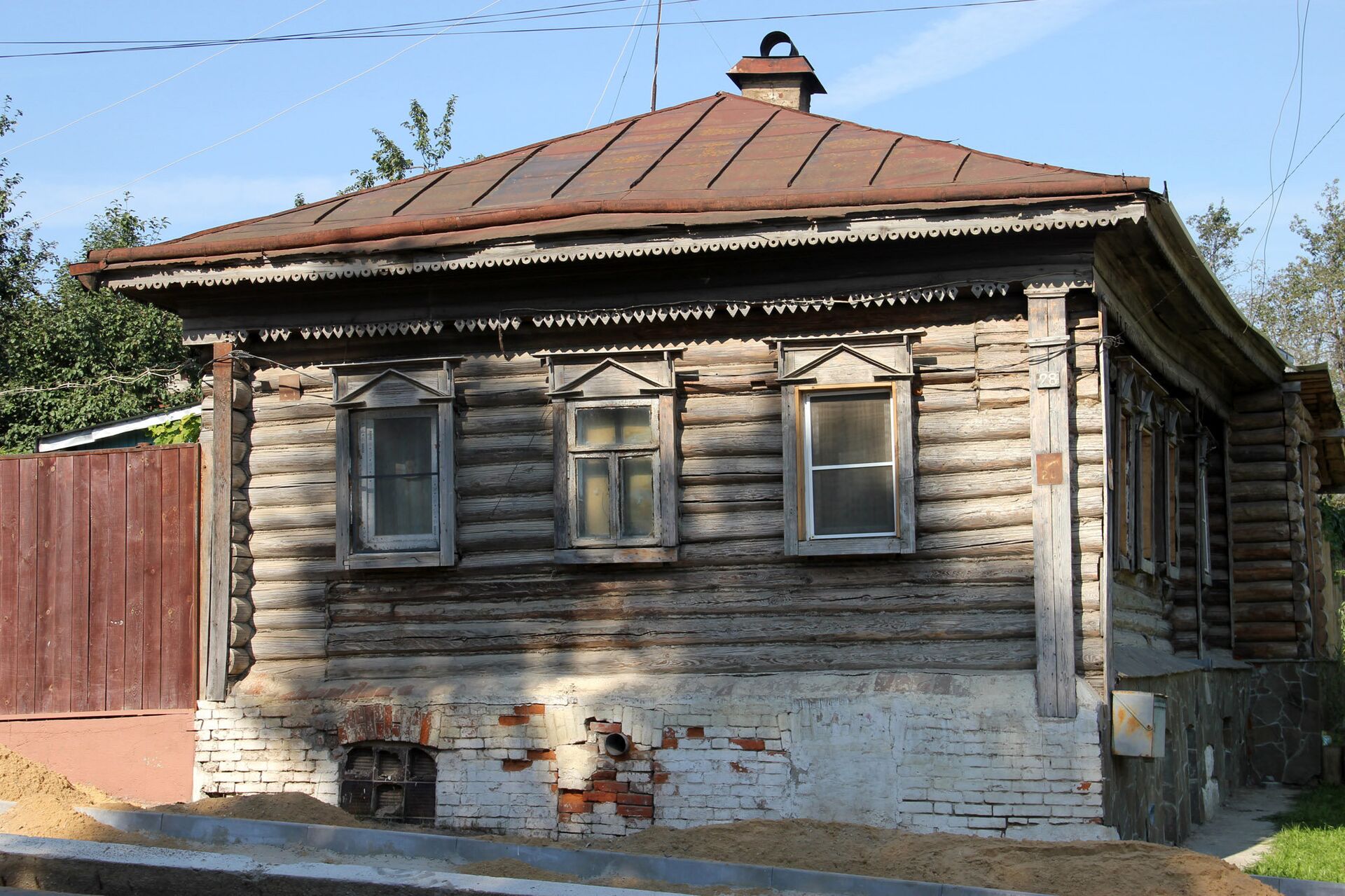
A visitor can see many traditional log houses with lacy carved window frames and roof decorations in Tarusa. Many of the houses are pretty much in shambles but still inhabited.
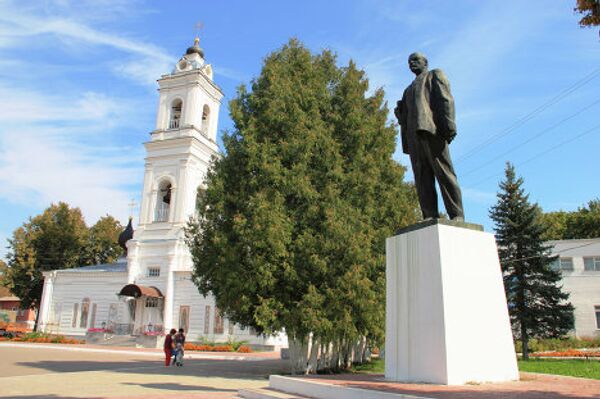
A traditional Lenin statue, still a prominent attribute at the central square of many Russian towns and cities, is found just within meters from a church destroyed by the Bolsheviks in the 1930s and reopened after restoration in the late 1990s.
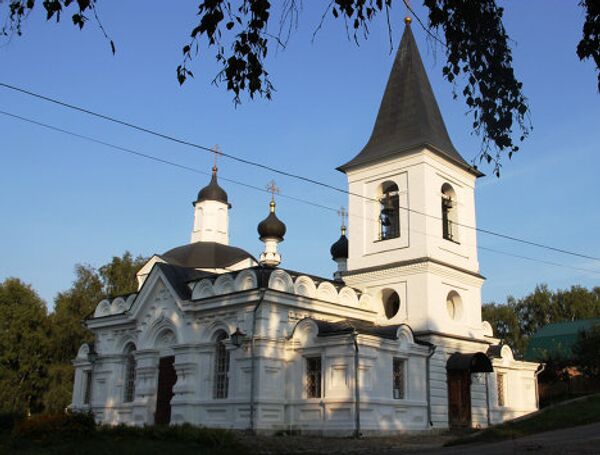
The oldest building in the town is the Church of Resurrection, constructed back in the 17th century and reconstructed in the late 19th - early 20th century in the Russian-Byzantine style. In the Soviet times, the building hosted a ballet school, a grain store and a bakery before being partially destroyed and then restored in the late 1980s.
The town is also famous for being home to Russian writer Konstantin Paustovsky who in the 1960s was considered a possible nominee for the Noble Prize. Paustovsky lived in Tarusa from 1955 until his death in 1968.
Paustovsky was among the initiators and authors of the famous Tarusskiye Stranitsy (Tarusa Leaves) book of stories, which was published in 1961, during the Khrushchev Thaw, without an official approval and therefore prohibited by the Soviet authorities.
Newsfeed
0
Access to the chat has been blocked for violating the rules .
You will be able to participate again through:∞.
If you do not agree with the blocking, please use the feedback form
The discussion is closed. You can participate in the discussion within 24 hours after the publication of the article.