RIA Novosti invites its readers on a photo tour of Russia. Today's city is Rybinsk.
Rybinsk lies 370 km to the north of Moscow at the confluence of the Volga, Sheksna and Cheryomukhin rivers.
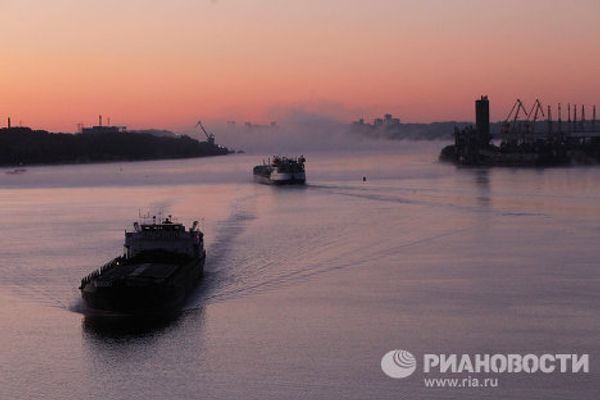
The city lies at the northernmost point of the Volga, which flows generally northeast to Rybinsk and then turns to the southeast.
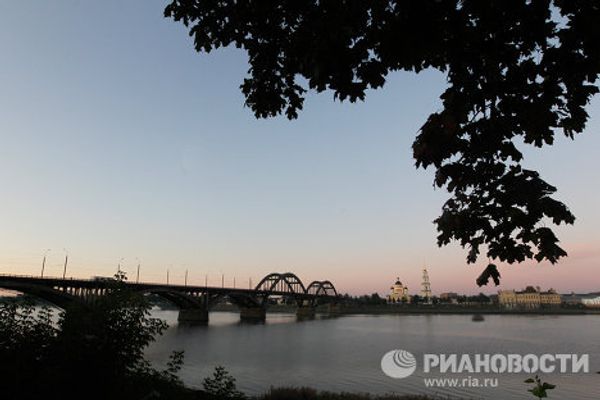
Rybinsk is situated on both banks of the Volga, but the main part of the city is on the right bank of the river and stretches for over 20 km along it.
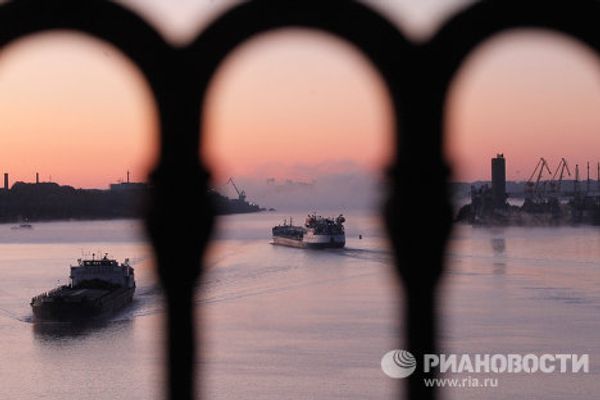
In documents from the beginning of the 16th century, what is now Rybinsk was then called the "Fishing Settlement". The settlement, which belonged to the Moscow princes, supplied fish to the royal court.
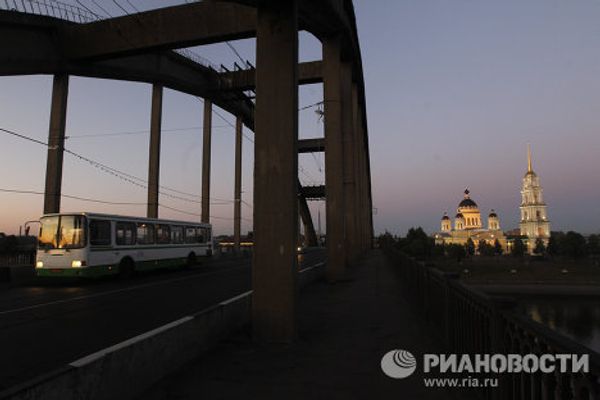
In 1777 the Fishing Settlement gained the status of city and took the name Rybinsk.
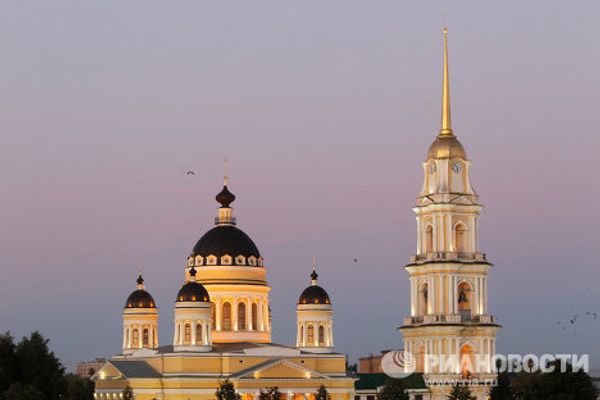
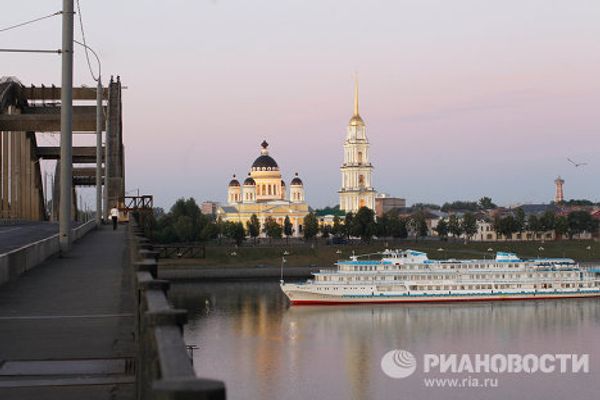
Architectural monuments from the 19th-early 20th centuries have been preserved in Rybinsk. Its first stone church, the Transfiguration of Our Lord, was built between 1654 and 1660. Later, however, this church was torn down and in 1838 the Transfiguration Cathedral was built in its place (photo).
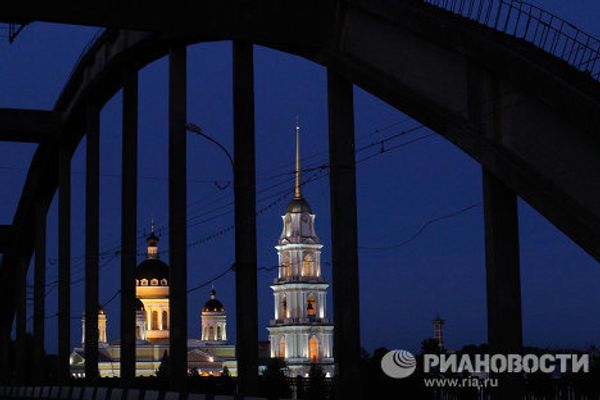
The Transfiguration Cathedral is a five-domed church with a central cupola, a type that was extremely popular during the Russian classicism period.
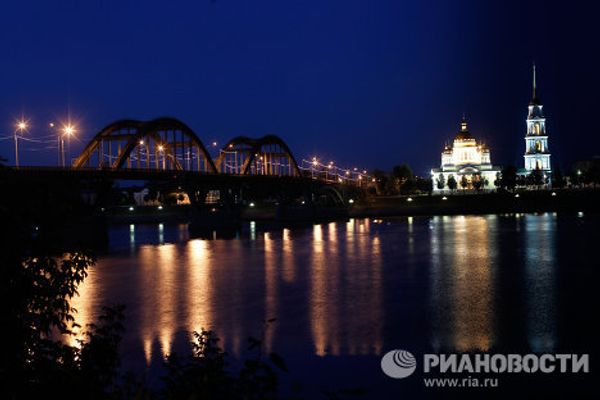
View of the Transfiguration Cathedral and bridge from the left bank of the river Volga.
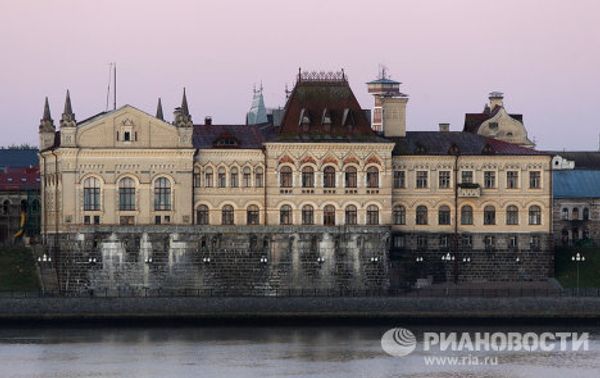
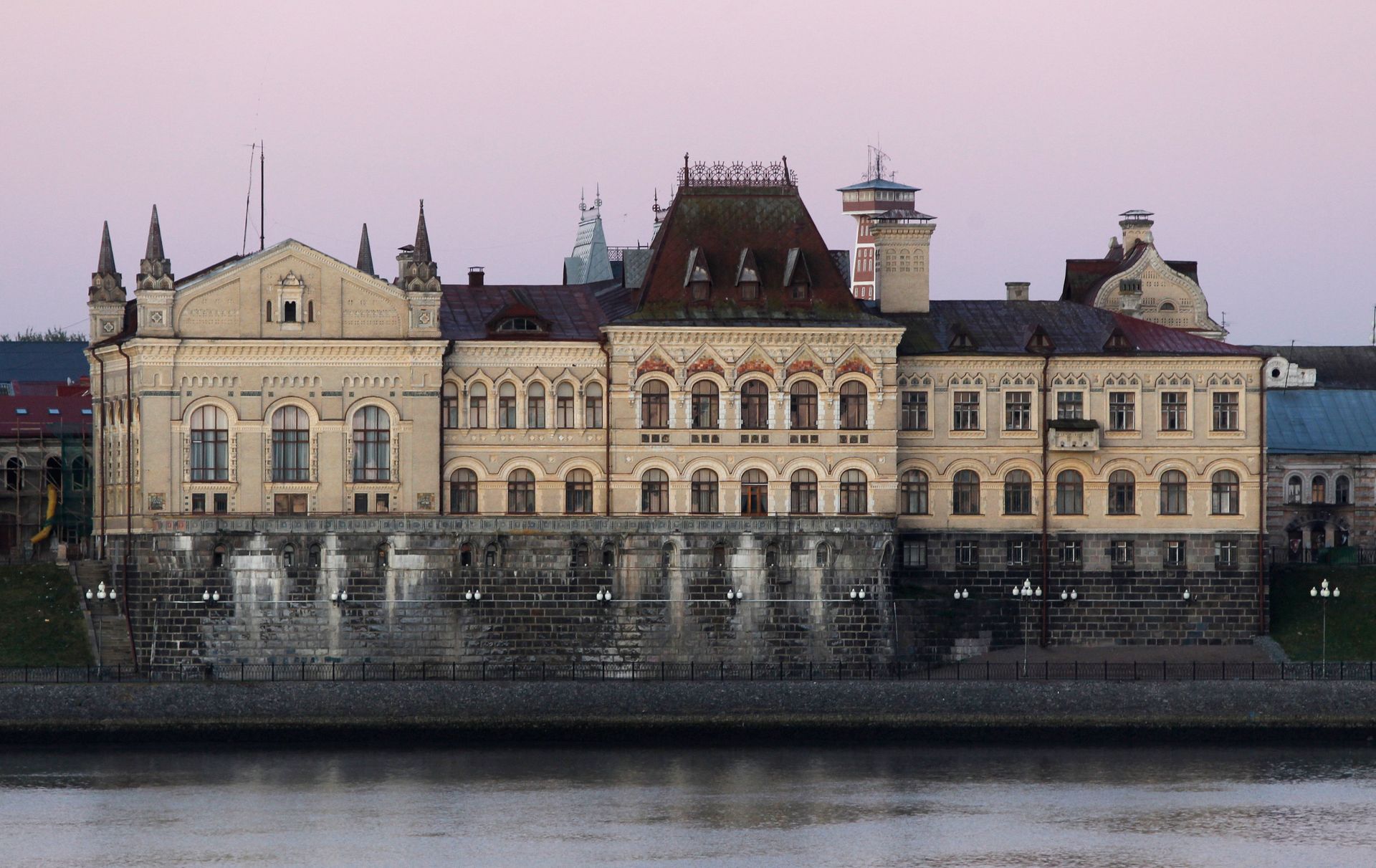
Another of Rybinsk's tourist attractions is the building that used to house the grain exchange, which today is home to an historical-architectural museum with an impressive collection of paintings (photo).