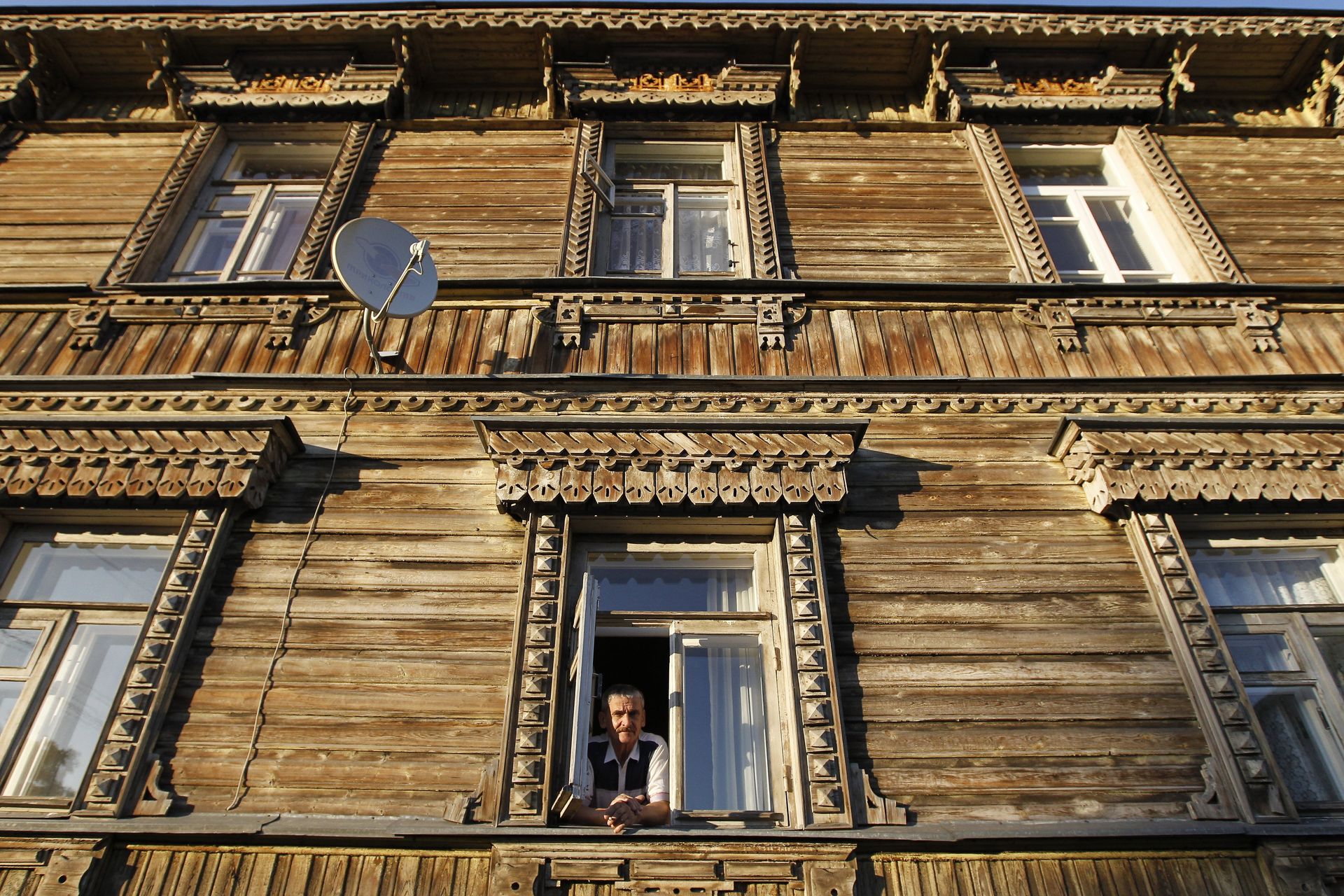
RIA Novosti invites its readers to take a photo tour of Russia’s regions. Today we travel to the city of Arkhangelsk.
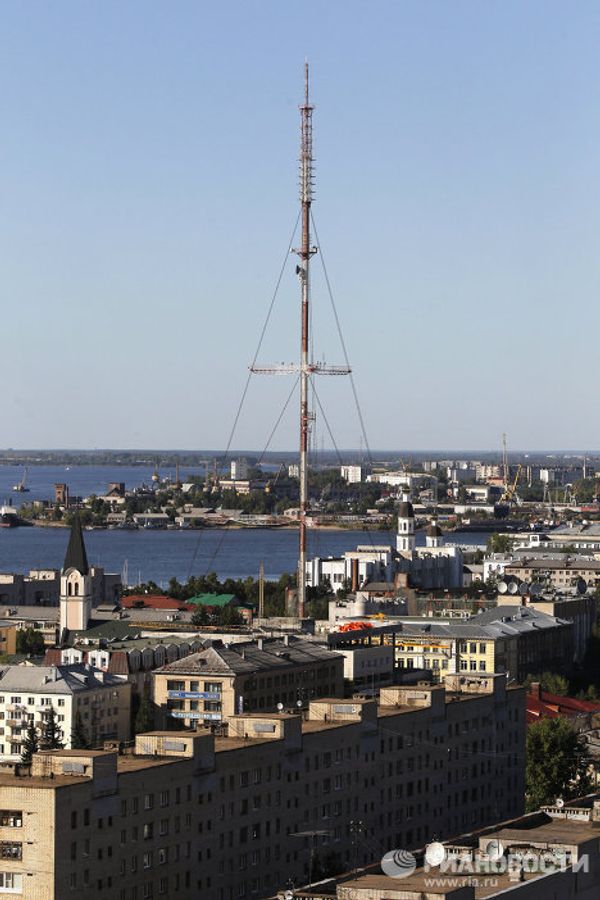
Arkhangelsk is located in the north of European Russia, in the delta of the Northern Dvina River, 30-35 km before it reaches the White Sea.
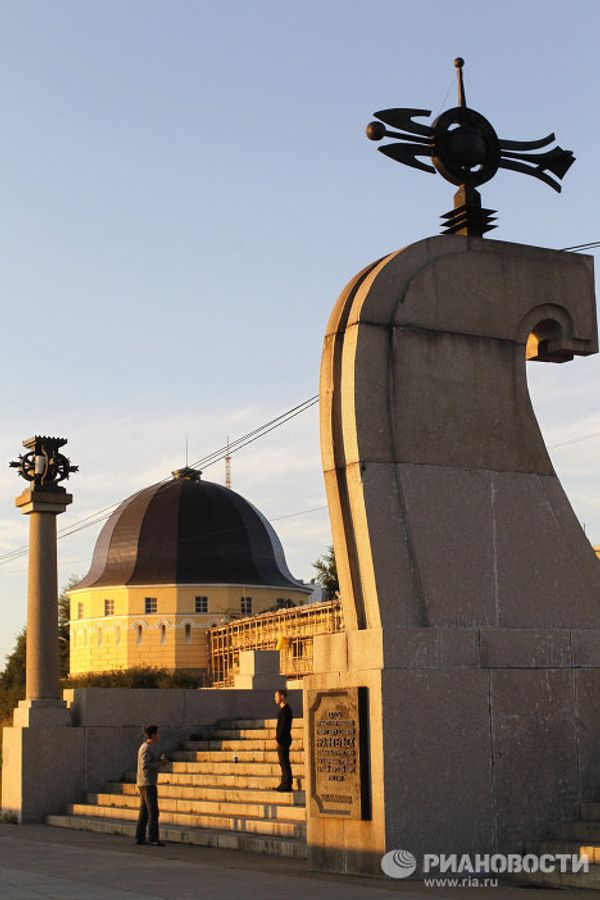
The first Russian settlements by natives of Novgorod appeared in the 17th century on cape Pur Navolok, on the bend of the Northern Dvina River’s swampy right bank. Photo: Stella on cape Pur Navolok, where the town was founded.
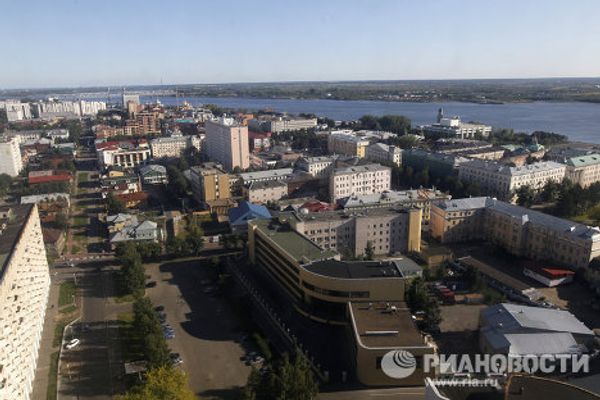
On March 4, 1583 due to concerns over Sweden’s invasion of Russia, Ivan the Terrible signed a decree commissioning construction of a fort on cape Pur Navolok. Photo: Arkhangelsk Panorama.
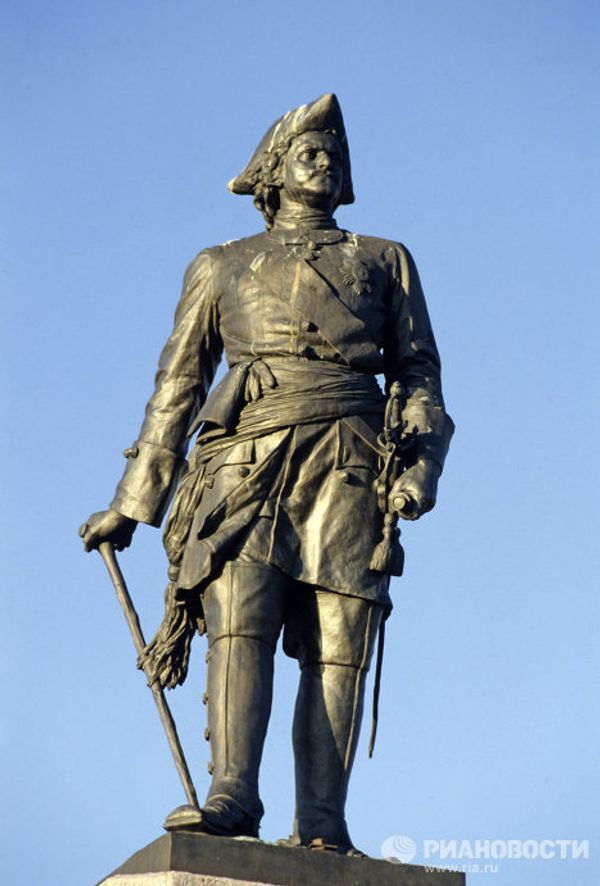
Peter the Great’s interest in Russia’s only seaport emerged at the same time as the idea of building a Russian navy. Photo: Peter the Great Monument by Mark Antokolsky, 1872.
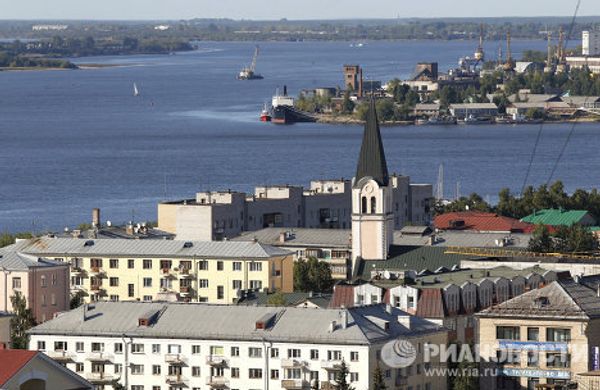
In 1693 Peter the Great commissioned construction of Russia’s first national shipyard on the island of Solombala. Photo: Solombala, a historic district in Arkhangelsk. In the center of the photo: the former Lutheran church of St Katherine, currently an organ hall for the Pomorsky State Philharmonic.
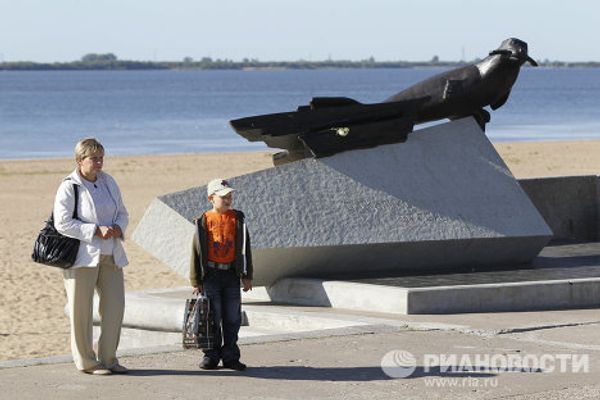
Over the course of World War II northern convoys arrived in town and delivered cargo as part of the lend-lease program. During the war food was supplied to Arkhangelsk only sporadically. Local residents subsisted on seal meat. In 2010 the city erected a monument to the animals that saved the town from famine.
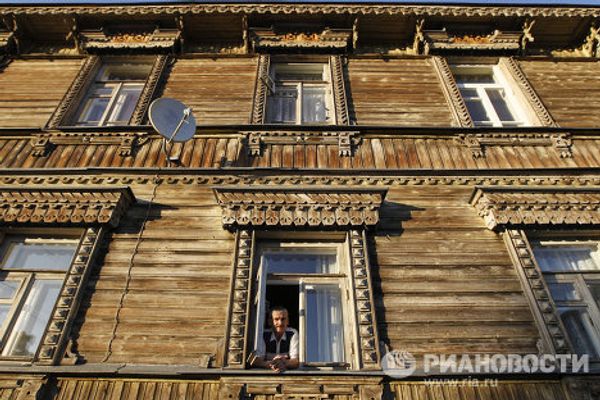
Museum Pedestrian Street, lined with wooden homes, is an Arkhangelsk tourist attraction.
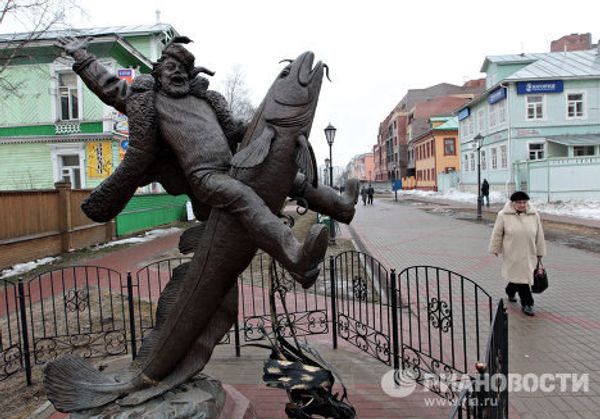
A sculpture of Nalim Malinich, a fairytale character, on a street of wooden homes in Arkhangelsk.
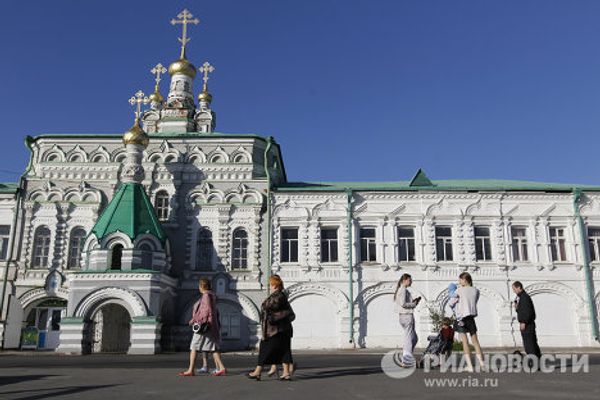
Church of Zosima, Savvatya and Herman Solovetsky in Arkhangelsk (1898 A.D.)
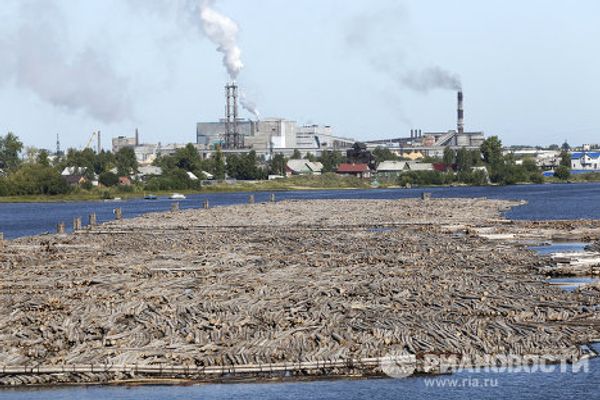
Arkhangelsk today is a large industrial center in the northwestern part of Russia. Photo: Timber rafting on the Kuznechikha River. In the background: Arkhangelsk Pulp and Paper Mill.