RIA Novosti invites its readers on a photo tour of Russian regions. Today, we will take you to Baltiysk.
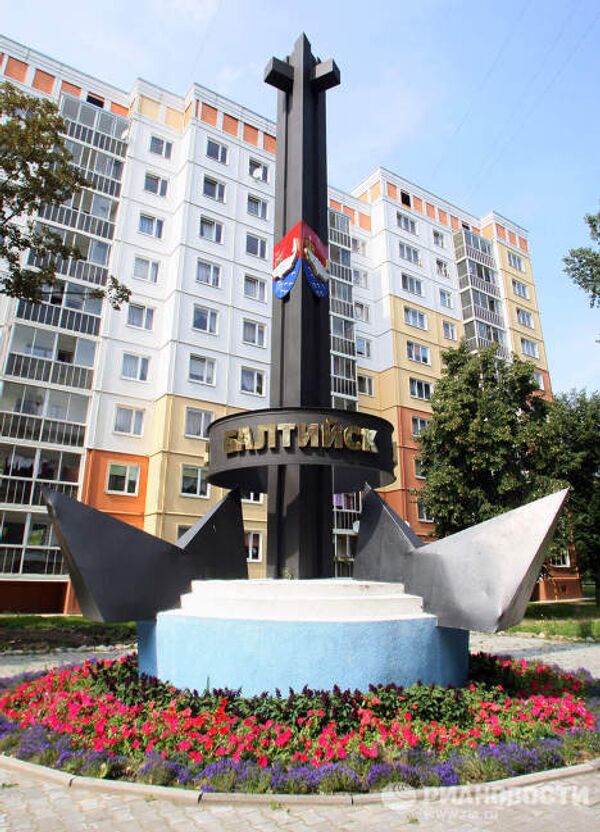
Baltiysk, the westernmost Russian city, is located in the Kaliningrad Region.
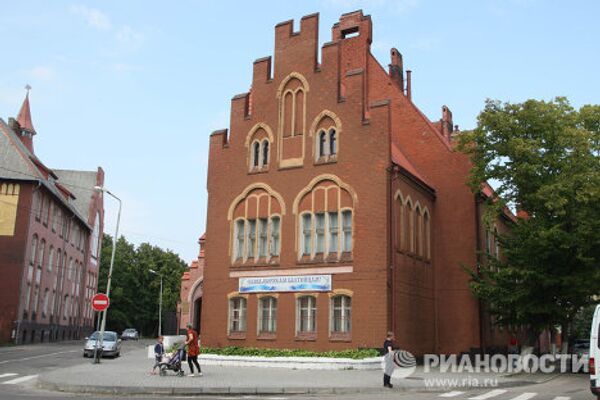
Baltiysk was called Pillau until 1946. Photo: The Baltic Fleet History Museum is housed inside an old German church.
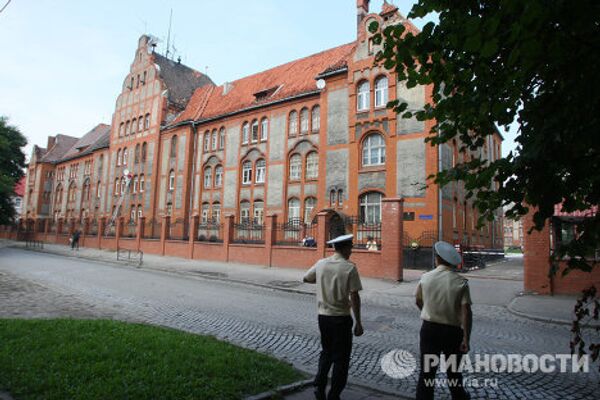
Throughout its entire existence, the city was repeatedly controlled by different countries. The history of Baltiysk dates back to the 13th century. A settlement called Pile or Pil (The Prussian word “Pils” means fortress) was first mentioned in 1363. Photo: Infantry barracks in Baltiysk. The headquarters of the Baltiysk naval base is currently located here.
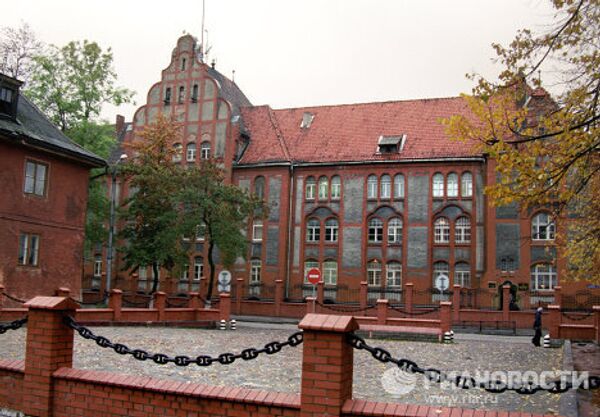
Infantry barracks, a complex of brick buildings in the city’s central section, date back to the early 20th century. The German Kriegsmarine (Navy) trained its submarine crews here during World War II. The barracks were badly damaged during the Red Army’s assault on Pillau in the spring of 1945 but were subsequently restored. The infantry barracks, a monument of early 20th century German architecture, frequently serve as a set for historical films.
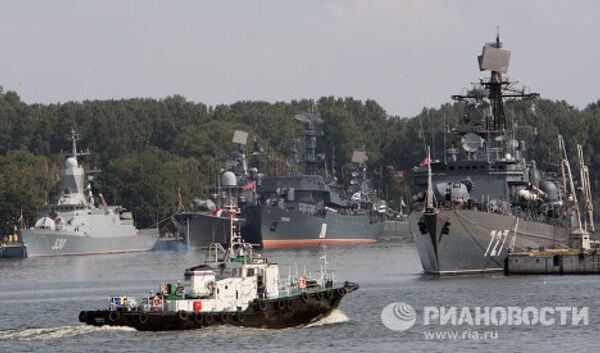
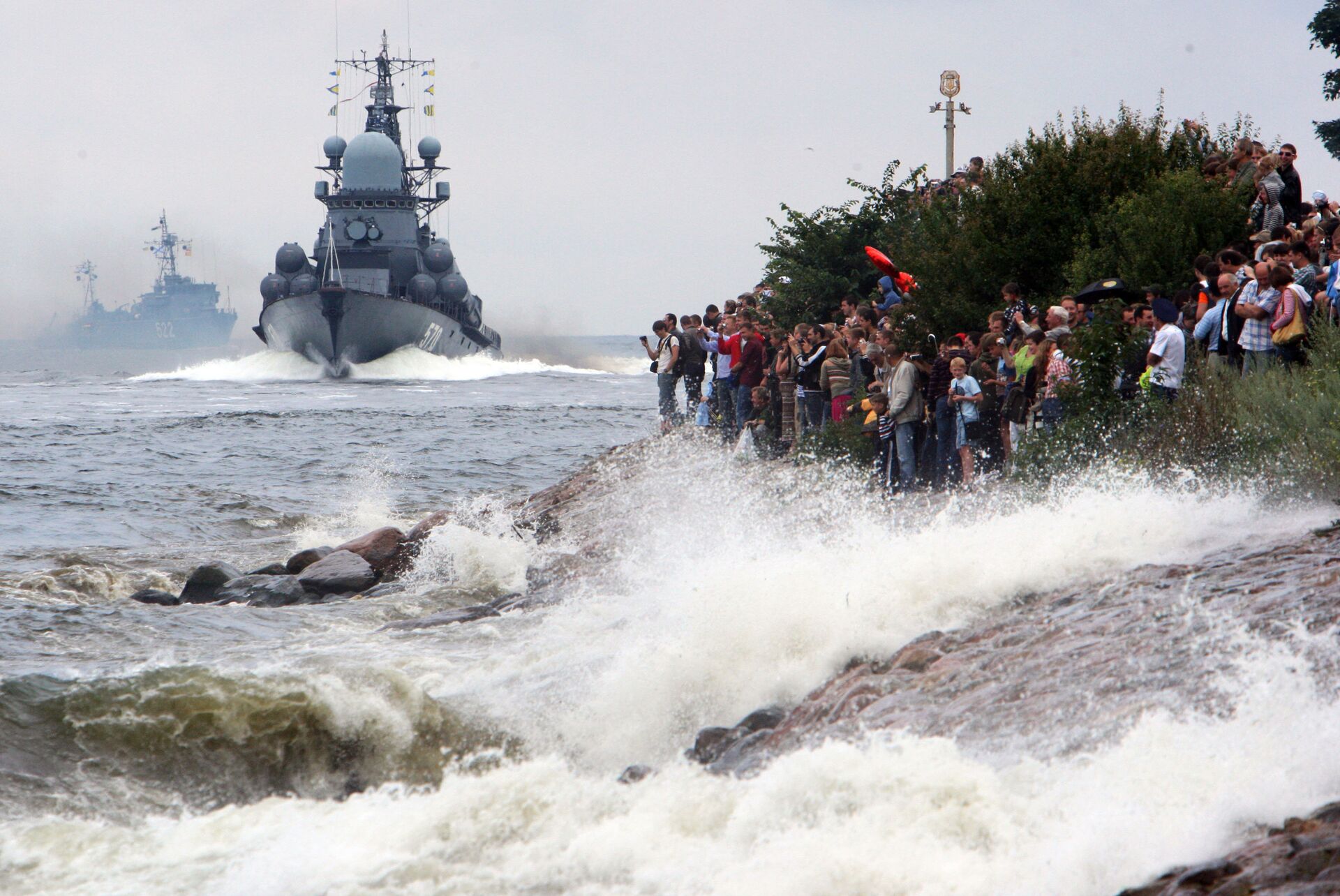
The largest base of the Russian Baltic Fleet is located in Baltiysk.
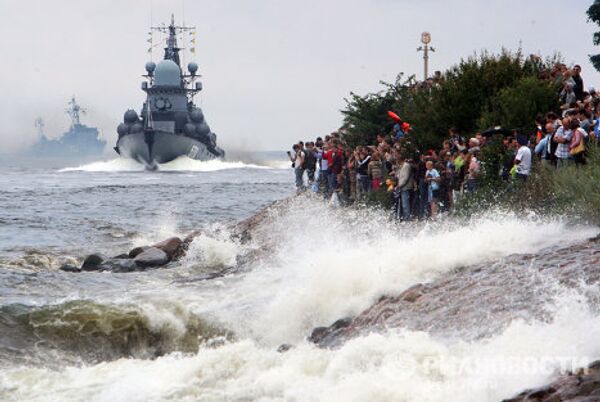
Annual Navy Day parades involving Baltic Fleet ships are held here. Photo: Small guided missile warships sail by in formation.
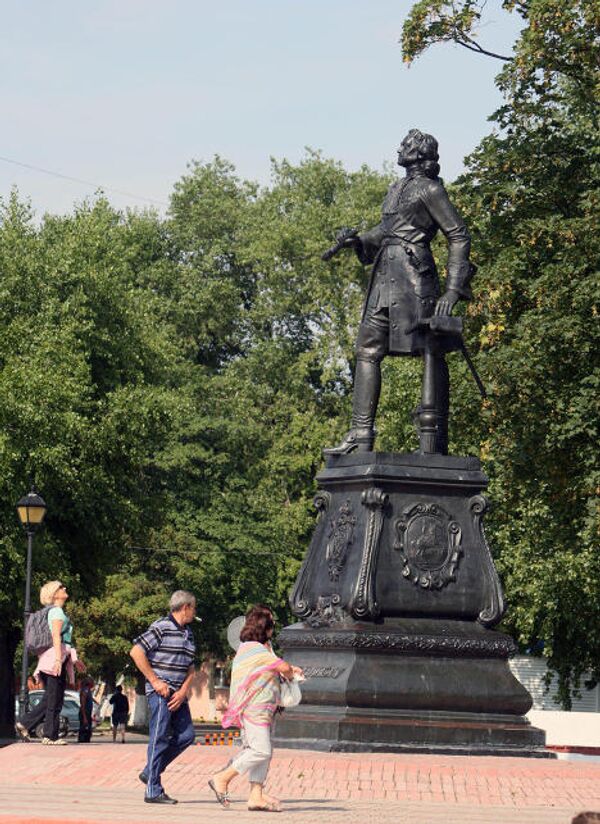
Russian Emperor Peter the Great had visited Pillau three times and called the city “My little Amsterdam.” A monument to the Russian Emperor stands on a local boulevard.
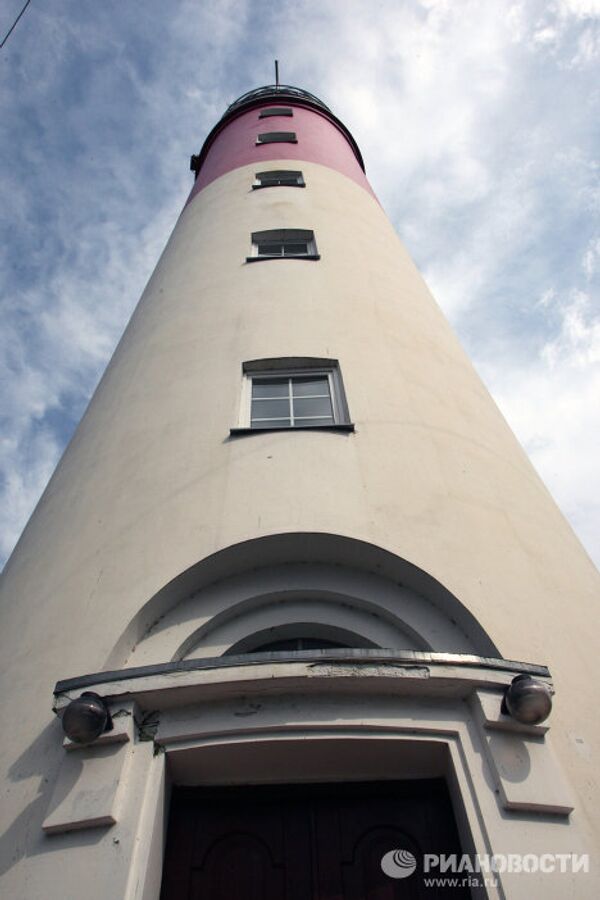
A lighthouse, considered the symbol of Baltiysk, is located near the monument to Peter the Great. The lighthouse was built in 1813 from a design by architect Karl Friedrich Schinkel.
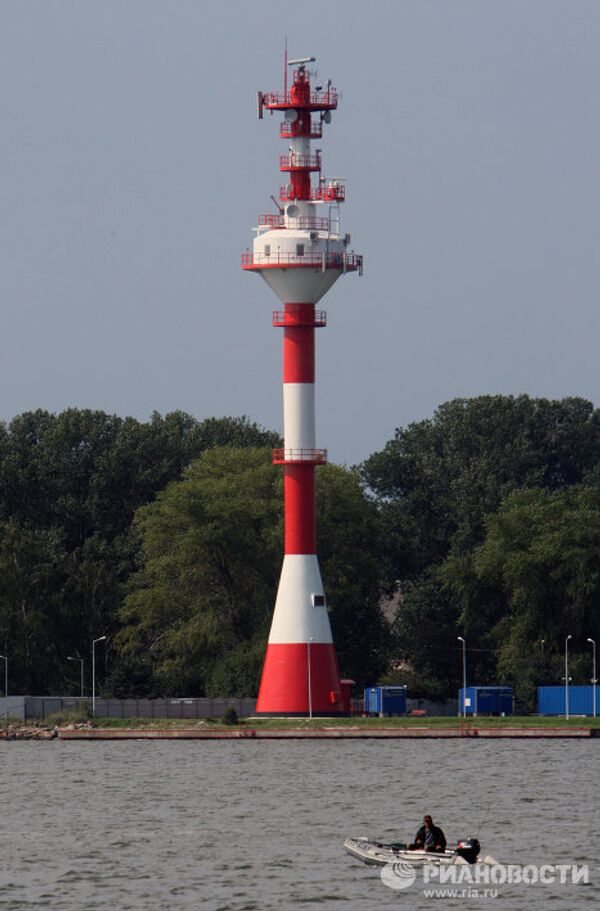
A 60-meter-tall radar tower of a ship-control network near a sea canal on the Vistula Spit.
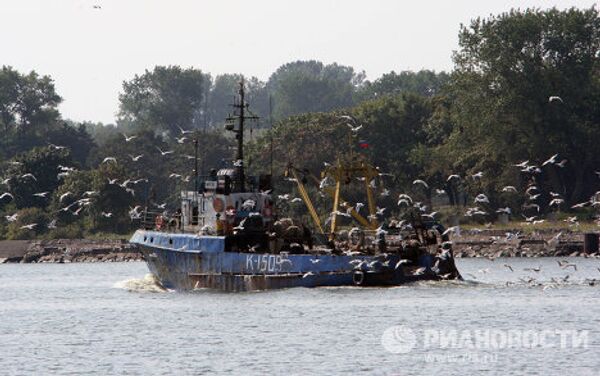
A small fishing trawler sails into Baltiysk Harbor with its catch.
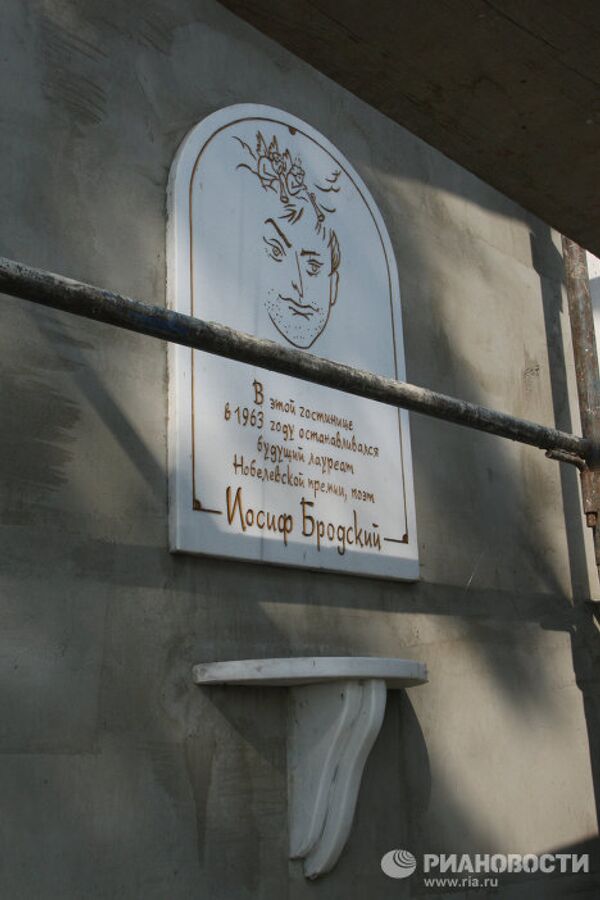
This memorial plaque on the wall of the hotel Zolotoi Yakor (Golden Anchor) reads: “The future Nobel Prize winner and poet Joseph Brodsky stopped at this hotel in 1963.”