The anti-government Day of Wrath rally held on January 25, 2011, triggered public disturbances across Egypt. Since then, Cairo and other Egyptian cities saw... 25.01.2012, Sputnik International
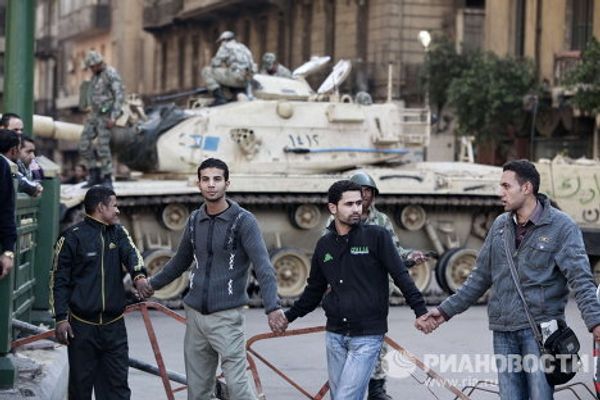
The anti-government Day of Wrath rally held on January 25, 2011, triggered public disturbances across Egypt. Since then, Cairo and other Egyptian cities saw many mass riots and clashes, which eventually led to a change of power in the country.
The anti-government Day of Wrath rally held on January 25, 2011, triggered public disturbances across Egypt. Since then, Cairo and other Egyptian cities saw many mass riots and clashes, which eventually led to a change of power in the country.
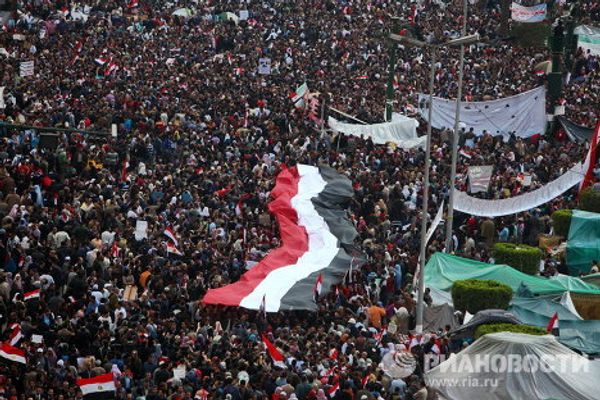
One year ago, tens of thousands of people took to streets in major Egyptian cities to demand the resignation of Hosni Mubarak, economic improvements and political freedoms.
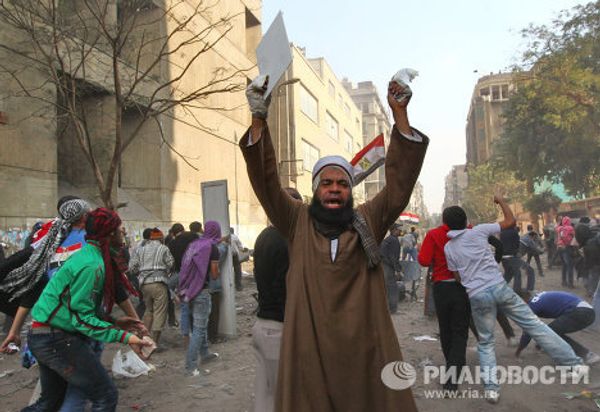
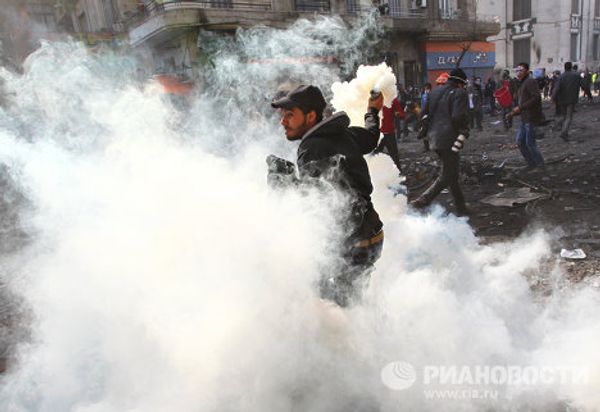
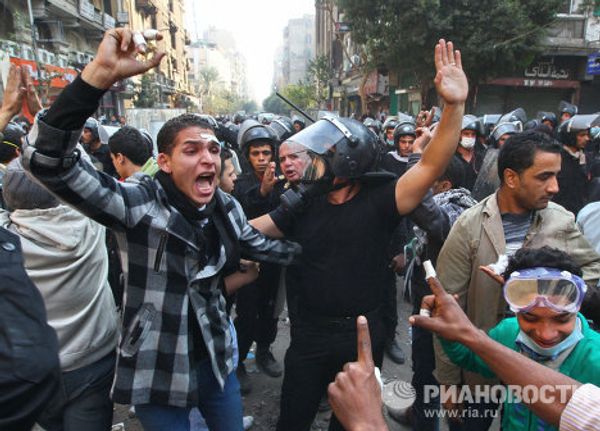
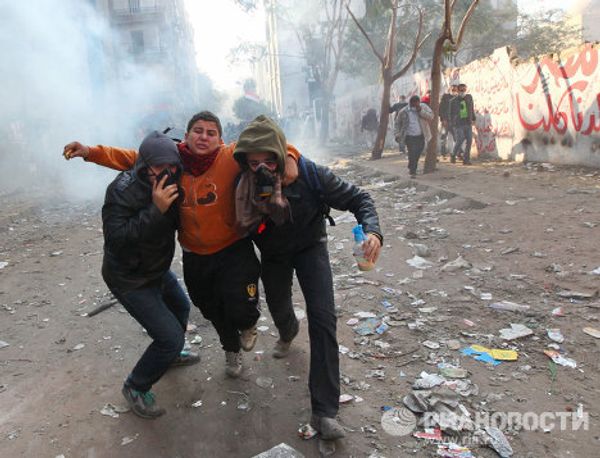
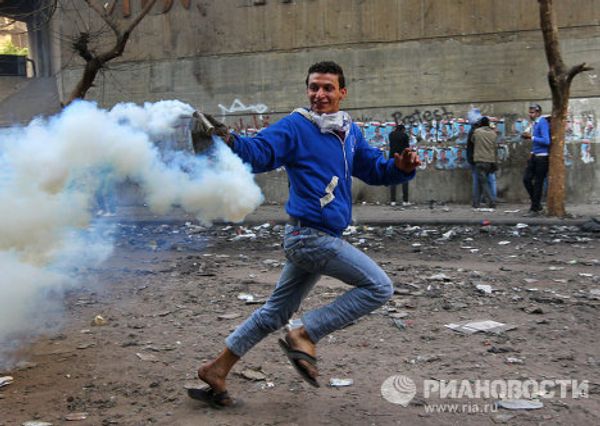
The most violent clashes took place in the central parts of Cairo. Police used tear gas and water cannons to dispel the protesters who gathered on Tahrir Square and outside of the Palace of Justice.
In order to prevent the protesters from coordinating their activities, the Egyptian authorities blocked access to Twitter and Facebook. Cell phone communications were blocked as well.
Rally participants included mostly young people inspired by the December-January 2011 Jasmine Revolution in Tunisia, which came after 30 days of nationwide social unrest and public disturbances.
Public disturbances in Egypt lasted for 18 days before President Hosni Mubarak stepped down. On February 11, 2011, he officially resigned as president. The power was transferred to the Supreme Council of the Armed Forces led by Field Marshal Mohammed Hussein Tantawi.
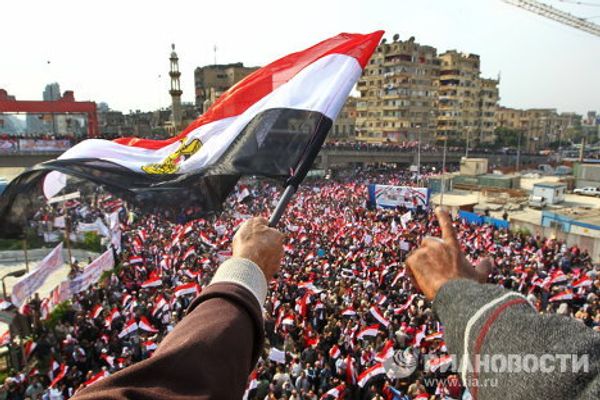
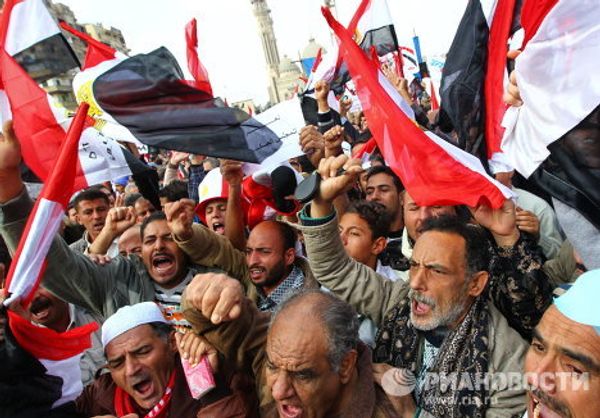
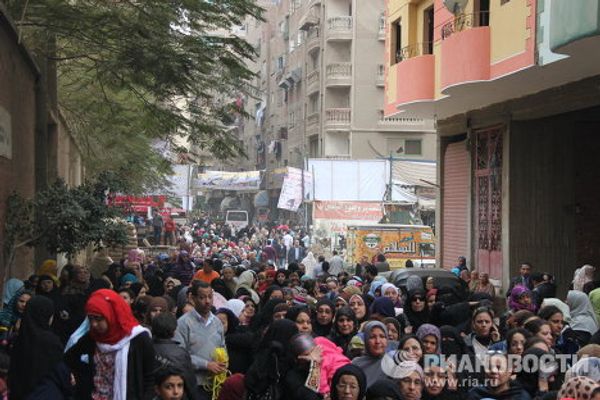
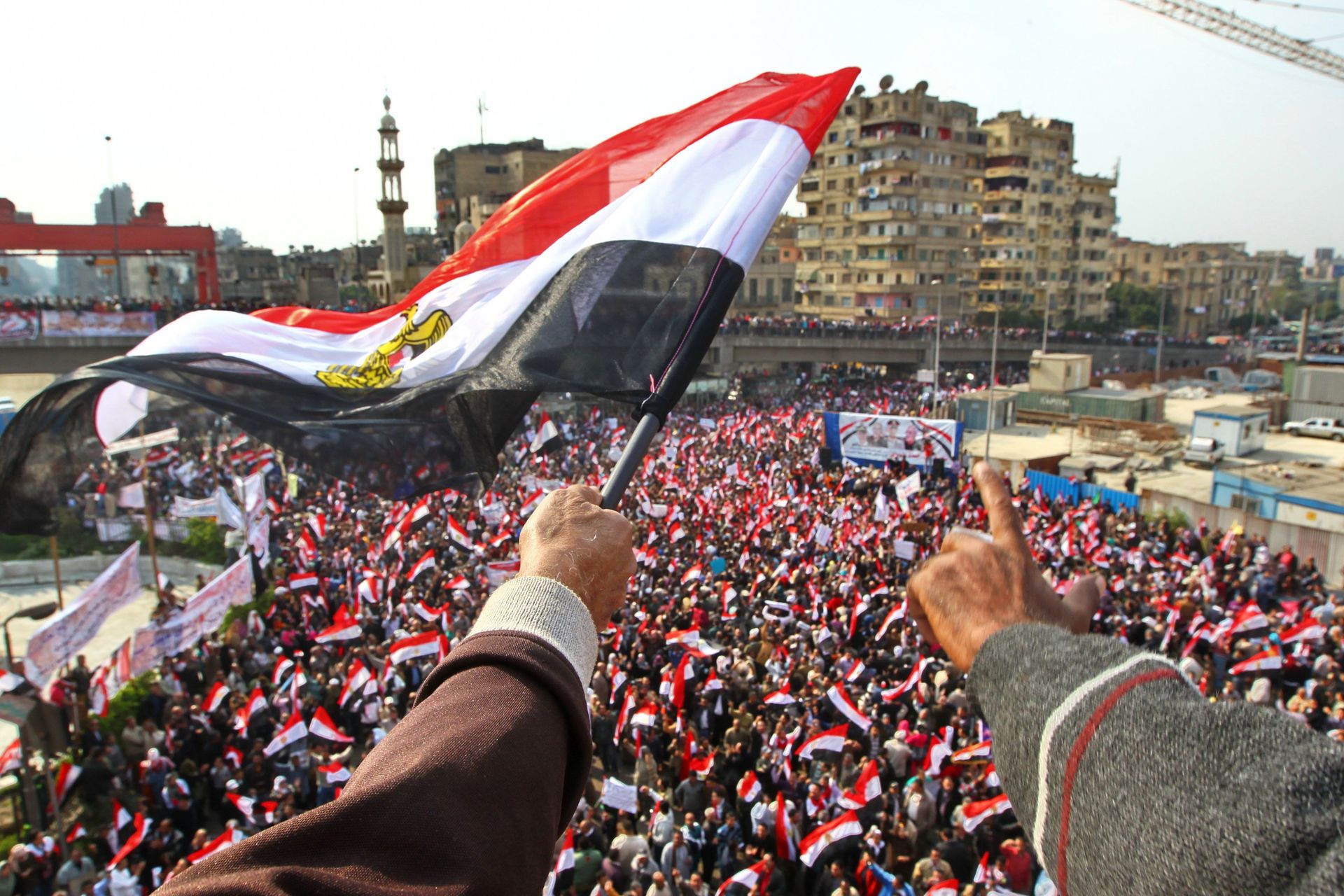
On April 12, Egypt’s General Prosecutor’s Office ruled to arrest the former president and his two sons pending investigation into accusations of shooting at rally participants, embezzlement and abuse of power for personal gain. Photo: supporters of Egypt’s military government during the rally on Abbasia Square in Cairo.
The final third stage of elections to the People’s Assembly (lower chamber) was held on January 11, 2012. The Egyptian Freedom and Justice Party - a political wing of the Muslim Brotherhood movement that was illegal under Mubarak – received 38% of votes by party lists (127 seats out of a total of 332). Photo: Clashes on Cairo’s Tahrir Square.
Newsfeed
0
Access to the chat has been blocked for violating the rules .
You will be able to participate again through:∞.
If you do not agree with the blocking, please use the feedback form
The discussion is closed. You can participate in the discussion within 24 hours after the publication of the article.