The Russian landscape painter, draftsman, engraver, and one of the founders of the Association of Traveling Art Exhibitions (the Itinerants), Ivan Ivanovich... 25.01.2012, Sputnik International
The Russian landscape painter, draftsman, engraver, and one of the founders of the Association of Traveling Art Exhibitions (the Itinerants), Ivan Ivanovich Shishkin was born on this day 180 years ago. His contemporaries called Shishkin a legendary warrior of the Russian forest. He really did seem to be obsessed with nature and was constantly looking for new ways and means of capturing its image.
The Russian landscape painter, draftsman, engraver, and one of the founders of the Association of Traveling Art Exhibitions (the Itinerants), Ivan Ivanovich Shishkin was born on this day 180 years ago. His contemporaries called Shishkin a legendary warrior of the Russian forest. He really did seem to be obsessed with nature and was constantly looking for new ways and means of capturing its image.
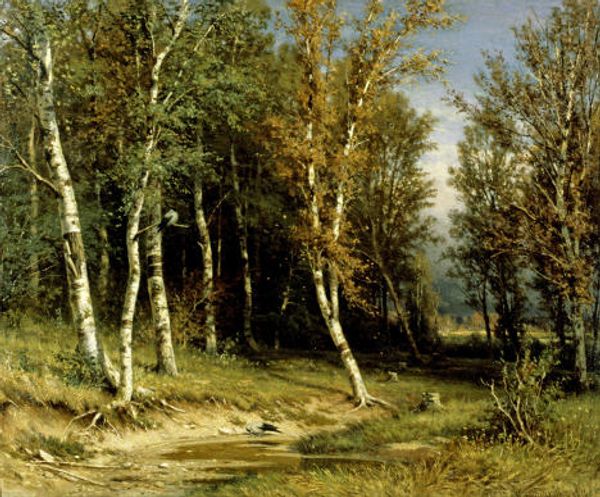
The Russian landscape painter, draftsman, engraver, and one of the founders of the Association of Traveling Art Exhibitions (the Itinerants), Ivan Ivanovich Shishkin was born on this day 180 years ago. His contemporaries called Shishkin a legendary warrior of the Russian forest. He really did seem to be obsessed with nature and was constantly looking for new ways and means of capturing its image. Photo: Ivan Shishkin's painting Forest Before the Storm (1872) from the collection of the Taganrog Picture Gallery.
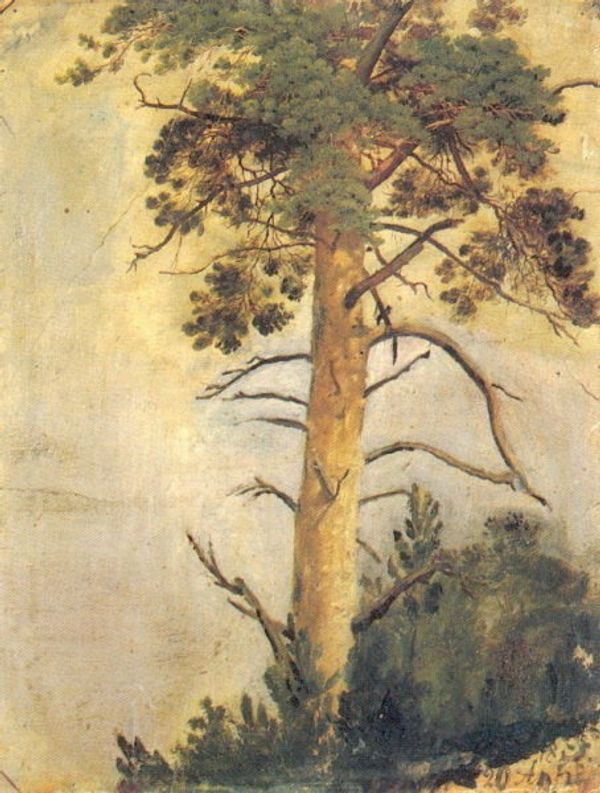
The artist's earliest works are part of the collection of the State Russian Museum. His student sketch, Pine on a Rock, relatively timid in its execution, is dated April 1855.
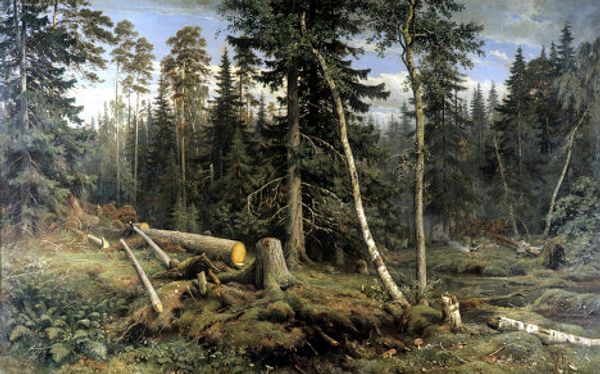
Part of the Tretyakov Gallery's collection, the painting Cutting of Wood was painted in 1867 in Valaam. It was with this work that Shishkin began his development of the theme of the Russian forest, something the artist would keep coming back to throughout his life.
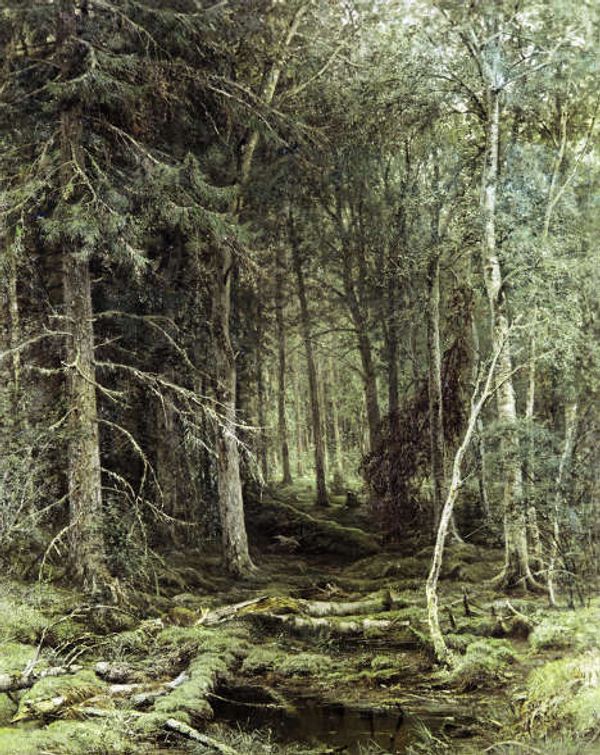
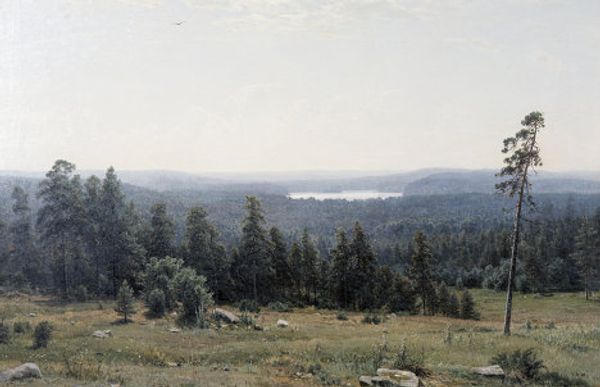
In 1873, Shishkin received the title professor of the Academy of Arts for his work Coniferous Forest (photo). The original is today part of the collection of the State Russian Museum.
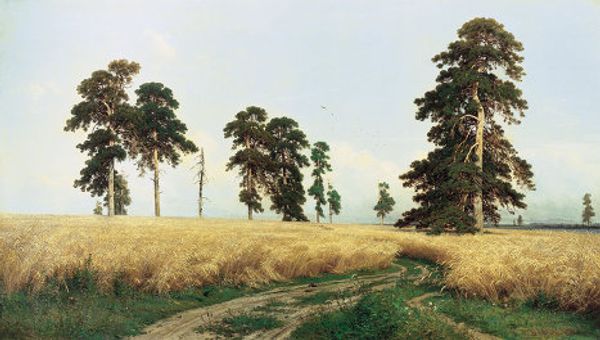
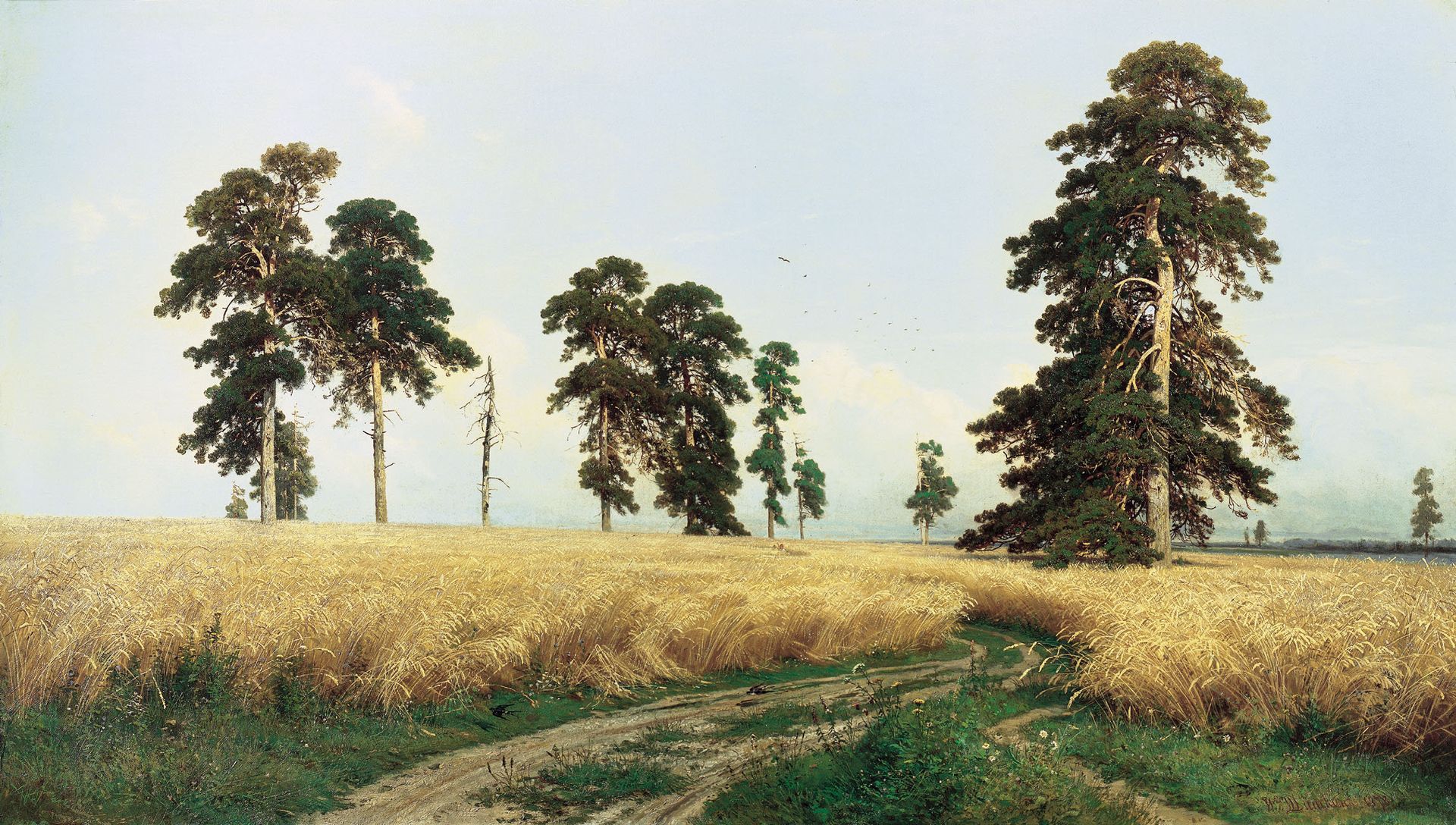
Shishkin painted Rye (1878) after the death of his wife and son. The artist then gave up painting, became withdrawn, but managed to find solace in his art.
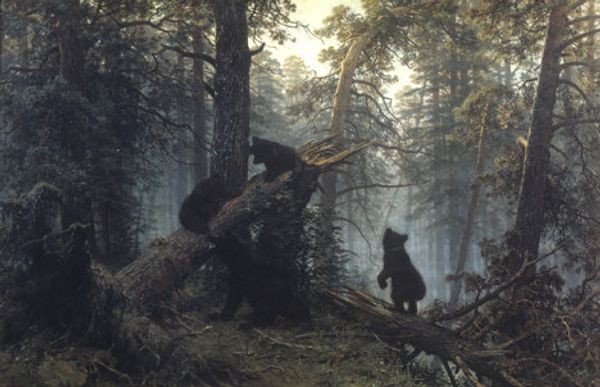
Morning in a Pine Wood (1889) is probably the artist's most famous work. But as is widely known it was not Shishkin who painted the bears but the artist Savitsky, for which he received a quarter of the proceeds from the sale of the painting. Savitsky later removed his signature from the painting and so gave up his rights on it. The painting was bought by Pavel Tretyakov and is now stored in the State Tretyakov Gallery.
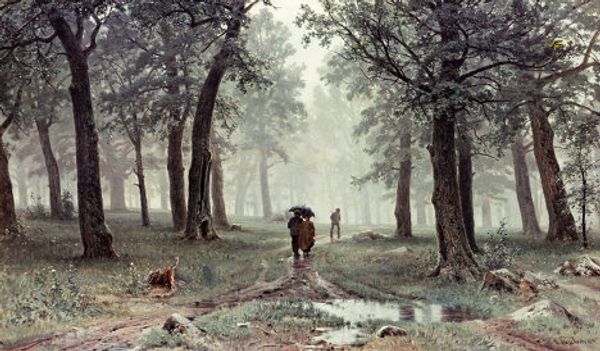
The 1890s were a critical period for the Itinerants, who were beginning to be thought of as conservatives standing in the way of the development of art. During this period Shishkin painted Rain in an Oak Forest, in which he precisely depicts the atmospheric conditions, not making any alterations to his artistic principles, remaining very exact and "objective." The work is stored in the collection of the State Tretyakov Gallery.
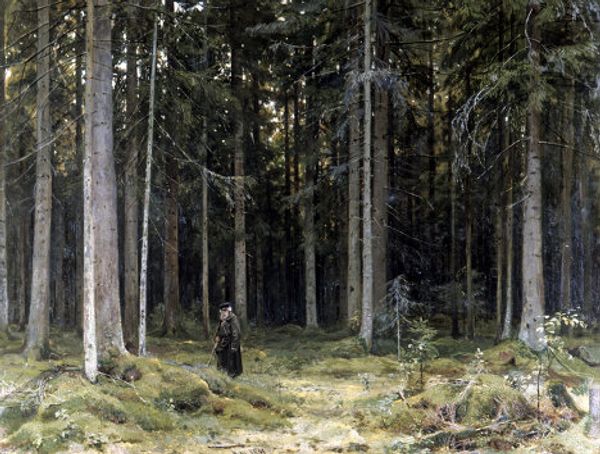
One of the most harmonious color schemes in Shishkin's paintings can be found in the work The Forest of Countess Mordvinova. Peterhof, which was painted near Peterhof and Oranienbaum. At the end of the 19th century, these locations attracted the attention of artists: in the 1880s, Repin rented a dacha here, and in 1891 Shishkin did the same.
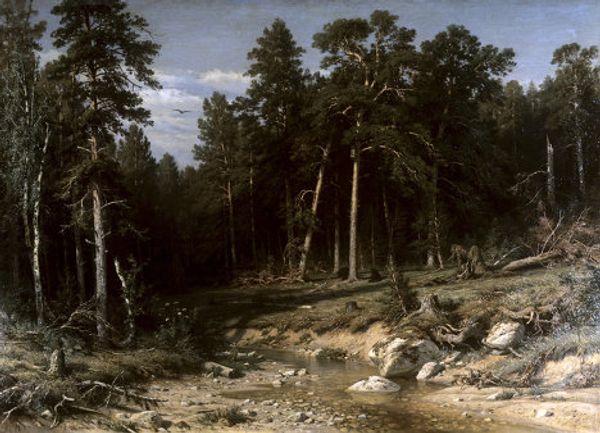
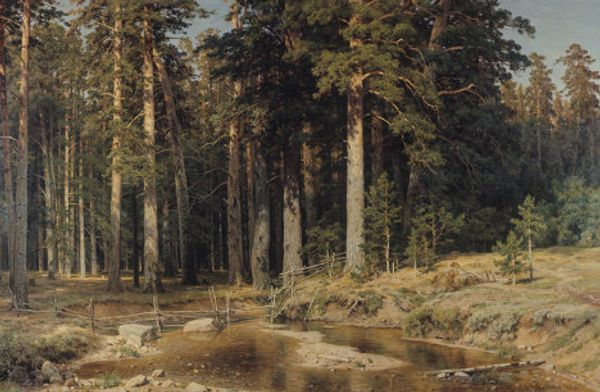
Ship Grove, a picture acting as a last will and testament was painted in the year of the artist's death. On the surviving sketch he made the inscription "The Afanasyev Ship Grove near Yelabuga." Shishkin died suddenly in St. Petersburg on March 8 (20), 1898, sitting at his easel working on a new painting. The original of this painting is stored in the State Russian Museum.
Newsfeed
0
Access to the chat has been blocked for violating the rules .
You will be able to participate again through:∞.
If you do not agree with the blocking, please use the feedback form
The discussion is closed. You can participate in the discussion within 24 hours after the publication of the article.