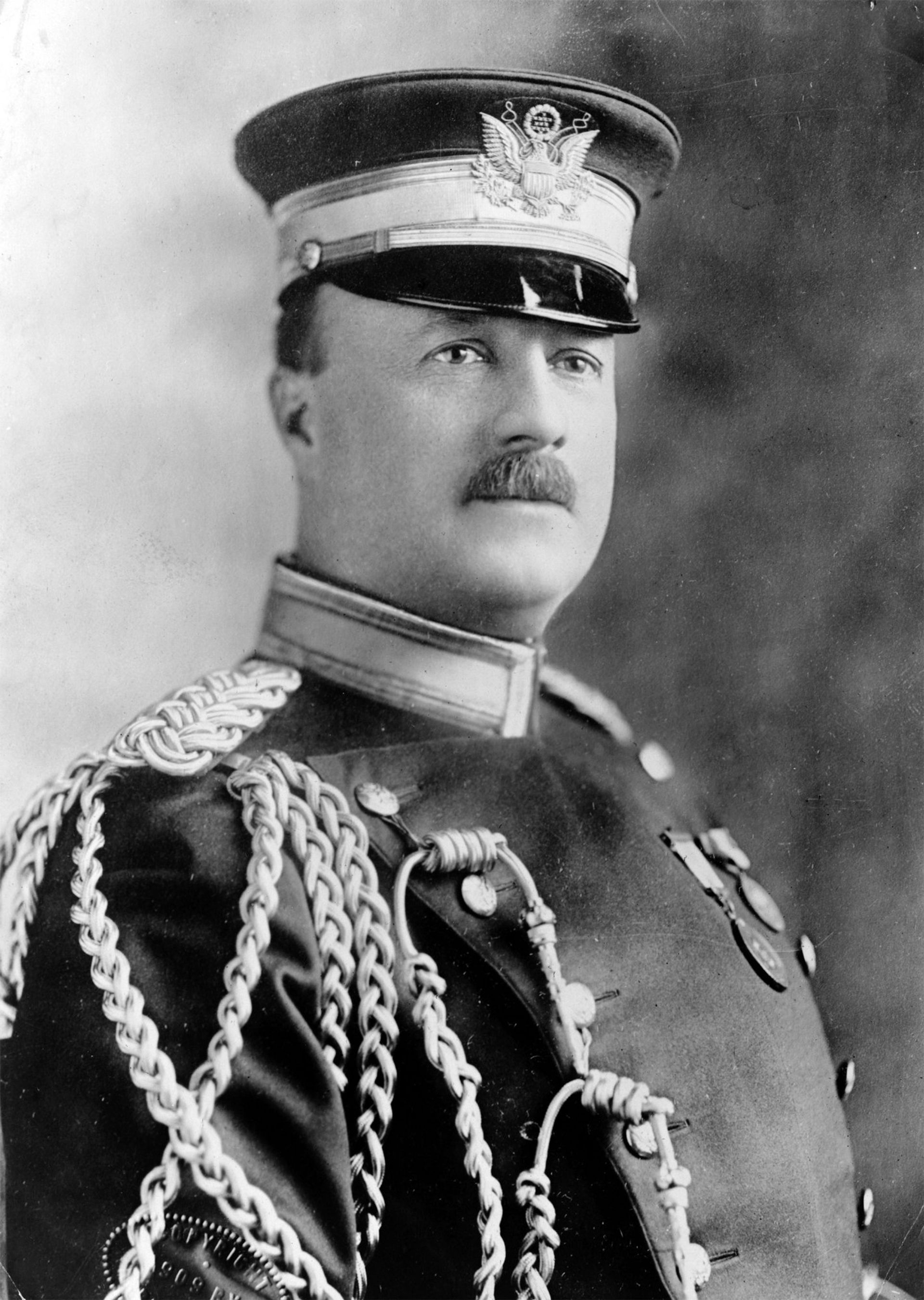
A quarter of RMS Titanic passengers were traveling first class. They were truly wealthy people. Many brought aboard jewelry, gold and expensive works of art.
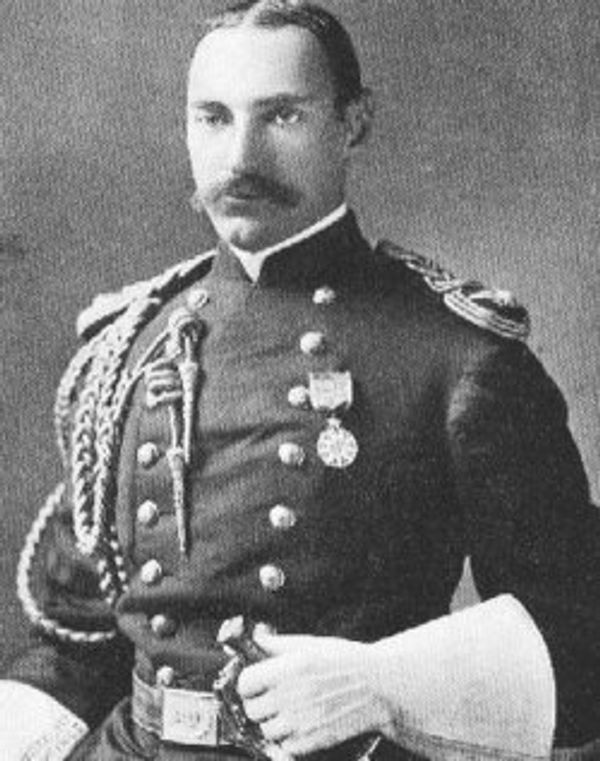
John Jacob Astor IV was an American millionaire and inventor, veteran of the Spanish-American War and member of the well-known Astor family. John Jacob, 47, expanded his family business and built the luxurious hotel Astoria in New York. He died when the ship went down.
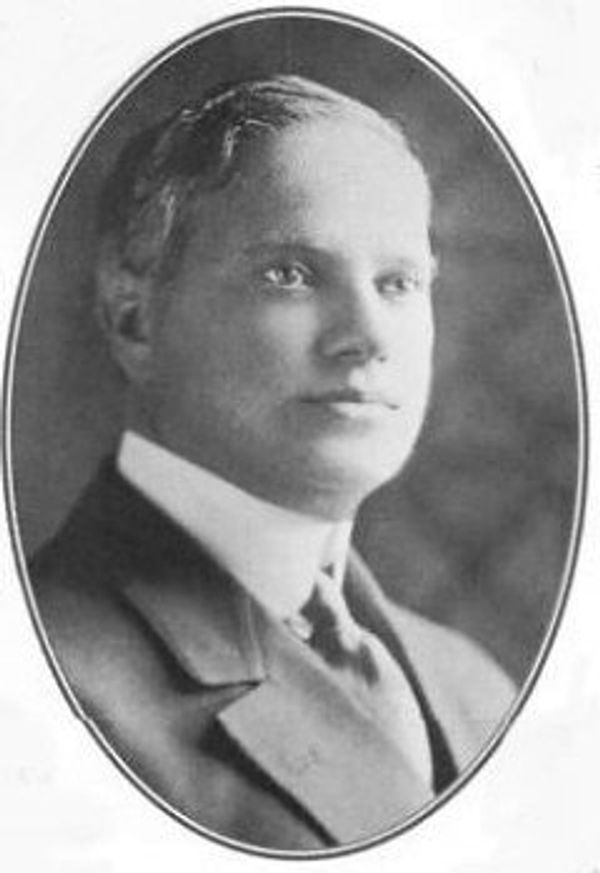
American businessman Benjamin Guggenheim. As the Titanic was sinking, Guggenheim helped women and children to get into the boats. When someone suggested he take a seat, he replied, “We have dressed up in our best and are prepared to go down like gentlemen.” Benjamin Guggenheim died at the age of 46. His body was never recovered.
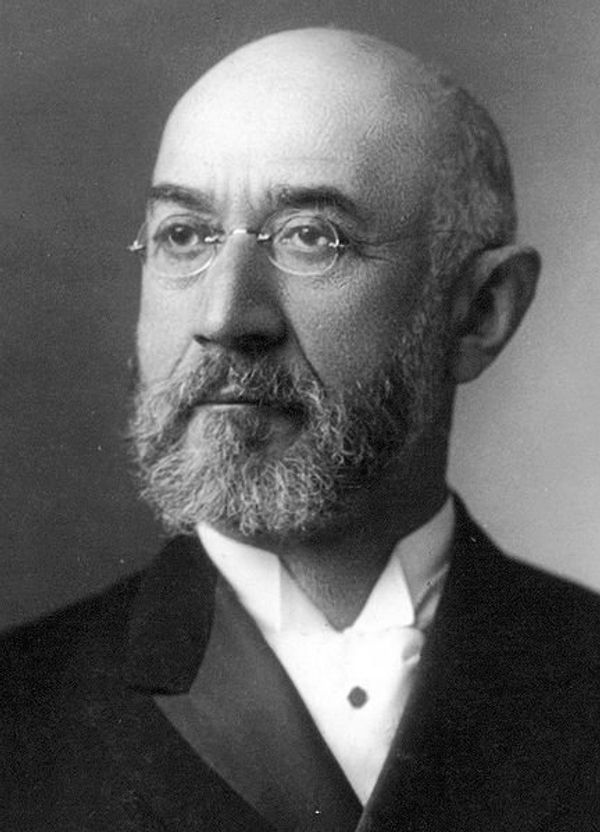
Isidor Straus, an American businessman and philanthropist of German origin, member of the United States Congress. He was a co-owner of Macy’s, the still extant American department store. He died aboard Titanic at the age of 67 with his wife, Ida. His body was recovered by a rescue vessel. His wife’s body was not found.
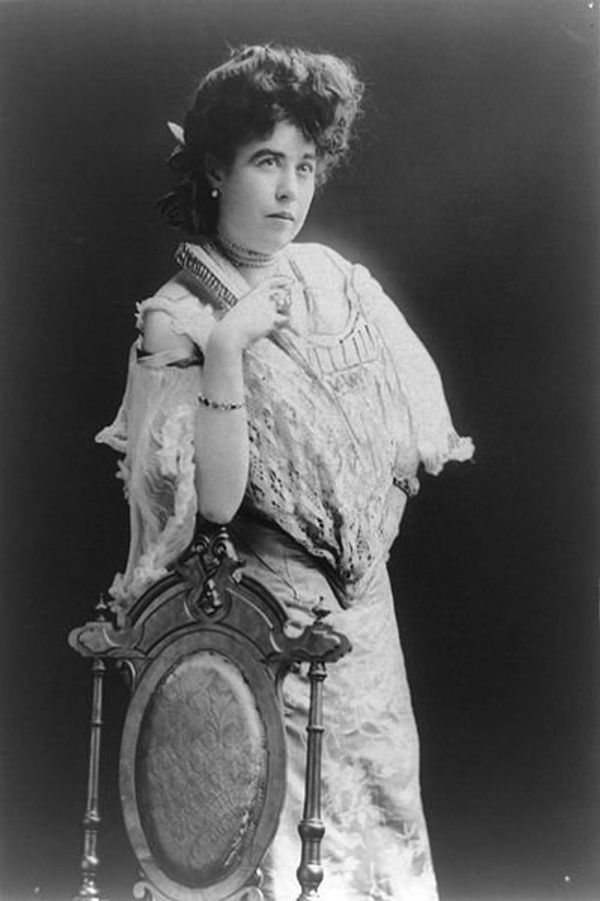
The Unsinkable Molly Brown (Margaret Brown) was an American women and children’s rights activist, one of the first women in the United States who ran for the U.S. Senate. Margaret Brown helped with the Titanic passengers rescue. After the sinking, she organized a fund for Titanic survivors.
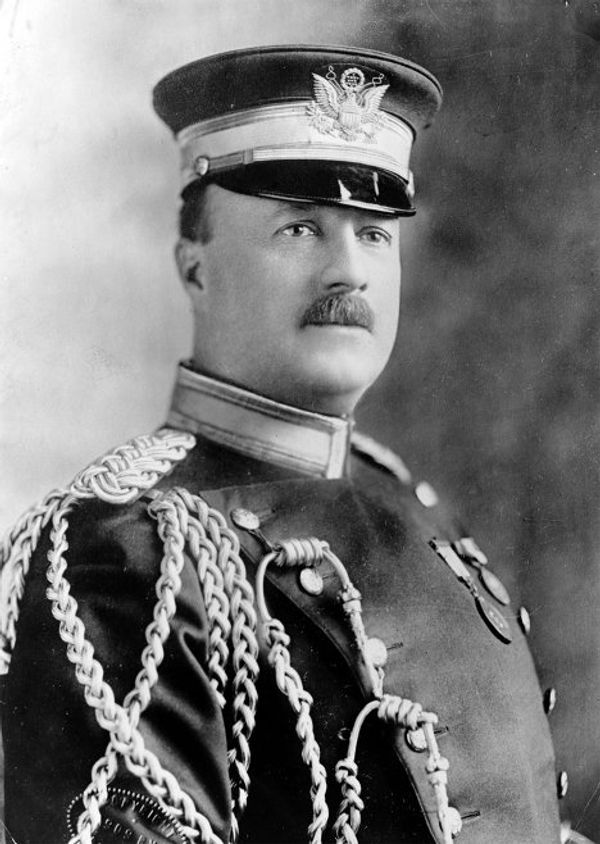
Archibald Willingham Butt was an influential military aide to U.S. presidents Theodore Roosevelt and William Howard Taft. In 1912, Butt was coming back from Rome aboard Titanic after his talks with the Pope on behalf of William Howard Taft. Butt died at the age of 51 as the ship sank. His body was not recovered.
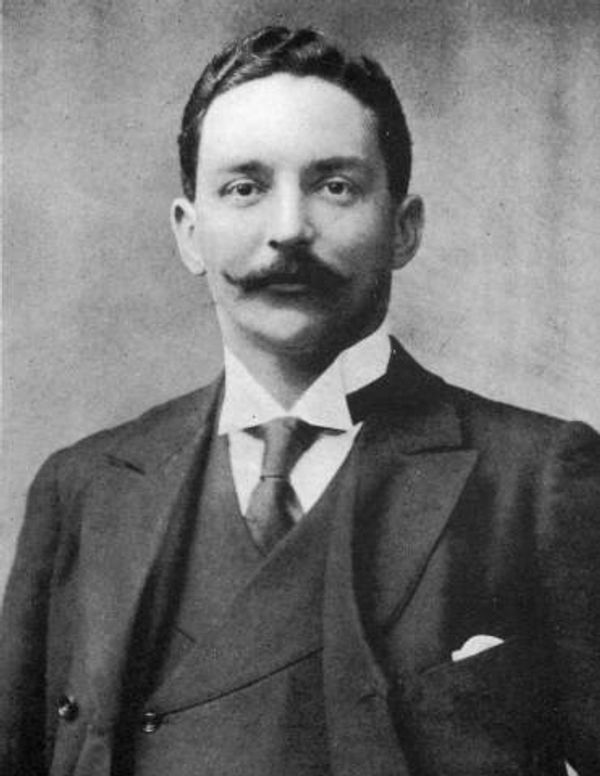
Joseph Bruce Ismay served as chairman of the White Star Line that owned Titanic. After the catastrophe, Ismay was accused of getting into a boat before all the women and children were rescued. It was he who reportedly pressured the Titanic’s captain to increase the ship’s speed, which was the ultimate cause of the catastrophe. Ismay testified at U.S. Senate hearings and was exonerated.
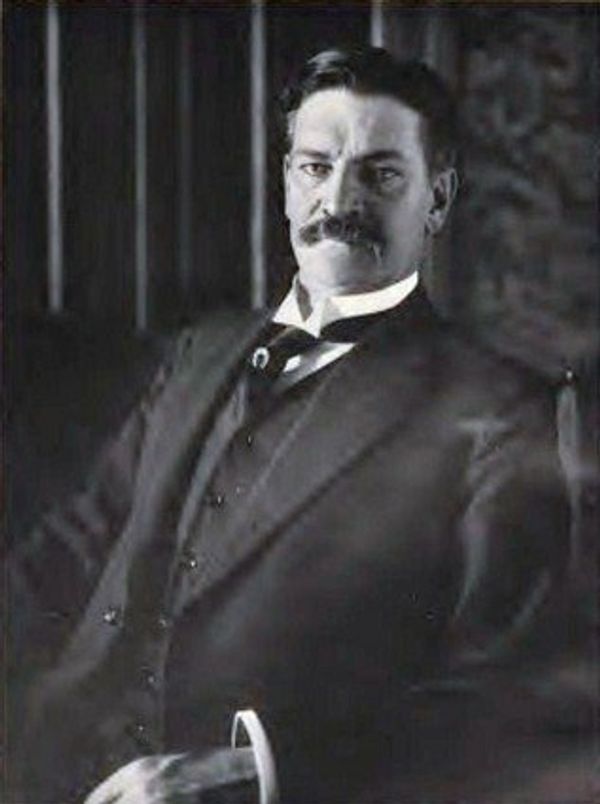
Colonel Archibald Gracie IV was an American writer, amateur historian and Titanic survivor. As soon as Gracie landed in New York, he started writing a book about his voyage aboard Titanic. The book became a valuable resource for Titanic historians and researchers as it contained numerous names of passengers who travelled without tickets and first class passengers who died in the sinking. Gracie’s health was severely affected by hypothermia and injuries. He died in late 1912.
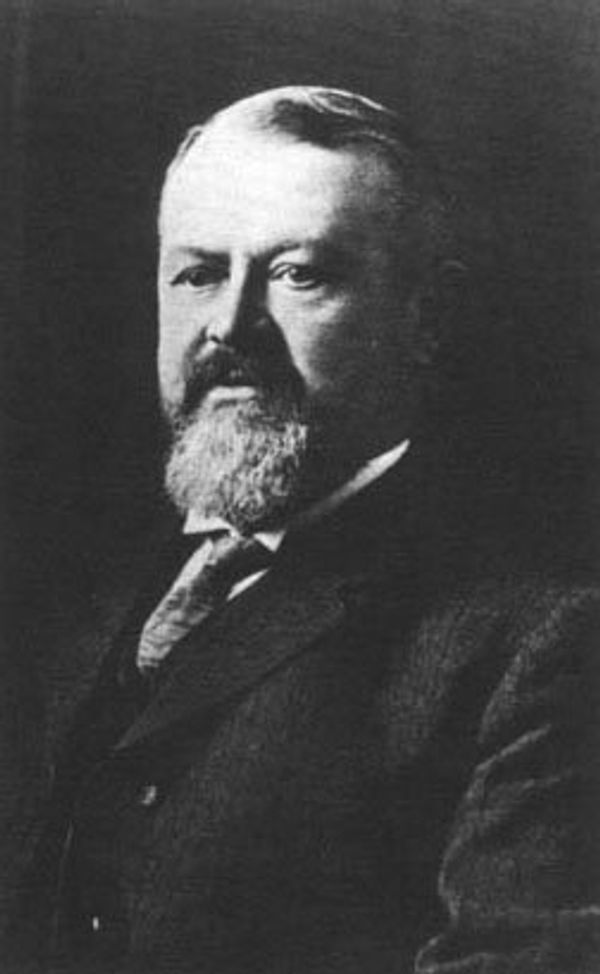
Charles Melville Hays was an American businessman and owner of several railway companies in the United States. He boarded Titanic to travel from Europe to Ottawa for the opening of the Château Laurier hotel with his family, his secretary and sculptor Paul Romaine Chevré. Hays died as did his daughter’s husband and the secretary. The others, including the sculptor, survived.
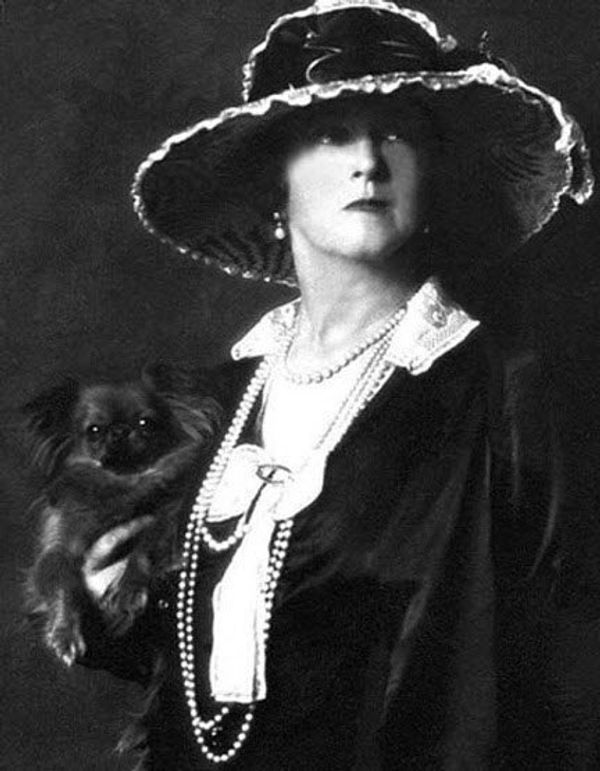
Lady Duff Gordon was a leading fashion designer in the late 19th and early 20th centuries, known as Lucile. She and her husband escaped in Lifeboat 1 that was built to take forty people but was lowered with only twelve. Lady Duff Gordon and her husband were later accused of bribing the crew but they proved otherwise at the subsequent inquiry.
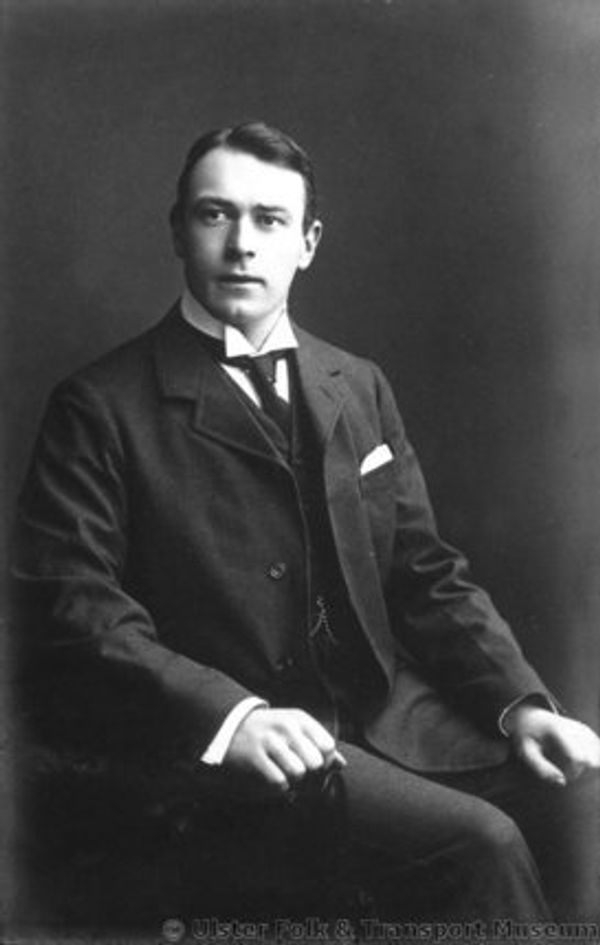
Titanic chief designer Thomas Andrews sank with his creation. He made no effort to survive and even refused to wear a life jacket.