An explosion ripped through the fourth reactor of the Chernobyl nuclear power plant in Ukraine, formerly the Ukrainian Soviet Socialist Republic, in the early... 27.04.2012, Sputnik International
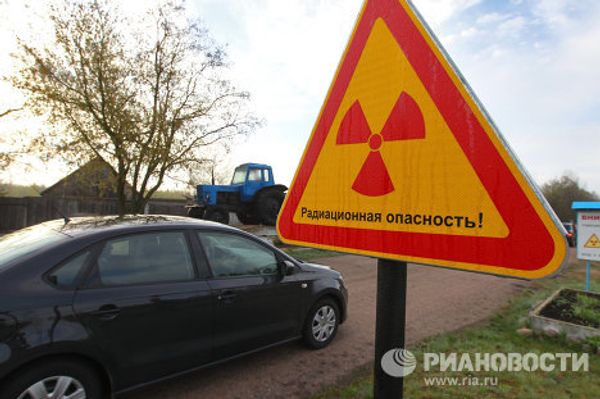
An explosion ripped through the fourth reactor of the Chernobyl nuclear power plant in Ukraine, formerly the Ukrainian Soviet Socialist Republic, in the early hours of April 26, 1986. It would be the biggest disaster in the history of the global nuclear power industry. The Chernobyl nuclear power plant is located on the right bank of the Pripyat River 12 kilometers from Chernobyl in the Kiev Region. Photo: A car enters the exclusion zone around the Chernobyl nuclear power plant at the Teshkov checkpoint.
An explosion ripped through the fourth reactor of the Chernobyl nuclear power plant in Ukraine, formerly the Ukrainian Soviet Socialist Republic, in the early hours of April 26, 1986. It would be the biggest disaster in the history of the global nuclear power industry. The Chernobyl nuclear power plant is located on the right bank of the Pripyat River 12 kilometers from Chernobyl in the Kiev Region. Photo: A car enters the exclusion zone around the Chernobyl nuclear power plant at the Teshkov checkpoint.
An explosion ripped through the fourth reactor of the Chernobyl nuclear power plant in Ukraine, formerly the Ukrainian Soviet Socialist Republic, in the early hours of April 26, 1986. It would be the biggest disaster in the history of the global nuclear power industry. The Chernobyl nuclear power plant is located on the right bank of the Pripyat River 12 kilometers from Chernobyl in the Kiev Region. Photo: A car enters the exclusion zone around the Chernobyl nuclear power plant at the Teshkov checkpoint.
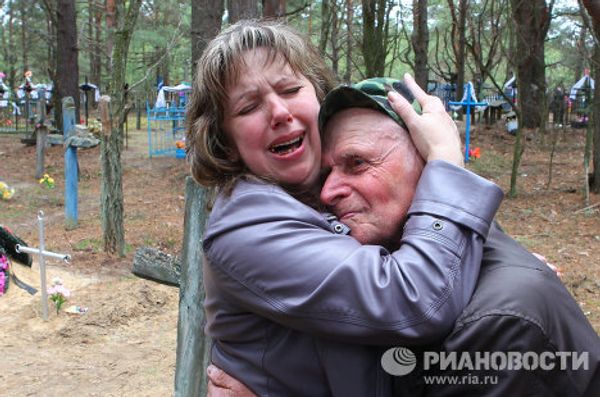
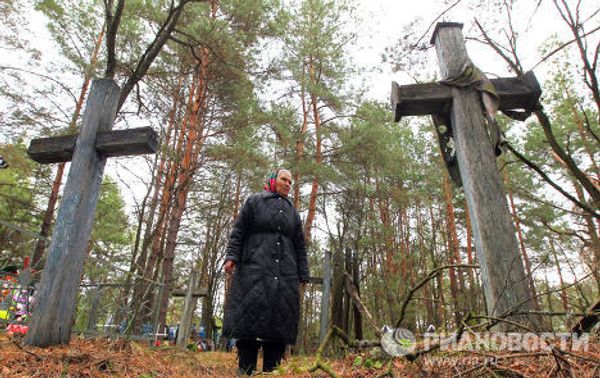
Various barriers and safety systems protecting the environment from the radio-nuclides contained in the nuclear fuel were destroyed as a result of the accident. Photo: Nina Pelmeneva who was relocated after the disaster meets with her first teacher Arkady Prikhotko in a cemetery of the Belaya Soroka village. The people of this village were relocated after the 1986 accident at the Chernobyl nuclear power plant.
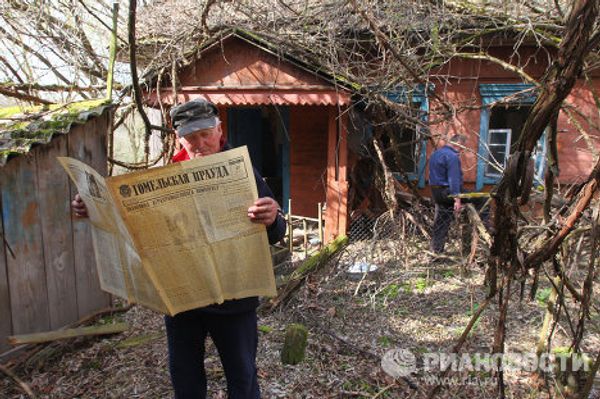
Radioactive fallout continued for ten days, from April 26 until May 6, 1986. The fallout was subsequently reduced to a tiny fraction of the original volumes and eventually ended. Photo: Mikhail Zbarovsky looks at a copy of the Gomelskaya Pravda newspaper that he left behind at his home in Vezhitse village in the Gomel Region of Belarus. The people of this village were relocated after the 1986 Chernobyl disaster.
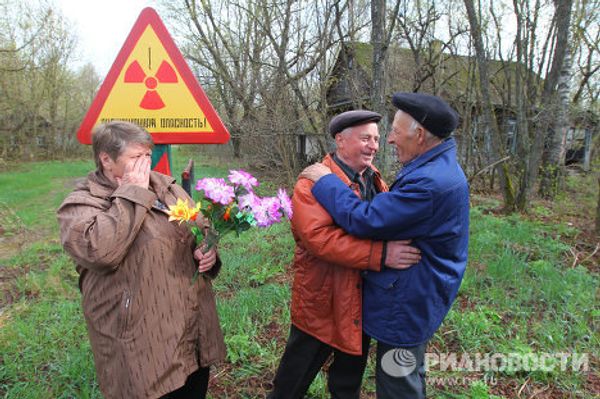
Radioactive fallout contaminated almost 160,000 square kilometers in northern Ukraine, Belarus and western Russia. Photo: A get-together of people who were relocated after the disaster, and who were allowed to visit their abandoned homes inside the exclusion zone around the Chernobyl nuclear power plant.
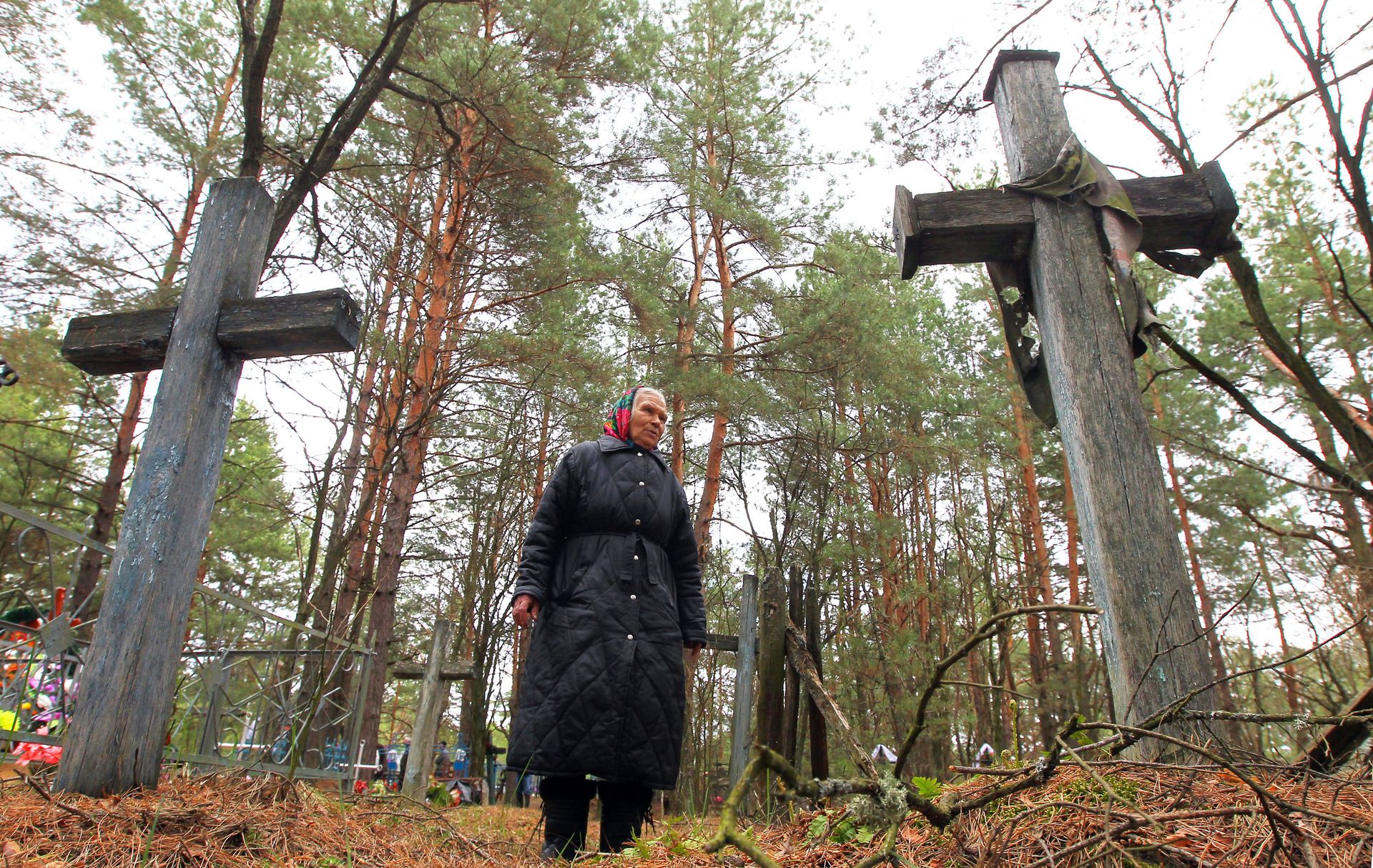
In all, 31 people died immediately after the disaster. The 600,000 specialists involved in subsequent fire-fighting and clean-up operations, were subjected to high radiation. Photo: A woman who was relocated from the village of Belaya Soroka visits the village cemetery on the ninth day after Easter when Orthodox Christians remember their deceased relatives.
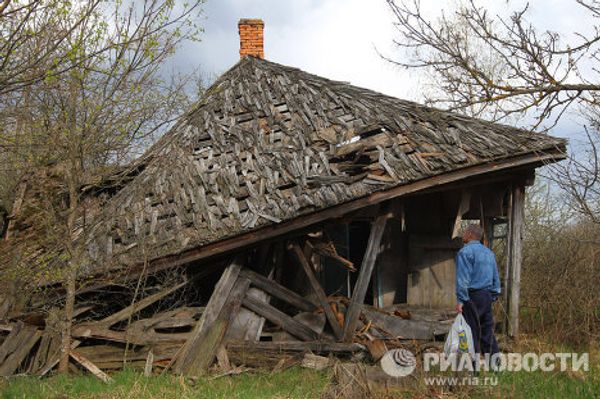
Twenty-four hours after the disaster, a government commission decided to evacuate the residents of nearby communities. Photo: Nikolai Skovorodin near his damaged home in the village of Vezhishche in the Gomel Region of Belarus. The people of this village were relocated after the 1986 disaster at the Chernobyl nuclear power plant.
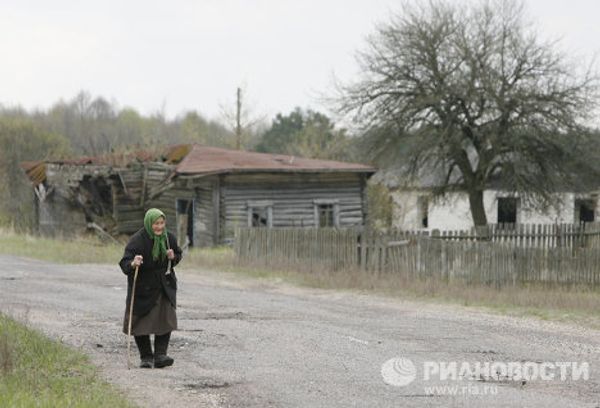
In all, about 116,000 people were relocated from 188 communities, including Pripyat, by late 1986. Photo: Olga Kozel, one of the six residents in the village of Tulgovichi, walks down the street. Tulgovichi is the only inhabited village inside the exclusion zone around the Chernobyl nuclear power plant.
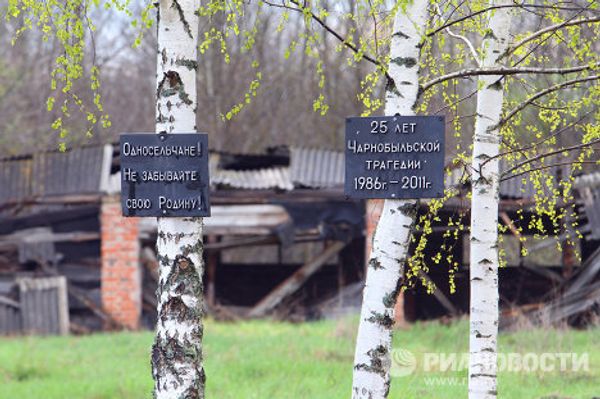
The Government of Ukraine is currently drafting an ambitious program to reclaim territories, which were contaminated by radiation after the disaster. Photo: Memorial plaques in the village of Vezhishche in the Gomel Region of Belarus. The inscriptions read: “The 25th anniversary of the Chernobyl tragedy. 1986-2011” and “Fellow villagers! Don’t forget your Motherland!” The people of this village were relocated after the 1986 disaster at the Chernobyl nuclear power plant.
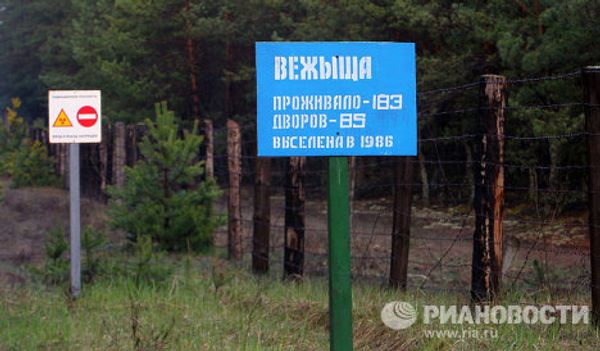
Experts say it will be impossible to use large areas, which are contaminated by radiation, for many decades. Photo: Road signs at the entrance to the village of Vezhishche in the Gomel Region of Belarus. The people of this village were relocated after the 1986 disaster at the Chernobyl nuclear power plant.
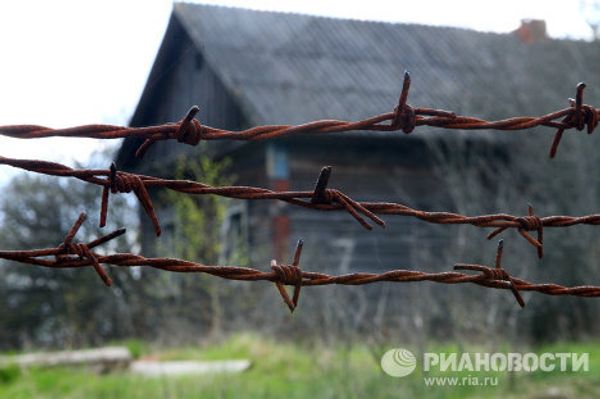
At the same time, experts say that the animal and plant kingdoms have remained unaffected by high radiation levels on territories contaminated by the Chernobyl disaster. Photo: Abandoned homes in the village of Vezhishche in the Gomel Region of Belarus. The people of this village were relocated after the 1986 disaster at the Chernobyl nuclear power plant.
Newsfeed
0
Access to the chat has been blocked for violating the rules .
You will be able to participate again through:∞.
If you do not agree with the blocking, please use the feedback form
The discussion is closed. You can participate in the discussion within 24 hours after the publication of the article.