The official authorities in Syria call them bandits and terrorists. Syrian civilians are either afraid of them or support them. When a RIA Novosti... 03.05.2012, Sputnik International
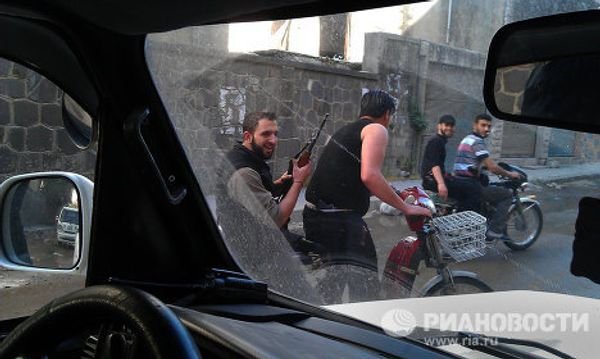
The official authorities in Syria call them bandits and terrorists. Syrian civilians are either afraid of them or support them. When a RIA Novosti correspondent wanted to go to Homs to find the rebels, he was warned: “The FSA hates the Russians, they’ll probably kill you.”
The official authorities in Syria call them bandits and terrorists. Syrian civilians are either afraid of them or support them. When a RIA Novosti correspondent wanted to go to Homs to find the rebels, he was warned: “The FSA hates the Russians, they’ll probably kill you.”
The official authorities in Syria call them bandits and terrorists. Syrian civilians are either afraid of them or support them. When a RIA Novosti correspondent wanted to go to Homs to find the rebels, he was warned: “The FSA hates the Russians, they’ll probably kill you.”
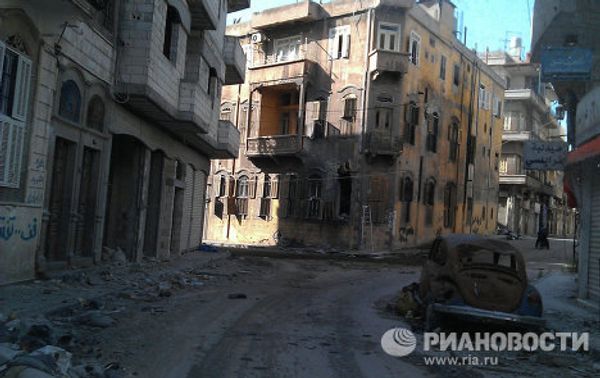
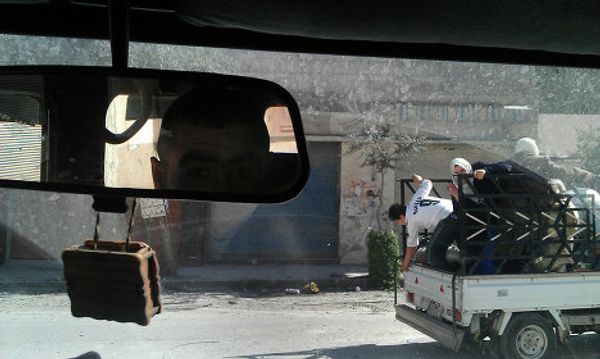
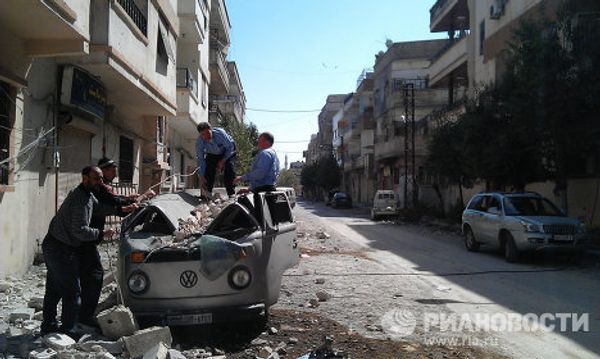
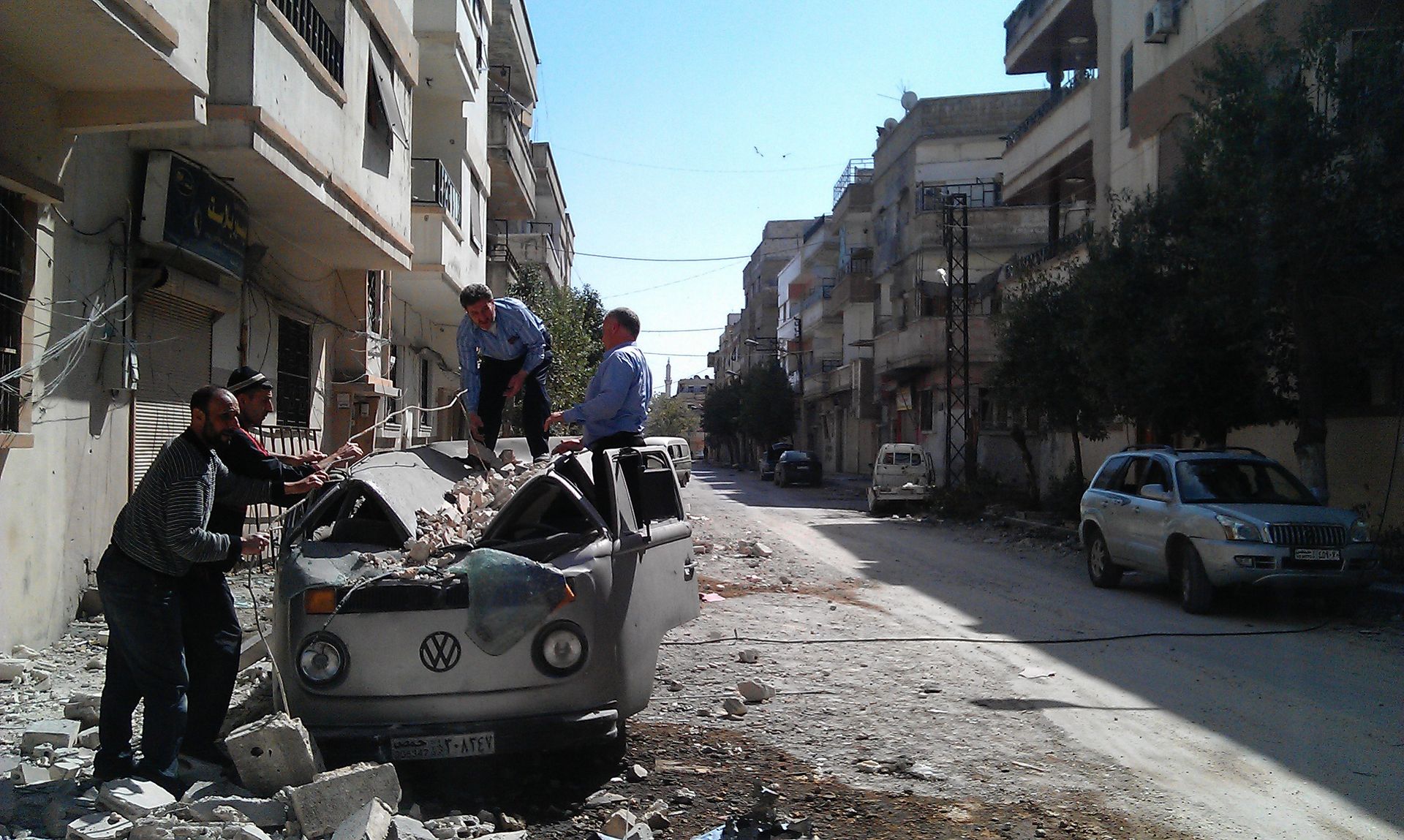
Occasionally small trucks carrying ordinary Syrians and their household belongings pass by – these are refugees fleeing after their homes have been destroyed.
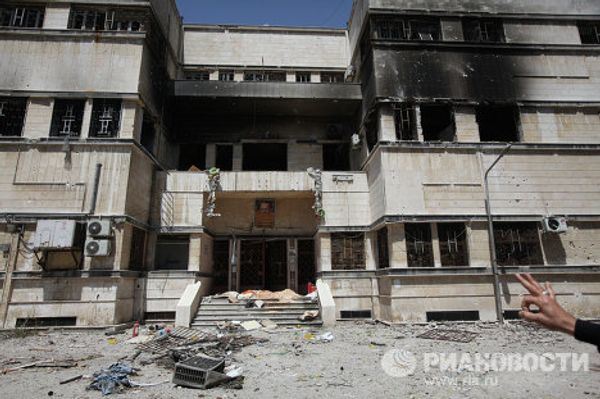
The hospital suffered massive damage from artillery fire – the building caught fire and none of the windows have survived. A burnt portrait of Hafez Asad, father of the current president, hangs above the entrance. This is where the morgue is housed. It has been without electricity for some time now and can only be entered wearing a gas mask.
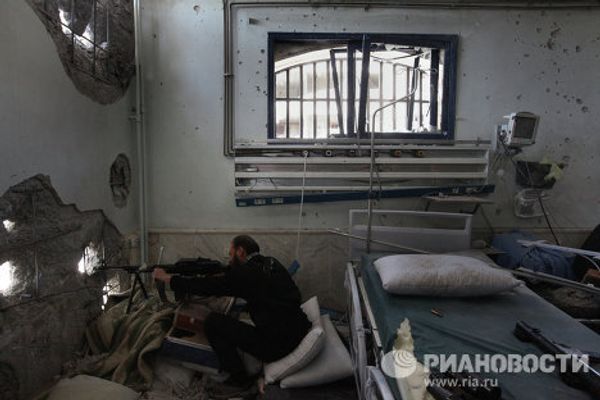
A fighter with a machine gun in one of the rooms pierced by shells. Next to the bed is a grenade launcher and cartridge belt. He uses gestures to explain that the building is being defended from here and allows us to take some photographs.
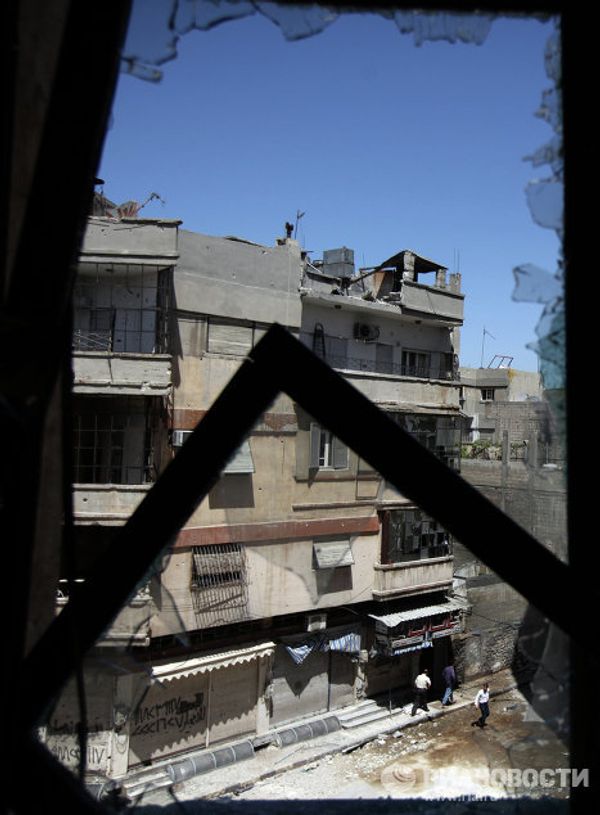
Graffiti depicting refugees with a caption written in Arabic and English: “We’ll be back”.
Newsfeed
0
Access to the chat has been blocked for violating the rules .
You will be able to participate again through:∞.
If you do not agree with the blocking, please use the feedback form
The discussion is closed. You can participate in the discussion within 24 hours after the publication of the article.