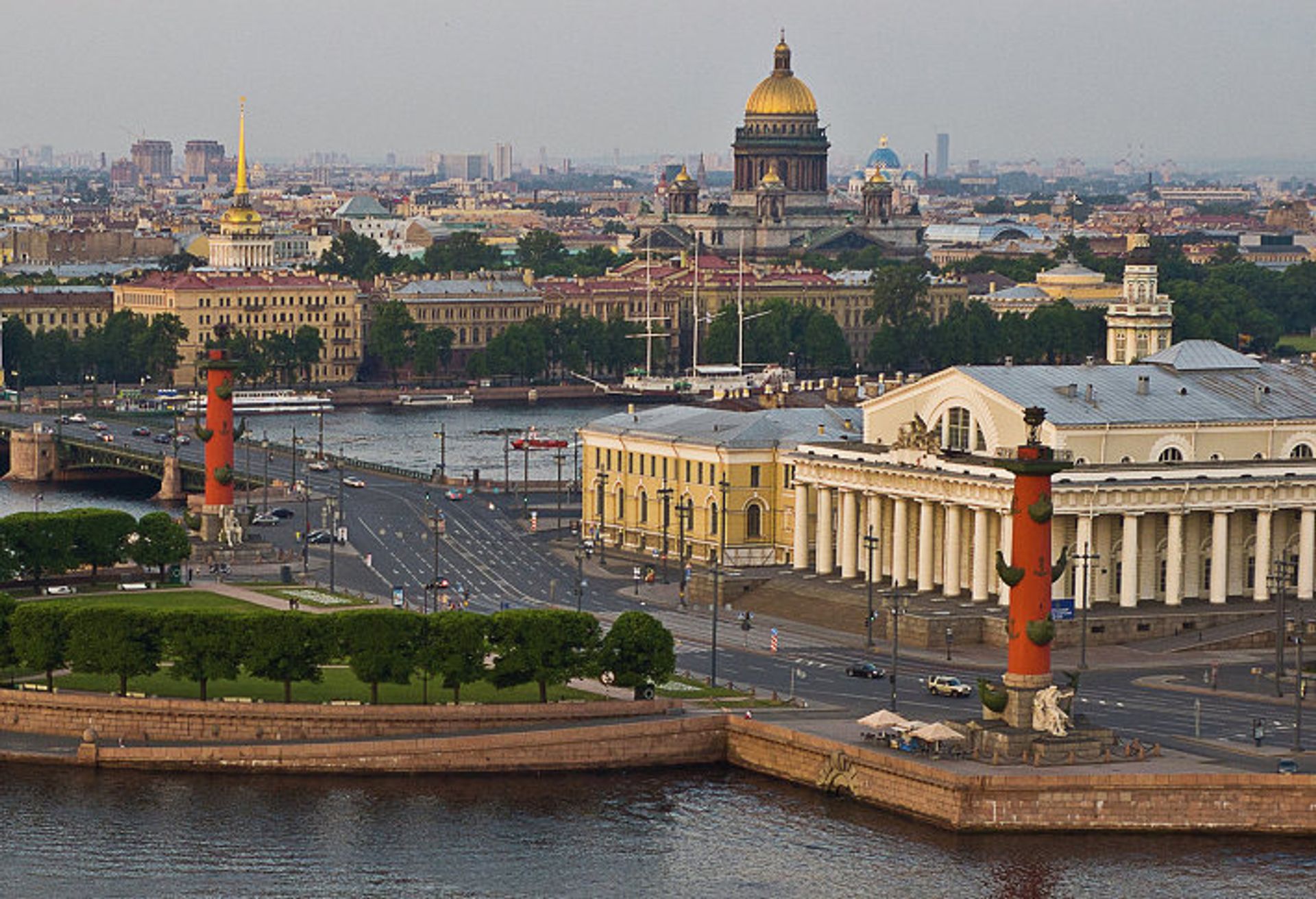
Saint Isaac’s Cathedral has remained St. Petersburg’s biggest and most beautiful cathedral and one of the city’s symbols for 154 years. Rebuilt four times, the... 14.06.2012, Sputnik International
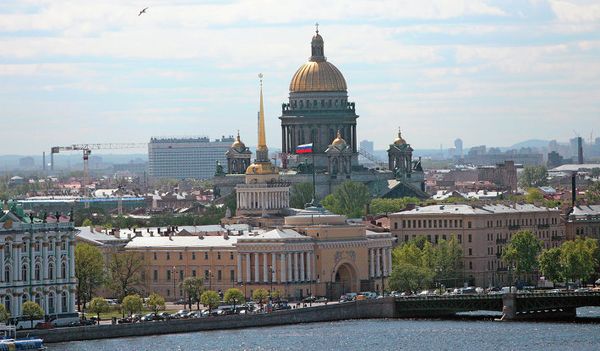
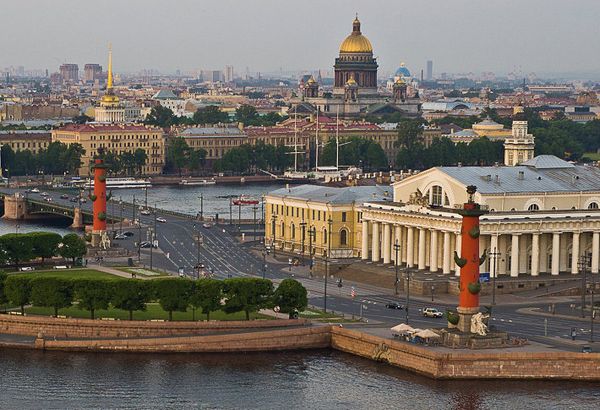
Saint Isaac’s Cathedral has remained St. Petersburg’s biggest and most beautiful cathedral and one of the city’s symbols for 154 years. Rebuilt four times, the cathedral has a dramatic history.
Saint Isaac’s Cathedral has remained St. Petersburg’s biggest and most beautiful cathedral and one of the city’s symbols for 154 years. Rebuilt four times, the cathedral has a dramatic history.
The cathedral was first constructed in wood in 1707 during the reign of Peter the Great. The ground was broken for the building on the tsar’s birthday, which coincided with the day commemorating St. Isaac of Dalmatia, hence the cathedral’s name.
In the later years of her reign, Empress Catherine the Great decided to restore the cathedral at the new location, behind the Bronze Horseman statue. The construction was finished during the reign of Emperor Paul I.
In 1816, a large piece of plaster in the vaults collapsed during a church service, which had a terrifying effect on believers. It was evident that the building required major repairs, and under orders of Emperor Alexander I a full reconstruction of the cathedral began aiming to make it St. Petersburg’s main church and landmark.
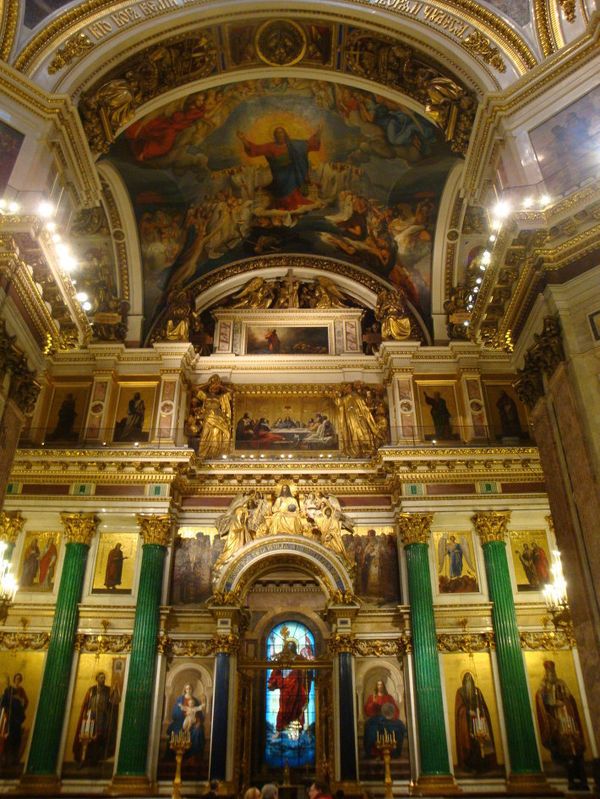
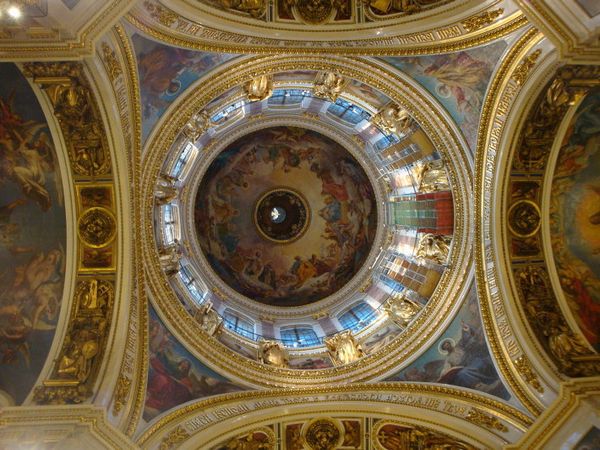
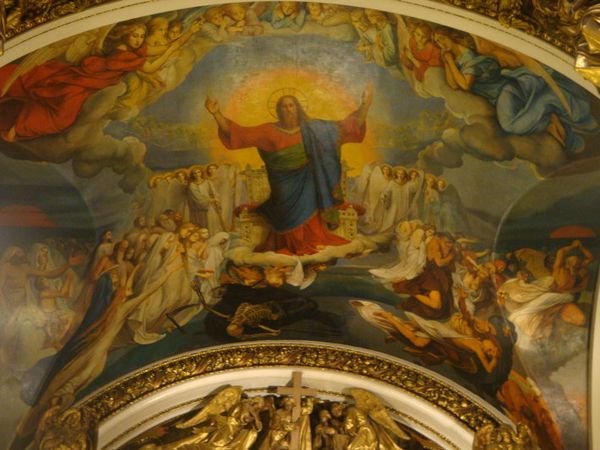
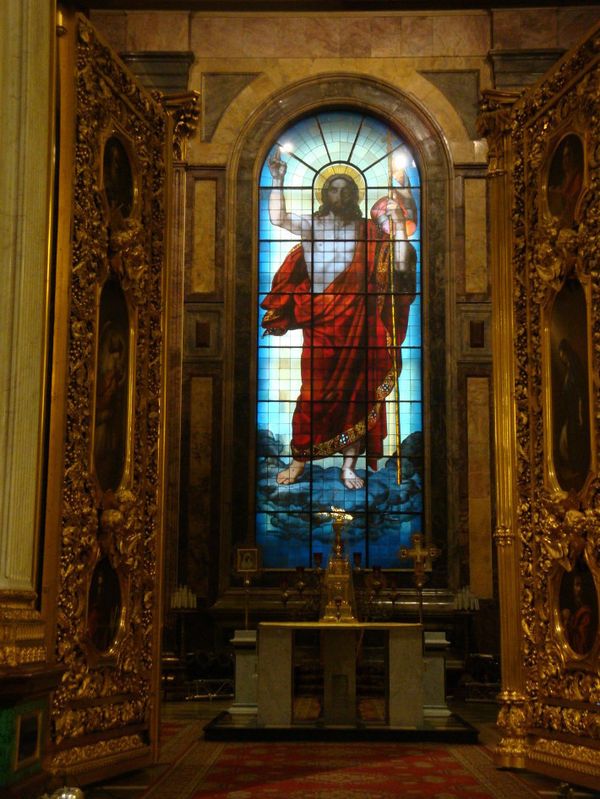
The construction of the cathedral was completed in 1848, but it took another ten years to finish the interior. The main dome plafond, The Mother of God in Glory, was decorated with paintings by Carlo Brullo.
The consecration ceremony for St. Isaac Cathedral was conducted on May 30, 1858, the day commemorating Isaac of Dalmatia and Peter the Great’s birthday. The cathedral is the world’s 4th largest church dome after St. Peter’s Basilica in Rome, St. Paul’s Cathedral in London and Santa Maria del Fiore in Florence.
Newsfeed
0
Access to the chat has been blocked for violating the rules .
You will be able to participate again through:∞.
If you do not agree with the blocking, please use the feedback form
The discussion is closed. You can participate in the discussion within 24 hours after the publication of the article.