Le Corbusier: a Multifaceted Artist at the Pushkin Museum
Le Corbusier: a Multifaceted Artist at the Pushkin Museum
Sputnik International
A newly opened exhibition at Moscow’s Pushkin Fine Arts Museum showcases the multifaceted oeuvre of Le Corbusier, a world-famous architect, who submitted his... 26.09.2012, Sputnik International
A newly opened exhibition at Moscow’s Pushkin Fine Arts Museum showcases the multifaceted oeuvre of Le Corbusier, a world-famous architect, who submitted his bid for best Palace of Soviets design in Moscow, came up with the idea of “cookie-cutter” housing, and invented a super-comfortable lounge chair, which remains a sought-after piece of furniture to this day.
A newly opened exhibition at Moscow’s Pushkin Fine Arts Museum showcases the multifaceted oeuvre of Le Corbusier, a world-famous architect, who submitted his bid for best Palace of Soviets design in Moscow, came up with the idea of “cookie-cutter” housing, and invented a super-comfortable lounge chair, which remains a sought-after piece of furniture to this day.
A newly opened exhibition at Moscow’s Pushkin Fine Arts Museum showcases the multifaceted oeuvre of Le Corbusier, a world-famous architect, who submitted his bid for best Palace of Soviets design in Moscow, came up with the idea of “cookie-cutter” housing, and invented a super-comfortable lounge chair, which remains a sought-after piece of furniture to this day.
It is impossible to overstate Le Corbusier’s significance for art history, so the Pushkin Museum’s current focus on his legacy is a natural follow-up to its earlier Picasso and Dali exhibits, which were both part of a project aimed at showcasing the best in 20th-century heritage.
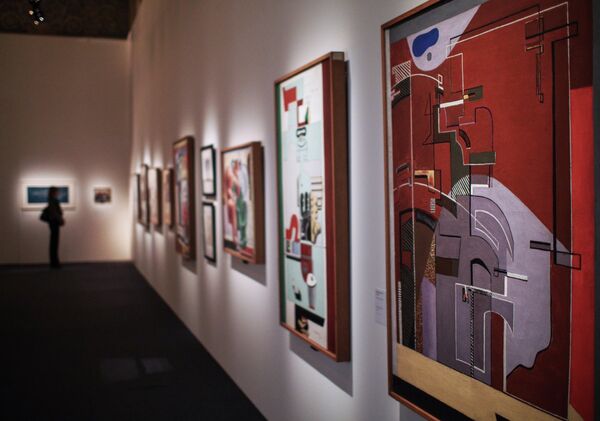
Being one of the most prominent architects of his century, Le Corbusier also managed to distinguish himself as a painter and a publisher. Photo: “Icon,” 1953.
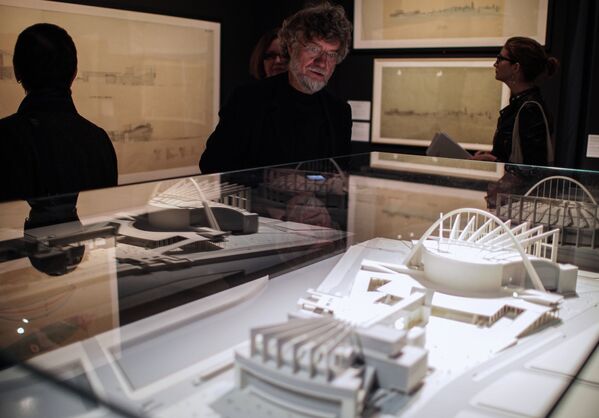
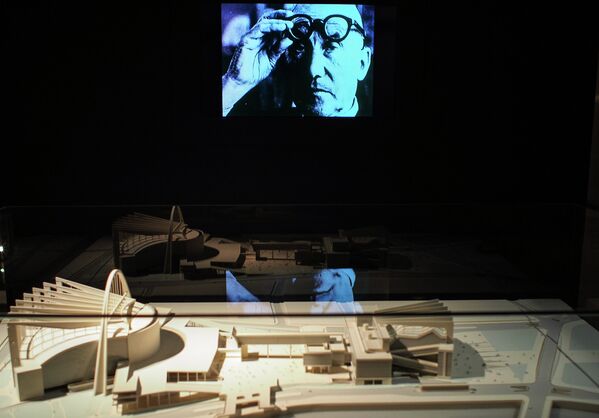
Le Corbusier worked the world over, realizing his projects in countries as far apart as France, the United States and Japan; he designed a Tsentrosoyuz building in Soviet Russia and offered his vision for the Palace of Soviets (in the photo), a structure that was supposed to replace Moscow’s historical Christ the Savior Cathedral, which the Bolsheviks demolished in 1931.
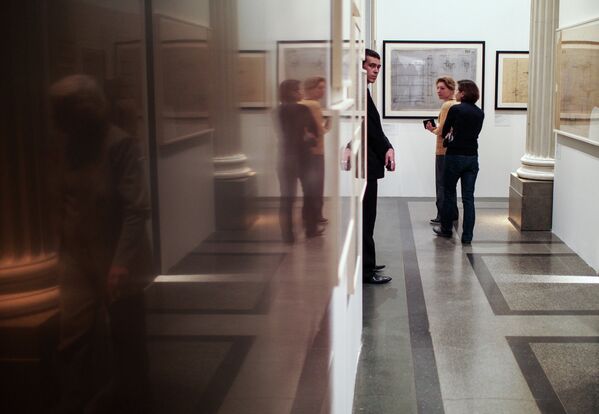
The display’s spacious Russian section features the drafts prepared by le Corbusier for the Palace of Soviets, as well as a model built to those drafts years later.
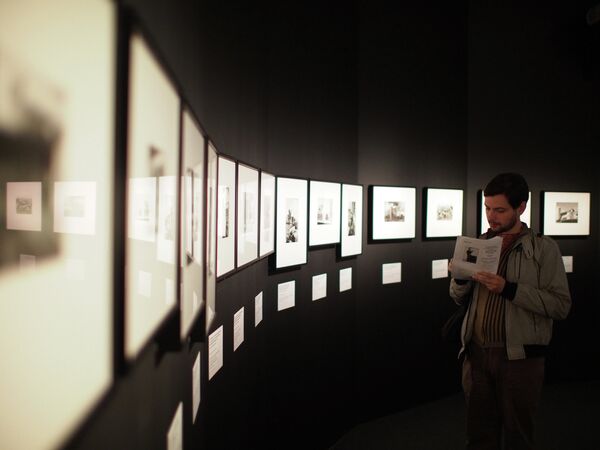
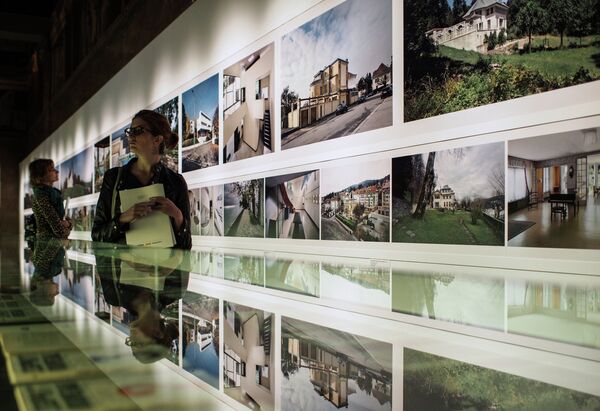
Arranged in the Pushkin Museum's main exhibition area, the Le Corbusier display also features photographs of his atelier and of structures built to his designs across the world. These images were made by Rene Burri, a member of the famous Magnum Photos group.
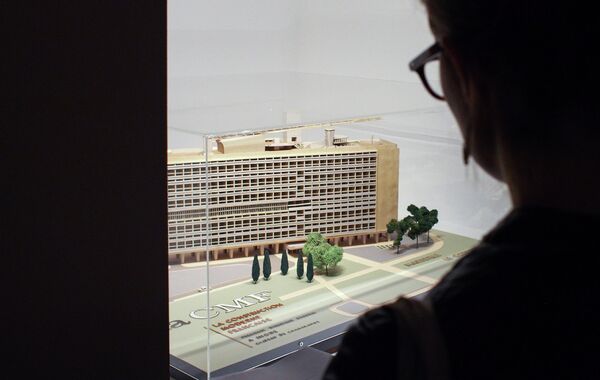
From Moscow, Le Corbusier took home some drafts that would later come in handy for his Modulor project. Launched in the 1950s, this project was about creating housing based on the human body’s proportions and on the golden ratio. Photo: Housing Unit. Marseille. France, 1946-1952, a model.
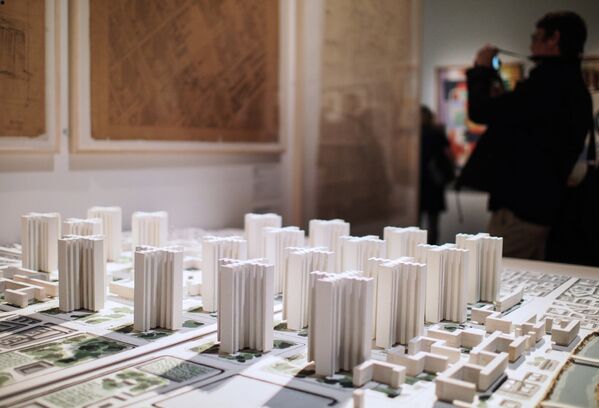
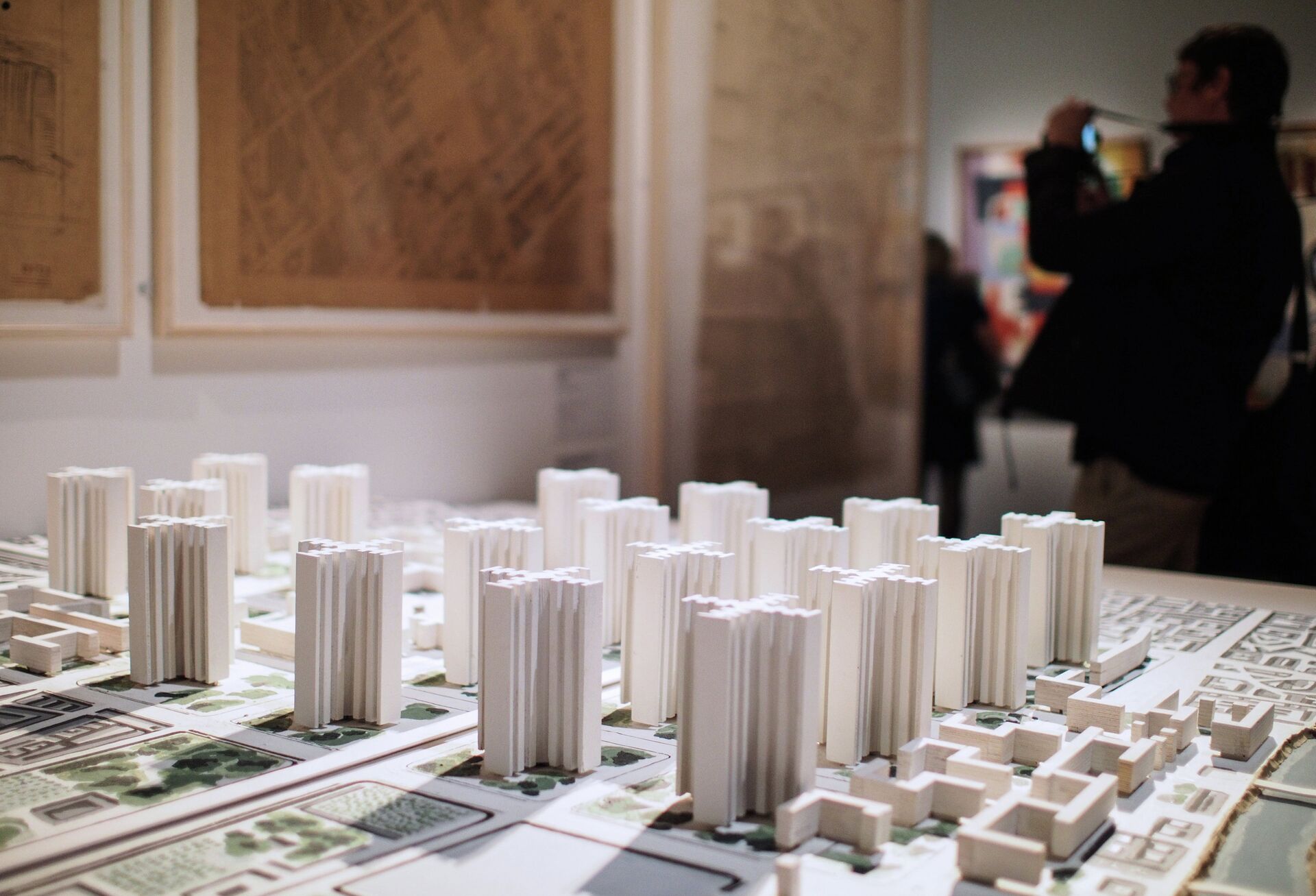
As for le Corbusier’s projects Plan Voisin (in the photo) and La Ville Radieuse (Radiant City) for Paris and Moscow, they have remained unrealized to this day.
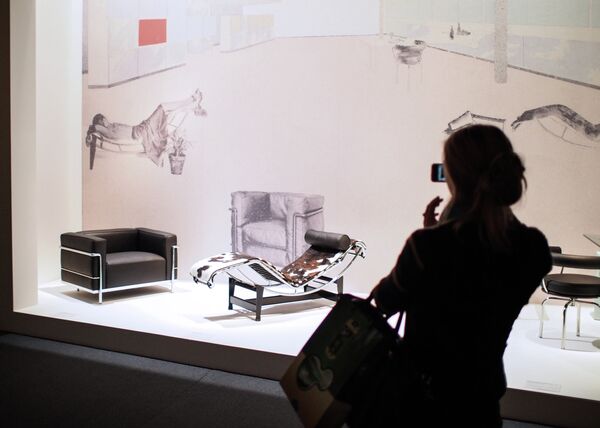
Le Corbusier’s Chaise Lounge Chair, featured at the Moscow exhibition, “allows one to settle in comfortably, taking laid-back postures that were in fashion at the time,” as the explanatory note will make us believe. Photo: Furniture designed by Le Corbusier, Charlotte Perriand, and Pierre Jeanneret.
Photos by Richard Pare. “Le Corbusier’s Architectural Legacy as Seen by Richard Pare.”
Newsfeed
0
Access to the chat has been blocked for violating the rules .
You will be able to participate again through:∞.
If you do not agree with the blocking, please use the feedback form
The discussion is closed. You can participate in the discussion within 24 hours after the publication of the article.