Arctica-2012 Expedition Aboard a Nuclear Icebreaker
Arctica-2012 Expedition Aboard a Nuclear Icebreaker
Sputnik International
The Arctica-2012 Expedition, which left Murmansk on September 8 and returned on October 9, had the task of removing drifting research station North Pole-39... 18.10.2012, Sputnik International
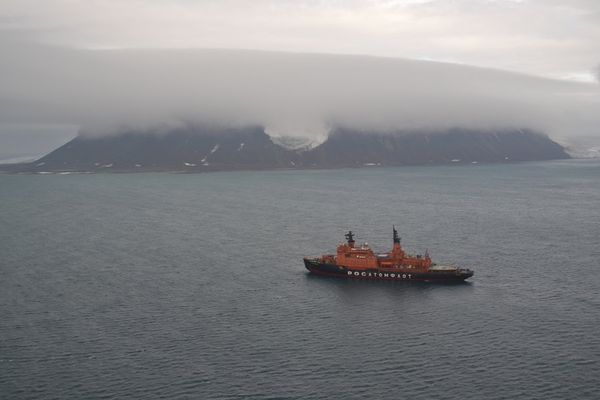
The Arctica-2012 Expedition, which left Murmansk on September 8 and returned on October 9, had the task of removing drifting research station North Pole-39 from the ice and disembarking its successor, North Pole-40.
The Arctica-2012 Expedition, which left Murmansk on September 8 and returned on October 9, had the task of removing drifting research station North Pole-39 from the ice and disembarking its successor, North Pole-40.
The Arctica-2012 Expedition, which left Murmansk on September 8 and returned on October 9, had the task of removing drifting research station North Pole-39 from the ice and disembarking its successor, North Pole-40.
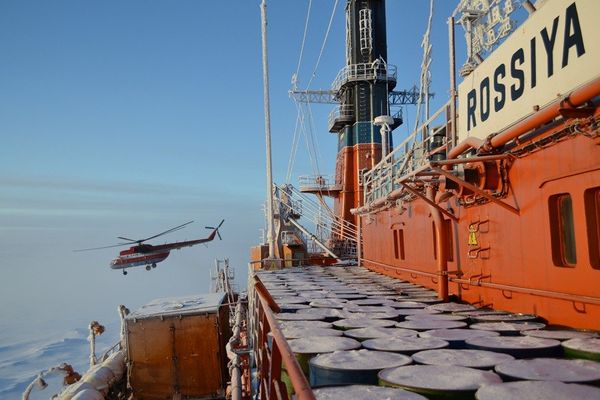
Rossiya passed through the North Pole, which was visited 90 times by ships from different countries in 1977-2011, including 67 times by Russian icebreakers on tourist cruises.
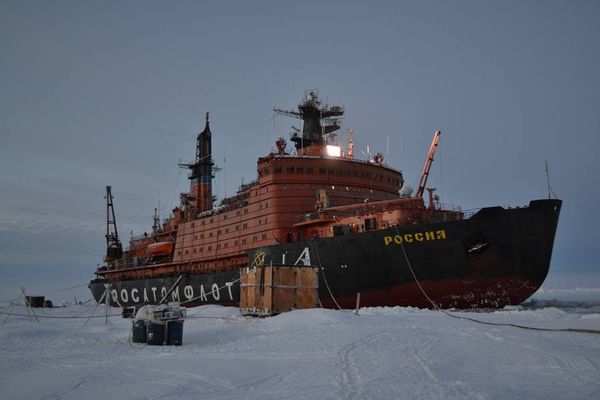
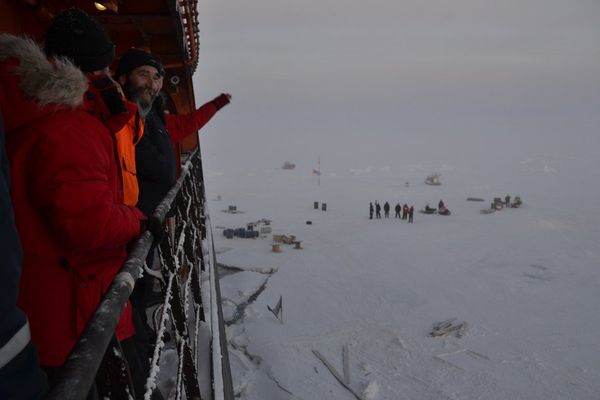
A drifting ice station is a small “village” with houses, streets packed in the snow, and exterior lighting. The nuclear icebreaker towers above the village.
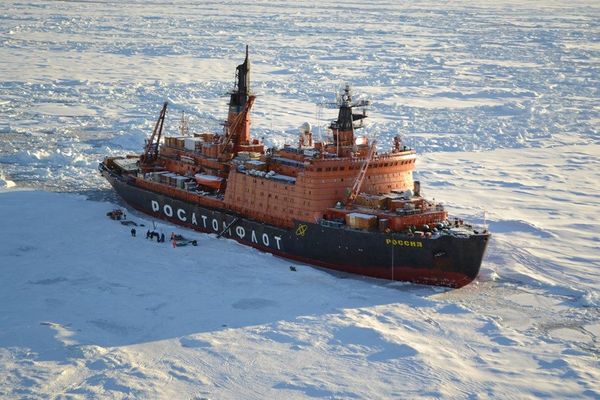
The red superstructure of nuclear icebreakers is designed to make them clearly visible against the white background to avoid collisions, although other ships are unlikely to reach the latitudes where Rossiya is now because of the thick ice.
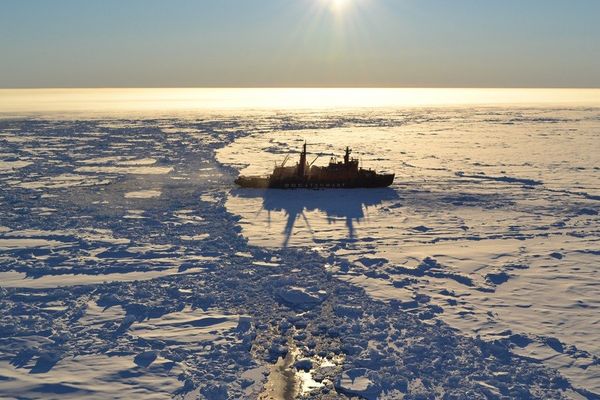
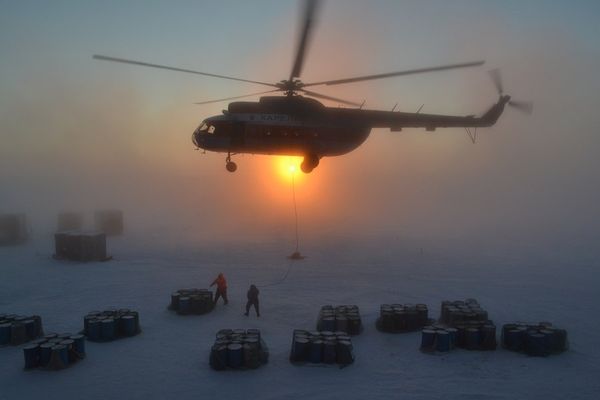
With North Pole-39 on board, Rossiya is on the lookout for a suitable ice floe for North Pole-40. A reconnaissance helicopter takes off to find an ice field thick enough and large enough to accommodate a drifting station.
Saying goodbye to the polar station’s personnel and shoving off are the most moving and memorable moments of the expedition. In line with an old maritime tradition, the icebreaker gives three short blasts on its horn for luck.
Newsfeed
0
Access to the chat has been blocked for violating the rules .
You will be able to participate again through:∞.
If you do not agree with the blocking, please use the feedback form
The discussion is closed. You can participate in the discussion within 24 hours after the publication of the article.