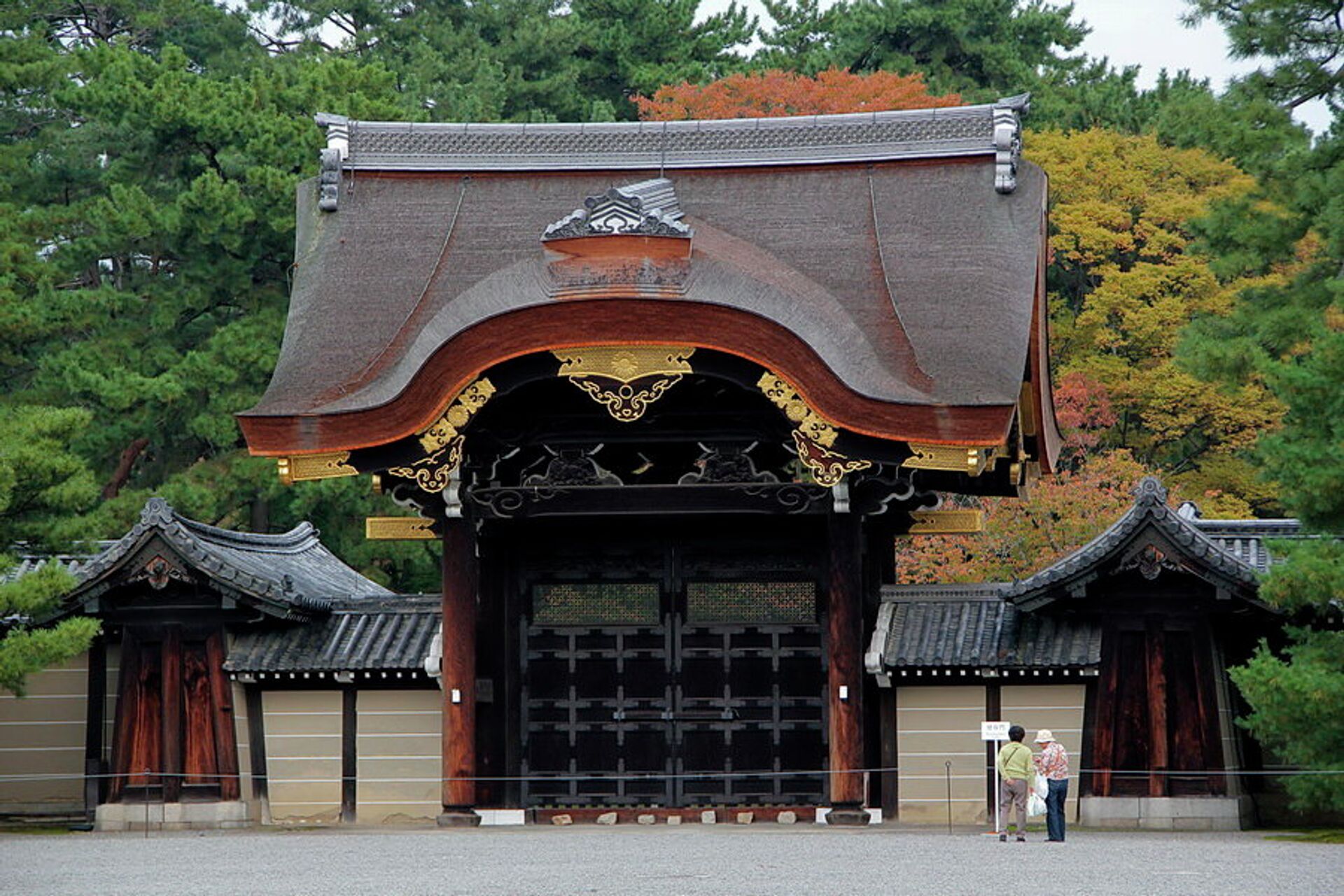
The Imperial Palace in Kyoto, the former capital of Japan, has opened its doors to the public.
1/15
© RIA Novosti . Ekaterina Plyasunkova
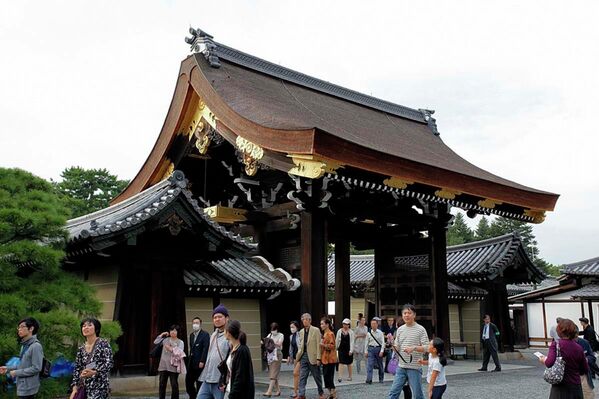
Twice a year, anyone, regardless of nationality, is free to explore the grounds and interiors of the imperial residence. Photo: The Gishumon Gate
2/15
© RIA Novosti . Ekaterina Plyasunkova
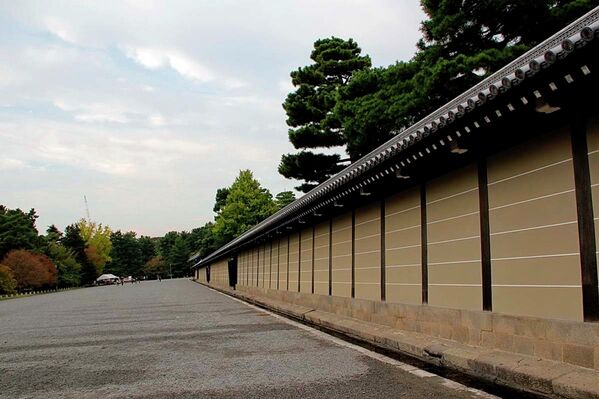
The main gate of the palace is accessed by crossing Karasuma-dori, one of the city’s main streets, and using the walkway along the palace walls. Photo: The walkway in the Gyoen Garden National Park, where the Imperial Palace is located.
3/15
© RIA Novosti . Ekaterina Plyasunkova
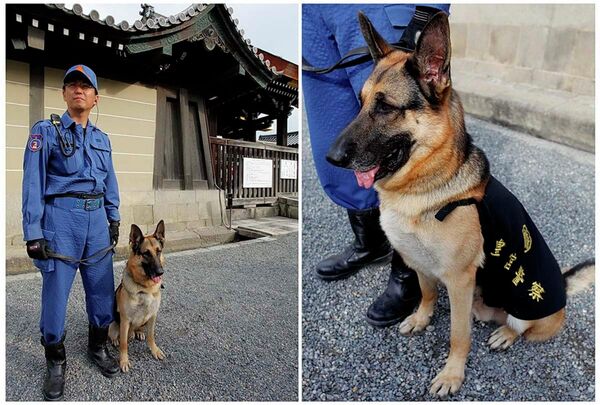
The entrance to the palace is manned by police and guard dogs, always a delight for tourists. Photo: A Japanese police officer guards the entrance to the palace.
4/15
© RIA Novosti . Ekaterina Plyasunkova
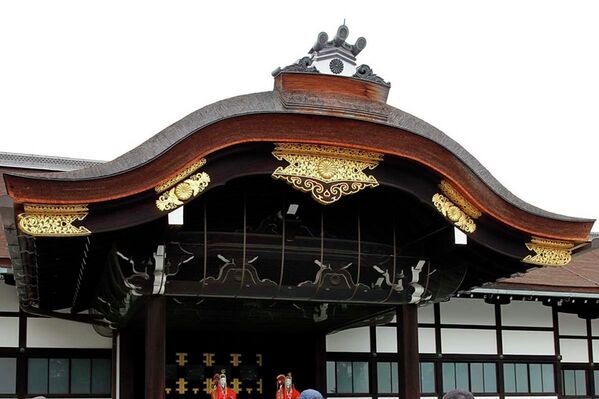
Not far from the main gate is a structure reminiscent of a porch. This space was previously used as a garage for the carriages of the imperial couple’s relatives. Photo: Part of the roof of the Okuruma-yose (garage).
5/15
© RIA Novosti . Ekaterina Plyasunkova
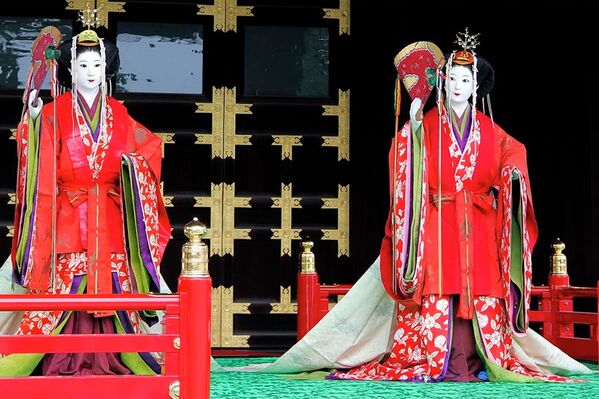
Now, these areas are used as a display stage. Photo: Mannequins of royal court dancers.
6/15
© RIA Novosti . Ekaterina Plyasunkova
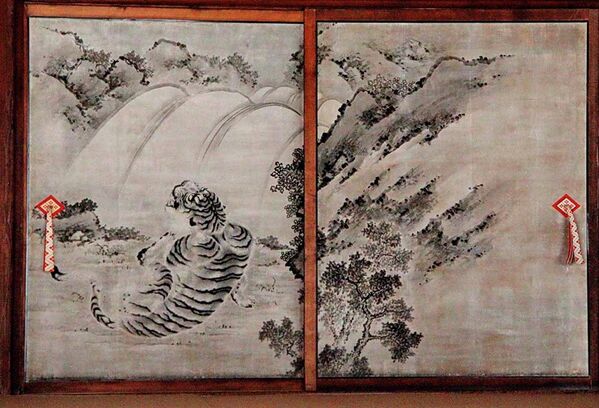
A little further in are the Shodaibunoma, or, as they are also called, the Ministers’ Chambers, world-famous thanks to their painted fusuma, or sliding doors. Photo: “Tiger Room” by master painter Gantai.
7/15
© RIA Novosti . Ekaterina Plyasunkova
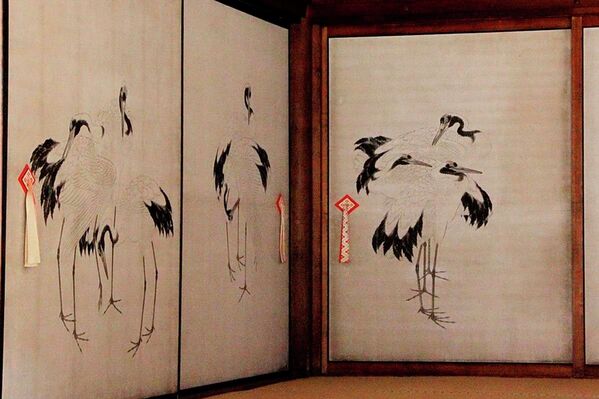
The building is divided into three rooms, each of which is decorated with its own pattern. Photo: “Heron Room” by master painter Eidaku Kano.
8/15
© RIA Novosti . Ekaterina Plyasunkova
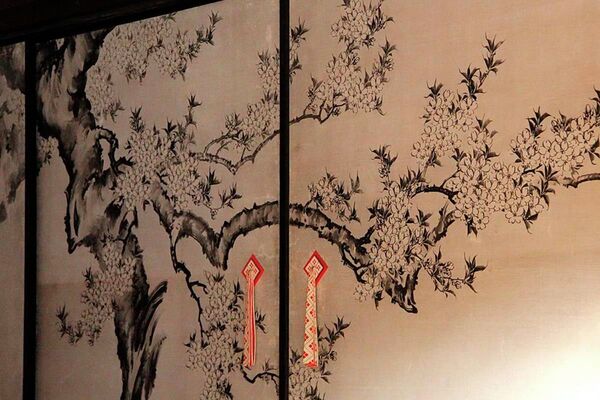
Each room was named according to the images on its walls. Photo: “Cherry Tree Room” by master painter Zaiso Hara.
9/15
© RIA Novosti . Ekaterina Plyasunkova
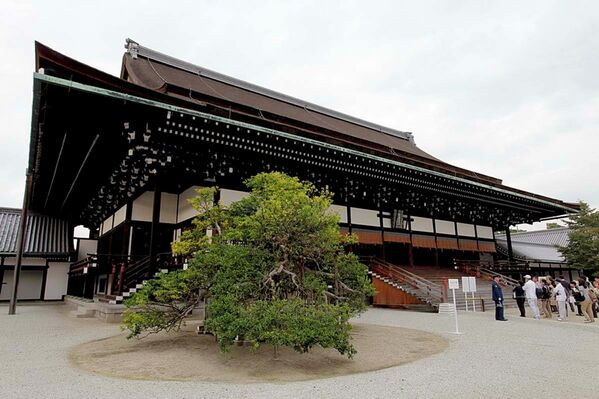
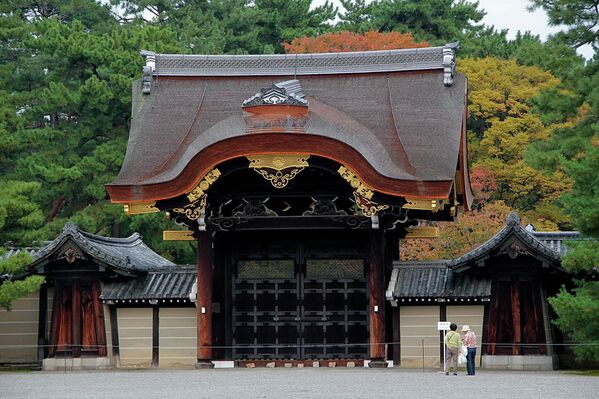
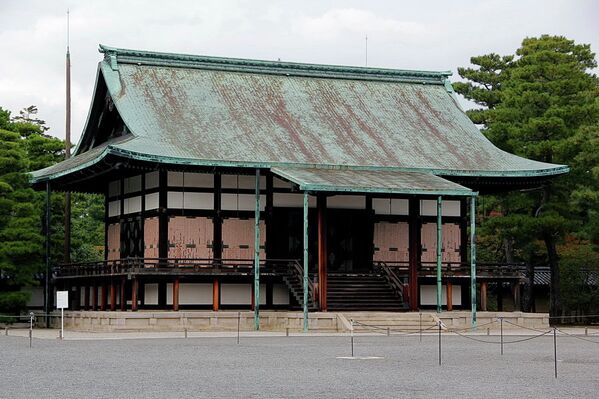
After passing through the Shyomei gate, famous for its red columns, visitors reach the square where the palace’s main attraction is located – the throne room. Photo: The throne room of the Imperial Palace.
10/15
© RIA Novosti . Ekaterina Plyasunkova
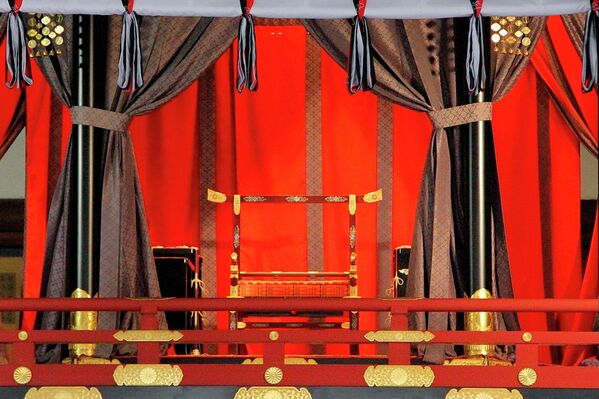
Two thrones made in 1913 are in the middle of the room. Both thrones – for the Emperor and Empress – were made in the same style and are decorated with images of animals.
11/15
© RIA Novosti . Ekaterina Plyasunkova
The eastern Kensyun gate is visible on the side of the square opposite the throne room.
12/15
© RIA Novosti . Ekaterina Plyasunkova
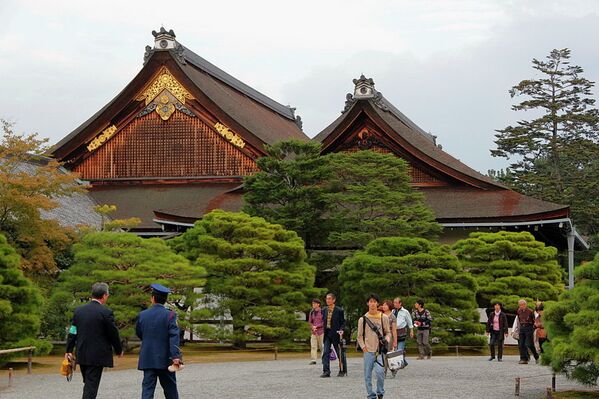
Just north of the throne room is Syunko Hall, built in 1915 for Emperor Taisho’s enthronement ceremony.
13/15
© RIA Novosti . Ekaterina Plyasunkova
Further along the walkway, visitors reach Seiryo Hall, which housed the emperor's private apartments from the 8th to the 11th centuries.
14/15
© RIA Novosti . Ekaterina Plyasunkova
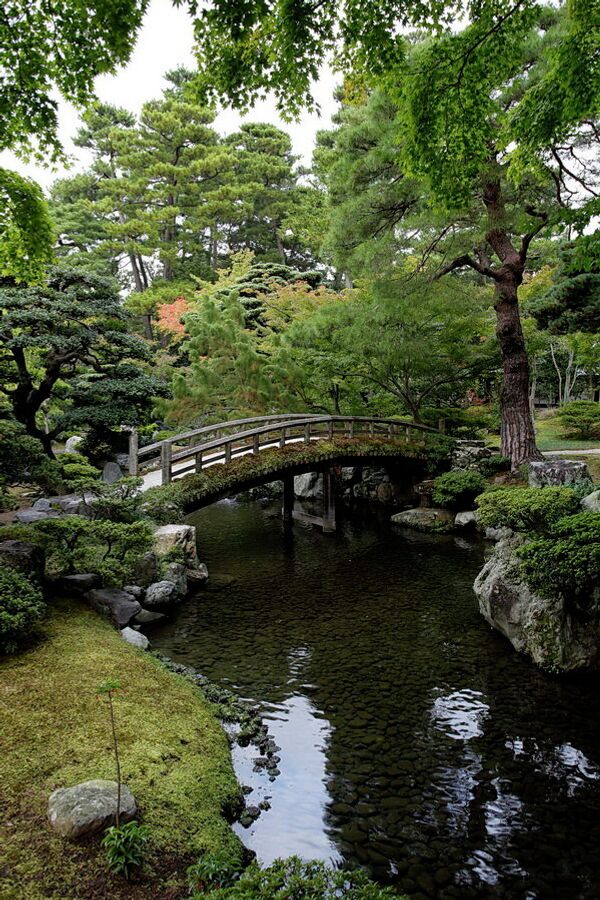
One of the most beautiful bridges in the park is located in the Gonaitei Garden, the emperor’s private garden.
15/15
© RIA Novosti . Ekaterina Plyasunkova
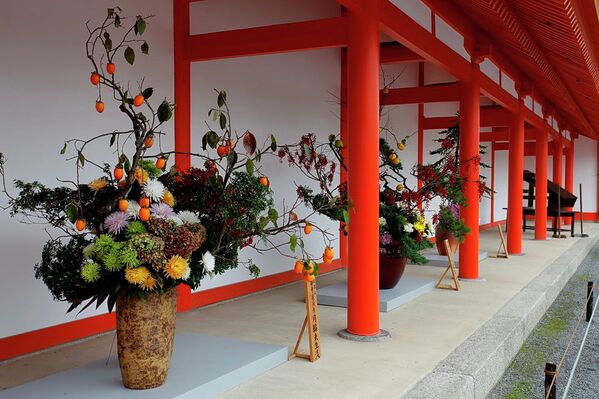
On the way to the Omima, the last building in the palace, visitors are also invited to enjoy the Land of the Rising Sun’s traditional art form – Ikebana.