In Moscow continues its series of image galleries covering life in the metropolis. In the late 1950s–early 1960s, space exploration invaded the headlines. Photo: Muscovites read about the second space launch in 1959.
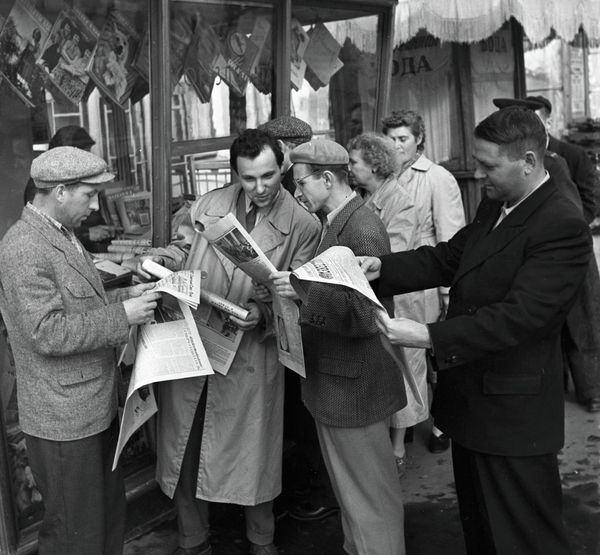
"In Moscow" continues its series of image galleries covering life in the metropolis. In the late 1950s–early 1960s, space exploration invaded the headlines.
Photo: Muscovites read about the second space launch in 1959.
Photo: Muscovites read about the second space launch in 1959.
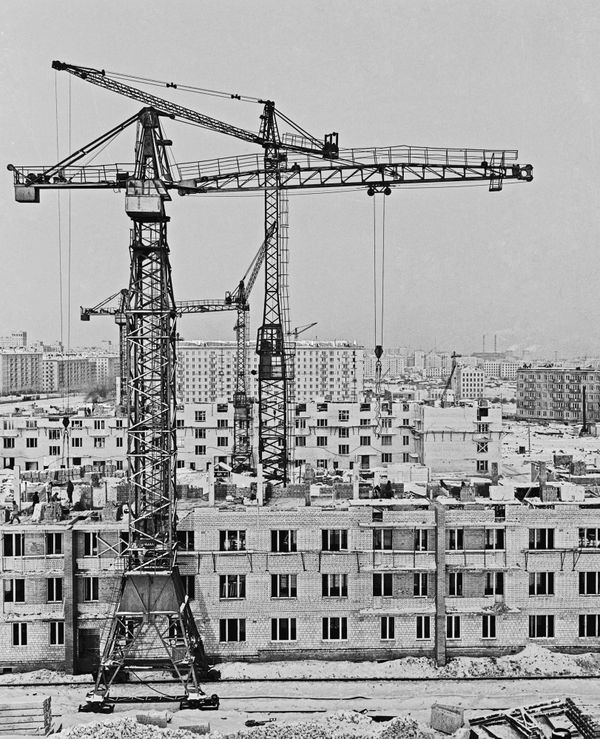
In the late 1950s affordable housing in Moscow, the five-story "khruschevki," continued springing up. The 1960s saw experimentation with "khruschevki" building techniques.
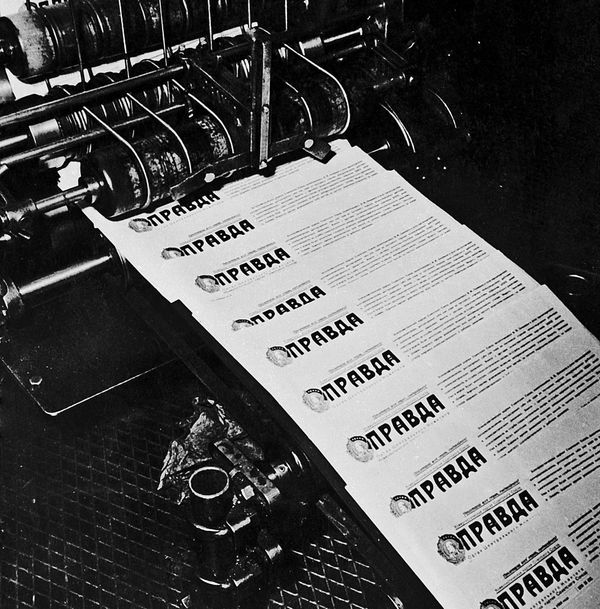
Space was one of the main topics of Khruschev’s Thaw.
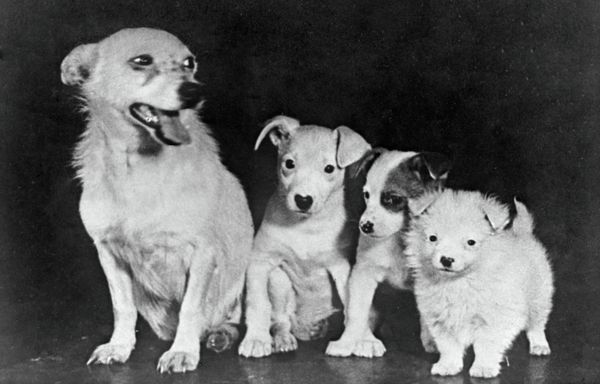
A dog named Laika was the first living thing to orbit the Earth. She had a competitor to be the first in space, a dog called Albina, who took a number of rocket flights up to 100 kilometers, but was grounded when she became pregnant.
Photo: Space dog Albina with her puppies in 1959.
Photo: Space dog Albina with her puppies in 1959.
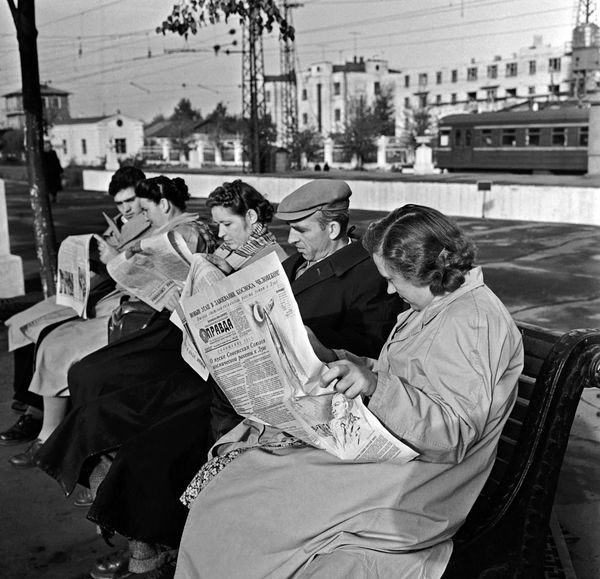
A key event of the period was the 1959 launch of a space rocket to the Moon.
Photo: Muscovites read about the second Soviet space launch on September 12, 1959.
Photo: Muscovites read about the second Soviet space launch on September 12, 1959.
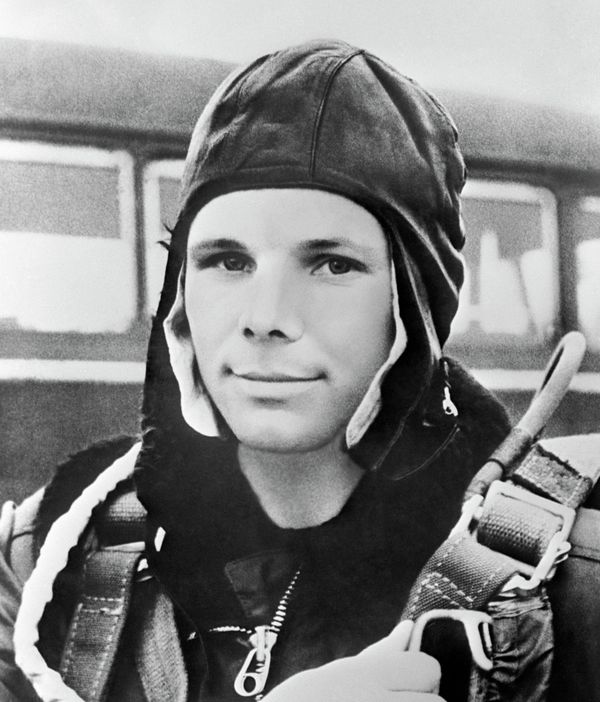
Preparation for the world’s first manned space flight in March 1960. Yury Gagarin made his historic flight on April 12, 1961.
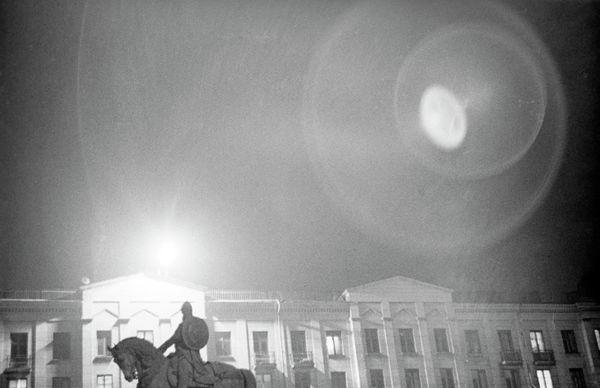
A UFO report in Komsomolskaya Pravda created a sensation. The newspaper’s photographers claimed to have taken a picture of a flying saucer in the skies above the monument to Yury Dolgoruky in Moscow.
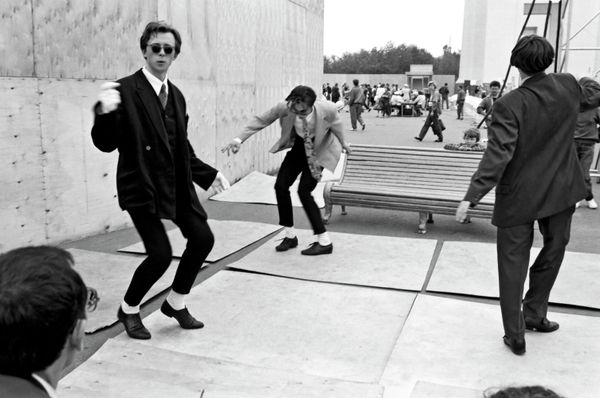
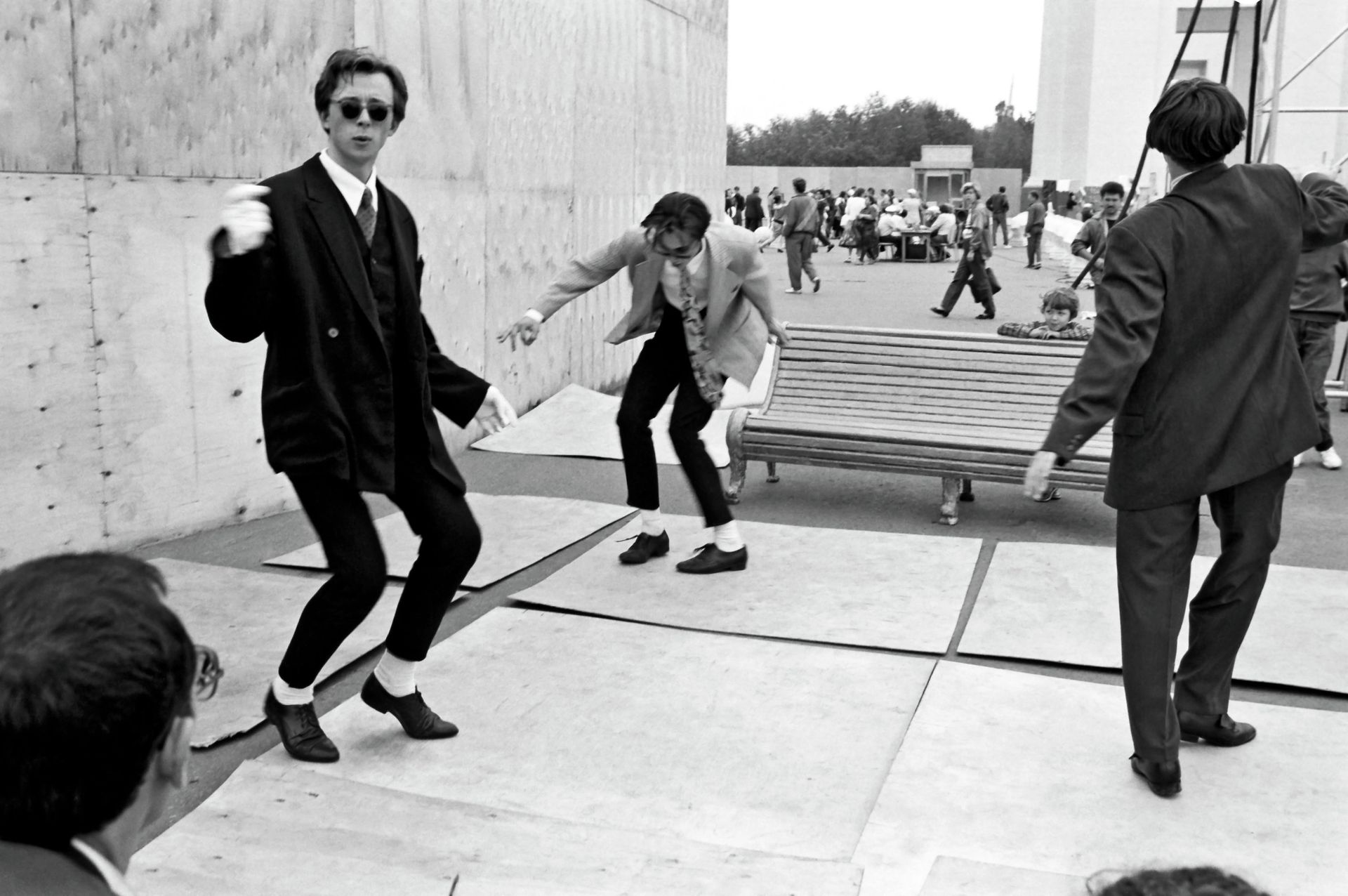
"Stylyagi" were also common among the Soviet Union’s younger generation in the 1950s and 1960s. The "Stylyagi" stood out from the gray mass of metropolitan residents by their bright clothes, the “cock” hairstyle and a peculiar way of speaking. They would listen to jazz music and dance the boogie-woogie. The Soviet press ridiculed the subculture.
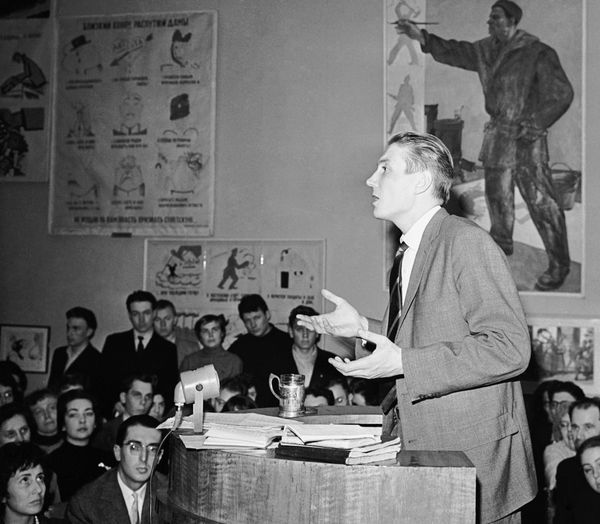
In the late 1950s and early 1960s, one could attend public performances by Anna Akhmatova, Joseph Brodsky and many others. Evenings with so-called “poets of the 1960s” at the Polytechnical Museum, featuring Robert Rozhdestvensky, Andrey Voznesensky and Yevgeny Yevtushenko (photo), were a symbol of The Thaw.
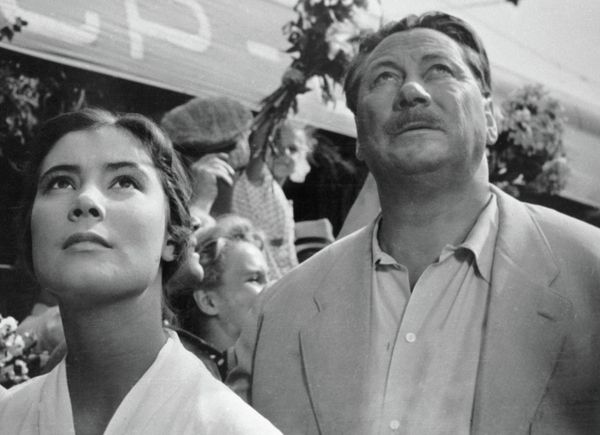
The mid-1950s–early 1960s became an era of uncovering new talents in Soviet cinema.
Photo: "The Cranes Are Flying" directed by Mikhail Kalatozov won the Palme D’Or at the XI International Film Festival in Cannes.
Photo: "The Cranes Are Flying" directed by Mikhail Kalatozov won the Palme D’Or at the XI International Film Festival in Cannes.
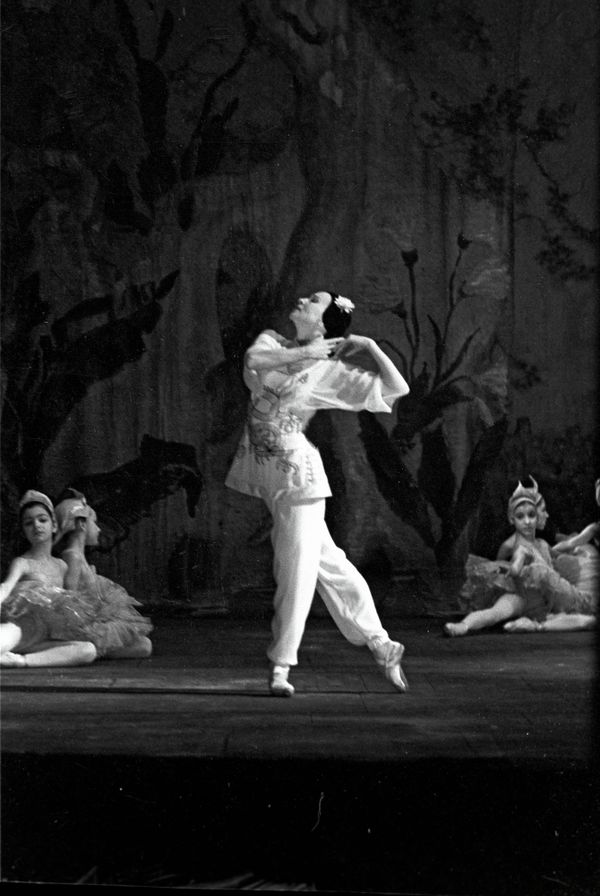
The great Galina Ulanova shone on the Bolshoi stage in the late 1950s. She was the Principal Dancer of the theater until 1960 and officially wrapped up her stage career in 1962.
Photo: Ulanova performing in Reinhold Glière’s ballet "The Red Flower."
Photo: Ulanova performing in Reinhold Glière’s ballet "The Red Flower."